
In an increasingly digitized world, managing your finances effectively means staying vigilant against erroneous or unauthorized transactions. Even with the robust security measures employed by institutions like PNC Bank, discrepancies can occur, leaving you with a charge on your statement that you don’t recognize or agree with. Knowing how to dispute such a charge is not just a right, but a crucial skill for maintaining financial integrity and protecting your hard-earned money. This comprehensive guide will walk you through the process of disputing a charge on your PNC account, equipping you with the knowledge and steps necessary to navigate this often-stressful situation with confidence and clarity.

Understanding When and Why to Dispute a Charge
Before initiating a dispute, it’s essential to understand what constitutes a valid reason and why timely action is paramount. Not every unrecognized charge warrants a formal dispute; sometimes it’s a forgotten subscription or a family member’s purchase. However, when a charge truly seems amiss, immediate action is key.
Valid Reasons for Disputing a Charge
Disputing a charge is a formal process, typically reserved for specific situations where a transaction is incorrect, unauthorized, or the goods/services were not delivered as promised. Common valid reasons include:
-
Unauthorized Transactions: This is perhaps the most straightforward reason. If a charge appears on your statement that you did not authorize, whether due to theft, fraud, or a compromised card, it is a clear candidate for dispute.
-
Incorrect Amounts: You might have authorized a transaction, but the amount charged differs from what you agreed upon. This could be an accidental overcharge or a deliberate discrepancy.
-
Duplicate Charges: Sometimes, a merchant’s system may process the same transaction twice, resulting in identical charges for a single purchase.
-
Goods or Services Not Received: If you paid for an item or service that was never delivered or rendered, despite your attempts to resolve it with the merchant, you have grounds for a dispute.
-
Faulty or Misrepresented Merchandise: While typically handled directly with the merchant, if an item is significantly not as described or fundamentally flawed and the merchant refuses a resolution, a dispute might be necessary.
-
Canceled Subscriptions or Services: You canceled a recurring subscription or service, but charges continue to appear on your statement.
-
Processing Errors: Technical glitches or human errors on the merchant’s or bank’s side can sometimes lead to erroneous charges.
It’s crucial to differentiate these situations from buyer’s remorse or simply changing your mind about a purchase. Disputes are designed to address actual errors or fraudulent activity, not to facilitate returns for unwanted items (unless the merchant explicitly failed to honor their return policy).
The Importance of Timeliness
When it comes to disputing a charge, time is of the essence. Both federal regulations, such as the Fair Credit Billing Act (FCBA) for credit cards and the Electronic Fund Transfer Act (EFTA) for debit cards, and bank policies impose strict deadlines for reporting discrepancies.
For credit card disputes under the FCBA, you generally have 60 days from the date your statement was mailed to report a billing error. For unauthorized debit card transactions under the EFTA, the sooner you report it, the better. If you report an unauthorized debit card transaction within two business days of learning about it, your liability may be limited. If you wait longer, your liability could increase significantly.
Delaying a dispute can weaken your case, make it harder for PNC to investigate, and potentially mean you lose your right to challenge the charge. Regularly reviewing your bank and credit card statements is therefore a vital financial habit.
Preparing for Your Dispute: Gathering Essential Information
A successful dispute hinges on providing clear, concise information and supporting evidence. Approaching the process well-prepared significantly increases your chances of a favorable resolution.
Reviewing Your PNC Statement
Your first step is to thoroughly examine your PNC statement (online or paper) to pinpoint the exact charge you wish to dispute. Note down:
-
The precise date of the transaction.
-
The exact amount of the transaction.
-
The merchant’s name as it appears on the statement.
-
Any transaction or reference numbers associated with the charge.
This information will be crucial for PNC to identify and investigate the correct transaction. Sometimes, merchants use different names on statements than their public-facing brand, which can cause confusion. If possible, try to recall or research the merchant if the name is unfamiliar.
Collecting Supporting Documentation
The more evidence you can provide, the stronger your case. Gather any relevant documentation that supports your claim:
-
Receipts or Order Confirmations: If you made a purchase but were charged the wrong amount or duplicate, a receipt showing the correct amount or a single transaction is invaluable.
-
Communication with the Merchant: Keep records of any emails, chat transcripts, or call logs (with dates and times) detailing your attempts to resolve the issue directly with the merchant. This demonstrates you tried to resolve it before involving the bank.
-
Photos or Screenshots: For issues with goods received, photos of damaged items or screenshots of misleading product descriptions can be helpful.
-
Police Reports: In cases of identity theft or significant fraud, a police report can provide significant weight to your claim.
-
Account Statements: Highlight the specific disputed charge and provide copies if necessary.
Organize all this information so it’s readily accessible when you contact PNC.
Contacting the Merchant First (Optional but Recommended)
In many scenarios, particularly with non-fraudulent issues like incorrect billing, duplicate charges, or unreceived goods/services, it’s often advisable to contact the merchant directly first. Many businesses have dedicated customer service departments designed to resolve such issues quickly.
-
Why contact the merchant? It can be a faster resolution than a bank dispute. Merchants often have the ability to reverse charges instantly. It also shows PNC that you’ve made a good-faith effort to resolve the issue yourself, which can strengthen your dispute if it becomes necessary.
-
Document everything: If you do contact the merchant, note the date, time, who you spoke to, what was discussed, and any resolution (or lack thereof). This documentation will be vital if you still need to file a dispute with PNC.
-
When to skip this step: If you suspect outright fraud, such as an unauthorized charge from a merchant you’ve never interacted with, you should proceed directly with disputing the charge through PNC.
Navigating the PNC Dispute Process
Once you’ve gathered your information, it’s time to formally initiate the dispute with PNC. PNC offers several convenient methods to do this.
Multiple Avenues for Initiating a Dispute
PNC understands that customers prefer different communication channels. You can typically dispute a charge through:
-
PNC Online Banking: This is often the quickest and most efficient method, allowing you to submit details and upload documents digitally.
-
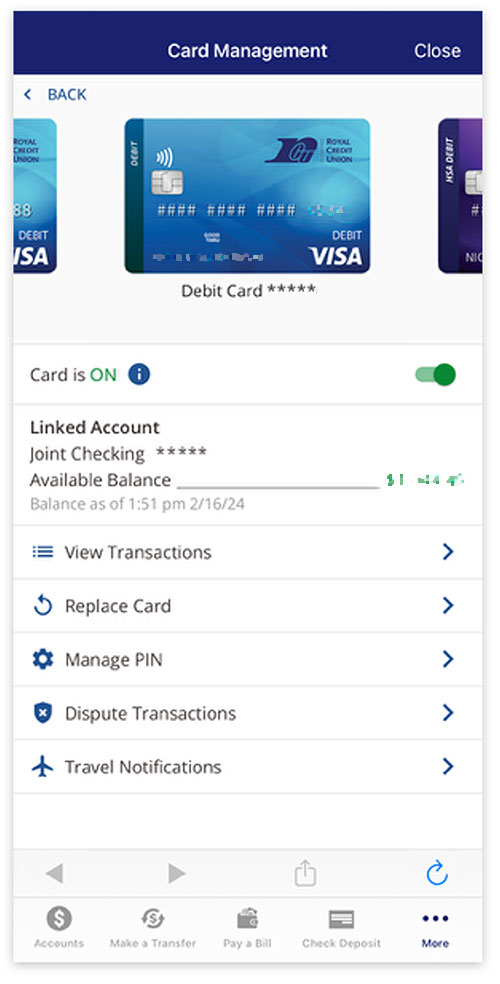
PNC Mobile App: Many of the same functionalities available online are accessible via the mobile app, offering convenience on the go.
-
Phone: You can call PNC customer service or the specific fraud/dispute department. The number is usually found on the back of your card or on PNC’s official website.
-
In-Person at a PNC Branch: For those who prefer face-to-face interaction or need assistance with the online process, visiting a branch is an option. A representative can guide you through the necessary paperwork.

While all methods are valid, online or phone are generally preferred for their speed and ability to track progress.
Step-by-Step Guide to Online Dispute Submission (Example)
If you choose the online banking route, the process typically involves:
-
Log In: Access your PNC online banking account securely.
-
Navigate to Accounts/Services: Look for a section related to “Account Services,” “Customer Service,” “Manage Cards,” or “Dispute a Transaction.” The exact wording may vary.
-
Select the Relevant Account: Choose the checking, savings, or credit card account on which the disputed charge appears.
-
Identify the Transaction: Locate the specific transaction you wish to dispute from your recent activity list. There’s often an option to “Dispute this transaction” directly next to it.
-
Provide Details: You will be prompted to select the reason for the dispute (e.g., “Unauthorized,” “Duplicate,” “Goods/Services Not Received”).
-
Elaborate on Your Claim: In a provided text box, clearly and concisely explain why you are disputing the charge. Reference your supporting documentation here.
-
Upload Documents: Attach any scanned copies or digital photos of your supporting evidence (receipts, merchant communications, etc.).
-
Review and Submit: Carefully review all the information you’ve entered before submitting. You’ll typically receive a confirmation number or email.
When disputing by phone, be prepared to provide all the same details and potentially mail or fax supporting documents later.
What to Expect After Submitting Your Dispute
Once your dispute is submitted, a multi-stage process begins:
-
Acknowledgement: PNC will acknowledge receipt of your dispute, usually with a reference number.
-
Temporary Credit: For credit card disputes, PNC may issue a temporary credit to your account while the investigation is underway. This is not a final resolution but prevents interest accrual on the disputed amount. For debit card disputes, the funds may be temporarily returned to your account as well.
-
Investigation Period: PNC will investigate your claim. This involves contacting the merchant, reviewing transaction details, and examining your provided evidence. This process can take several weeks, sometimes up to 90 days, depending on the complexity of the case and merchant response times.
-
Communication from PNC: PNC will keep you informed of the investigation’s progress and may request additional information if needed. Respond promptly to any requests.
Post-Dispute Resolution and Prevention
The dispute process concludes with a resolution, but your responsibilities don’t necessarily end there. Understanding the outcome and taking steps to prevent future issues is crucial.
Understanding the Outcome of Your Dispute
There are generally three outcomes for a dispute:
-
Permanent Credit/Refund: If PNC finds in your favor, the temporary credit will become permanent, or the funds will be permanently returned to your debit account. The charge will be removed from your statement.
-
Charge Upheld: If PNC determines the charge was valid (e.g., you authorized it, or the merchant provided evidence of delivery/service), the dispute will be denied. If a temporary credit was issued, it will be reversed, and the charge will remain on your account. PNC will explain their reasoning.
-
Further Action: In some complex cases, PNC might advise you on further steps if they cannot resolve it directly, such as seeking legal counsel or contacting regulatory bodies.
When to Escalate Your Complaint
If your dispute is denied by PNC and you still believe the decision is unjust, you have avenues for escalation:
-
PNC Internal Escalation: You can request to speak with a supervisor or a higher-level dispute resolution specialist within PNC.
-
Regulatory Bodies: For federal credit card disputes (FCBA) and debit card disputes (EFTA), you can file a complaint with the Consumer Financial Protection Bureau (CFPB). The CFPB is a U.S. government agency that ensures banks, lenders, and other financial companies treat you fairly. They can mediate or investigate complaints against financial institutions.
-
Other Agencies: For specific types of fraud, you might also consider reporting to the Federal Trade Commission (FTC).
Best Practices for Preventing Future Unauthorized Charges
Prevention is always better than cure. Adopt these habits to minimize the risk of future issues:
-
Regularly Monitor Your Accounts: Check your PNC online banking and statements frequently, ideally weekly, to catch any unfamiliar transactions quickly.
-
Set Up Alerts: Utilize PNC’s alert features for large transactions, international purchases, or any activity on your account.
-
Use Strong, Unique Passwords: Protect your online banking accounts with robust, unique passwords and consider two-factor authentication.
-
Be Cautious with Online Shopping: Only make purchases on secure websites (look for “https://” in the URL and a padlock symbol). Be wary of unsolicited emails or texts asking for financial information.
-
Shred Sensitive Documents: Properly dispose of old bank statements, credit card offers, and other financial documents.
-
Review Merchant Policies: Understand return, cancellation, and billing policies before making purchases.
-
Be Wary of Scams: Be skeptical of calls, emails, or messages asking for your personal or account information, even if they claim to be from PNC.
Your Rights as a Consumer
Understanding your consumer rights empowers you during the dispute process and beyond. Both federal laws and PNC’s commitment to security provide layers of protection.
The Fair Credit Billing Act (FCBA)
The FCBA is a federal law that applies to credit card accounts and provides protections against billing errors. It outlines:
-
Your Right to Dispute: It gives you the right to dispute billing errors, unauthorized charges, or charges for goods/services not received.
-
Timelines: It sets clear time limits for reporting errors (within 60 days of the statement mailing date) and for the creditor to investigate (generally two billing cycles, or 90 days, whichever is shorter).
-
Withholding Payment: You can withhold payment on the disputed amount during the investigation without harming your credit score or being charged interest on that specific amount.
The Electronic Fund Transfer Act (EFTA)
The EFTA is a federal law that protects consumers who use debit cards and other electronic fund transfers (like ATM transactions, direct deposits, or online bill pay). Key protections include:
-
Liability Limits: It limits your liability for unauthorized transactions based on when you report the error. Reporting within two business days significantly limits your liability, while delays can increase it.
-
Error Resolution: It mandates that financial institutions investigate and resolve errors promptly.
-
Provisional Credit: Similar to credit cards, banks often provide provisional credit while investigating debit card errors.
PNC’s Commitment to Security
PNC, as a reputable financial institution, has its own robust fraud detection and prevention systems. They continuously monitor transactions for suspicious activity and have dedicated teams to assist customers with disputes and fraud claims. Their policies often align with or exceed federal requirements, providing an additional layer of assurance and support when you need to dispute a charge.
In conclusion, encountering an unfamiliar or incorrect charge on your PNC account can be unsettling, but it doesn’t have to be a permanent setback. By understanding your rights, meticulously preparing your case, and utilizing the clear dispute channels provided by PNC, you can effectively challenge erroneous charges and safeguard your financial well-being. Regular monitoring and proactive security measures are your best defense, but knowing how to dispute a charge is your essential backup plan.
aViewFromTheCave is a participant in the Amazon Services LLC Associates Program, an affiliate advertising program designed to provide a means for sites to earn advertising fees by advertising and linking to Amazon.com. Amazon, the Amazon logo, AmazonSupply, and the AmazonSupply logo are trademarks of Amazon.com, Inc. or its affiliates. As an Amazon Associate we earn affiliate commissions from qualifying purchases.