
The world of software development is constantly evolving, driven by the need for agility, scalability, and resilience. In this dynamic landscape, microservices have emerged as a dominant architectural pattern, promising to revolutionize how we build and deploy applications. When combined with Java, a platform renowned for its robustness and extensive ecosystem, microservices unlock a powerful synergy that caters to a wide spectrum of needs, from cutting-edge tech innovation to strategic brand building and robust money management.
This article will delve into the core of microservices architecture, specifically through the lens of Java. We’ll explore what microservices are, why they are gaining traction, the benefits they offer, and how they integrate with the Java ecosystem. Furthermore, we’ll examine how this architectural approach can impact your brand‘s digital presence and contribute to sound money management and business growth.
Understanding the Microservices Revolution
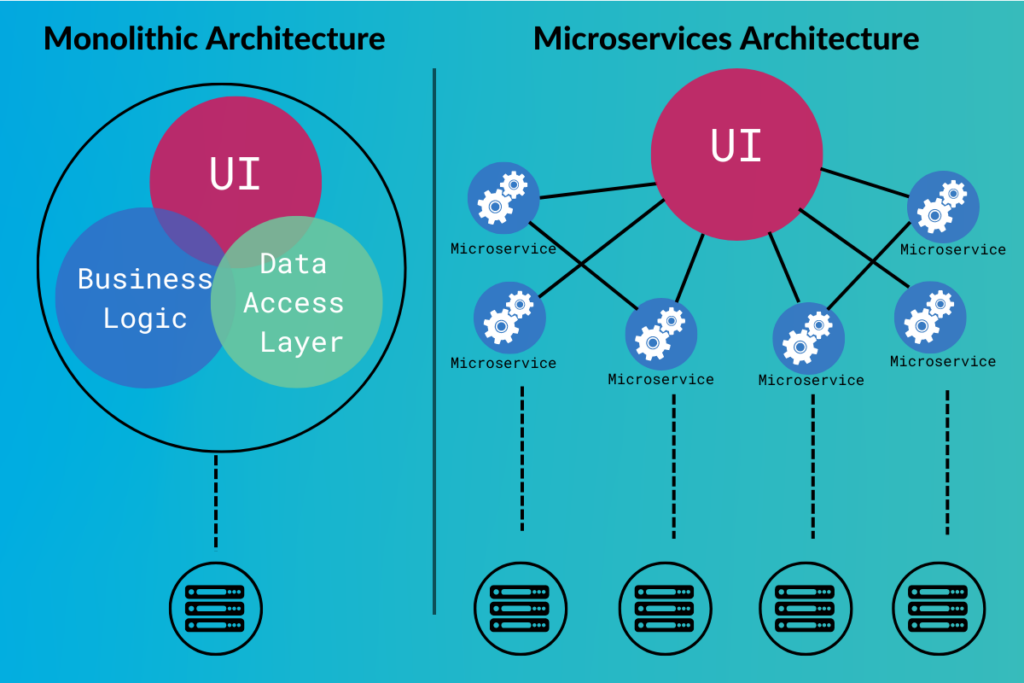
At its heart, microservices architecture is a departure from the traditional monolithic approach to software development. Imagine a large, complex application built as a single, indivisible unit. While this can be simpler to develop initially, it quickly becomes unwieldy as the application grows. Changes to one part of the application can have unintended consequences elsewhere, leading to slower development cycles, increased risk of errors, and difficulties in scaling specific functionalities.
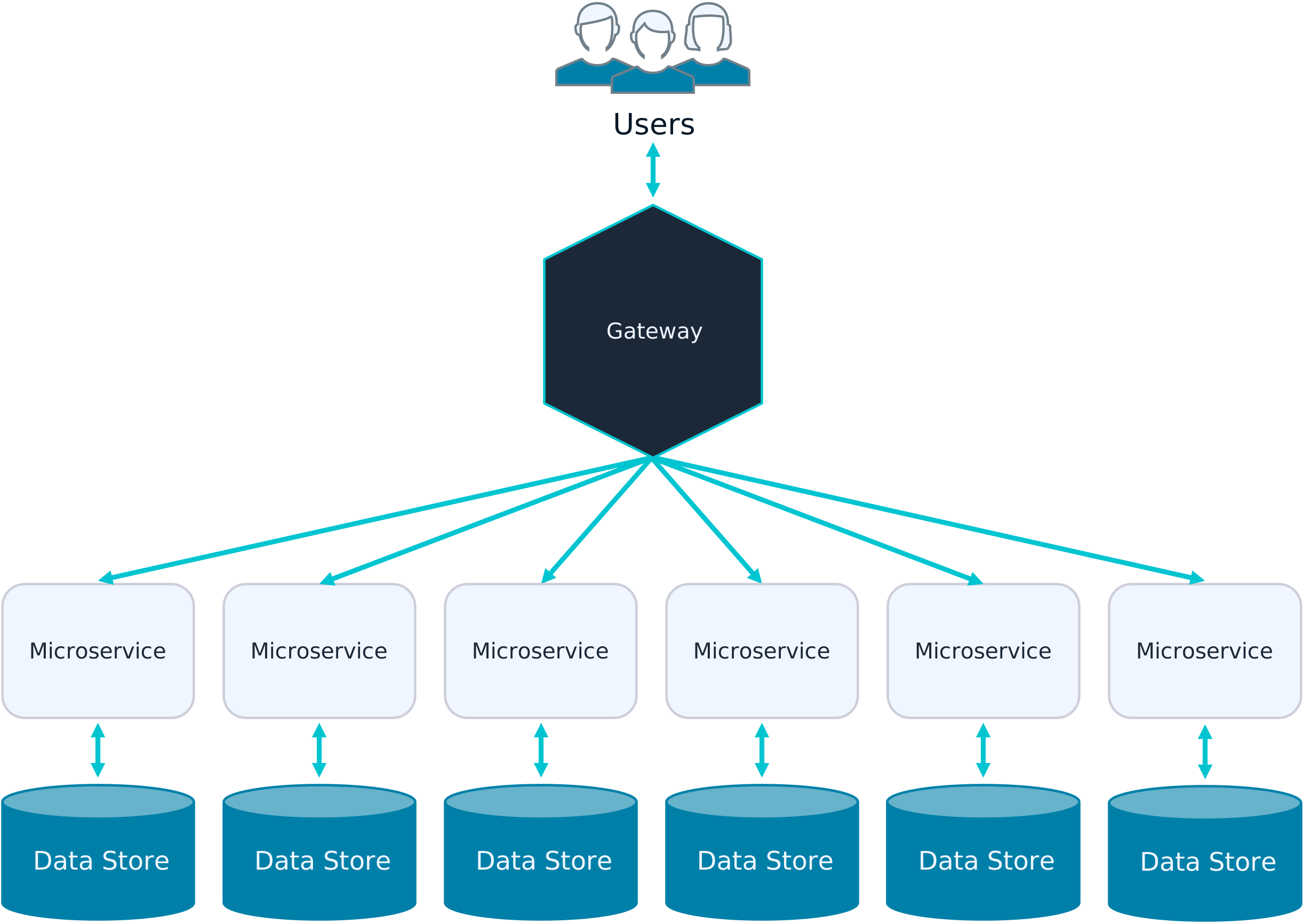
Microservices, on the other hand, break down an application into a collection of small, independent, and loosely coupled services. Each service is designed to perform a specific business function and communicates with other services through lightweight mechanisms, typically APIs (Application Programming Interfaces). Think of it like building a complex machine from many smaller, specialized components that can be individually serviced, updated, or replaced without affecting the entire machine.
Key Characteristics of Microservices
To truly grasp the essence of microservices, it’s important to highlight their defining characteristics:
- Small and Focused: Each microservice is designed around a specific business capability. This means a service might handle user authentication, product catalog management, order processing, or payment gateway integration.
- Independent Deployment: Microservices can be developed, deployed, and scaled independently of each other. This allows teams to work autonomously, release new features faster, and roll back problematic updates without impacting the entire system.
- Decentralized Governance: There’s no single, overarching technology stack or database for the entire application. Each microservice can choose the best technology for its specific needs, promoting flexibility and innovation.
- Resilience: If one microservice fails, it ideally shouldn’t bring down the entire application. The system can be designed to degrade gracefully, with unaffected services continuing to function.
- Communication via APIs: Microservices interact with each other through well-defined APIs, typically using protocols like HTTP/REST or messaging queues. This abstraction layer ensures that the internal implementation of a service is hidden from others.
Why the Shift Towards Microservices?
The adoption of microservices is driven by a confluence of business and technological imperatives:
- Agility and Faster Time-to-Market: The ability to develop and deploy services independently allows for rapid iteration and quicker delivery of new features and updates. This is crucial in today’s fast-paced market.
- Scalability: Individual services can be scaled up or down based on demand. If your e-commerce platform experiences a surge in orders, you can scale the order processing service without needing to scale the entire application.
- Technology Diversity: Teams can select the most appropriate programming languages, frameworks, and databases for each microservice, fostering innovation and allowing them to leverage specialized tools.
- Improved Fault Isolation: A failure in one service is less likely to cascade and bring down the entire system, leading to higher availability and resilience.
- Easier Maintenance and Updates: Smaller codebases for individual services are easier to understand, maintain, and update. This reduces the complexity associated with large, monolithic applications.
- Team Autonomy and Productivity: Independent teams can work on different services concurrently, leading to increased productivity and a more efficient development workflow.
Java: A Powerful Ally for Microservices Development
Java’s long-standing presence in the enterprise world, its mature ecosystem, and its robust features make it an excellent choice for building microservices. While microservices can be built with various languages, Java offers a compelling combination of advantages that resonate with developers and organizations looking to embrace this architectural style.
Leveraging the Java Ecosystem for Microservices
The Java ecosystem provides a rich set of tools, frameworks, and libraries that are indispensable for microservices development. Here are some key areas where Java shines:
- Frameworks for Microservices:
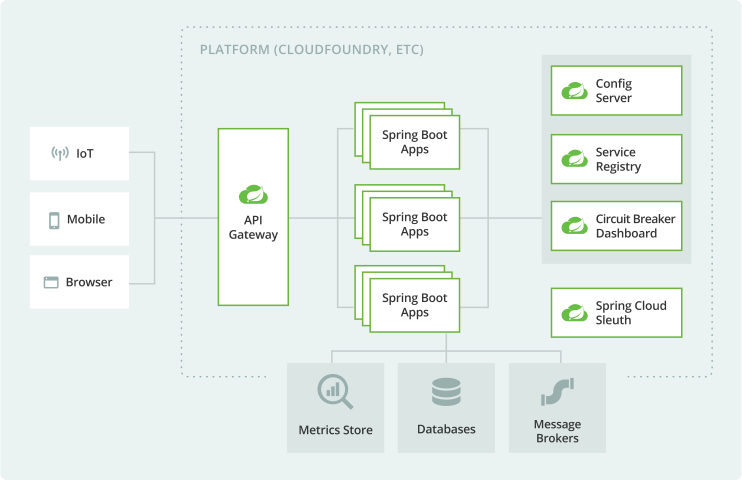
- Spring Boot: This is arguably the most popular framework for Java-based microservices. Spring Boot simplifies the development of production-ready Spring applications, including RESTful web services, with minimal configuration. It offers features like embedded servers, auto-configuration, and starter dependencies, which are perfect for quickly building and deploying independent services.
- Micronaut: A modern, JVM-based framework designed for building modular, easily testable microservice applications. Micronaut emphasizes ahead-of-time (AOT) compilation and dependency injection, leading to reduced memory footprint and faster startup times, which are critical for microservices.
- Quarkus: An opinionated, Kubernetes-native Java stack tailored for GraalVM and OpenJDK HotSpot. Quarkus aims to deliver blazing-fast boot times and low memory usage, making it ideal for serverless and containerized environments.
- Helidon: An open-source, Java-based framework from Oracle for writing microservices. Helidon offers two distinct programming models: MicroProfile for standards-based development and the SE (Standard Edition) for a lightweight, functional approach.
-
Containerization and Orchestration: Microservices are often deployed in containers. Java applications can be easily containerized using Docker, and orchestration platforms like Kubernetes are essential for managing and scaling these containerized microservices. Java’s portability ensures that applications can run consistently across different environments.
-
Cloud-Native Development: Java is well-suited for cloud-native development. Frameworks like Spring Cloud provide a suite of tools for building distributed systems, including service discovery, circuit breakers, intelligent routing, and distributed configuration. These are crucial for managing the complexities of a microservices architecture deployed in the cloud.
-
Performance and Scalability: While Java might have a reputation for being verbose, modern JVMs and efficient frameworks have significantly improved its performance. The ability to scale individual Java microservices independently is a core benefit that addresses scalability concerns.
Designing and Implementing Java Microservices
Building effective Java microservices involves careful design and implementation considerations:
- API Design: Clear, well-defined APIs are paramount. Using RESTful principles with JSON as the data format is a common and effective approach. Tools like Swagger/OpenAPI can be used to document these APIs.
- Inter-Service Communication: Choosing the right communication pattern is crucial. Synchronous communication (e.g., REST calls) is suitable for immediate responses, while asynchronous communication (e.g., message queues like RabbitMQ or Kafka) is better for decoupling services and handling background tasks.
- Data Management: Each microservice typically has its own database. This promotes autonomy but requires careful consideration of data consistency and eventual consistency strategies. Polyglot persistence, where different services use different database technologies, is also common.
- Testing Strategies: With numerous independent services, robust testing becomes even more critical. This includes unit tests, integration tests, contract tests, and end-to-end tests.
- Observability: Monitoring, logging, and tracing are essential for understanding the behavior of distributed systems. Java applications can integrate with tools like Prometheus, Grafana, ELK Stack (Elasticsearch, Logstash, Kibana), and distributed tracing systems like Zipkin or Jaeger.
Impact on Brand and Business Growth
The adoption of microservices, especially when powered by Java, extends its benefits far beyond the technical realm. It can profoundly impact your brand‘s digital presence and contribute to sustainable money management and business growth.
Enhancing Brand Agility and Innovation
A brand’s ability to adapt to changing market demands and customer expectations is crucial for its longevity. Microservices architecture directly supports this agility:
- Rapid Feature Deployment: Brands can roll out new features and updates to their digital platforms much faster. This keeps them competitive and responsive to evolving customer needs. Imagine a retail brand quickly deploying a new personalized recommendation engine or a new payment option.
- Experimentation and Innovation: The independent nature of microservices allows brands to experiment with new technologies and features in isolated environments without risking the entire system. This fosters a culture of innovation and can lead to groundbreaking customer experiences.
- Personalized Customer Journeys: By breaking down functionalities into smaller services, brands can create more personalized and dynamic customer journeys. Different services can cater to specific user segments, offering tailored content, offers, and interactions.
- Consistent Brand Experience: While services are independent, they must adhere to consistent design guidelines and branding. This ensures that users have a unified and recognizable experience across all touchpoints, reinforcing brand identity.
Driving Financial Efficiency and Scalability
The financial implications of microservices architecture are significant, impacting both operational costs and revenue generation:
- Optimized Resource Utilization: Microservices allow for granular scaling. You only need to scale the specific services that are experiencing high demand, leading to more efficient use of cloud resources and reduced infrastructure costs. This translates directly to better money management.
- Reduced Risk of Costly Outages: The resilience offered by microservices minimizes the financial impact of system failures. A single service failure is less likely to lead to a complete service disruption, preventing potential revenue loss and reputational damage.
- Faster Monetization of New Products/Services: The ability to quickly develop and deploy new functionalities means brands can bring new revenue streams online faster, accelerating their money generation capabilities.
- Targeted Investment: By understanding the performance and cost of individual services, businesses can make more informed decisions about where to invest their development and infrastructure budgets, optimizing their return on investment.
- Attracting and Retaining Talent: Modern developers are often drawn to organizations that adopt cutting-edge technologies and agile methodologies. A microservices-based architecture can make your company more attractive to top talent, which indirectly impacts money by improving productivity and innovation.
Conclusion: Embracing the Microservices Future with Java
Microservices architecture, especially when implemented with Java, offers a compelling solution for businesses seeking to build scalable, resilient, and agile applications. It empowers tech teams with greater flexibility, enables brands to innovate and deliver exceptional customer experiences, and contributes to sound money management and robust business growth.
By understanding the principles of microservices and leveraging the extensive Java ecosystem, organizations can embark on a transformative journey. The ability to independently develop, deploy, and scale services unlocks a new era of digital innovation, allowing businesses to adapt, thrive, and lead in the ever-evolving digital landscape. Whether you are a startup looking to build a disruptive product or an established enterprise aiming to modernize your legacy systems, the microservices approach, powered by the enduring strength of Java, presents a clear and powerful path forward.
aViewFromTheCave is a participant in the Amazon Services LLC Associates Program, an affiliate advertising program designed to provide a means for sites to earn advertising fees by advertising and linking to Amazon.com. Amazon, the Amazon logo, AmazonSupply, and the AmazonSupply logo are trademarks of Amazon.com, Inc. or its affiliates. As an Amazon Associate we earn affiliate commissions from qualifying purchases.