
When most people hear the term “mandarin orange,” they envision a sweet, easy-to-peel snack often associated with lunchboxes or festive holiday tables. However, in the realm of global trade, agricultural investing, and commodity markets, mandarin oranges represent a multi-billion-dollar industry with complex supply chains and significant ROI potential. To a sophisticated investor or business strategist, a mandarin orange is not just a fruit; it is a high-value asset class within the broader citrus market that demonstrates unique volatility, seasonal arbitrage opportunities, and branding power.
Understanding the economic machinery behind the mandarin orange requires looking past the grocery store shelf. This article explores the mandarin market through the lens of finance, examining its commodity dynamics, the rise of proprietary varieties, and the strategic opportunities for diversification within the agribusiness sector.

The Economics of Citrus: Understanding the Global Mandarin Market
The global mandarin market has seen consistent growth over the last decade, driven by shifting consumer preferences toward healthy, “on-the-go” snacks. Unlike the traditional orange market, which is heavily reliant on the juice industry (and thus susceptible to the fluctuations of frozen concentrated orange juice futures), the mandarin market is primarily driven by the fresh fruit segment.
Supply Chain Dynamics and Key Producers
The production of mandarin oranges is geographically concentrated, which creates a specific set of risks and opportunities for trade finance. China stands as the world’s largest producer, accounting for over 70% of global output. However, much of China’s production is consumed domestically, leaving significant export opportunities for other regions.
The Mediterranean basin—specifically Spain, Morocco, and Turkey—serves as the primary supplier for the European market. Meanwhile, the Southern Hemisphere, led by South Africa, Chile, and Peru, plays a critical role in the “counter-seasonal” market. For an investor, understanding these geographical shifts is essential. When the Northern Hemisphere is in its off-season, prices spike, allowing Southern Hemisphere producers to command premium margins. This cyclical nature of production requires sophisticated logistics and cold-chain investments to maintain asset value from farm to table.
Seasonal Demand and the “Lunar New Year” Spike
In the world of seasonal commodities, few events rival the economic impact of the Lunar New Year on the mandarin market. In many Asian cultures, mandarins symbolize gold and prosperity. During this period, demand skyrockets, often leading to a 200% to 300% increase in wholesale prices.
Financial analysts track these “festive surges” to predict quarterly earnings for large agricultural conglomerates. The ability to time the harvest and manage the supply chain to hit these specific windows of peak demand is a differentiator between a profitable venture and a failed agricultural investment. This is a classic example of demand-side economics dictating supply chain strategy.
Mandarin Oranges as a Commodity Investment
Investing in mandarins offers a unique hedge against traditional equity markets. As a “soft commodity,” they provide exposure to the real economy and inflation protection. However, the path to profitability involves navigating a landscape of biological risks and market volatility.
Trading Futures and Market Volatility
While there isn’t a dedicated “Mandarin Orange Future” on the Chicago Mercantile Exchange (CME) like there is for Frozen Concentrated Orange Juice (FCOJ), mandarins are traded through private forward contracts and specialized agricultural exchanges. The volatility in this market is driven by three main factors: weather patterns, currency fluctuations, and trade policy.
Because mandarins are highly perishable, the “spot price” can vary wildly based on the arrival of shipments at major ports like Rotterdam or Shanghai. Investors in this space often use sophisticated hedging strategies, including currency forwards, to protect against the devaluation of the Euro or the Renminbi, which can eat into the margins of international exports.
The Impact of Climate Change on Yield and Pricing
From a risk management perspective, climate change is the primary “black swan” event for citrus investors. Mandarins are sensitive to frost and require specific irrigation levels. Droughts in California or unseasonal freezes in Spain can decimate local supplies, causing a global price shock.
Furthermore, “Citrus Greening” (Huanglongbing) remains a systemic risk to the industry. Investors are increasingly looking at “AgTech” solutions—biotechnology and precision farming—as a way to mitigate these biological risks. Investing in companies that develop resistant rootstocks or advanced pest management systems is becoming a popular way to gain exposure to the citrus market while minimizing direct crop failure risk.

The Business of Hybridization: Proprietary Varieties and Intellectual Property
Perhaps the most fascinating aspect of the modern mandarin market is the shift from a generic commodity to a branded, intellectual property (IP) protected asset. This transition has revolutionized the profit margins available to growers and marketers.
The Rise of “Cuties” and “Halos”: Branding the Fruit
In the early 2000s, the citrus industry underwent a “brand revolution.” Companies like The Wonderful Company and Sun Pacific took the Clementine and Murcott varieties—types of mandarins—and branded them as “Cuties” and “Halos.”
By applying consumer-packaged goods (CPG) marketing strategies to a raw agricultural product, these companies were able to de-commoditize the mandarin. This branding allowed for a significant price premium over “unbranded” citrus. For a business strategist, this serves as a case study in how marketing can create a “moat” around an agricultural product, providing price stability in an otherwise volatile market.
Licensing and Royalty Models in Agriculture
Many of the most popular mandarin varieties today, such as the “Nadorcott” or “Tang Gold,” are protected by Plant Breeders’ Rights (PBR). This means that farmers cannot simply plant these trees; they must pay a royalty for every tree planted and, in some cases, a percentage of the sales revenue back to the IP holder.
This royalty model mirrors the software industry’s licensing fees. For investors, owning the IP to a superior citrus variety—one that is seedless, easy to peel, and has a long shelf life—can be more lucrative than owning the land itself. It provides a recurring, high-margin revenue stream that is less dependent on the physical labor of farming.
Strategic Diversification: Investing in Agribusiness
For those looking to add “mandarin orange exposure” to a diversified portfolio, there are several avenues beyond direct commodity trading.
Land Acquisition and Real Estate Trusts (REITs)
One of the most stable ways to invest in the mandarin market is through Farmland Real Estate Investment Trusts (REITs). These entities buy high-quality orchards and lease them back to professional operators.
Agricultural land has historically shown low correlation with the S&P 500, making it an excellent diversifier. When evaluating a citrus-focused REIT, investors look at water rights, soil quality, and the age of the trees. A mandarin tree takes several years to reach peak production; therefore, the “biological age” of the orchard is a critical metric for projected cash flow.
Technology and Automation in Harvesting
The final frontier in the business of mandarins is the integration of technology to solve the industry’s greatest cost: labor. Harvesting mandarins is labor-intensive, as the fruit must be hand-picked to avoid damaging the delicate skin.
Venture capital is flowing into robotic harvesting startups and AI-driven sorting technology. These machines use computer vision to identify ripeness and blemish-free fruit, ensuring that only “Grade A” produce reaches the export market. Investing in the “picks and shovels” of the citrus industry—the technology that makes the process more efficient—is a high-growth strategy that complements the more stable returns of land ownership.
Conclusion: The Financial Squeeze
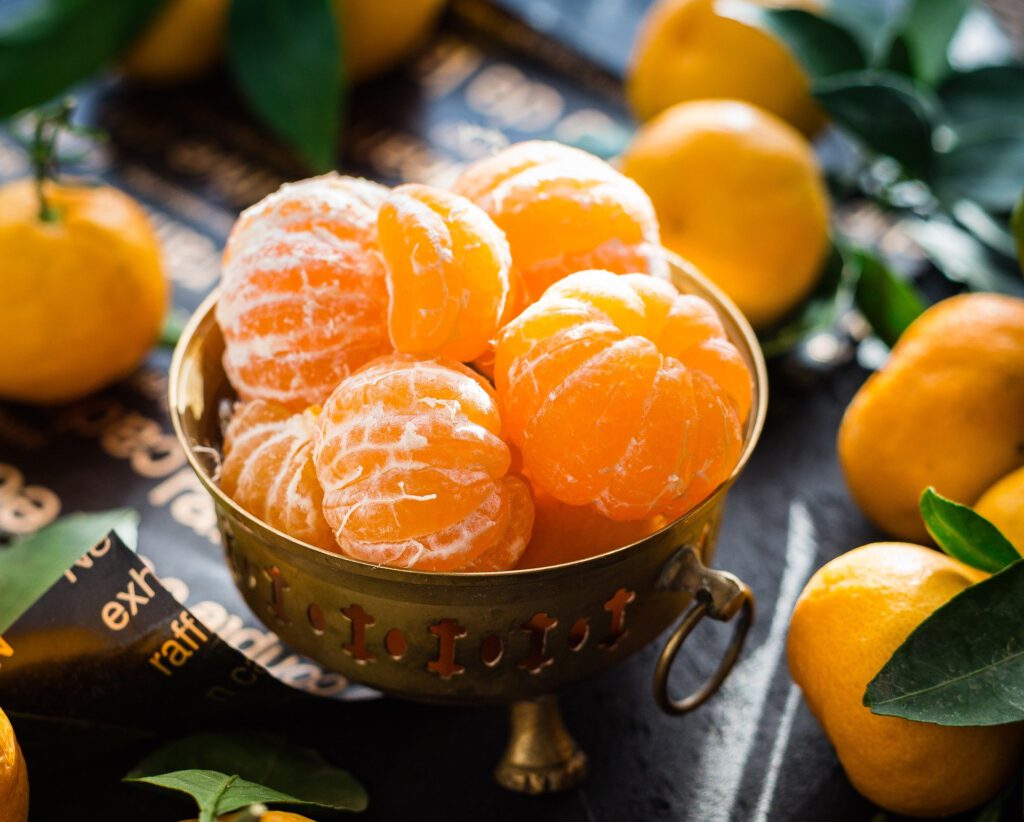
What are mandarin oranges? To the casual observer, they are a fruit. To the financier, they are a sophisticated intersection of global trade, intellectual property, and climate-resilient investing. The mandarin market offers a window into the future of agribusiness, where branding, technology, and strategic geographical positioning define the winners.
As global populations continue to urbanize and demand healthier food options, the “easy-peeler” segment of the citrus market is poised for continued capital inflow. Whether through direct land ownership, the acquisition of proprietary genetic IP, or the trading of seasonal price spreads, the mandarin orange remains one of the most compelling—and profitable—narratives in the modern commodity landscape. For the savvy investor, the goal is clear: peel back the layers of the consumer product to find the robust financial opportunity beneath.
aViewFromTheCave is a participant in the Amazon Services LLC Associates Program, an affiliate advertising program designed to provide a means for sites to earn advertising fees by advertising and linking to Amazon.com. Amazon, the Amazon logo, AmazonSupply, and the AmazonSupply logo are trademarks of Amazon.com, Inc. or its affiliates. As an Amazon Associate we earn affiliate commissions from qualifying purchases.