
In the rapidly evolving landscape of modern computing, where cloud-native applications and nimble microservices dominate the conversation, the mainframe computer remains an enigma to the uninitiated. Often dismissed by casual observers as “relics” of a bygone era, mainframes are, in reality, the silent, high-performance engines that keep the global economy churning. Far from being obsolete, these robust systems have evolved alongside the digital revolution, serving as the bedrock for the most mission-critical operations in finance, healthcare, and government.
The Architecture of Reliability
At its core, a mainframe is a high-performance computer designed for bulk data processing, complex transactions, and massive throughput. Unlike commodity servers or personal workstations, which are built to optimize individual user interaction, mainframes are architected for extreme reliability, availability, and serviceability—a standard industry-wide acronym known as RAS.
The Philosophy of Redundancy
The distinguishing characteristic of a mainframe is its philosophy of non-stop operation. While a standard server cluster might experience downtime for updates or hardware failures, a mainframe is engineered with redundant hardware components across the board. If a processor fails, a redundant one takes over instantly without the operating system even realizing a disruption occurred. Power supplies, cooling systems, and memory channels are all designed for hot-swappable replacement, ensuring that the system can remain active for years, or even decades, without a scheduled reboot.
I/O Throughput: The Mainframe Advantage
Mainframe architecture excels at Input/Output (I/O) operations. While a typical server might struggle when processing millions of simultaneous requests from a global banking network, the mainframe utilizes specialized processors known as Channel Subsystems. These processors offload the heavy lifting of data transfer from the main CPU, allowing the system to manage gargantuan datasets with near-zero latency. This makes them the undisputed kings of batch processing—the process of running large-scale data updates during off-peak hours—which remains the standard for clearing house operations, credit card settlement, and insurance claims processing.
The Evolution of the Mainframe Ecosystem
The mainframe has undergone a radical transformation. What began as room-sized cabinets requiring massive cooling infrastructure in the 1960s has morphed into sleek, energy-efficient modules that fit seamlessly into modern data centers.
From Green Screens to Hybrid Cloud
Today’s mainframes are no longer isolated “black boxes.” Through advanced virtualization technologies like IBM’s z/VM, a single physical mainframe can host thousands of virtual machines, effectively running multiple enterprise-grade operating systems concurrently. These systems are now fully integrated into the hybrid cloud model. Developers can interact with mainframe resources through REST APIs, making it possible to integrate legacy data structures with modern web and mobile frontends. This bridge between traditional COBOL-based business logic and modern programming languages like Java or Python is what allows modern fintech apps to function with such speed and precision.

The Z-Series and Contemporary Modernization
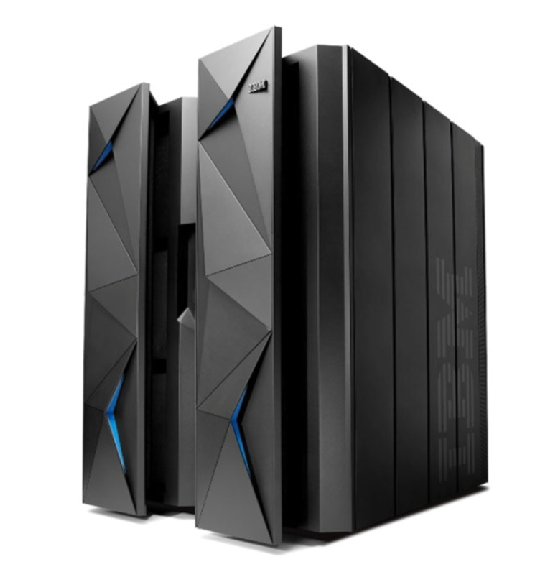
Modern mainframes, such as the IBM z16, represent the cutting edge of digital security. They incorporate hardware-accelerated encryption at a scale impossible to achieve with software-only solutions. By encrypting data at rest and in transit without impacting system performance, the mainframe has become the ultimate vault for personal identifiable information (PII). Furthermore, the integration of AI inferencing directly into the processor chips allows for real-time fraud detection, enabling banks to analyze thousands of transactions per second for anomalies as they occur, rather than after the fact.
Why Mainframes Still Run the World
There is a common misconception that if a technology is old, it should be replaced by something newer and smaller. However, in the world of large-scale enterprise computing, the “mainframe” isn’t a vintage machine; it is a specialized tool that continues to be the most efficient way to solve specific problems.
Economies of Scale and Financial Logic
For a global bank, moving trillions of dollars daily requires a level of transactional integrity—often referred to in computer science as ACID properties (Atomicity, Consistency, Isolation, Durability)—that few distributed systems can guarantee at scale. A mainframe manages these ACID properties natively within its hardware. Replicating this level of reliability across a vast network of distributed cloud servers often leads to “distributed data chaos,” where latency and synchronization errors become insurmountable hurdles. For the world’s largest enterprises, the cost-per-transaction on a mainframe remains lower than on any other platform when operating at massive volumes.
Security in the Era of Cyber Threats
As cyber warfare and data breaches become more sophisticated, the security posture of the mainframe has become its greatest selling point. Because mainframe operating systems (like z/OS) are fundamentally different from Windows or Linux, they are largely immune to the common malware and ransomware vectors that plague general-purpose computers. Furthermore, the hardware-based “secure enclave” technology allows mainframes to isolate sensitive cryptographic keys from the rest of the operating system, ensuring that even if an application is compromised, the crown jewels of the data remain inaccessible.
The Future: Mainframe as a Modern Service
As we look toward the next decade, the role of the mainframe is shifting from a centralized processing hub to an essential node in the decentralized digital infrastructure. The integration of quantum-safe cryptography and the ability to process AI-driven workloads suggests that these machines are not just surviving; they are leading the charge into the next wave of computing.
Bridging the Skills Gap
One of the most significant challenges for the mainframe is the aging demographic of the workforce that understands its unique assembly languages and low-level architecture. However, the ecosystem is responding. Through modern development tooling, IDE integration, and open-source initiatives, the barrier to entry for younger developers is rapidly dissolving. Today, a developer can use VS Code to interact with mainframe datasets, effectively abstracting the complexity of the underlying hardware while maintaining the system’s inherent power.

Conclusion: A Foundation of Stability
Mainframe computers are the silent workhorses of our civilization. They are the reason you can swipe a credit card across the globe and have the transaction approved in milliseconds. They are the reason your insurance record, your pension fund, and your government identity records remain consistent and secure. As technology trends continue to shift toward AI, edge computing, and real-time data analysis, the mainframe stands firm as a reliable foundation. It is a testament to the fact that in the world of high-stakes technology, the most essential tools are not always the most visible—but they are almost certainly the most resilient. The mainframe is not a legacy of the past; it is the infrastructure of the future, constantly updating, constantly securing, and constantly performing, one transaction at a time.
aViewFromTheCave is a participant in the Amazon Services LLC Associates Program, an affiliate advertising program designed to provide a means for sites to earn advertising fees by advertising and linking to Amazon.com. Amazon, the Amazon logo, AmazonSupply, and the AmazonSupply logo are trademarks of Amazon.com, Inc. or its affiliates. As an Amazon Associate we earn affiliate commissions from qualifying purchases.