
The term “Juul” has become a ubiquitous shorthand for a specific type of electronic nicotine delivery system (ENDS) that surged in popularity in the late 2010s. While the brand itself, Juul Labs, is a distinct entity, the question “what are Juuls?” delves into the technological underpinnings, design philosophy, and the broader implications of this particular e-cigarette technology. Understanding Juuls requires looking beyond a simple definition and exploring the innovations that propelled them to market dominance, the engineering behind their effectiveness, and their place within the evolving landscape of consumer electronics and personal vaping devices.
The Core Technology: A Shift in Nicotine Delivery
At its heart, a Juul device is a sophisticated piece of personal electronic hardware designed to vaporize a liquid containing nicotine, propylene glycol, vegetable glycerin, and flavorings. Unlike earlier generations of e-cigarettes that often struggled with inconsistent vapor production, flavor delivery, and user experience, Juul introduced several key technological advancements that set it apart and contributed to its rapid adoption.

Nicotine Salts: The Game Changer
Perhaps the most significant technological innovation Juul brought to the forefront was the widespread adoption and effective implementation of nicotine salts. Traditional freebase nicotine, commonly used in e-liquids for other vaping devices, has a higher pH level, which can lead to a harsh throat hit, making it less appealing for users transitioning from traditional cigarettes. Nicotine salts, on the other hand, are a naturally occurring form of nicotine found in tobacco leaves. When formulated into e-liquids, they are combined with an acid (such as benzoic acid) to lower the pH. This process results in a smoother inhalation experience, even at higher nicotine concentrations.
The ability to deliver high concentrations of nicotine smoothly was a critical factor in Juul’s success. It allowed the device to mimic the nicotine delivery rate of traditional cigarettes more effectively, making it a compelling alternative for adult smokers seeking to quit or reduce their cigarette consumption. This technological breakthrough in nicotine formulation directly translated into a more satisfying and thus more habit-forming product, a dual-edged sword that would later become a focal point of public health debates.
Heating Element and Pod System: Precision and Simplicity
Juul’s design also capitalized on advancements in heating element technology and introduced a proprietary pod system. The heating coil within the Juul device is typically made of nichrome wire, carefully engineered to heat the e-liquid evenly and efficiently. This precision in heating is crucial for optimal vapor production and flavor. Too low a temperature, and the vapor is weak and unsatisfying; too high, and it can lead to burnt flavors and potentially harmful byproducts. Juul’s engineering aimed for a sweet spot, delivering a consistent and flavorful vapor with each puff.
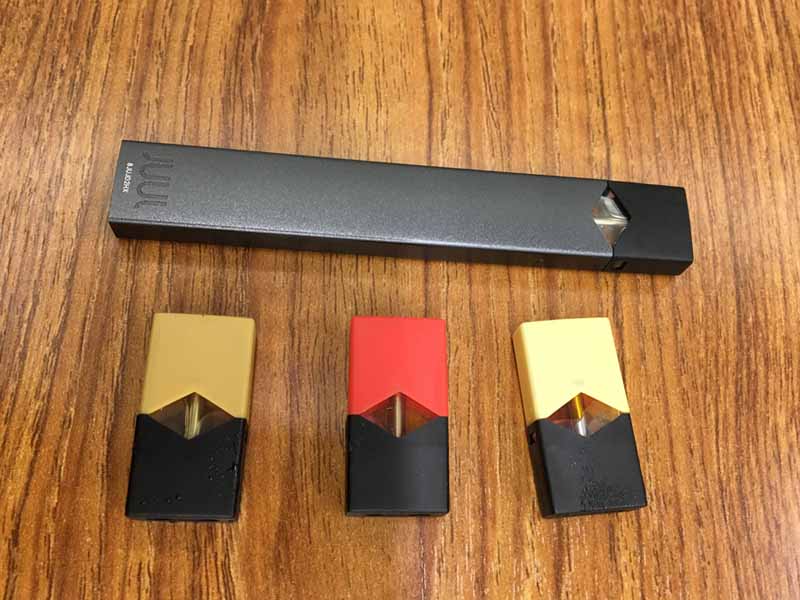
The “pod” is the disposable cartridge that holds the e-liquid and is easily attached to the battery unit. This closed-loop system was a stroke of user-friendly design. It eliminated the mess and complexity associated with refilling older e-cigarette tanks, making the device incredibly simple to use. Users simply pop in a new pod when the current one is depleted. This plug-and-play approach lowered the barrier to entry for new users, contributing significantly to its mass appeal, particularly among younger demographics who may not have been prior smokers. The pod system also allowed for pre-filled, sealed cartridges, ensuring consistent flavor and nicotine levels and simplifying the overall user experience.
Battery Technology and Charging: A Seamless Integration
Juul devices are powered by rechargeable lithium-ion batteries. The battery size and power output are carefully calibrated to provide a full day’s use for a typical user on a single charge. This was a significant improvement over earlier e-cigarettes that often required frequent recharging. Furthermore, Juul integrated a magnetic charging system, a hallmark of many modern portable electronic devices. The device snaps onto a USB charging dock, simplifying the charging process and reducing the risk of damaged charging ports. This attention to detail in the charging mechanism further underscored Juul’s commitment to a seamless user experience, positioning it not just as a smoking cessation tool, but as a sleek and convenient personal gadget.
Design and User Experience: The “Smartphone of E-Cigarettes”
Juul’s success was not solely attributed to its internal technology; its external design and the overall user experience it offered were equally critical. The company deliberately positioned Juul as a lifestyle product, eschewing the bulky, often “techy” appearance of many earlier e-cigarettes in favor of a minimalist, sleek, and discreet aesthetic.
Minimalist Aesthetics and Portability

The Juul device itself is small, rectangular, and resembles a USB flash drive. This design choice was intentional. It made the device incredibly portable and, crucially, discreet. Unlike larger vape pens or mods that could be conspicuous, the Juul could be easily concealed in a pocket or hand, allowing users to vape with a degree of subtlety. The smooth, matte finish and limited color options (often black or silver) contributed to a sophisticated and modern appearance. This was a departure from the often loud and complex designs of previous e-cigarettes, making Juul appealing to a broader demographic.
Ease of Use: “Just Click and Puff”
The aforementioned pod system played a pivotal role in Juul’s ease of use. The “just click and puff” operational model meant that users didn’t need to understand complex settings, airflow adjustments, or coil resistances. The device was designed to work intuitively, with no buttons to press or settings to configure. This simplicity was a major draw, especially for individuals looking for a straightforward alternative to smoking. The automatic draw activation meant that the device would produce vapor as soon as the user inhaled through the mouthpiece, further mimicking the familiar action of smoking a cigarette.
The Flavor Factor: A Double-Edged Sword
Juul’s initial success was also heavily reliant on its wide array of appealing flavors. While not strictly a technological component, the formulation and delivery of these flavors were intrinsically linked to the device’s engineering. Flavors like Mango, Mint, and Creme Brulee were highly popular and are believed to have attracted a significant number of young people who may not have otherwise tried nicotine products. The efficient vaporization of these flavors, enabled by the salt nicotine technology and precise heating, created a sensory experience that was far more palatable and enjoyable than the often harsh or chemical-tasting e-liquids found in earlier devices. This focus on flavor, however, became a major point of contention and regulatory scrutiny, as it was seen as a deliberate strategy to appeal to underage users.
The Broader Technological Context: ENDS Evolution and Innovation
The emergence of Juul cannot be understood in isolation. It represents a significant evolutionary step within the broader category of Electronic Nicotine Delivery Systems (ENDS). Understanding “what are Juuls” also means contextualizing them within the trajectory of vaping technology.
From E-Cigarettes to Pod Systems: A Generational Leap
Early e-cigarettes, often referred to as “cigalikes,” were designed to closely resemble traditional cigarettes in shape and size. While they offered a nicotine delivery mechanism, they often suffered from poor battery life, weak vapor production, and inconsistent performance. The subsequent generation of vaping devices, including vape pens and larger mods, offered more power, greater customization, and larger liquid capacities. However, they were often more complex to operate and less discreet.
Juul effectively bridged the gap between these generations by miniaturizing advanced technology into a simple, user-friendly, and aesthetically pleasing package. They took the core concept of vaporizing nicotine and refined it with innovations in nicotine formulation, heating technology, and user interface design. This made ENDS more accessible, appealing, and effective for a wider audience, including adult smokers seeking a less harmful alternative.
The Role of Integrated Circuits and Firmware
While not overtly advertised, Juul devices, like most modern electronic gadgets, incorporate integrated circuits (ICs) and firmware. These components manage the battery, regulate temperature, and ensure consistent power delivery. The firmware is the software that controls the device’s operations, dictating how the battery charges, how the heating element is activated, and how power is distributed to ensure a smooth and consistent puff. While users don’t interact with this software directly, its sophisticated design is crucial for the reliable and user-friendly performance of the device. This level of embedded technology is what allows for the precise and controlled vaporization that Juul perfected.
The Supply Chain and Manufacturing: A Tech Industry Parallel
The production of Juul devices also draws parallels with the broader consumer electronics industry. The manufacturing process involves sourcing components from various suppliers, precision assembly, and rigorous quality control. This globalized supply chain, the use of specialized manufacturing techniques, and the emphasis on product reliability are all hallmarks of the tech sector. Juul’s rapid rise and mass production were enabled by leveraging established practices within the electronics manufacturing ecosystem.
In conclusion, “what are Juuls” is a question that delves into a confluence of technological advancements in nicotine formulation, heating elements, battery management, and user-centric design. It represents a pivotal moment in the evolution of personal vaping devices, where sophisticated engineering was miniaturized and packaged into a sleek, easy-to-use gadget that profoundly impacted the market and sparked significant public discourse. Understanding Juuls necessitates an appreciation for the underlying technology that made them so effective and so popular.
aViewFromTheCave is a participant in the Amazon Services LLC Associates Program, an affiliate advertising program designed to provide a means for sites to earn advertising fees by advertising and linking to Amazon.com. Amazon, the Amazon logo, AmazonSupply, and the AmazonSupply logo are trademarks of Amazon.com, Inc. or its affiliates. As an Amazon Associate we earn affiliate commissions from qualifying purchases.