
For most individuals, purchasing a home represents the single largest financial commitment of their lives. Central to this monumental decision is understanding the mortgage – a long-term loan used to finance the property. And at the heart of every mortgage lies the interest rate. Far more than just a number, the interest rate dictates a substantial portion of your monthly housing payment, influences the total cost of your home over decades, and can significantly impact your financial well-being. This article delves into the intricacies of mortgage interest rates, demystifying their calculation, exploring the factors that drive them, and offering insights into how prospective and current homeowners can navigate this critical aspect of personal finance.

The Fundamentals of Mortgage Interest Rates
To grasp the full impact of mortgage interest rates, it’s essential to first define what they are and how they functionally operate within the context of a home loan. This foundational understanding is the bedrock for informed financial decisions.
Defining Interest Rates in the Mortgage Context
At its simplest, an interest rate is the cost of borrowing money, expressed as a percentage of the principal loan amount. For a mortgage, it is the charge a lender imposes on you for the privilege of using their capital to buy a house. This percentage is applied to the outstanding balance of your loan, typically on a monthly basis, to determine the interest portion of your payment. It represents the lender’s profit and compensation for the risk they undertake by lending you a substantial sum over an extended period, often 15 to 30 years. Without interest, there would be no incentive for financial institutions to offer mortgage loans, as there would be no return on their investment.
How Interest Rates Impact Your Monthly Payments
The interest rate is arguably the most significant determinant of your monthly mortgage payment. When you make a mortgage payment, a portion goes towards reducing the principal (the actual amount borrowed), and another portion covers the accrued interest. In the early years of a typical amortizing mortgage, a larger share of your payment goes towards interest, while a smaller part reduces the principal. As the loan matures, this ratio gradually shifts, with more of your payment attacking the principal balance. Even a seemingly small difference in an interest rate – say, from 6.0% to 6.5% – can translate into thousands of dollars over the lifetime of a 30-year loan, significantly altering the affordability and overall cost of homeownership. This is why careful attention to the interest rate is paramount.
The Core Components of an Interest Rate
While the quoted interest rate appears as a single figure, it’s a composite of several underlying factors. Primarily, it includes the lender’s baseline cost of funds, which is the rate at which they can borrow money themselves (often from the Federal Reserve or the interbank market). Added to this is a margin that covers the lender’s operational costs, administrative expenses, and desired profit. Finally, a risk premium is incorporated, reflecting the perceived risk associated with lending to a particular borrower. A borrower with an excellent credit score, a substantial down payment, and a stable income history typically presents lower risk, thus qualifying for a more favorable (lower) interest rate. Conversely, higher-risk borrowers will face higher rates to compensate the lender for the increased likelihood of default.
Factors Influencing Mortgage Interest Rates
Mortgage interest rates are not static; they are dynamic and influenced by a complex interplay of macroeconomic forces, financial market conditions, and individual borrower characteristics. Understanding these drivers provides a clearer picture of why rates fluctuate and what you can expect.
Economic Indicators and Central Bank Policy
Broad economic conditions play a pivotal role. Key indicators such as inflation, employment rates, and Gross Domestic Product (GDP) growth signal the overall health and direction of the economy. A strong economy with rising inflation often prompts central banks, like the Federal Reserve in the U.S., to raise their benchmark interest rates. This makes borrowing more expensive for commercial banks, a cost that is then passed on to consumers in the form of higher mortgage rates. Conversely, during periods of economic slowdown or recession, central banks may lower rates to stimulate borrowing and investment. The Federal Reserve’s target for the federal funds rate directly influences short-term interest rates and indirectly impacts long-term mortgage rates.
The Bond Market and Treasury Yields
Long-term mortgage rates are closely correlated with the yields on U.S. Treasury bonds, particularly the 10-year Treasury note. These bonds are considered a safe investment, and their yields act as a benchmark for other long-term debt. When demand for Treasury bonds is high, yields tend to fall, often pulling mortgage rates down with them. Conversely, when investors sell off bonds, yields rise, pushing mortgage rates higher. Economic outlook, global events, and investor sentiment all contribute to the volatility of bond yields, making them a crucial barometer for mortgage rate trends.
Lender-Specific Factors
Beyond macroeconomics, individual lenders also contribute to the final interest rate offered. Each bank or mortgage company has its own operational costs, profit targets, and risk appetite. They also factor in the cost of attracting deposits and capital. Differences in these internal economics can lead to variations in the rates offered by different lenders, even on the same day for the same borrower profile. This underscores the importance of shopping around and comparing offers from multiple institutions.
Borrower-Specific Factors
Crucially, your individual financial profile directly impacts the interest rate you’ll be offered. Lenders assess your creditworthiness to determine the risk of default.
- Credit Score: A higher credit score (typically above 740) indicates a strong history of responsible borrowing and repayment, qualifying you for the most competitive rates. Lower scores signal higher risk and result in higher rates.
- Down Payment: A larger down payment reduces the loan-to-value (LTV) ratio, meaning the lender is taking on less risk. This can lead to a lower interest rate. A smaller down payment (e.g., less than 20%) may also require private mortgage insurance (PMI), adding to your monthly costs.
- Debt-to-Income (DTI) Ratio: This ratio compares your total monthly debt payments to your gross monthly income. A lower DTI indicates you have more disposable income to cover your mortgage payments, making you a less risky borrower.
- Loan Type and Term: A 30-year fixed-rate mortgage typically carries a higher interest rate than a 15-year fixed-rate mortgage, as the lender’s money is tied up for a longer period and faces greater inflation risk. Adjustable-rate mortgages (ARMs) often start with lower rates but carry future rate uncertainty.
Types of Mortgage Interest Rates
When seeking a mortgage, you’ll encounter different interest rate structures, each with its own advantages and risks. The choice between them depends heavily on your financial goals, risk tolerance, and expectations for future economic conditions.
Fixed-Rate Mortgages: Stability and Predictability
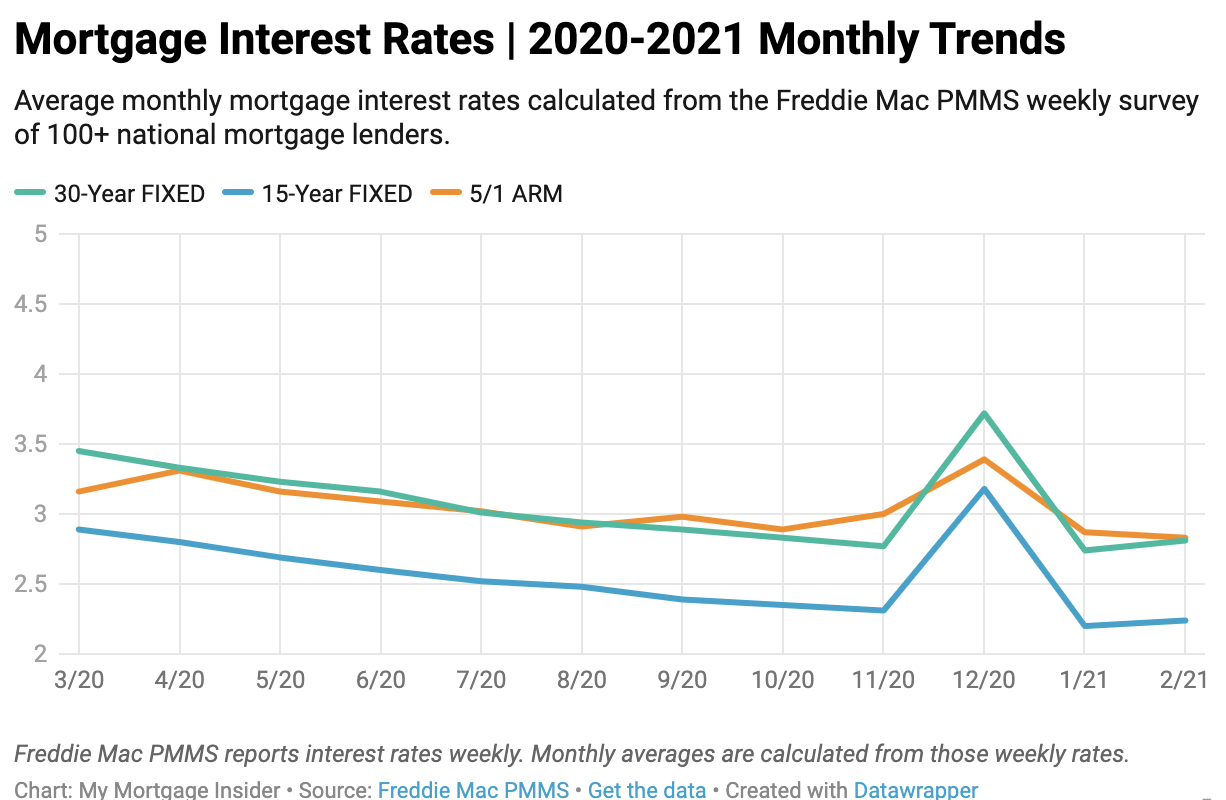
A fixed-rate mortgage is characterized by an interest rate that remains constant throughout the entire life of the loan. This means your principal and interest payment will never change, offering unparalleled stability and predictability in your monthly housing expenses. The most common terms are 15-year and 30-year fixed-rate mortgages.
- Advantages: Budgeting is straightforward, as your payment is predictable regardless of market fluctuations. Protection against rising interest rates.
- Disadvantages: Typically start with a slightly higher interest rate than initial ARM rates. You won’t benefit if market rates fall unless you refinance.
Fixed-rate mortgages are ideal for homeowners who prioritize stability and want to lock in their housing costs for the long term, especially in an environment where interest rates are expected to rise.
Adjustable-Rate Mortgages (ARMs): Flexibility with Risk
Adjustable-rate mortgages, or ARMs, feature an interest rate that can change periodically over the life of the loan. ARMs typically begin with an initial fixed-rate period (e.g., 3, 5, 7, or 10 years), after which the rate adjusts at regular intervals (e.g., annually) based on a specified market index plus a fixed margin.
- Advantages: Often start with lower interest rates than fixed-rate mortgages, making homeownership more accessible in the short term. You could benefit if market rates fall.
- Disadvantages: Payments can increase significantly when the rate adjusts, creating budgeting uncertainty. Risk of higher payments if rates rise substantially. ARMs come with caps (periodic and lifetime) that limit how much the rate can change, but even within those caps, increases can be substantial.
ARMs are often suitable for borrowers who plan to sell or refinance before the fixed-rate period ends, or those who anticipate their income will rise significantly in the future, allowing them to absorb potential payment increases.
Hybrid ARMs and Other Variations
Beyond the pure fixed and adjustable rates, there are hybrid ARMs, such as 5/1 ARMs or 7/1 ARMs. In a 5/1 ARM, for example, the interest rate is fixed for the first five years, and then adjusts annually for the remainder of the loan term. There are also specialized loans like FHA loans and VA loans, which are government-backed mortgages often offering more flexible qualification criteria and sometimes more favorable interest rates or terms, especially for first-time buyers or veterans. While their underlying rate structure might be fixed or adjustable, the government backing influences the risk assessment by lenders, often resulting in competitive offerings.
Navigating and Securing the Best Mortgage Rate
Securing the most favorable mortgage interest rate is a critical step in prudent financial planning for homeownership. It requires proactivity, due diligence, and a clear understanding of your financial standing.
The Importance of Shopping Around and Comparing Lenders
One of the most impactful actions you can take is to solicit quotes from multiple lenders – including traditional banks, credit unions, and online mortgage brokers. Interest rates and associated fees can vary significantly from one institution to another. Many experts recommend getting at least three to five quotes. This process not only allows you to compare the quoted interest rates but also to scrutinize the Annual Percentage Rate (APR), which includes the interest rate plus other loan costs like origination fees, points, and mortgage insurance. Comparing APRs provides a more accurate picture of the total cost of borrowing. Don’t be afraid to use competing offers as leverage to negotiate a better rate or lower fees.
Improving Your Financial Profile
Before applying for a mortgage, take proactive steps to strengthen your financial position.
- Boost Your Credit Score: Pay bills on time, reduce credit card balances, and avoid opening new lines of credit. A higher credit score signals lower risk to lenders, making you eligible for their most competitive rates.
- Increase Your Down Payment: Saving more for a larger down payment reduces the loan-to-value (LTV) ratio, which can result in a lower interest rate and potentially eliminate the need for private mortgage insurance (PMI).
- Lower Your Debt-to-Income (DTI) Ratio: Pay down existing debts, particularly high-interest credit card balances. A lower DTI ratio demonstrates your ability to manage debt and afford monthly mortgage payments.
These efforts can move you into a higher tier of borrower eligibility, unlocking access to lower rates.
Understanding Rate Locks and Closing Costs
When you find a desirable interest rate, lenders typically offer a “rate lock” – an agreement to guarantee that specific rate for a set period (e.g., 30, 45, or 60 days) while your loan application is processed. This protects you from rate increases before closing. However, be aware of any fees associated with rate locks and their duration. Beyond the interest rate, thoroughly review all closing costs. These are fees paid at the close of the real estate transaction and can include appraisal fees, title insurance, legal fees, and loan origination fees. Sometimes, a lender might offer a slightly lower interest rate but charge higher closing costs, or vice-versa. Understanding the trade-offs is crucial for making the most economical choice.
When to Refinance: A Strategic Consideration
For existing homeowners, refinancing offers an opportunity to replace your current mortgage with a new one, potentially securing a lower interest rate. This strategy is often explored when market rates drop significantly below your current rate, or when your financial situation has improved (e.g., higher credit score, increased home equity). A lower interest rate through refinancing can reduce your monthly payments, decrease the total interest paid over the life of the loan, or even allow you to shorten your loan term. However, refinancing involves new closing costs, so it’s essential to calculate the break-even point to ensure the savings outweigh the expenses. It’s a strategic financial move that requires careful analysis and timing.
The Long-Term Impact of Mortgage Interest Rates
The choice of a mortgage and its accompanying interest rate is not merely a short-term transaction; it’s a long-term financial commitment with profound implications for your wealth accumulation, budgeting, and future financial flexibility.
Total Cost of Ownership Over the Loan Term
The interest rate is the single most significant determinant of the total amount you will pay for your home over the full term of the mortgage. Even a percentage point difference in the interest rate on a 30-year, $300,000 loan can translate into tens of thousands of dollars in additional interest paid over three decades. This highlights why securing the lowest possible rate, commensurate with your financial profile, is paramount. Understanding the amortization schedule – how your principal and interest payments change over time – provides a clear picture of this long-term financial commitment and empowers you to make informed decisions about prepayments or refinancing.
Building Equity and Wealth Accumulation
Your mortgage interest rate also indirectly affects the speed at which you build equity in your home. Equity is the portion of your home that you own outright, calculated as your home’s current market value minus your outstanding mortgage balance. With a lower interest rate, more of your early monthly payments go towards reducing the principal, accelerating equity growth. This equity can be a crucial component of your personal wealth, serving as a potential source of funds (via home equity loans or lines of credit) or a significant asset upon sale. Prudent management of your mortgage, including securing a favorable interest rate, is therefore a fundamental strategy for wealth accumulation.
Market Fluctuations and Future Homeownership Decisions
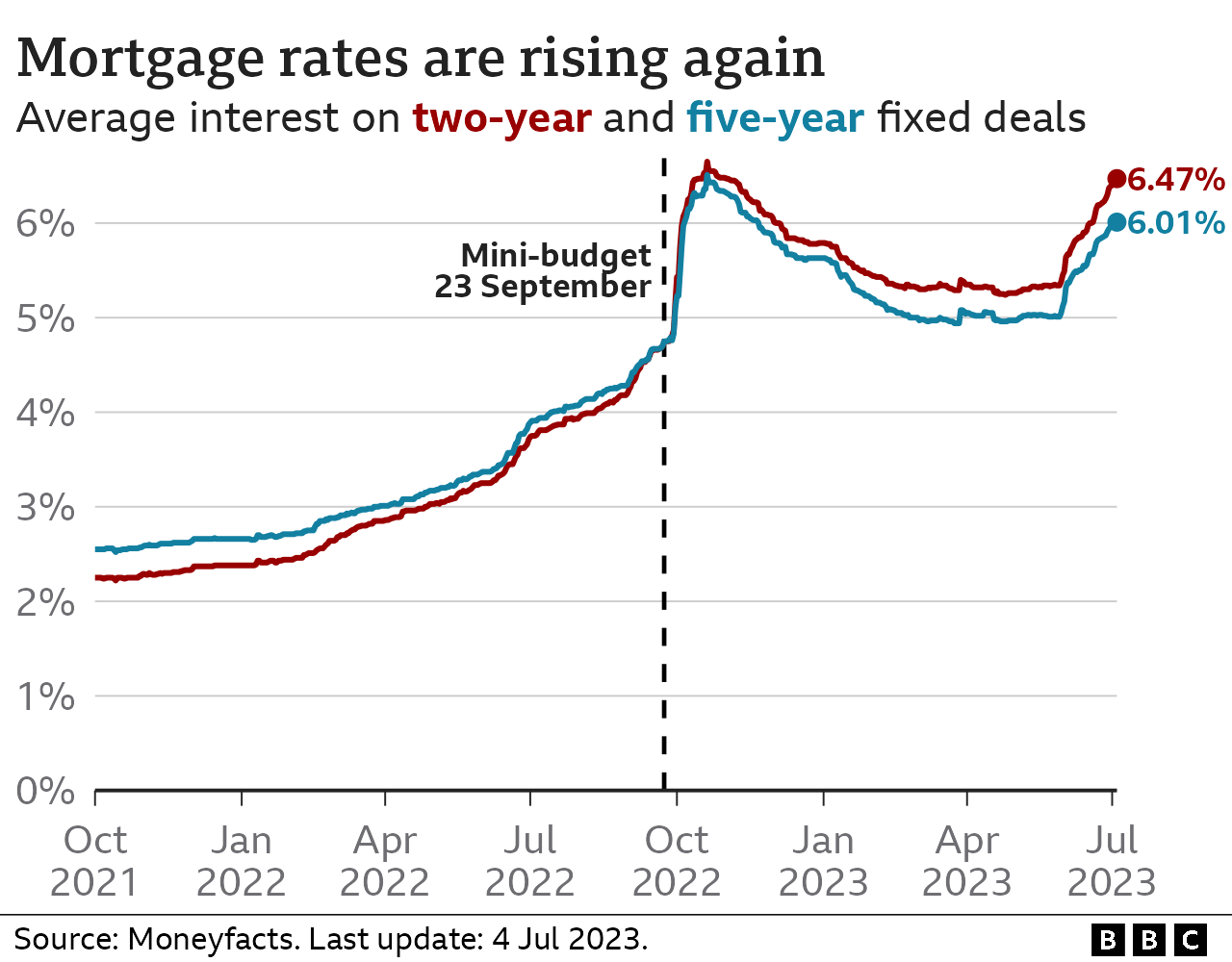
Living with a mortgage means living with the awareness of broader financial market fluctuations. Whether you have a fixed-rate or adjustable-rate mortgage, changes in the economic landscape can influence your future decisions. For fixed-rate holders, significant drops in market rates might trigger a refinancing opportunity. For ARM holders, rising rates necessitate careful budgeting and potential strategies to mitigate payment shocks. Keeping an eye on economic forecasts, inflation trends, and central bank policy is not just for investors; it’s also a smart practice for homeowners looking to protect their investment and optimize their long-term financial health. The understanding of interest rates is not a one-time task but an ongoing financial literacy journey crucial for successful homeownership.
aViewFromTheCave is a participant in the Amazon Services LLC Associates Program, an affiliate advertising program designed to provide a means for sites to earn advertising fees by advertising and linking to Amazon.com. Amazon, the Amazon logo, AmazonSupply, and the AmazonSupply logo are trademarks of Amazon.com, Inc. or its affiliates. As an Amazon Associate we earn affiliate commissions from qualifying purchases.