
In the vast and ever-evolving digital landscape, a brand’s ability to connect with its target audience is paramount. At the heart of this connection, orchestrating visibility and guiding consumers to your offerings, lies a fundamental concept: Google keywords. More than just a string of words, keywords are the linguistic bridges that link user queries to relevant online content. For any brand aiming to establish or enhance its online presence, understanding and strategically utilizing Google keywords is not merely an option, but an absolute imperative for effective marketing, brand building, and sustainable growth.
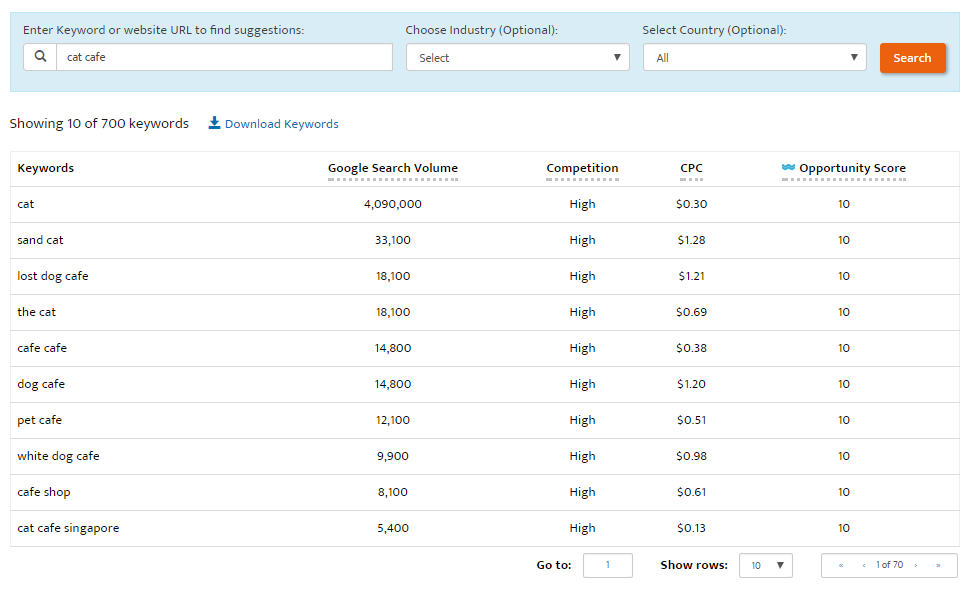
Google keywords are the terms or phrases that people type into the Google search bar when they are looking for information, products, services, or solutions. For brands, these keywords represent the precious signals of consumer intent. By identifying and aligning with these signals, businesses can ensure their content, products, and services appear precisely when and where their potential customers are looking. This intricate dance between user intent and brand visibility forms the bedrock of modern digital marketing and directly influences a brand’s reach, reputation, and revenue potential. Without a clear keyword strategy, even the most innovative brands risk becoming invisible in a crowded online world.
The Core Concept: Decoding Google Keywords
To truly harness the power of Google keywords for brand strategy, one must first grasp their multifaceted nature. They are not static terms but dynamic indicators of consumer psychology and market demand.
More Than Just Words: Intent and Context
At their essence, Google keywords are about intent. When a user types “best waterproof hiking boots” into Google, they aren’t just typing words; they’re expressing a desire to find information, compare products, or make a purchase. For a brand, understanding this underlying intent is crucial. Is the user seeking information (e.g., “how to choose hiking boots”)? Are they comparing options (e.g., “hiking boots brand A vs. brand B”)? Or are they ready to buy (e.g., “buy Salomon hiking boots size 10”)?
The context in which a keyword is used is equally vital. The same word can have different meanings based on the surrounding terms or the user’s location. “Apple” could refer to a fruit, a technology company, or a type of pie. Brands must delve deep into the contextual relevance of keywords to ensure they are attracting the right kind of traffic—visitors who are genuinely interested in what the brand offers. Misinterpreting intent or context can lead to wasted marketing efforts and dilute brand messaging.
Types of Keywords: Navigating Search Intent
Keywords can be broadly categorized in several ways, each offering unique opportunities for brand visibility and engagement. Understanding these types allows brands to craft a comprehensive and targeted content strategy.
Short-tail vs. Long-tail Keywords
- Short-tail (Head) Keywords: These are broad, often one-to-two-word phrases like “shoes,” “marketing,” or “coffee.” They attract high search volume but are also highly competitive and less specific regarding user intent. While important for broad brand awareness, optimizing solely for short-tail keywords can be challenging and less effective for direct conversions.
- Long-tail Keywords: These are longer, more specific phrases, typically three or more words, such as “waterproof hiking boots for women” or “organic coffee beans for espresso machines.” While individual long-tail keywords have lower search volume, collectively they account for a significant portion of search traffic. Crucially, they indicate higher user intent, lower competition, and lead to better conversion rates, making them incredibly valuable for brands seeking targeted engagement. For niche brands or highly specific product lines, long-tail keywords are often the cornerstone of their digital marketing strategy.
Navigational, Informational, Transactional, and Commercial Investigation Keywords
- Navigational Keywords: Users employ these to find a specific website or brand (e.g., “Nike official website,” “Starbucks near me”). Brands must ensure their primary name and related terms are well-optimized to help users directly find their digital presence.
- Informational Keywords: These are used when users are seeking information or answers to questions (e.g., “how to brew pour-over coffee,” “benefits of content marketing”). Brands can leverage these by creating valuable, educational content like blog posts, guides, and FAQs, positioning themselves as authoritative thought leaders and building trust and credibility. This is essential for early-stage brand awareness and nurturing leads.
- Transactional Keywords: These indicate a clear intent to purchase or convert (e.g., “buy men’s running shoes,” “subscribe to marketing newsletter”). Brands must optimize product pages, service pages, and calls-to-action for these keywords to capture users ready to make a commitment.
- Commercial Investigation Keywords: Users employ these when they are researching a product or service before making a purchase (e.g., “best budget smartphones,” “CRM software reviews”). Brands can target these with comparison guides, reviews, and detailed product specifications, influencing purchasing decisions and differentiating their offerings from competitors.
Why Keywords Are Indispensable for Your Brand’s Online Presence
Keywords are not just a technicality; they are the strategic linchpin connecting a brand’s offerings with its prospective customers. Their role extends across the entire digital marketing spectrum, from organic visibility to paid advertising.
Enhancing Organic Visibility through SEO
Search Engine Optimization (SEO) is the art and science of improving a website’s visibility in search engine results pages (SERPs) without paid ads. Keywords are the backbone of effective SEO, fundamentally shaping how a brand is discovered organically.
Attracting the Right Audience
By carefully selecting and integrating relevant keywords into website content, blog posts, product descriptions, and metadata, brands signal to Google what their pages are about. When Google’s algorithms understand this context, they can present the brand’s content to users who are actively searching for those specific topics, products, or services. This ensures that the traffic driven to the brand’s website isn’t just volume, but quality traffic – visitors who are genuinely interested and more likely to engage, convert, and ultimately become loyal customers. This precision targeting is crucial for maximizing marketing ROI and building a relevant audience.
Building Authority and Trust
Consistent optimization around a set of relevant and high-quality keywords helps Google perceive a brand as an authority within its niche. When a brand consistently provides valuable content that ranks well for specific keywords, it demonstrates expertise and trustworthiness. Over time, this builds digital authority, which in turn reinforces the brand’s credibility in the eyes of both search engines and consumers. A brand that consistently appears on the first page of Google for relevant searches is seen as a leader and a reliable source, fostering consumer trust and loyalty.
Powering Targeted Advertising with Google Ads
Beyond organic reach, keywords are equally critical for paid advertising campaigns, primarily through platforms like Google Ads.

Precision Targeting and ROI
In Google Ads, brands bid on keywords, and their ads are displayed when users search for those terms. This allows for incredibly precise targeting, ensuring that marketing spend is directed towards an audience already expressing interest. By selecting high-intent keywords, brands can achieve higher click-through rates (CTRs) and conversion rates, leading to a better return on investment (ROI) for their advertising budget. This direct link between search intent and ad display makes Google Ads a powerful tool for immediate brand visibility and lead generation, especially for new product launches or promotional campaigns.
Competitor Analysis
Keyword research for paid campaigns also offers invaluable insights into competitor strategies. By analyzing which keywords competitors are bidding on, their ad copy, and their landing pages, brands can identify opportunities to differentiate, refine their messaging, or even target underserved segments. This competitive intelligence allows for agile adjustments to brand positioning and advertising efforts, ensuring a competitive edge in the marketplace.
The Strategic Role of Keyword Research in Brand Building
Keyword research is not just an initial setup task; it’s an ongoing, strategic process that underpins the entire digital brand building effort. It’s the compass that guides content creation, informs product development, and shapes market messaging.
Understanding Your Audience and Market
Effective keyword research provides a window into the mind of your target audience. It reveals their language, their pain points, their desires, and the questions they’re asking. This deep understanding goes beyond mere demographics, offering psychological insights into consumer behavior. For brands, this means creating content and products that truly resonate, addressing specific needs and aspirations rather than making assumptions. It also helps identify emerging trends and shifts in consumer interest, allowing brands to stay relevant and ahead of the curve.
Identifying Branding Opportunities
Keyword analysis can uncover unique opportunities for brand positioning and differentiation. By identifying niche keywords with moderate search volume but low competition, brands can carve out specific areas of expertise, establishing themselves as go-to authorities in particular sub-segments. This is particularly valuable for new or challenger brands looking to make an impact against established giants. Furthermore, insights from keywords can inform naming conventions, product feature development, and even core brand messaging, ensuring that the brand’s voice and offerings align with what the market is actively seeking.
Measuring and Adapting Your Strategy
The digital landscape is constantly changing. New keywords emerge, search volumes shift, and competitor strategies evolve. Continuous keyword research and performance monitoring are essential for brand agility. By tracking keyword rankings, organic traffic, conversion rates, and paid campaign performance, brands can measure the effectiveness of their strategies, identify underperforming keywords, and discover new opportunities. This data-driven approach allows for ongoing refinement of content, advertising, and overall brand messaging, ensuring that the brand remains visible, relevant, and impactful.
Implementing Keywords for Maximum Brand Impact
Translating keyword insights into actionable strategies is where the true brand impact is realized. It involves a holistic approach to content creation and digital asset management.
Integrating Keywords Across Your Digital Assets
Keywords should be thoughtfully integrated across every touchpoint of a brand’s online presence, not just stuffed into text.
Website Content, Blog Posts, Product Descriptions
The core of a brand’s digital presence—its website and blog—should be rich with strategically placed keywords. This includes incorporating them naturally into body text, headings (H1, H2, H3), and image alt text. For e-commerce brands, detailed product descriptions optimized with relevant long-tail and transactional keywords are crucial for driving sales. The goal is to provide valuable, well-written content that seamlessly incorporates keywords, satisfying both search engine algorithms and human readers.
Meta Descriptions, Page Titles
These often-overlooked elements are critical. The page title (the clickable headline in search results) and meta description (the brief summary beneath it) are a brand’s first impression on the SERP. They should be crafted to include primary keywords and compelling copy that encourages clicks, accurately reflecting the page’s content and the brand’s value proposition. An optimized title and meta description not only improve click-through rates but also reinforce brand messaging even before a user visits the site.
Monitoring Performance and Staying Agile
The work doesn’t stop once keywords are implemented. The digital world is dynamic, and a brand’s keyword strategy must be equally agile. Regular monitoring of keyword rankings, traffic sources, conversion paths, and competitor activities is non-negotiable. Tools like Google Analytics, Google Search Console, and various third-party SEO platforms provide invaluable data to track performance. By continuously analyzing this data, brands can identify shifts in consumer behavior, discover new keyword opportunities, or pinpoint areas where their current strategy is falling short. This iterative process of implementation, measurement, and adaptation ensures that a brand’s digital visibility remains robust and aligned with its overarching marketing and business objectives.
Conclusion
In the hyper-connected digital age, understanding “what are Google keywords” is more than just learning a definition; it’s about grasping a fundamental lever for brand success. Keywords are the strategic compass guiding users to your brand, the language that connects your offerings with consumer intent, and the foundation upon which effective digital marketing strategies are built. From enhancing organic search visibility and building authoritative brand presence through SEO to powering targeted advertising campaigns that deliver measurable ROI, keywords are indispensable. By committing to comprehensive keyword research, strategic implementation, and continuous adaptation, brands can unlock unparalleled opportunities for discovery, engagement, and sustainable growth, cementing their place in the minds and screens of their target audience. Embrace the power of keywords, and watch your brand thrive in the digital ecosystem.
aViewFromTheCave is a participant in the Amazon Services LLC Associates Program, an affiliate advertising program designed to provide a means for sites to earn advertising fees by advertising and linking to Amazon.com. Amazon, the Amazon logo, AmazonSupply, and the AmazonSupply logo are trademarks of Amazon.com, Inc. or its affiliates. As an Amazon Associate we earn affiliate commissions from qualifying purchases.