
Choosing a car insurance provider is one of the most significant recurring financial decisions a vehicle owner will make. While many consumers view auto insurance as a mere legal formality, savvy financial planners recognize it as a critical pillar of risk management. The right policy does more than satisfy state requirements; it preserves your net worth, protects your liquid assets in the event of a catastrophic accident, and ensures that a single moment of misfortune does not result in a long-term financial setback.
In the current economic climate, characterized by rising repair costs and fluctuating premiums, identifying “good” car insurance companies requires a deep dive into financial stability, claim satisfaction rates, and overall value. This guide explores the top-tier providers in the market through the lens of personal finance, helping you determine which institution deserves your hard-earned premiums.
Understanding the Economic Value of Quality Car Insurance
Before listing specific companies, it is vital to understand the financial metrics that define a “good” insurer. Not all policies are created equal, and the cheapest monthly premium can often lead to the most expensive out-of-pocket experience during a claim.
Premiums vs. Out-of-Pocket Risk
The relationship between your monthly premium and your potential out-of-pocket risk is the foundation of insurance math. A “good” company offers a balanced ratio. If a provider offers a bottom-dollar premium but has a reputation for denying claims or providing low-ball settlements, they are effectively increasing your financial liability. When evaluating companies, look for those that provide “transparent pricing”—where the coverage limits are clearly defined against the cost. Financial experts often suggest that the best value is found in companies that maintain stable rates over time rather than those that offer a low introductory rate followed by aggressive annual increases.
The Role of Financial Strength Ratings
When you pay an insurance premium, you are essentially purchasing a promise of future payment. To ensure that a company can fulfill that promise, even during a large-scale disaster, you must look at their financial strength ratings. Agencies like AM Best and Standard & Poor’s (S&P) grade insurance companies on their ability to pay claims. A company with an “A” rating or higher is financially robust, meaning they have the liquidity to settle massive volumes of claims simultaneously. For a consumer, choosing a company with high financial marks is a fundamental step in securing their personal balance sheet.
Top-Tier Providers: A Financial Breakdown of Industry Leaders
Several companies consistently rise to the top of consumer reports and financial audits. While the “best” company often depends on your specific demographic and driving history, the following providers are recognized for their reliability and fiscal integrity.
GEICO: Excellence in Cost-Efficiency
Owned by Berkshire Hathaway, GEICO is a powerhouse in the world of personal finance. Their business model focuses on direct-to-consumer sales, which allows them to keep overhead low and pass those savings onto the policyholder. From a money-saving perspective, GEICO is often the benchmark for affordability. They are particularly favorable for drivers with clean records who prioritize a low monthly expense. Their financial backing from Warren Buffett’s conglomerate provides an unparalleled level of security, ensuring that the company can weather any economic storm.
State Farm: Personalized Asset Management
As the largest auto insurer in the United States, State Farm operates on a different model than the online-first giants. State Farm utilizes a vast network of local agents. From a financial planning standpoint, having a dedicated agent can be a significant asset. These professionals can help you audit your coverage to ensure you aren’t over-insured in areas you don’t need, or under-insured in areas that could expose your personal wealth. State Farm is frequently cited for its high claim satisfaction, which is a critical metric for protecting your investment in your vehicle.
Progressive: Innovation in Risk Pricing
Progressive is a leader in using data to personalize financial risk. They were pioneers in telematics—using a plug-in device or mobile app to track driving habits. For the financially conscious driver, this offers a unique opportunity: the ability to pay premiums based on actual behavior rather than general demographic statistics. If you are a low-mileage or exceptionally safe driver, Progressive’s “Snapshot” program can significantly reduce your annual insurance expenditure, making it a top choice for those looking to optimize their household budget.
USAA: Exclusive Value for Military Families
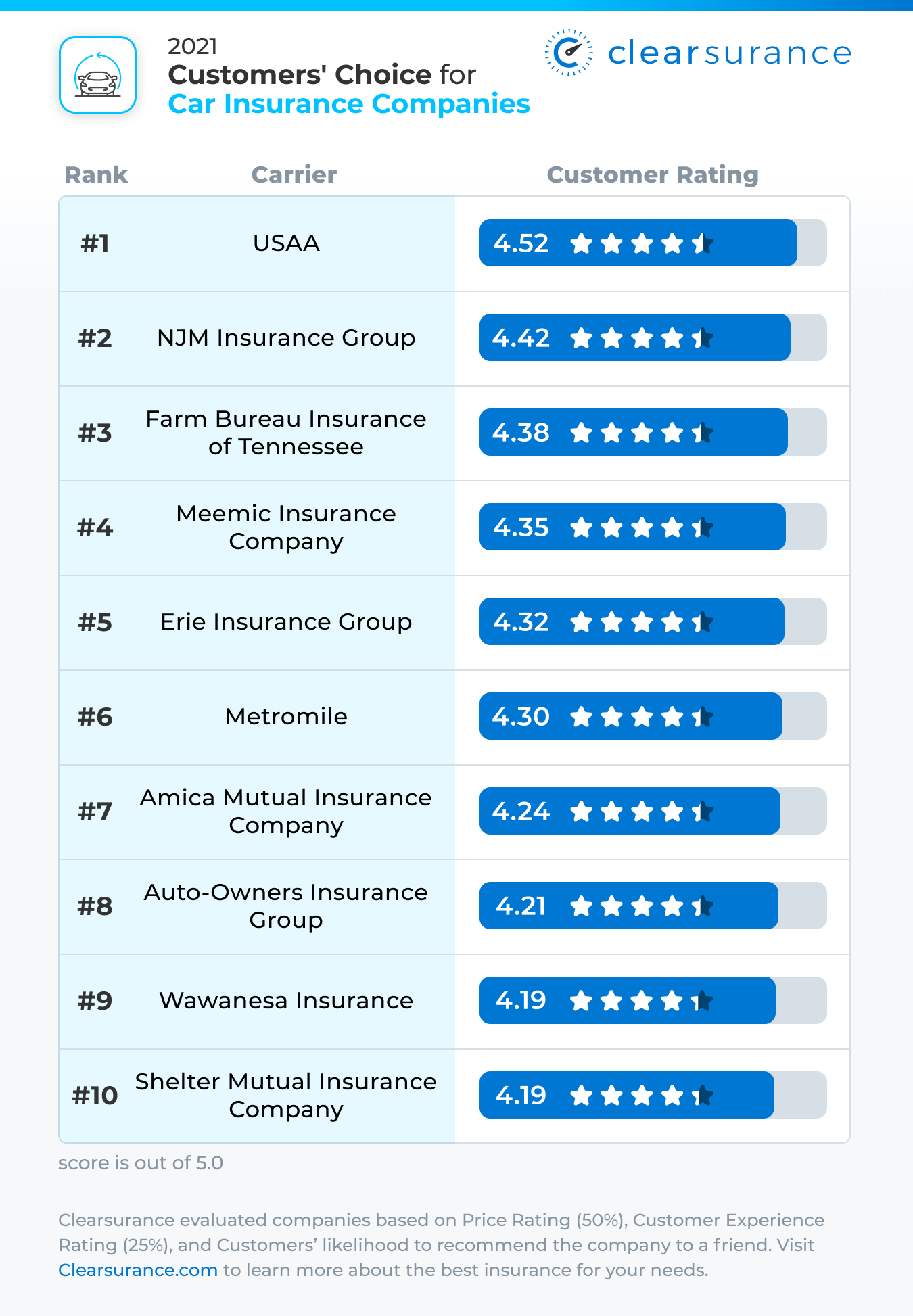
While membership is restricted to military members, veterans, and their families, USAA consistently outperforms almost every other company in terms of financial value and customer service. Because USAA is a member-owned association rather than a publicly traded corporation, their financial incentives are aligned with their policyholders rather than shareholders. This often results in lower premiums, higher claim payouts, and even annual dividends returned to members when the company performs well. For those who qualify, USAA is almost always the most sound financial choice.
Critical Factors in Assessing Insurance as a Personal Finance Tool
To maximize the ROI of your insurance policy, you must look beyond the brand name and scrutinize the specific components of the contract. A good insurance company will offer flexible options that allow you to tailor your coverage to your specific financial goals.
Liability Coverage and Wealth Preservation
Liability coverage is the most important part of your policy from a wealth-protection perspective. If you are at fault in an accident that results in significant medical bills or property damage, your personal assets—including your home, savings, and future wages—could be at risk. Good car insurance companies offer high liability limits (such as 250/500/100) at competitive prices. For high-net-worth individuals, an insurance company that makes it easy to add an “Umbrella Policy” is essential for comprehensive financial security.
Comprehensive and Collision: Protecting Your Assets
While liability protects others, comprehensive and collision coverage protect your asset: the car. As vehicle prices have skyrocketed, the cost of replacing a totaled car can be a major hit to one’s emergency fund. A reputable insurer will provide “Actual Cash Value” (ACV) or “Replacement Cost” options that reflect current market realities. When selecting a company, analyze how they handle total loss valuations. Companies that use fair, market-based data to reimburse owners are superior to those that use aggressive depreciation schedules to minimize payouts.
Deductible Strategies for Optimal Cash Flow
Your deductible is the amount you pay out-of-pocket before insurance kicks in. A good insurer allows you to adjust this figure to match your liquidity. If you have a healthy emergency fund, raising your deductible to $1,000 or $2,500 can drastically lower your monthly premiums, saving you thousands of dollars over the life of the policy. Conversely, if you are living on a tighter budget, a good company will offer low-deductible options that provide peace of mind, even if the monthly premium is slightly higher. This flexibility is a hallmark of a financially sound insurance provider.
Leveraging Discounts and Bundling to Enhance ROI
The final step in identifying a good car insurance company is evaluating their discount structure. In the world of personal finance, every dollar saved on an expense is a dollar that can be redirected toward investments or debt repayment.
Multi-Policy Bundling for Household Savings
One of the most effective ways to reduce your insurance overhead is through bundling. Most top-tier companies (like Allstate or Farmers) offer significant discounts if you house your auto, homeowners, and life insurance under one roof. From a management perspective, this also simplifies your financial life by consolidating bills and renewal dates. When shopping for “good” companies, always ask for a “bundle quote” to see the aggregate savings across your entire portfolio of risks.
Loyalty and Safety Incentives
A company’s “goodness” can also be measured by how they reward long-term financial relationships. Many providers offer “accident forgiveness” or “vanishing deductibles” to policyholders who remain claim-free for several years. While these features might seem like marketing gimmicks, they provide real financial value by preventing a single mistake from causing a massive spike in your future premiums. Furthermore, companies that offer discounts for professional affiliations, good grades (for student drivers), or defensive driving courses provide additional avenues for savvy consumers to trim their budgets.

Conclusion: Making an Informed Investment in Your Security
Identifying a “good” car insurance company is a multifaceted process that goes far beyond finding the lowest price. It is about finding a financial partner that offers the right balance of stability, customer service, and flexible coverage options.
Companies like GEICO and Progressive offer excellent value for those seeking to minimize monthly cash outflows, while State Farm and USAA provide superior asset protection and personalized service for those with more complex financial needs. By focusing on financial strength ratings, understanding the math behind deductibles and liability, and aggressively pursuing bundling discounts, you can transform your car insurance from a burdensome expense into a robust shield for your personal wealth. In the long run, the best insurance company is the one that provides you with the most security for every dollar spent, ensuring that your financial journey remains on track regardless of the hazards on the road.
aViewFromTheCave is a participant in the Amazon Services LLC Associates Program, an affiliate advertising program designed to provide a means for sites to earn advertising fees by advertising and linking to Amazon.com. Amazon, the Amazon logo, AmazonSupply, and the AmazonSupply logo are trademarks of Amazon.com, Inc. or its affiliates. As an Amazon Associate we earn affiliate commissions from qualifying purchases.