
In an era saturated with visual content, the quest for a “good” camera has become more pertinent than ever. From capturing life’s fleeting moments to producing professional-grade imagery and cinematic videos, the right camera can unlock immense creative potential. However, navigating the vast and rapidly evolving landscape of photographic technology can be daunting. What constitutes a “good” camera isn’t a universal truth; rather, it’s a highly personal and context-dependent assessment rooted in individual needs, skill levels, and photographic ambitions.
This guide delves into the core considerations and technological nuances that define camera excellence in today’s market, helping you cut through the marketing jargon and identify the ideal imaging companion for your specific journey. We’ll explore the diverse categories of cameras, dissect crucial technical specifications, and offer insights into matching technology with purpose.
Defining “Good” – Understanding Your Needs and Priorities
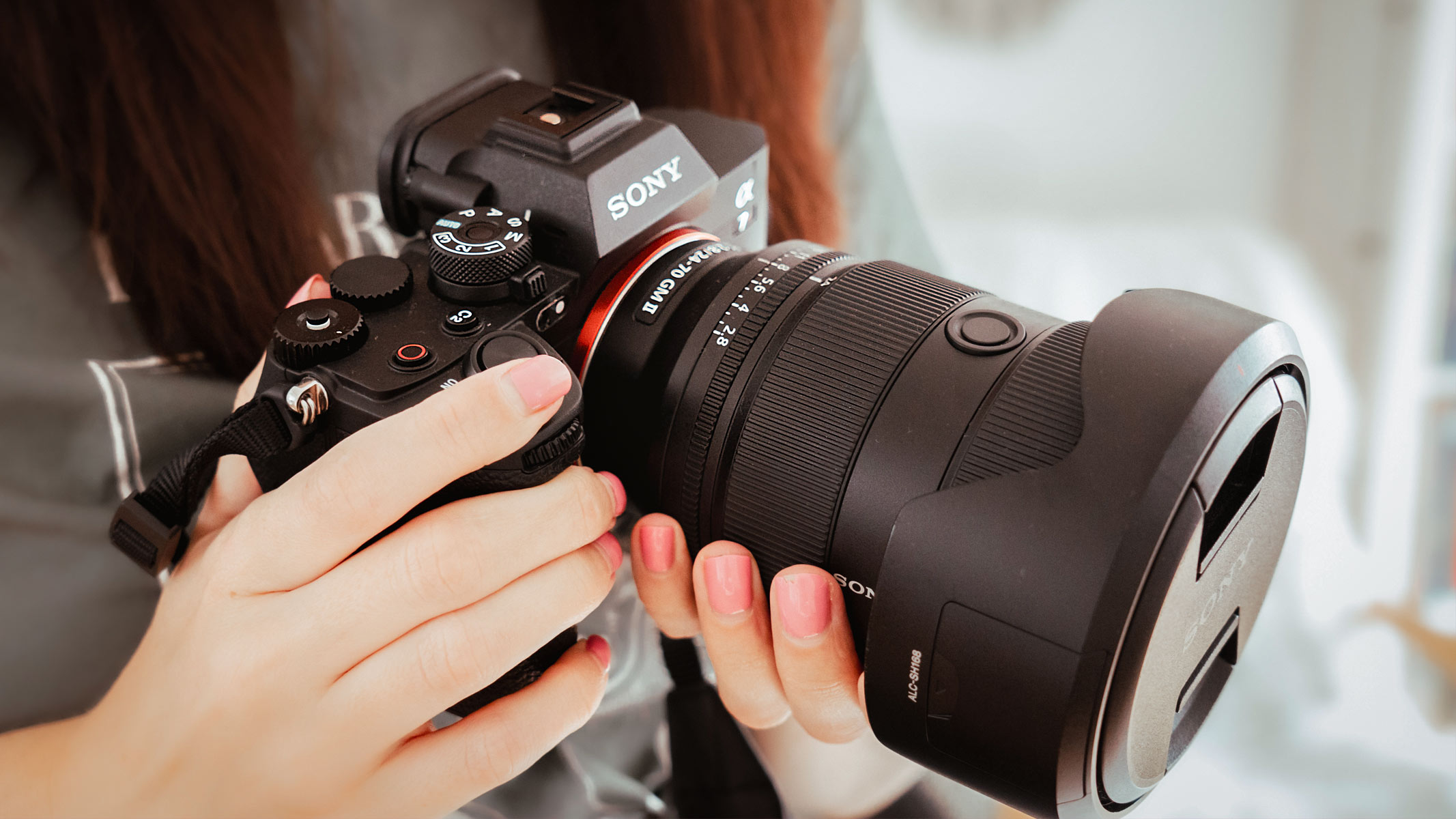
Before diving into specifications and models, the fundamental step is to critically evaluate what “good” means for you. A camera that’s excellent for a professional sports photographer will likely be overkill and cumbersome for a casual traveler, and vice-versa.
Purpose-Driven Photography: Aligning Camera with Intention
Your primary use case for a camera is the most significant determinant of what constitutes a “good” choice. Different photographic disciplines demand different strengths from equipment:
- Casual & Everyday Photography: If your goal is to simply capture memories with ease, without delving into manual settings, a high-quality smartphone camera or a sophisticated compact camera might be perfectly adequate. Convenience and portability are key here.
- Travel Photography: Lightweight, compact, and versatile cameras are paramount for travelers. Good image stabilization, decent low-light performance, and a flexible zoom range are often highly valued. Mirrorless cameras or advanced compacts are strong contenders.
- Portrait Photography: Requires cameras with large sensors (for excellent background blur, or “bokeh”), fast autofocus, and compatibility with prime lenses (fixed focal length, wide aperture lenses) that excel in sharpness and light gathering. Full-frame mirrorless or DSLR cameras are typically preferred.
- Landscape Photography: Demands high resolution for detail, excellent dynamic range to capture both bright skies and dark foregrounds, and often weather-sealed bodies for outdoor use. Wide-angle lens options are crucial.
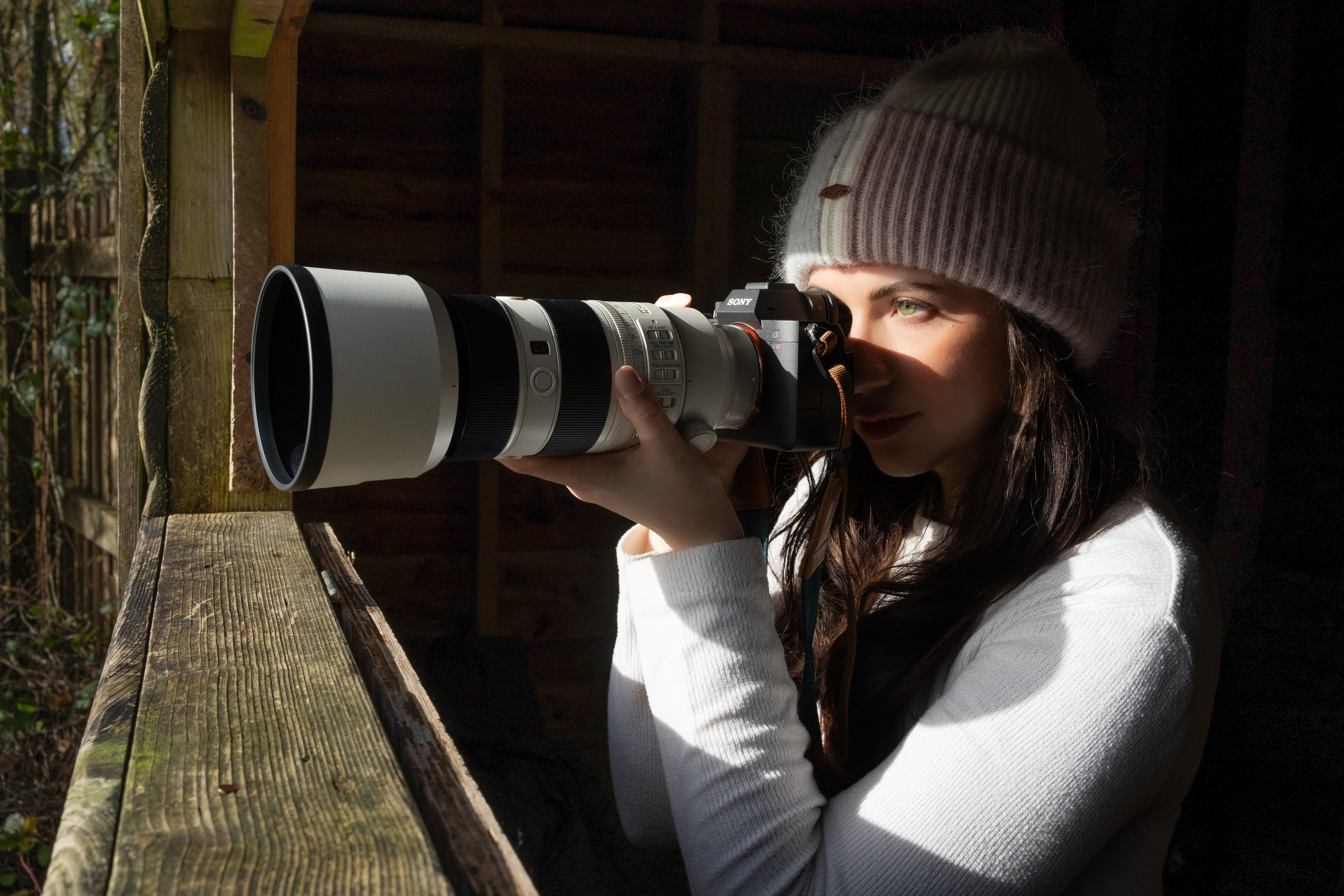
- Sports & Wildlife Photography: Necessitates extremely fast and accurate autofocus systems, high burst rates (frames per second), and robust telephoto lens options. Durability and weather sealing are also vital. DSLRs traditionally dominated here, but high-end mirrorless systems are increasingly taking over.
- Videography & Vlogging: Focuses on high-resolution video (4K, 6K, 8K), high frame rates for slow-motion, robust in-body image stabilization (IBIS), good audio input options, and sometimes features like flip-out screens and advanced autofocus tracking for moving subjects. Many modern mirrorless cameras excel in this area.
Budgetary Considerations: Investment vs. Return
Camera technology spans an enormous price range, from a few hundred dollars to tens of thousands for professional setups. Your budget will naturally narrow your options. It’s crucial to consider not just the camera body but also the cost of lenses, memory cards, batteries, bags, and editing software. Sometimes, investing more in a quality lens for a mid-range body yields better results than a high-end body with a cheap lens.
Desired Features and Specifications: The Technical Checklist
Once you’ve defined your purpose and budget, you can start looking at specific features. Do you need exceptional low-light performance? A massive zoom range? The ability to shoot cinematic 8K video? Weather sealing for adverse conditions? An articulated screen for vlogging? Understanding your non-negotiable features will guide your choices significantly.
Navigating the Camera Landscape: Major Types and Their Strengths
The camera market is broadly categorized into several types, each with its unique advantages and disadvantages.
DSLR (Digital Single-Lens Reflex) Cameras
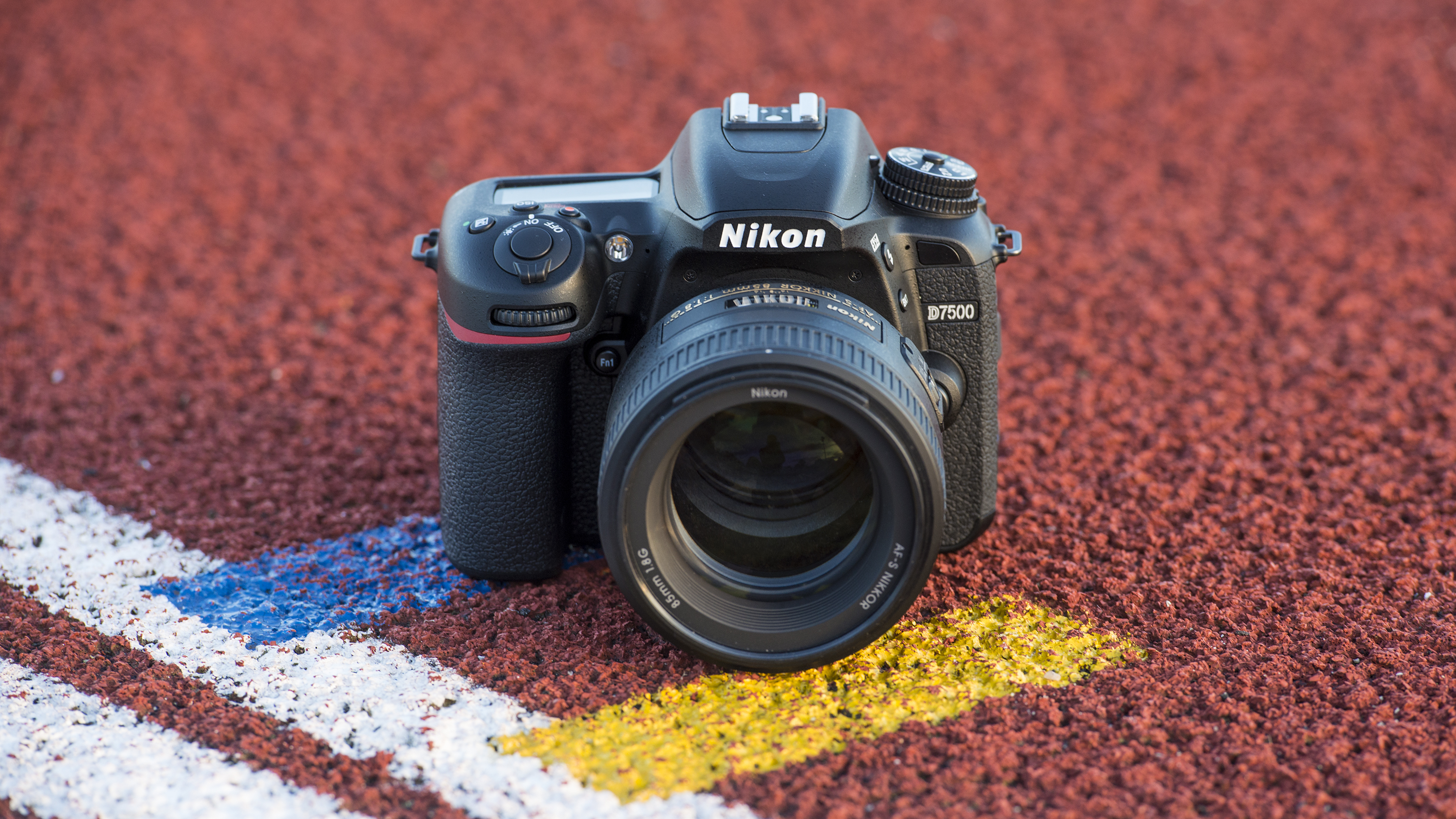
DSLRs were once the gold standard for serious photographers. They use a mirror mechanism to reflect light from the lens into an optical viewfinder, allowing you to see exactly what the lens sees.
- Strengths: Excellent image quality, vast lens selection (decades of legacy glass), robust build, generally good battery life, optical viewfinder (no lag, clear in bright light). Often more affordable for entry-level interchangeable lens systems.
- Weaknesses: Bulkier and heavier than mirrorless counterparts, slower autofocus in video mode, complex internal mechanics.
- Ideal For: Photographers who prefer an optical viewfinder, existing DSLR lens owners, and those seeking good value in an interchangeable lens system.
Mirrorless Cameras
Mirrorless cameras, as the name suggests, forgo the mirror box of DSLRs, sending light directly to the sensor. The image is then displayed on an electronic viewfinder (EVF) or the rear LCD screen. This design allows for more compact bodies and often leads to faster, more advanced technology.
- Strengths: More compact and lighter, often feature-rich with advanced video capabilities (4K, 8K), excellent in-body image stabilization (IBIS), faster and more sophisticated autofocus systems (often hybrid phase-detection and contrast-detection with AI-driven tracking), and silent shooting modes. EVFs provide a “what you see is what you get” preview.
- Weaknesses: Generally shorter battery life (due to constant sensor/EVF power draw), can be more expensive, and the electronic viewfinder experience isn’t for everyone.
- Ideal For: Professionals and enthusiasts demanding cutting-edge technology, top-tier video features, portability, and fast, accurate autofocus.
Compact (Point-and-Shoot) Cameras
These cameras are designed for simplicity and portability. While basic models have been largely supplanted by smartphones, advanced compacts with larger sensors and high-quality fixed lenses still offer a compelling proposition.
- Strengths: Extreme portability, ease of use, often very discreet. Advanced models offer excellent image quality for their size, manual controls, and high-quality fixed lenses (e.g., f/1.8).
- Weaknesses: Limited control compared to interchangeable lens cameras, smaller sensors in most models (affecting low-light performance and shallow depth of field), no lens flexibility.
- Ideal For: Travelers, street photographers, or anyone who wants better image quality than a smartphone without the bulk or complexity of an interchangeable lens system.
Action Cameras
Built for adventure, action cameras are small, rugged, and typically waterproof, designed to capture immersive wide-angle video and photos in challenging environments.
- Strengths: Extreme durability, impressive image stabilization for video (electronic and often highly advanced), wide-angle perspective, mountable on almost anything, excellent for dynamic activities.
- Weaknesses: Primarily video-focused, less versatile for traditional photography, often small sensors resulting in weaker low-light performance, fixed wide-angle lens limits compositional flexibility.
- Ideal For: Sports enthusiasts, vloggers in action, outdoor adventurers, and anyone needing a virtually indestructible camera for extreme conditions.
Smartphone Cameras
While not traditional dedicated cameras, modern smartphones have become incredibly powerful imaging devices, leveraging computational photography to produce stunning results.
- Strengths: Always with you, instant sharing, incredibly convenient, computational photography excels in many common scenarios (HDR, portrait mode, low-light), increasingly sophisticated lens arrays (wide, ultrawide, telephoto).
- Weaknesses: Small sensor size limits true optical performance and shallow depth of field, limited optical zoom, lack of physical controls, often poor ergonomics for extended shooting.
- Ideal For: Everyday casual photography, quick captures, social media sharing, and most casual users who don’t want to carry an extra device.
Key Technical Specifications to Evaluate
Beyond camera type, several technical specifications dictate a camera’s performance and capabilities.
Sensor Size and Type
The sensor is the “eye” of the camera. Larger sensors generally collect more light, leading to better image quality, superior low-light performance, and easier creation of shallow depth of field (background blur).
- Full-Frame (36mm x 24mm): The largest common sensor size, offering the best image quality, dynamic range, and low-light performance. Found in high-end DSLRs and mirrorless cameras.
- APS-C (approx. 23mm x 15mm): A popular crop-sensor size, offering a good balance of performance and affordability. Common in mid-range DSLRs and mirrorless cameras.
- Micro Four Thirds (M4/3 – 17.3mm x 13mm): A smaller crop sensor used by Olympus and Panasonic, allowing for very compact camera and lens systems.
- 1-inch, 1/1.7-inch, etc.: Found in compact cameras and smartphones. Generally smaller, impacting low-light and depth of field.
Megapixels (MP)
Megapixels refer to the number of individual photosites on the sensor. While often a marketing focus, more megapixels don’t automatically mean better images.
- Relevance: Higher MP counts are beneficial for large prints, significant cropping, and capturing fine detail.
- Consideration: For most uses, 20-30MP is ample. Very high MP counts (40MP+) can require more powerful computers for editing and larger storage. The quality of individual megapixels (pixel density) and the sensor’s light-gathering ability are often more important than the sheer number.
Lens System (for Interchangeable Lens Cameras)
For DSLRs and mirrorless cameras, the lens is as crucial as, if not more important than, the camera body itself.
- Lens Mount: Different brands have different mounts (e.g., Canon RF, Nikon Z, Sony E, Fuji X). Choosing a system means committing to its lens ecosystem.
- Lens Types: Prime (fixed focal length, often wide aperture), Zoom (variable focal length), Wide-Angle, Telephoto, Macro.
- Aperture: Indicated by f-numbers (e.g., f/1.8, f/4). Lower numbers mean wider apertures, allowing more light in (better for low light) and creating shallower depth of field.
Video Capabilities
Modern cameras are increasingly powerful video tools.
- Resolution: 4K is standard, with 6K and 8K emerging in high-end models.
- Frame Rates: Higher frame rates (60fps, 120fps, 240fps) allow for smoother motion and dramatic slow-motion effects.
- Log Profiles & Color Depth: For serious videographers, these allow for greater flexibility in color grading during post-production.
- Image Stabilization: Crucial for smooth handheld video. In-body image stabilization (IBIS) works with any lens.
Autofocus System
A fast and accurate autofocus system is critical for capturing sharp images, especially with moving subjects.
- Types: Phase-detection (fast, good for tracking) and Contrast-detection (accurate, but can “hunt”). Many modern systems are hybrid.
- Features: Eye-AF (tracking eyes for portraits), Subject Tracking (keeping focus on moving objects), customizable AF points.
- Performance: Evaluate speed, accuracy in various lighting conditions, and tracking capabilities.
Image Stabilization
Minimizes blur from camera shake.
- In-Body Image Stabilization (IBIS): The sensor itself moves to counteract shake. Works with any lens, often highly effective.
- Optical Image Stabilization (OIS): Built into the lens. Effective but only works with that specific lens.
- Digital/Electronic Image Stabilization (EIS): Primarily for video, crops the image slightly to stabilize.
Ergonomics and Build Quality
How a camera feels in your hands, the placement of controls, and its durability are important for user experience.
- Grip: Comfortable grip for long shooting sessions.
- Controls: Intuitive button and dial layout.
- Weather Sealing: Protects against dust and moisture, essential for outdoor photographers.
- Materials: Robust construction for longevity.
Connectivity
Modern cameras offer various ways to connect and share.
- Wi-Fi/Bluetooth: For remote control, image transfer to smartphones/computers.
- USB-C: Faster data transfer, often for charging.
- HDMI: For external monitors or recorders.
Top Contenders Across Categories (Illustrative Examples)
While specific models change rapidly, here are general categories of cameras that exemplify “good” choices for different user groups:
Best for Beginners/Enthusiasts
For those stepping up from a smartphone or looking for a versatile entry point into serious photography:
- Advanced Mirrorless Crop-Sensor: Offer excellent image quality, user-friendly interfaces, good video, and access to a growing lens ecosystem (e.g., Fujifilm X-T series, Sony Alpha a6000 series, Canon EOS Rxx series).
- High-End Compact Cameras: Provide superior image quality in a portable package with a fixed, high-quality lens (e.g., Ricoh GR III, Fujifilm X100V, Sony RX100 series).
Best for Professionals/Advanced Users
Demanding the best in image quality, performance, and reliability:
- Full-Frame Mirrorless Systems: Offer industry-leading autofocus, high resolution, exceptional low-light performance, and advanced video features (e.g., Sony Alpha a7/a9/a1 series, Canon EOS R5/R3, Nikon Z7/Z9).
- High-End DSLRs (though fading): Still offer robust performance, extensive lens options, and familiarity for many professionals (e.g., Canon 5D Mark IV, Nikon D850).
Best for Videography/Vlogging
Cameras optimized for moving images, often with specific features for content creators:
- Video-Centric Mirrorless Cameras: Designed with advanced video capabilities like high frame rates, log profiles, and robust IBIS (e.g., Sony FX30/FX3, Panasonic GH6/G9, Canon EOS R6 Mark II).
- Hybrid Mirrorless Cameras: Excellent for both stills and video, offering a balanced performance (e.g., Sony a7S III, Canon EOS R5C, Fujifilm X-H2S).
Best for Travel/Portability
When every gram counts, but quality cannot be compromised:
- Compact Mirrorless Systems: Lightweight bodies with quality lenses (e.g., Fujifilm X-E series, Sony a6xxx series with compact primes/zooms).
- Premium Compact Cameras: Offer fixed-lens convenience with large sensors and excellent image quality (e.g., Sony RX100 series, Canon G series).
- Action Cameras: Unbeatable for ruggedness and capturing unique perspectives in dynamic travel (e.g., GoPro Hero series, DJI Osmo Action).
Conclusion
The question “what are good cameras?” doesn’t have a single, definitive answer. The “good” camera is the one that best serves your specific needs, aligns with your budget, and ultimately empowers you to capture the images and videos you envision. It’s a tool, an extension of your creative will, and its effectiveness is deeply personal.
By understanding your purpose, considering your budget, and familiarizing yourself with the core technical specifications and camera types, you can make an informed decision. Don’t be afraid to read reviews, compare specifications, and if possible, get hands-on with different models. The best camera is not necessarily the most expensive or the one with the most features, but the one you’ll love using and that inspires you to create. Happy shooting!
aViewFromTheCave is a participant in the Amazon Services LLC Associates Program, an affiliate advertising program designed to provide a means for sites to earn advertising fees by advertising and linking to Amazon.com. Amazon, the Amazon logo, AmazonSupply, and the AmazonSupply logo are trademarks of Amazon.com, Inc. or its affiliates. As an Amazon Associate we earn affiliate commissions from qualifying purchases.