
Embarking on a career in the United States military is a profound decision, offering pathways to service, professional development, and unparalleled opportunities. A critical gateway to these prospects is the Armed Services Vocational Aptitude Battery, more commonly known as the ASVAB. Far from being just another standardized test, your ASVAB scores are a comprehensive indicator of your aptitudes and a foundational determinant for your military career trajectory. But what, precisely, constitutes a “good” ASVAB score? The answer, as we’ll explore, is nuanced, extending beyond a simple numerical threshold to encompass your personal aspirations, the demands of specialized roles, and even the long-term financial and professional brand you cultivate.

In a world increasingly shaped by technology, personal branding, and astute financial planning, understanding the ASVAB’s significance takes on an added dimension. A strong performance on this exam isn’t merely about meeting minimum requirements; it’s about strategically positioning yourself for roles that align with the cutting edge of technological advancement, establishing a formidable personal and professional brand, and laying a robust financial groundwork for your future. This article will demystify the ASVAB scoring system, elucidate what makes a score truly “good,” and illustrate how your performance can be a powerful catalyst for your success, both within the military and beyond.
Understanding the ASVAB: Beyond the Raw Score
Before we can define what makes a good ASVAB score, it’s essential to grasp the structure and purpose of the exam itself. The ASVAB is a multi-aptitude test designed to measure a candidate’s developed abilities and predict future academic and occupational success in the military. It consists of multiple subtests, each assessing a different area of knowledge or skill.
The AFQT: Your Gateway to Service
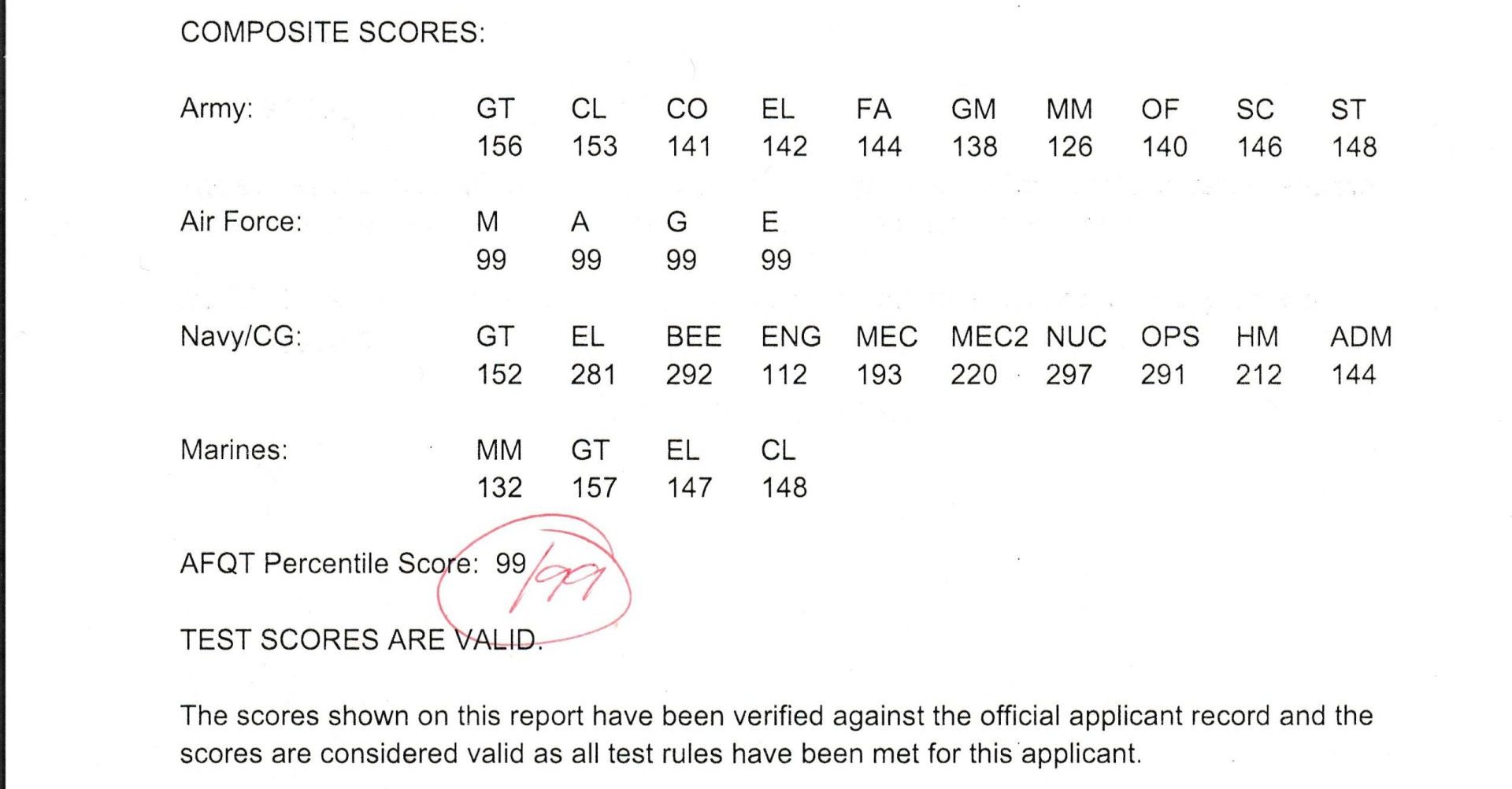
The most commonly discussed ASVAB score is the Armed Forces Qualification Test (AFQT) score. This single, composite score is derived from four critical subtests: Arithmetic Reasoning (AR), Word Knowledge (WK), Paragraph Comprehension (PC), and Mathematics Knowledge (MK). The AFQT score is presented as a percentile, ranging from 1 to 99, indicating how well you performed compared to a nationally representative sample of 18-23 year olds.
Crucially, the AFQT score determines your eligibility for enlistment into any branch of the military. Each service branch (Army, Navy, Air Force, Marine Corps, Coast Guard) sets its own minimum AFQT score for enlistment, which can fluctuate based on recruiting needs. Generally, a score below 31 (for a high school diploma graduate) makes enlistment challenging, while a score in the 50s or higher is considered competitive across all branches. While simply meeting the minimum AFQT score gets your foot in the door, it’s often just the first step. A truly “good” AFQT score positions you for more than just eligibility; it opens the door to a wider array of opportunities.
Subtest Scores: Unlocking Specialized Roles
While the AFQT score is paramount for enlistment, the scores from the individual ASVAB subtests are equally, if not more, important for determining which military occupational specialties (MOSs for Army/Marines), ratings (Navy/Coast Guard), or Air Force Specialty Codes (AFSCs) you qualify for. These subtests include General Science (GS), Arithmetic Reasoning (AR), Word Knowledge (WK), Paragraph Comprehension (PC), Numerical Operations (NO), Coding Speed (CS), Auto and Shop Information (AS), Mathematics Knowledge (MK), Mechanical Comprehension (MC), Electronics Information (EI), and Assembling Objects (AO).
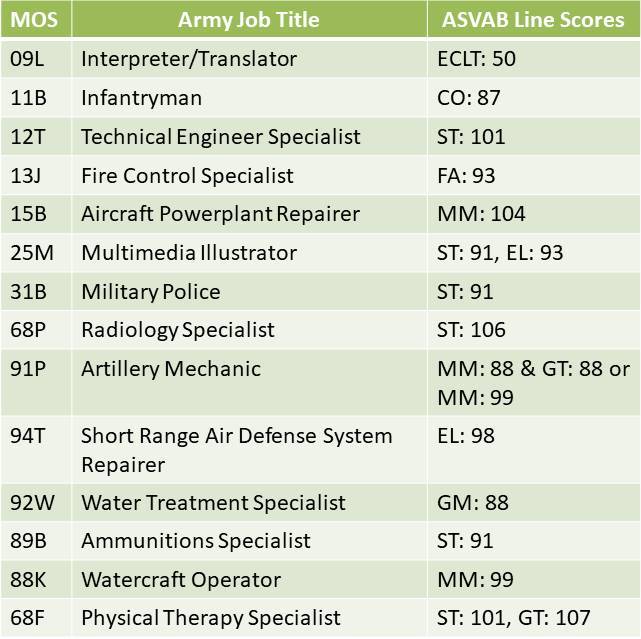
Each military job requires a specific aptitude score, which is a composite derived from various combinations of these subtest scores. For instance, a job in aviation mechanics might heavily weigh your scores in Mechanical Comprehension, Electronics Information, and Auto and Shop Information, along with Mathematics Knowledge. A cybersecurity role, on the other hand, would prioritize scores in General Science, Mathematics Knowledge, and possibly Word Knowledge for understanding complex documentation. Therefore, a “good” ASVAB score isn’t just a high AFQT; it’s also a set of strong individual subtest scores that align with your desired career path within the military, especially those technically demanding roles that are increasingly prevalent.
Defining “Good”: What Scores Open Which Doors?
The concept of a “good” ASVAB score is dynamic, varying significantly based on your objectives. What might be sufficient for general enlistment could be inadequate for a highly sought-after technical position or officer program.
Minimum Requirements vs. Competitive Advantages
The absolute minimum AFQT score for enlistment typically falls in the low 30s for high school diploma holders. However, relying solely on minimums severely limits your options. Consider these general benchmarks:
- Below 31: Limited options, often restricted to roles with low educational or technical demands.
- 31-49: Meets basic requirements for most branches, but still restricts access to many technical or specialized jobs.
- 50-69: Opens up a much broader range of MOSs/AFSCs/ratings, including many desirable technical and administrative roles. This range often makes you a competitive candidate for various positions.
- 70-89: Positions you strongly for nearly any enlisted job, including the most competitive and intellectually demanding roles, particularly those in high-tech fields.
- 90-99: Puts you in the top tier of candidates, making you eligible for virtually any enlisted position and potentially opening pathways to highly selective programs, including some officer candidacies if combined with other qualifications (like a college degree).
A “good” ASVAB score, therefore, is one that not only clears the minimum bar but also places you firmly within the competitive ranges for the jobs that genuinely interest you. It’s about being proactive and strategic, rather than simply meeting a baseline.
Scoring for Success: Desirable MOSs and Officer Programs
For those aiming for high-demand, technologically advanced, or leadership-oriented roles, a “good” ASVAB score takes on a higher meaning. Jobs in cyber warfare, intelligence analysis, advanced electronics, aviation maintenance, or specialized medical fields often demand significantly higher aptitude scores in relevant subtests. For instance, a role as an Air Force Cyber Systems Operations specialist (AFSC 3D0X2) will require very high General (G) and Administrative (A) scores, which are composites of several subtests.
Furthermore, individuals aspiring to become commissioned officers typically need a bachelor’s degree in addition to competitive ASVAB scores, particularly if they are considering technical fields through programs like Officer Candidate School (OCS) or directly commissioning into specialized roles. While the ASVAB is primarily for enlisted access, strong scores indicate a foundational aptitude that can be beneficial in officer selection processes as well, especially for technical branches. A truly good score, in this context, is one that not only qualifies you but distinguishes you, highlighting your potential for advanced training and leadership.
The Strategic Edge: ASVAB Scores, Technology, and Your Future
In the 21st century, military operations are inextricably linked with technology. From advanced weaponry and satellite communications to sophisticated cybersecurity and AI-driven logistics, the modern military is a tech powerhouse. Your ASVAB scores play a pivotal role in determining your access to these cutting-edge fields.
High-Tech Roles in the Military: Where ASVAB Scores Shine
A strong ASVAB performance, particularly in subtests like Electronics Information, Mathematics Knowledge, and General Science, is your ticket to some of the most exciting and in-demand tech roles across all branches. Consider:
- Cybersecurity Specialists: Protecting critical networks from digital threats requires sharp analytical skills and a deep understanding of logical systems. High scores in arithmetic reasoning, mathematics knowledge, and general science are crucial. These roles often translate directly into high-paying civilian jobs after service.
- IT and Network Systems Operators: Managing and maintaining complex military networks, from servers to cloud infrastructure, demands precision and problem-solving abilities. Scores in math, electronics, and general technical understanding are paramount.
- Aviation Electronics Technicians: Working with sophisticated radar, navigation, and weapon systems on aircraft requires an excellent grasp of electronics principles and mechanical comprehension.
- Intelligence Analysts: Processing vast amounts of data, often using advanced AI tools and software, relies on strong verbal comprehension, analytical reasoning, and attention to detail.
These roles are not just about serving your country; they are intensive training programs that equip you with highly marketable skills in the civilian tech sector. A “good” ASVAB score, therefore, is one that qualifies you for these strategic tech positions, providing you with a head start in a booming industry. It’s an investment in your technical acumen and future career prospects, directly linking your military service to the broader technology trends we see today.
Leveraging Digital Tools for ASVAB Prep
The very technology that military personnel utilize can also be harnessed for ASVAB preparation. The internet abounds with resources that can significantly boost your scores:
- AI-Powered Study Apps: Many modern test prep platforms utilize artificial intelligence to create personalized study plans, identify your weak areas, and provide targeted practice questions. These apps can adapt to your learning style, optimizing your study time and efficiency.
- Online Courses and Tutorials: Websites, YouTube channels, and dedicated online academies offer comprehensive ASVAB courses, breaking down each subtest with explanations, strategies, and practice drills. This allows you to learn at your own pace, revisiting difficult concepts as needed.
- Practice Tests and Simulations: Digital practice tests are invaluable for familiarizing yourself with the exam format, timing, and question types. Many platforms offer full-length simulations, helping you build stamina and confidence for the actual test.
- Digital Security Best Practices: While studying online, it’s also a good opportunity to practice digital security. Ensure you’re using reputable sources, understanding data privacy, and protecting your personal information, skills that are increasingly important in any career path, especially tech-focused military roles.
By strategically using these digital tools, you can transform your ASVAB preparation into an efficient, personalized learning experience, ultimately contributing to a “good” score that unlocks technological opportunities.
Building Your Military Brand: Scores as a Foundation for Professional Growth
Your ASVAB score isn’t just a number; it’s a foundational element of your professional brand, both within the military and as you transition to civilian life. It signals your inherent capabilities, work ethic, and potential for growth.
Your Personal ASVAB Score as a Brand Asset
In the competitive landscape of military recruitment, a high ASVAB score is a powerful brand asset. It distinguishes you from other applicants, signaling to recruiters and commanding officers that you possess a strong aptitude for learning, problem-solving, and adapting to complex situations. This perception can lead to:
- Priority for Desirable Jobs: Recruiters often prioritize candidates with higher scores for sought-after MOSs/AFSCs/ratings, as they are seen as more likely to succeed in challenging training programs.
- Increased Trust and Responsibility: Within your unit, early indications of strong aptitude can lead to greater trust and opportunities for increased responsibility, accelerating your professional development.
- Positive Reputation: A reputation for intelligence and capability, partly cemented by your ASVAB performance, contributes to a positive personal brand that can open doors to leadership roles, advanced schools, and special assignments.
A “good” ASVAB score, therefore, helps you sculpt a brand of competence and readiness from day one, setting a positive trajectory for your entire military career.
From Enlistment to Executive: ASVAB’s Long-Term Brand Impact
The ripple effects of a strong ASVAB performance can extend far beyond your initial enlistment. The skills acquired in demanding military roles (often requiring high ASVAB scores) are highly valued in the civilian sector. If you served in a tech-focused MOS, for example, your military experience becomes a compelling part of your professional brand, demonstrating not just technical proficiency but also discipline, leadership, and adaptability.
- Enhanced Resume/CV: Your military job title and experience, backed by the implicit understanding of your initial ASVAB aptitude, create a powerful narrative on your resume, appealing to employers in tech, project management, and other specialized fields.
- Networking Opportunities: A strong service record in a desirable field connects you to a vast network of veterans and industry professionals, further boosting your personal brand and career prospects.
- Leadership Development: The military is a premier institution for leadership development. Excelling in your initial role, often a direct result of strong aptitude, positions you for NCO (Non-Commissioned Officer) or officer roles, which are invaluable experiences for any future leadership position.
In essence, a “good” ASVAB score is an investment in your long-term professional identity, creating a brand that speaks volumes about your capabilities and dedication.
The Financial Equation: How ASVAB Scores Impact Your Earning Potential and Wealth
While military service isn’t primarily about direct financial gain in the way a civilian career might be, ASVAB scores can indirectly and significantly influence your financial well-being, both during and after your service.
Unlocking Better Pay and Benefits
While base military pay scales are generally standardized by rank and time in service, a good ASVAB score can open doors to roles that offer additional financial incentives:
- Enlistment Bonuses: High-demand jobs, particularly those in critical technical fields like cyber and intelligence, often come with substantial enlistment bonuses, sometimes tens of thousands of dollars. Qualifying for these roles directly correlates with achieving specific, often high, ASVAB subtest scores.
- Specialty Pay: Certain highly skilled jobs or those requiring exceptional qualifications may come with additional monthly specialty pay. Your ASVAB scores are a gateway to even qualify for the training that leads to these designations.
- Faster Advancement Opportunities: Excelling in a challenging role, initially accessed due to your ASVAB scores, can lead to faster promotions. Each promotion comes with an increase in base pay and benefits, accelerating your long-term earning potential.
Beyond direct pay, better jobs often come with enhanced training and certifications that are invaluable for civilian employment, effectively increasing your human capital and future earning capacity.
Long-Term Financial Planning: GI Bill and Beyond
Perhaps one of the most significant financial benefits tied to military service, indirectly influenced by your ASVAB performance, is the Post-9/11 GI Bill. This program provides comprehensive educational benefits, covering tuition, housing, and books for veterans pursuing higher education or vocational training. By successfully enlisting and serving, you unlock this incredible financial tool.
- Reduced Educational Debt: The GI Bill can dramatically reduce or eliminate the need for student loans, saving you tens of thousands of dollars and preventing a heavy debt burden that plagues many civilians. This allows for a much stronger start to your post-military financial life.
- Career Pivots and Upskilling: After serving, the GI Bill empowers you to pursue advanced degrees or certifications in high-demand fields (like advanced technology or business management), leveraging your military experience with new civilian qualifications. This ability to pivot or upskill is a powerful wealth-building tool.
- Entrepreneurial Opportunities: Many veterans use their GI Bill benefits to gain the education needed to start their own businesses, creating financial independence and wealth.
A “good” ASVAB score is therefore a strategic investment in your future financial security. It helps you enter the service in a capacity that maximizes your opportunities, leading to better immediate financial incentives and, more importantly, unlocking a powerful educational and career development tool that can shape your entire financial trajectory.
In conclusion, “good” ASVAB scores are far more than just meeting a minimum threshold. They are a strategic asset that can define your military career, open doors to cutting-edge technological roles, forge a robust professional brand, and lay a solid financial foundation for your future. Investing time and effort into comprehensive ASVAB preparation is not just about passing a test; it’s about strategically positioning yourself for a future of opportunity, service, and success.
aViewFromTheCave is a participant in the Amazon Services LLC Associates Program, an affiliate advertising program designed to provide a means for sites to earn advertising fees by advertising and linking to Amazon.com. Amazon, the Amazon logo, AmazonSupply, and the AmazonSupply logo are trademarks of Amazon.com, Inc. or its affiliates. As an Amazon Associate we earn affiliate commissions from qualifying purchases.