
In the rapidly evolving landscape of the technology industry, the bridge between theoretical knowledge and practical application is often narrow. As software frameworks update monthly and artificial intelligence redefines workflows daily, traditional long-term internships are being supplemented—and sometimes replaced—by a more agile model: the externship. But what are externships exactly, and why have they become a cornerstone of talent development in the tech world?
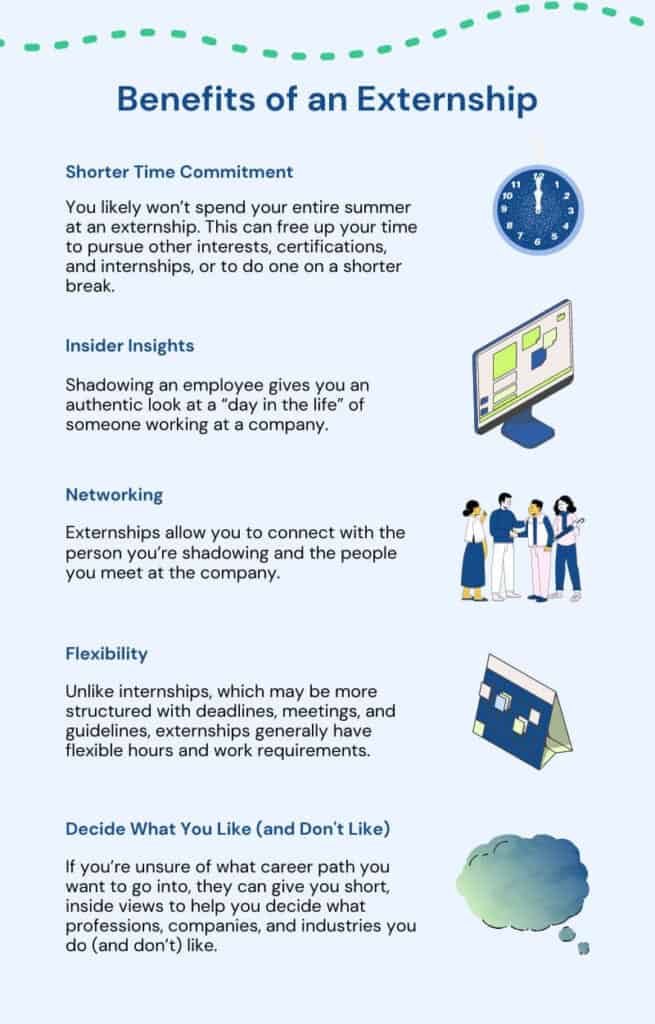
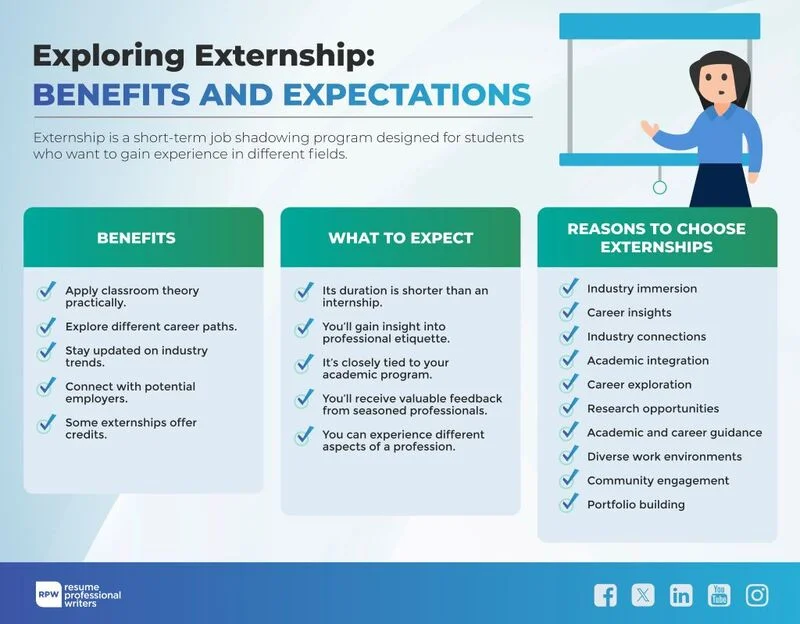
At its core, an externship is a short-term, intensive professional shadowing or project-based experience. Unlike an internship, which typically lasts a summer or a semester, an externship usually spans from two days to two weeks. In the tech sector, these micro-placements offer a high-fidelity look into the inner workings of software houses, cybersecurity firms, and AI research labs, providing participants with a “day-in-the-life” perspective that textbooks cannot replicate.
The Evolution of Learning: Defining the Tech Externship
The technology sector moves at a velocity that traditional academic curricula struggle to match. Externships have emerged as a solution to this latency, offering a rapid-fire immersion into modern tech environments. Understanding the nuances of this model is essential for anyone looking to pivot into tech or for students aiming to specialize in niche digital fields.
How Externships Differ from Traditional Internships
The primary differentiator between an internship and an externship is the commitment of time and the depth of the “ask.” Internships are often structured around a long-term project where the intern acts as a junior employee. In contrast, a tech externship is focused on observation and high-level synthesis. An extern might spend their week attending Scrum meetings, observing a code review, or sitting in on a UI/UX design sprint. This brevity allows for a broader exploration; a student could feasibly complete four different externships at four different tech giants in the time it would take to complete one traditional internship.
The Micro-Learning Model: Why Duration Matters in Tech
In tech, “micro-learning” is a pedagogical trend that mirrors the “micro-services” architecture of modern software. Externships fit this mold perfectly. Because they are short, they are accessible to a wider demographic, including career-switchers who cannot afford to quit their full-time jobs for a three-month internship. For the host company, it minimizes the administrative overhead while still allowing them to scout for raw talent. It is a low-risk, high-reward “trial run” for both the participant and the organization.
The Role of Externships in Bridging the Digital Skills Gap
The “skills gap” is a persistent challenge in technology, where the demand for specialized expertise outstrips the supply of qualified professionals. Externships serve as a vital conduit for transferring industry-standard practices directly to the next generation of developers and analysts.
Immersive Exposure to Software Development Lifecycles (SDLC)
While a computer science student might understand the theory of Agile or Waterfall methodologies, seeing them implemented in a high-pressure environment like a FinTech startup is a different reality. Externships allow participants to witness how software moves from a “Jira ticket” to a “pull request” and finally to a “production deployment.” This exposure to the Software Development Lifecycle (SDLC) provides a context that makes future technical tutorials much easier to digest.
Hands-on Experience with AI and Automation Tools
We are currently in the midst of an AI revolution. Many tech externships now focus specifically on how companies are integrating Large Language Models (LLMs) and machine learning into their existing products. An extern might spend their time observing how data scientists clean datasets or how DevOps engineers use AI to automate server scaling. Seeing these AI tools used in a professional capacity—rather than just for personal hobbies—is a transformative experience for any aspiring technologist.
Upskilling in Digital Security and Data Privacy
Digital security is no longer a niche department; it is a fundamental requirement for all software development. During an externship at a security-focused firm, a participant might observe “red team” exercises (simulated attacks) or learn about the implementation of Zero Trust architectures. This high-level view of digital security protocols is invaluable, as it teaches the extern to write more secure code and prioritize data privacy from the outset of their career.
Leveraging Technology Trends Through Externships
To stay relevant, one must understand not just “how” to code, but “where” the industry is going. Externships often center around the most disruptive gadgets and trends, giving participants a front-row seat to innovation.
Cloud Infrastructure and SaaS Exploration
The shift from on-premise servers to Cloud Infrastructure (AWS, Azure, Google Cloud) has changed the DNA of corporate IT. Externships within Software as a Service (SaaS) companies allow participants to see the complexity of maintaining 99.9% uptime. They learn the importance of containerization (using tools like Docker and Kubernetes) and how global cloud networks facilitate the apps we use every day.
Mobile App Development and UX/UI Design Shadowing
The world is mobile-first. A tech externship focused on mobile app development might involve shadowing a team as they navigate the nuances of iOS versus Android deployment. Furthermore, the immersion into UX/UI (User Experience/User Interface) design helps participants understand that tech isn’t just about logic—it’s about empathy for the user. Watching a designer conduct a usability test on a new app feature provides insights that a standard coding tutorial simply cannot provide.
The Impact of Emerging Gadgets and Hardware
For those interested in the hardware side of tech, externships at firms specializing in IoT (Internet of Things) or wearable gadgets are eye-opening. Seeing the integration of firmware with physical sensors allows the extern to understand the full stack of technology, from the silicon chip to the cloud-based dashboard.
Finding and Securing High-Impact Tech Externships
Securing a spot in a competitive tech externship requires a different strategy than applying for a standard job. Because these positions are brief and highly sought after, the application process is often streamlined and digital-heavy.
Platforms and Apps for Sourcing Tech Opportunities
Several digital platforms have emerged to connect talent with micro-experiences. Websites like Parker Dewey or Extern.com specialize in these short-term professional engagements. Additionally, many tech companies post externship opportunities directly on their LinkedIn pages or within specialized Discord communities dedicated to developer advocacy. Utilizing these apps and staying active in digital tech forums is the best way to catch an opening as soon as it’s announced.
Preparing Your Digital Portfolio for a Tech Showcase
Since the host company has very little time to get to know an extern, your digital footprint must speak for you. A clean, well-documented GitHub repository is the “gold standard” for tech externships. If you are interested in design, a polished Behance or Dribbble portfolio is essential. The goal is to show the host company that you have the foundational technical literacy required to keep up with their fast-paced environment during your short stay.
The Future of Tech Externships: Remote and Virtual Reality Labs
As the tech industry continues to lead the way in remote work, the nature of the externship is also shifting. We are moving toward a future where “location” is no longer a barrier to professional immersion.
The Rise of the Virtual Tech Externship
Virtual externships allow a student in a rural area to shadow a lead developer at a Silicon Valley firm. These programs utilize digital collaboration tools like Slack, Zoom, and Miro to create a cohesive experience. Virtual externships are particularly effective in tech because the work itself is digital; screen-sharing a debugging session is almost as effective as sitting next to the developer in person.

Building Professional Networks in a Global Digital Ecosystem
The ultimate value of an externship, whether in-person or virtual, is the network. In the tech world, who you know can be just as important as what you know. An externship provides a “foot in the door” at prestigious companies, turning a cold application into a warm referral. By demonstrating curiosity and technical aptitude during a one-week externship, a participant can build a relationship with a mentor that lasts a lifetime.
In conclusion, externships are the “sprints” of professional development. In an industry defined by rapid iterations and constant technological flux, these short-term immersions provide the clarity, context, and connections necessary to thrive. Whether you are exploring the latest AI tools, diving into digital security, or observing the lifecycle of a mobile app, an externship is an unparalleled way to download industry knowledge directly into your career path.
aViewFromTheCave is a participant in the Amazon Services LLC Associates Program, an affiliate advertising program designed to provide a means for sites to earn advertising fees by advertising and linking to Amazon.com. Amazon, the Amazon logo, AmazonSupply, and the AmazonSupply logo are trademarks of Amazon.com, Inc. or its affiliates. As an Amazon Associate we earn affiliate commissions from qualifying purchases.