
In the complex ecosystem of personal finance, few decisions carry as much weight as selecting the right mortgage product. For many homeowners and prospective buyers, the 15-year fixed-rate mortgage represents the pinnacle of disciplined wealth building. While the 30-year mortgage remains the standard for affordability, current 15-year fixed mortgage rates offer a compelling alternative for those looking to minimize interest expenses and build equity at an accelerated pace. Understanding where these rates stand today requires a deep dive into the macroeconomic forces at play, the psychological shift in modern lending, and the tangible financial advantages of shorter loan terms.
The Landscape of 15-Year Fixed Mortgage Rates Today
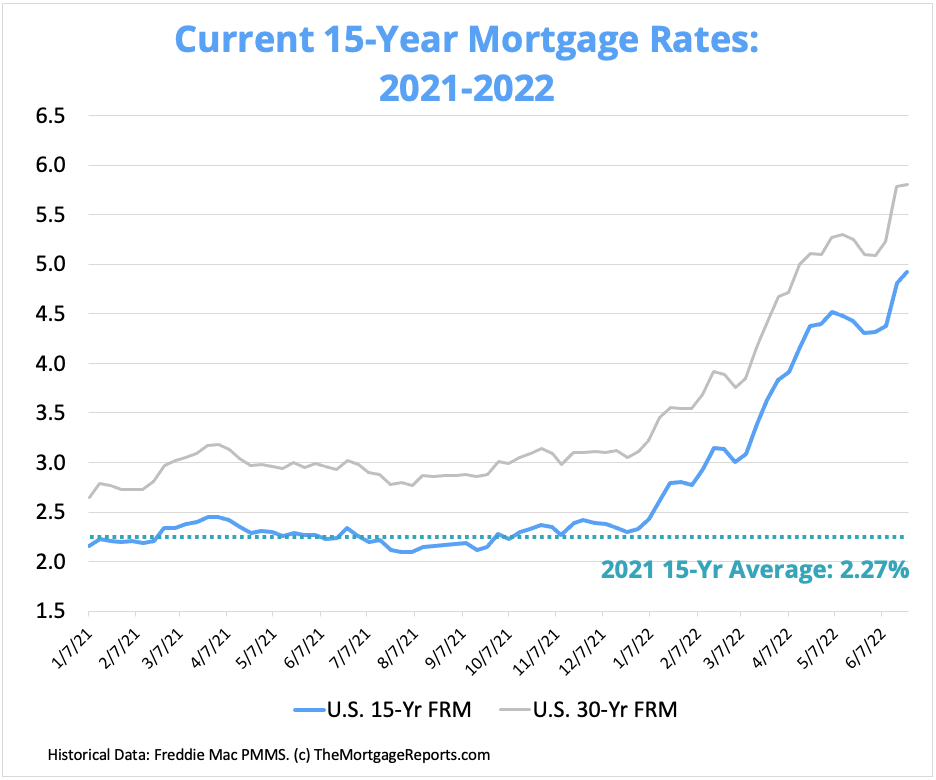
As of the current market cycle, 15-year fixed mortgage rates typically sit significantly lower than their 30-year counterparts. This “spread”—the difference between the two rates—usually ranges from 0.50% to 1.00%, though it can fluctuate based on liquidity in the secondary mortgage market and investor appetite for shorter-duration bonds. The reason for this discount is simple: lenders take on less interest-rate risk when they commit to a 15-year term. Over a shorter period, there is less time for inflation to erode the value of the dollars being paid back, and the borrower is statistically less likely to default compared to a 30-year commitment.
Current Market Averages and Volatility
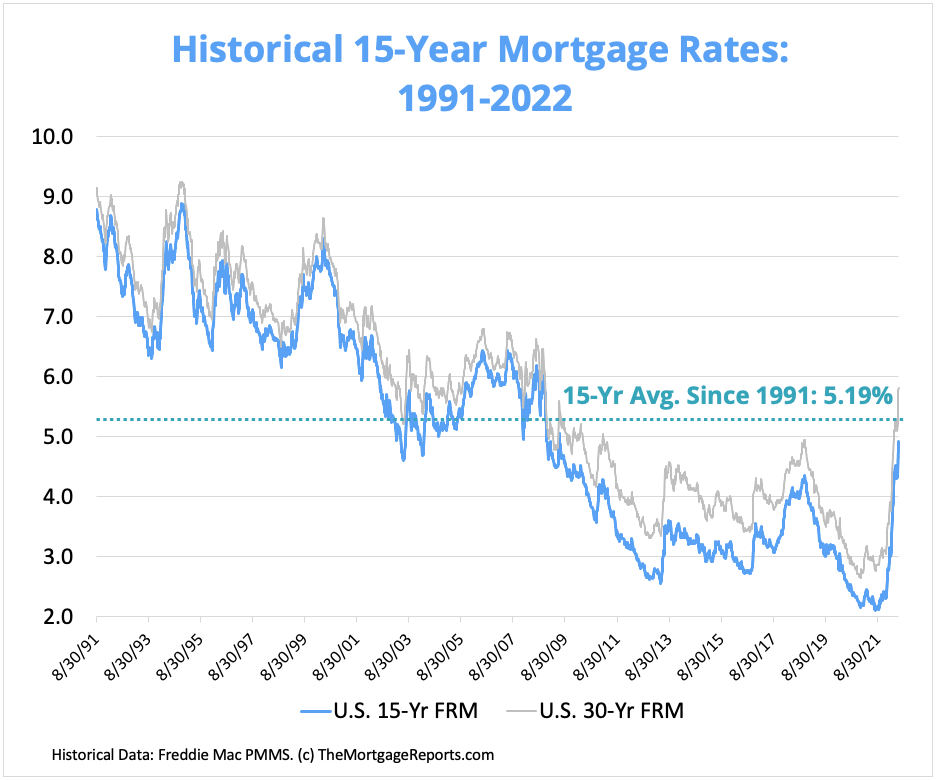
In the current economic climate, mortgage rates are heavily influenced by the Federal Reserve’s monetary policy and the yield on the 10-year Treasury note. When the Fed signals a “higher-for-longer” approach to interest rates to combat inflation, 15-year rates tend to remain elevated. Conversely, during periods of economic cooling, these rates may dip, offering a “window of opportunity” for those looking to refinance or purchase. It is important to note that “current” rates are a moving target; a quote obtained on a Tuesday morning may no longer be available by Thursday afternoon.
The Spread Between 15-Year and 30-Year Rates
The historical attractiveness of the 15-year fixed rate lies in its efficiency. In a “normal” yield curve environment, the shorter the loan, the lower the rate. For a borrower, this means not only are you paying off the principal twice as fast, but you are also being charged a lower premium for the privilege of doing so. This dual-benefit is why the 15-year mortgage is often referred to as a “wealth-building machine” by financial planners.
Factors Influencing Your Specific Interest Rate
While national averages provide a benchmark, the actual rate a borrower receives is highly individualized. Mortgage lenders use a sophisticated risk-based pricing model to determine the final interest rate offered to an applicant.
Macroeconomic Drivers: The Fed and Inflation
While the Federal Reserve does not set mortgage rates directly, its influence is absolute. By adjusting the federal funds rate, the Fed influences the cost of borrowing across the entire economy. Mortgage rates track the 10-year Treasury yield closely because mortgage-backed securities (MBS) compete with Treasuries for investor dollars. When inflation is high, investors demand higher yields on MBS to protect their purchasing power, which drives up the rates offered to homeowners.
Personal Financial Health: Credit Scores and DTI
Your credit score is perhaps the most significant lever you have in securing a lower 15-year fixed rate. Generally, the “prime” rates advertised by lenders are reserved for borrowers with scores above 740 or 760. A lower score indicates higher risk, which lenders mitigate by adding “loan-level price adjustments” (LLPAs). Furthermore, your debt-to-income (DTI) ratio—the percentage of your gross monthly income that goes toward paying debts—must be within a specific range (typically under 43% to 45%) to qualify for the best 15-year terms. Since 15-year payments are significantly higher than 30-year payments, a low DTI is crucial for approval.
Loan-to-Value (LTV) Ratios
The amount of skin you have in the game matters. A borrower putting down 20% or more (an LTV of 80% or less) is viewed as much safer than a borrower with a 3% or 5% down payment. On a 15-year fixed mortgage, having a lower LTV can further reduce your interest rate, as the lender’s exposure to potential loss in a foreclosure scenario is greatly diminished.
The Financial Case for a 15-Year Fixed Mortgage
Deciding to opt for a 15-year mortgage involves a trade-off between monthly cash flow and long-term savings. While the monthly payment is higher, the mathematical advantages are staggering when viewed over the life of the loan.
Interest Savings Over the Life of the Loan
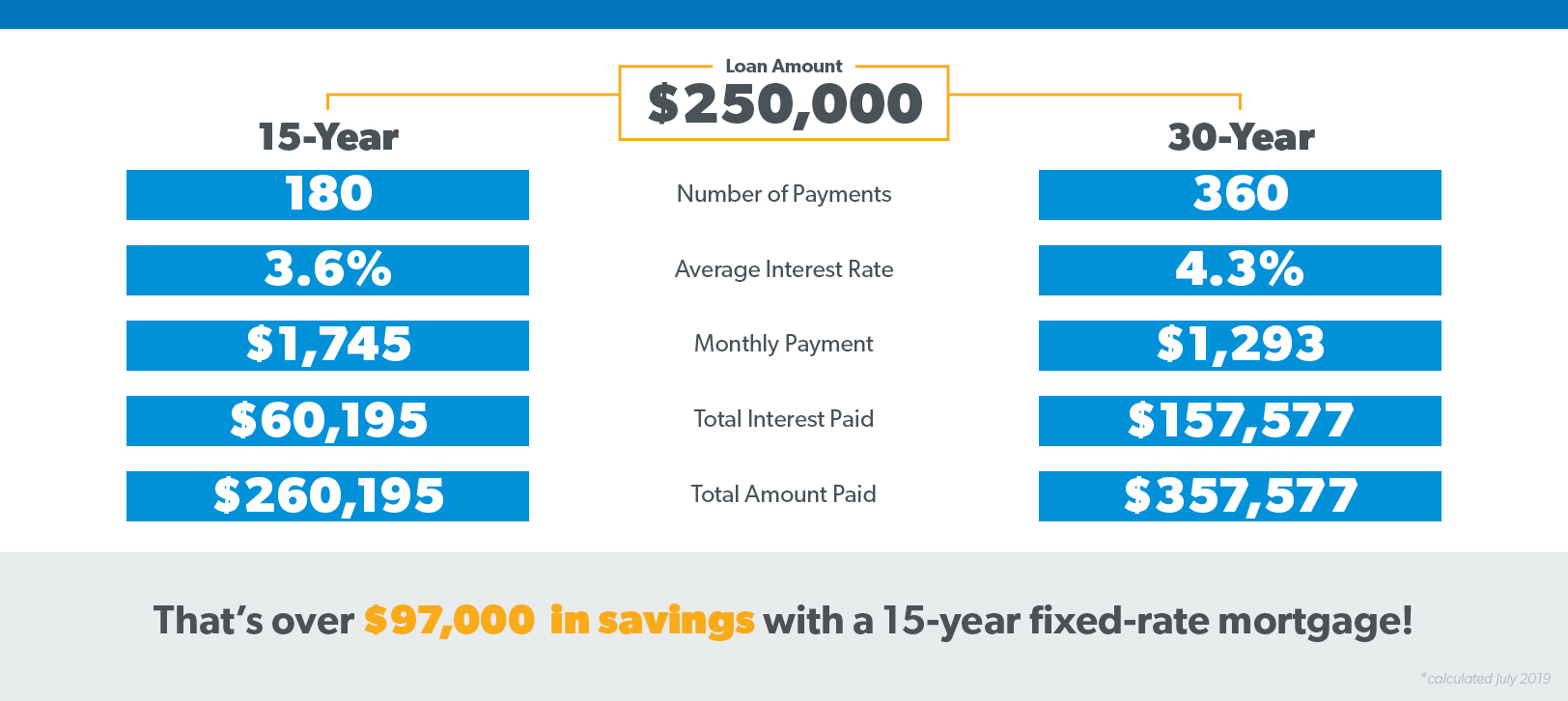
The most profound advantage of the 15-year fixed mortgage is the reduction in total interest paid. Because the interest rate is lower and the principal is paid down much faster, the total interest cost is often less than half of what one would pay on a 30-year mortgage for the same loan amount. For example, on a $400,000 loan, the difference in total interest between a 30-year term at 7% and a 15-year term at 6.25% can exceed $300,000. This is capital that remains in the borrower’s pocket rather than being transferred to a financial institution.
Faster Equity Accumulation
Equity is the portion of your home you truly “own.” In the early years of a 30-year mortgage, the vast majority of your monthly payment goes toward interest, with very little touching the principal. In contrast, the amortization schedule of a 15-year mortgage is aggressive from day one. Within just five to seven years, a 15-year borrower has typically built more equity than a 30-year borrower would in fifteen years. This provides a safety net against market downturns and offers more flexibility if the homeowner needs to sell or borrow against the home’s value.
The Trade-off: Monthly Cash Flow vs. Long-term Wealth
The primary deterrent for the 15-year mortgage is the higher monthly obligation. A 15-year payment can be 40% to 50% higher than a 30-year payment. For some, this “forced savings” is a benefit, ensuring that a large portion of their income is funneled into a tangible asset. However, for others, it limits their ability to invest in the stock market, contribute to retirement accounts, or maintain an emergency fund. The 15-year mortgage is a commitment to “certainty” over “liquidity.”
How to Secure the Lowest 15-Year Fixed Rate
Securing a competitive rate requires more than just a good credit score; it requires a strategic approach to the lending market.
Shopping Multiple Lenders
Mortgage rates are not uniform across the industry. Large commercial banks, credit unions, and independent mortgage brokers all have different “appetites” for 15-year loans at different times. A credit union might offer a lower rate because they intend to keep the loan in their own portfolio rather than selling it. Conversely, an online lender might have lower overhead and pass those savings to the consumer. Obtaining at least three “Loan Estimates” is the single most effective way to ensure you are receiving the current market’s best rate.
Buying Down the Rate with Points
“Discount points” are upfront fees paid to the lender at closing in exchange for a lower interest rate. One point typically costs 1% of the loan amount and reduces the interest rate by approximately 0.25%. For a 15-year mortgage, points often make more sense than they do for a 30-year mortgage because the “break-even point”—the time it takes for the monthly savings to exceed the initial cost of the points—is reached faster due to the shorter term.
Timing the Market and Rate Locks
Because rates change daily, timing matters. Most lenders offer a “rate lock” for 30, 45, or 60 days once you are under contract or in the refinance process. This protects you from rising rates while your loan is being processed. If you believe rates are on a downward trend, you might opt for a “float-down” provision, which allows you to snag a lower rate if the market improves before you close.
Is a 15-Year Mortgage Right for Your Financial Goals?
The decision to pursue a 15-year fixed mortgage should be made within the context of your broader financial plan. It is not merely a loan product; it is a lifestyle and investment choice.
Wealth Building vs. Liquidity
For individuals nearing retirement, a 15-year mortgage is often the ideal tool. The goal is frequently to enter retirement with a primary residence that is free and clear of debt, thereby drastically reducing monthly expenses. However, younger professionals might find that the extra cash required for a 15-year payment would be better served in a diversified brokerage account where the potential returns could theoretically outperform the interest saved on the mortgage.
Refinancing Scenarios
Many homeowners who originally took out a 30-year mortgage look to “reset” into a 15-year fixed rate when interest rates drop. This is a common strategy for those who have seen their income rise and want to accelerate their path to debt freedom. When refinancing, it is vital to calculate the closing costs against the interest savings to ensure the move is mathematically sound.
In conclusion, current 15-year fixed mortgage rates provide a high-octane path to homeownership for those with the financial stability to handle a larger monthly commitment. By locking in a lower rate and a shorter term, you are essentially making a long-term investment in your own net worth. While the broader economy will always dictate the baseline of what rates are possible, your personal financial discipline and your willingness to shop the market will ultimately determine the rate you secure. For the savvy borrower, the 15-year mortgage remains one of the most effective tools for achieving true financial independence.
aViewFromTheCave is a participant in the Amazon Services LLC Associates Program, an affiliate advertising program designed to provide a means for sites to earn advertising fees by advertising and linking to Amazon.com. Amazon, the Amazon logo, AmazonSupply, and the AmazonSupply logo are trademarks of Amazon.com, Inc. or its affiliates. As an Amazon Associate we earn affiliate commissions from qualifying purchases.