
The landscape of the American housing market has undergone a seismic shift over the last few years. For a decade, homebuyers enjoyed historically low interest rates that made borrowing exceptionally affordable. However, as the global economy recalibrated in the wake of unprecedented fiscal stimulus and shifting supply chains, the era of “easy money” came to a definitive end. Today, understanding what current mortgage rates are—and, more importantly, what drives them—is the most critical component of personal finance for anyone looking to enter the real estate market.
Current mortgage rates are not static figures; they are dynamic reflections of the broader economy, influenced by inflation, central bank policy, and investor sentiment. For the modern investor or homeowner, navigating this volatility requires more than just checking a daily ticker. It requires a deep dive into the mechanics of the financial markets and a strategic approach to personal credit management.
Understanding the Macroeconomic Drivers of Mortgage Rates
To understand why mortgage rates sit where they do today, one must look at the broader economic engine. While many believe the Federal Reserve sets mortgage rates directly, the reality is more nuanced. Mortgage rates are primarily influenced by the 10-year Treasury yield and the appetite of investors for mortgage-backed securities (MBS).
The Federal Reserve’s Influence
The Federal Reserve exerts indirect control through the federal funds rate—the interest rate at which commercial banks borrow and lend to each other overnight. When the Fed raises rates to combat inflation, the cost of borrowing increases across the board. While this does not move mortgage rates in a one-to-one ratio, it sets the floor for consumer lending. When the Fed signals a “hawkish” stance (maintaining or raising high rates), mortgage lenders typically price in that risk, leading to higher rates for 30-year and 15-year fixed products.
Inflation and the 10-Year Treasury Yield
Inflation is the natural enemy of fixed-income investments. Because a mortgage is essentially a long-term bond held by an investor, inflation erodes the value of the future payments the investor receives. To compensate for this loss of purchasing power, investors demand higher yields. Historically, there is a strong correlation between the 10-year Treasury note and the 30-year fixed mortgage. Typically, there is a “spread” of about 150 to 300 basis points between the two. In times of economic uncertainty, this spread widens as investors demand a higher premium for the perceived risk of the housing market.
Global Economic Stability
Mortgage rates are also influenced by international events. In times of global geopolitical strife, investors often flee to the safety of U.S. Treasuries—a phenomenon known as a “flight to quality.” This increased demand for bonds drives bond prices up and yields down, which can lead to a temporary softening of mortgage rates even in a high-inflation environment. Conversely, a robust global economy may lead investors away from bonds and into equities, causing rates to climb.
Comparing Modern Loan Products and Their Current Pricing
Not all mortgages are created equal, and the rate you see advertised on the news is usually for a very specific type of borrower. Understanding the different products available is essential for tailoring a loan to your specific financial situation.
The 30-Year Fixed-Rate Mortgage
The 30-year fixed-rate mortgage remains the gold standard for American homeowners. Its primary appeal is stability; your principal and interest payment will remain the same for 360 months, regardless of how high market rates climb in the future. Because the lender is taking on the risk of inflation for three decades, these loans carry the highest interest rates among standard products.
The 15-Year Fixed-Rate Mortgage
For those with higher monthly cash flow, the 15-year fixed-rate mortgage offers a significant financial advantage. Rates on 15-year loans are typically 0.50% to 1.00% lower than their 30-year counterparts. Furthermore, because the principal is paid down much faster, the total interest paid over the life of the loan is drastically reduced. This is a powerful tool for long-term wealth building, though it requires a much higher monthly commitment.
Adjustable-Rate Mortgages (ARMs)
In a high-rate environment, ARMs often see a resurgence in popularity. An ARM typically offers a lower “teaser” rate for an initial period—usually 5, 7, or 10 years. After this period, the rate adjusts annually based on a specific index, such as the SOFR (Secured Overnight Financing Rate). ARMs are sophisticated financial tools best suited for borrowers who plan to sell or refinance before the initial fixed period ends. However, they carry the inherent risk of payment shock if rates are significantly higher at the time of adjustment.
Government-Backed Loans (FHA, VA, USDA)
Current rates for FHA and VA loans are often lower than conventional rates. This is because these loans are insured or guaranteed by the federal government, reducing the risk to the lender. VA loans, available to veterans and active-duty service members, often offer the lowest rates in the market with zero down payment. FHA loans are designed for those with lower credit scores or smaller down payments, though they do require mortgage insurance premiums (MIP) that can increase the effective cost of the loan.
How Your Financial Profile Dictates Your Specific Rate
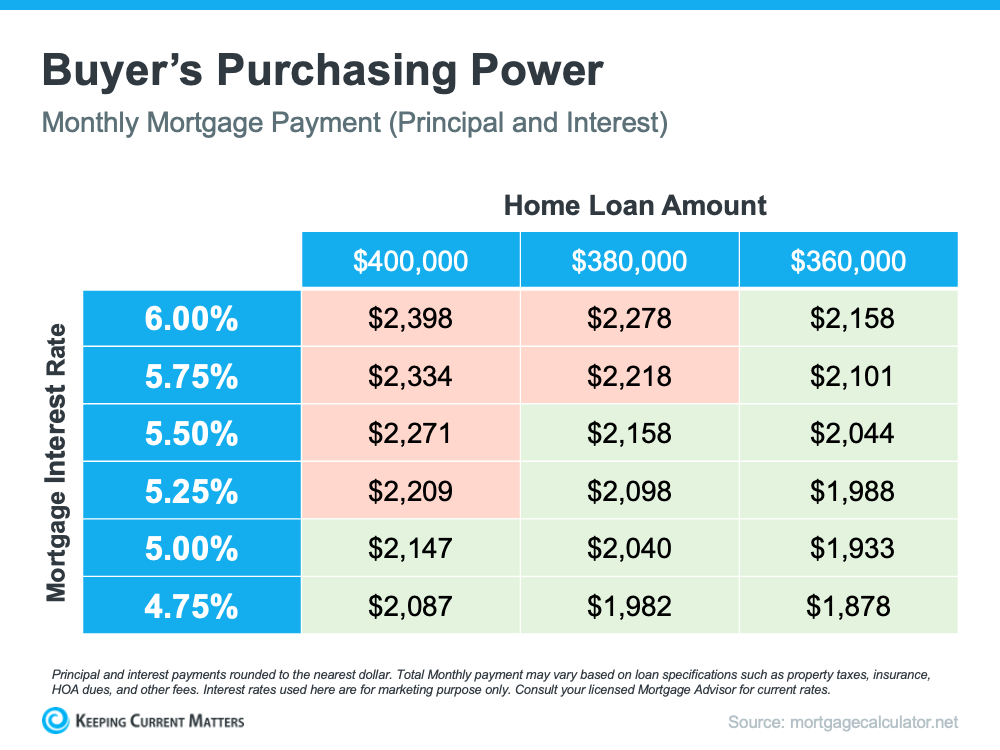
The “headline rate” you see in financial news is an average. The actual rate a lender offers you—the “par rate”—is determined by your individual risk profile. In the world of personal finance, your “borrower persona” is everything.
The Power of the Credit Score
Your FICO score is the single most influential factor in determining your mortgage rate. Lenders categorize borrowers into tiers. A borrower with a score of 760 or higher will likely receive the lowest available rates. A borrower with a score of 660 might face a rate that is a full percentage point higher, which can equate to tens of thousands of dollars in extra interest over the life of the loan. Improving your credit score by even 20 points before applying for a mortgage can result in significant monthly savings.
Down Payment Size and Loan-to-Value (LTV)
The more equity you have in the home from day one, the less risk the lender assumes. A 20% down payment is the traditional benchmark to avoid Private Mortgage Insurance (PMI), but it also helps in securing a better interest rate. High LTV ratios (where the loan amount is close to the home’s value) often trigger “Loan Level Price Adjustments” (LLPAs), which are fees added to the interest rate to offset the lender’s risk.
Debt-to-Income (DTI) Ratios
Lenders look at your DTI to ensure you aren’t overleveraged. This is the percentage of your gross monthly income that goes toward paying debts. While a high DTI might not always increase your interest rate directly, it can limit the loan products available to you, forcing you into higher-cost options or requiring you to pay more in points to qualify.
Strategic Tactics to Secure a Lower Mortgage Rate
In a market where rates are higher than in previous years, savvy borrowers must use every tool at their disposal to lower their monthly obligations.
Purchasing Discount Points
One of the most effective ways to lower a rate is through “buying down the rate” using discount points. One point is equal to 1% of the loan amount. By paying this fee at closing, the borrower can permanently lower their interest rate. The decision to buy points depends on the “break-even point”—the amount of time it takes for the monthly savings to exceed the upfront cost. If you plan to stay in the home for a decade or more, buying points is often a wise financial move.
Comparison Shopping and Loan Estimates
Mortgage rates can vary significantly from one lender to another. Large national banks, local credit unions, and online mortgage brokers all have different overhead costs and risk tolerances. By obtaining at least three Loan Estimates, borrowers can leverage offers against each other. Research shows that shoppers who get five quotes save an average of $3,000 over the life of the loan.
Rate Locks
Given the volatility of the current market, a rate lock is essential. Once you find a rate you are comfortable with, a lender can “lock” that rate for a period of 30, 45, or 60 days while the loan is processed. Some lenders even offer “float-down” provisions, which allow you to lock in a rate but still take advantage if market rates drop before you close.
Market Predictions and Long-Term Financial Planning
The question of “what are current mortgage rates” is usually followed by “where are they going?” While no one has a crystal ball, historical context provides a necessary perspective.
Historical Context of Interest Rates
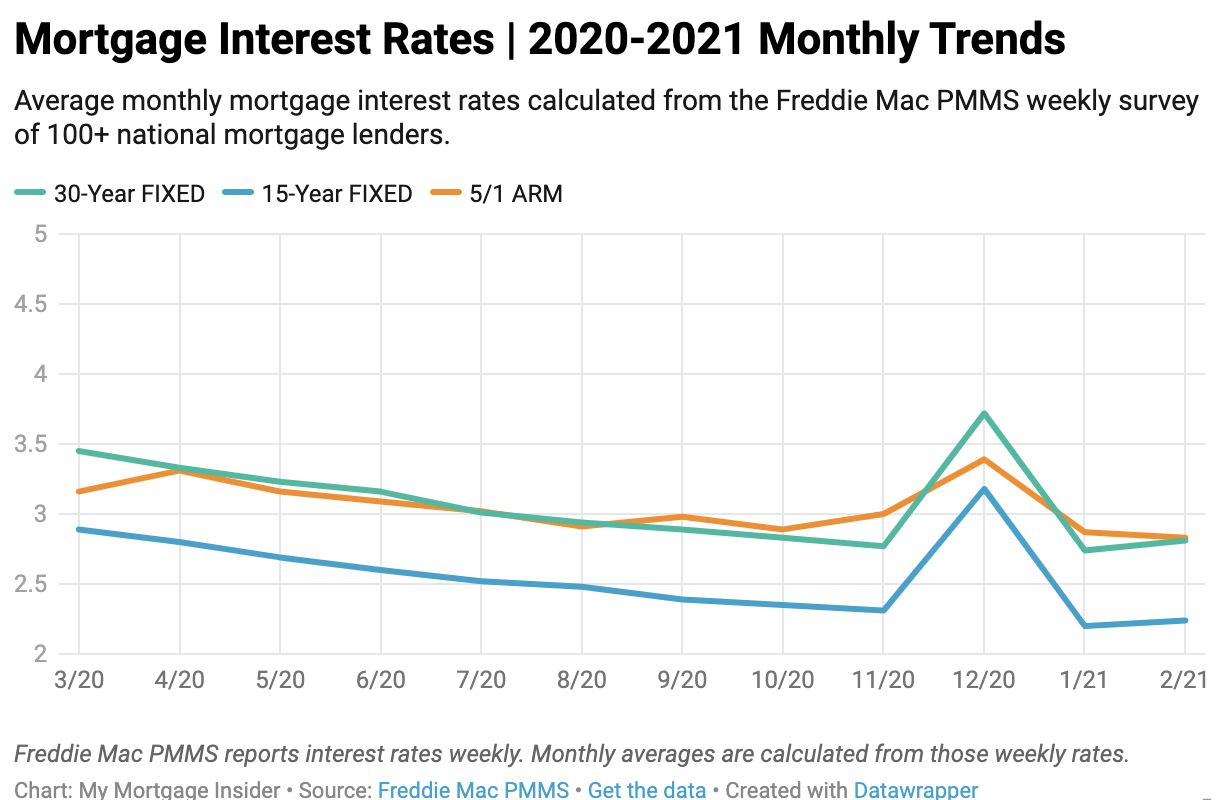
While current rates may feel high compared to the 2.5% or 3% rates of 2020 and 2021, they are actually quite moderate when viewed through a 50-year lens. In the early 1980s, mortgage rates peaked near 18%. Throughout the 1990s and early 2000s, rates in the 6% to 8% range were considered standard. Modern buyers are adjusting to a “new normal” that is actually a return to historical averages.
“Marry the House, Date the Rate”
A popular mantra in the current real estate market is “marry the house, date the rate.” This philosophy suggests that if you find the right property, you should purchase it despite higher rates, with the intention of refinancing when rates eventually drop. While this is a viable strategy, it requires careful financial planning. A borrower must be able to comfortably afford the current payment today, as there is no guarantee that rates will fall significantly in the near term.

The Role of Equity and Appreciation
Even with higher mortgage rates, real estate remains a primary driver of net worth for the average person. While high rates might slow the pace of price appreciation, they rarely lead to a total collapse in home values in high-demand areas. For the long-term investor, the benefits of principal reduction and potential tax deductions for mortgage interest often outweigh the costs of a higher interest rate.
Ultimately, navigating current mortgage rates requires a blend of macroeconomic awareness and meticulous personal financial management. By understanding the forces at play and optimizing your credit profile, you can secure a mortgage that serves as a foundation for long-term financial stability, regardless of the fluctuations in the global market.
aViewFromTheCave is a participant in the Amazon Services LLC Associates Program, an affiliate advertising program designed to provide a means for sites to earn advertising fees by advertising and linking to Amazon.com. Amazon, the Amazon logo, AmazonSupply, and the AmazonSupply logo are trademarks of Amazon.com, Inc. or its affiliates. As an Amazon Associate we earn affiliate commissions from qualifying purchases.