
Navigating the housing market requires more than just finding the perfect neighborhood or a modern floor plan; it demands a deep understanding of the financial mechanisms that determine the cost of borrowing. Interest rates are the heartbeat of the real estate industry, fluctuating based on a complex web of economic indicators, government policies, and global market sentiment. For the prospective homebuyer or the seasoned real estate investor, understanding where current house interest rates stand—and why they are there—is the cornerstone of sound financial planning.
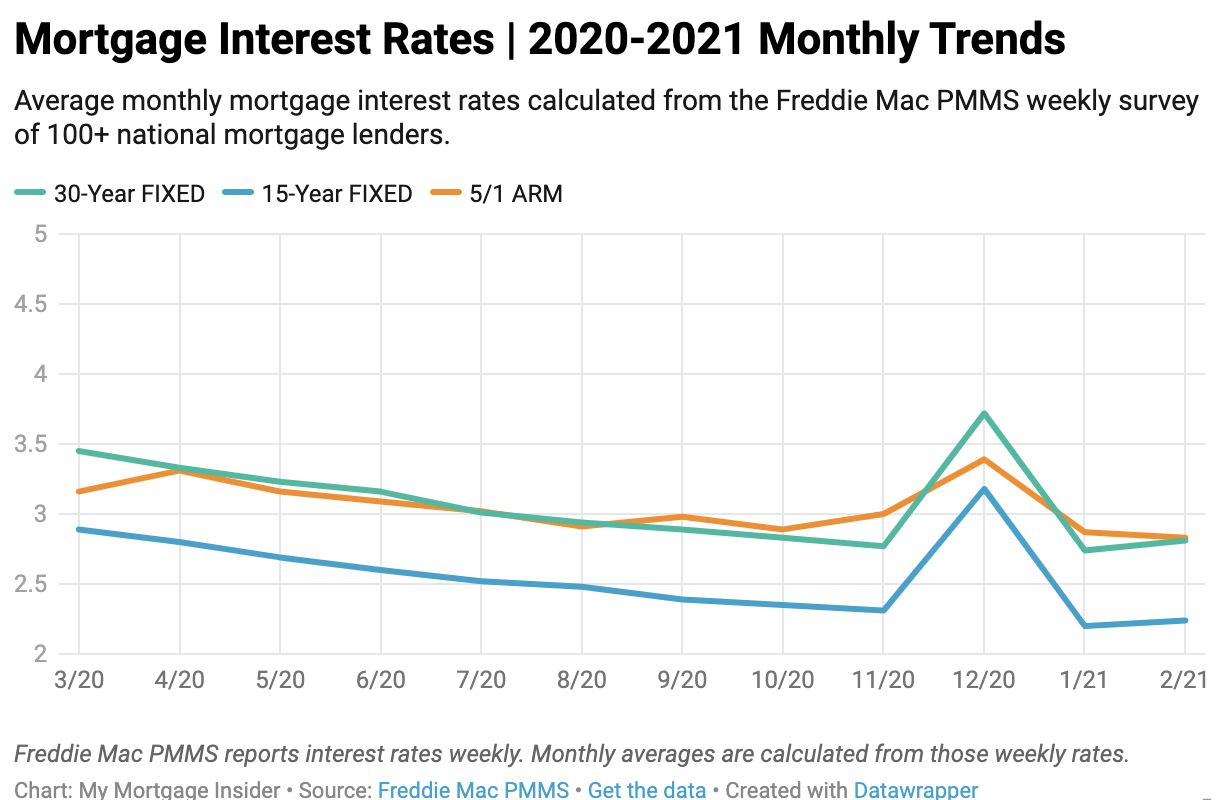
In the current economic climate, the era of historically low, sub-3% mortgage rates has transitioned into a more volatile period of normalization. While the rapid ascent of rates can feel daunting, viewing these figures through a lens of personal finance and long-term investment strategy provides the clarity needed to make informed decisions. This guide explores the drivers of current interest rates, the types of loans available, and how individuals can optimize their financial profiles to secure the most favorable terms possible.
The Macroeconomic Drivers Behind Current Mortgage Rates
To understand current house interest rates, one must look beyond the local bank and toward the broader economic landscape. Mortgage rates are not set by a single entity; rather, they are a reflection of several interconnected forces that dictate the price of capital.
The Role of the Federal Reserve and the Federal Funds Rate
While the Federal Reserve does not directly set mortgage rates, its influence is profound. The Fed controls the federal funds rate—the interest rate at which commercial banks borrow and lend to one another overnight. When the Fed raises this rate to combat inflation, it increases the cost of doing business for banks. These institutions then pass those costs on to consumers in the form of higher interest rates for credit cards, personal loans, and mortgages. In recent years, the Fed’s aggressive stance on tempering inflation has been a primary catalyst for the upward trajectory of mortgage rates.
Inflation and the 10-Year Treasury Yield
Inflation is perhaps the most significant long-term enemy of fixed-income investors. Because mortgage-backed securities (MBS) offer a fixed return over time, rising inflation erodes the purchasing power of those future payments. To compensate for this risk, investors demand higher yields. Mortgage rates typically track the movement of the 10-year Treasury yield very closely. When the yield on the 10-year Treasury rises, mortgage rates almost always follow suit. Monitoring the spread between these two figures provides a window into how lenders are pricing risk in the current market.
Economic Health and Global Stability
The strength of the labor market and general economic growth also play a role. A robust economy often leads to higher rates as demand for credit increases. Conversely, during periods of economic uncertainty or recession, “flight to safety” behavior drives investors toward bonds, which can lower yields and, subsequently, mortgage rates. Understanding these cycles is essential for timing a home purchase or a refinance.
Navigating Mortgage Products in a High-Rate Environment
Not all mortgage rates are created equal. Depending on a borrower’s financial goals and risk tolerance, different products offer varying rate structures. In a higher-rate environment, the choice of loan type becomes even more critical to long-term wealth preservation.
Fixed-Rate Mortgages: The Standard for Stability
The 30-year fixed-rate mortgage remains the most popular choice for American homeowners. It offers the security of a consistent monthly payment for three decades, insulating the borrower from future rate hikes. However, because the lender takes on more long-term risk, the interest rate on a 30-year loan is typically higher than shorter-term options.
The 15-year fixed-rate mortgage is an excellent tool for those focused on rapid equity building and interest savings. These loans carry significantly lower interest rates than their 30-year counterparts. While the monthly payments are higher due to the shorter amortization period, the total interest paid over the life of the loan is drastically reduced, often by hundreds of thousands of dollars.
Adjustable-Rate Mortgages (ARMs)
In a market where rates are high but expected to fall in the future, Adjustable-Rate Mortgages (ARMs) often see a surge in popularity. An ARM typically offers a lower “teaser” rate for an initial period—usually five, seven, or ten years. After this period, the rate adjusts annually based on market indices. For buyers who plan to sell the home or refinance before the initial period ends, an ARM can be a strategic way to lower monthly costs in the short term.
Government-Backed Loans: FHA, VA, and USDA
For many, the “current rate” is determined by the specific type of government backing the loan. FHA loans, geared toward those with lower credit scores or smaller down payments, often have competitive interest rates but come with the added cost of Mortgage Insurance Premiums (MIP). VA loans for veterans and USDA loans for rural buyers often offer some of the lowest rates on the market, frequently with zero down payment requirements, making them powerful financial tools for eligible individuals.

Quantifying the Impact on Purchasing Power and Personal Wealth
A common mistake in personal finance is focusing solely on the home’s purchase price while ignoring the “cost of money.” Even a marginal shift in interest rates can have a transformative effect on a household’s monthly budget and long-term net worth.
The Monthly Payment Reality
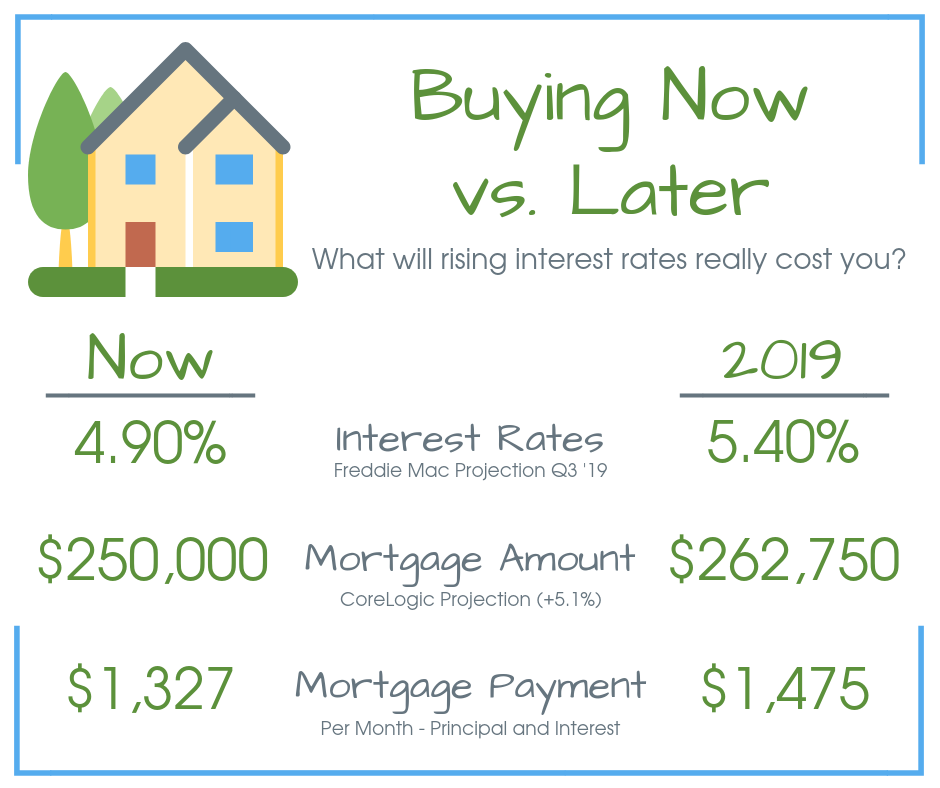
To put this into perspective, consider a $400,000 mortgage. At a 4% interest rate, the monthly principal and interest payment is approximately $1,910. If that rate rises to 7%, the payment jumps to roughly $2,661. This $751 monthly difference represents nearly $9,000 a year in additional costs. For many families, this shift determines whether a home is affordable or if they must look for a lower-priced property.
Total Interest Paid Over Time
The long-term implications are even more staggering. Over the life of a 30-year loan at 4%, the total interest paid is about $287,000. At 7%, that figure balloons to over $558,000. In this scenario, the borrower is paying nearly double the original loan amount in interest alone. Understanding these numbers highlights why securing even a slightly lower rate—through better credit or buying “points”—is one of the most impactful financial moves a person can make.
Opportunity Cost and Investment Strategy
From an investment standpoint, high interest rates change the “hurdle rate” for real estate. When borrowing costs are low, even modest appreciation can lead to significant gains. When rates are high, the property must either generate higher rental income or appreciate more aggressively to remain a viable investment compared to other asset classes, such as index funds or high-yield bonds.
Strategies for Securing the Best Possible Interest Rate
While macroeconomics determines the “floor” for interest rates, an individual’s financial profile determines how far above that floor their specific rate will be. In a competitive market, being “rate-ready” is a massive advantage.
Optimizing Your Credit Score
Lenders use credit scores as a proxy for risk. Generally, the best rates are reserved for those with a score of 740 or higher. Improving a credit score by just 20 or 30 points can move a borrower into a new “tier,” potentially shaving 0.25% to 0.50% off their interest rate. This involves paying down revolving debt, ensuring all payments are made on time, and avoiding new credit inquiries in the months leading up to a mortgage application.
The Power of a Larger Down Payment
The Loan-to-Value (LTV) ratio is a critical component of rate pricing. A borrower putting 20% down represents much less risk to a lender than one putting 3.5% down. Higher equity positions often lead to lower interest rates and the elimination of private mortgage insurance (PMI), further reducing the monthly financial burden.
Buying Down the Rate with Points
“Discount points” allow borrowers to pay an upfront fee to lower their interest rate. One point typically costs 1% of the loan amount and reduces the rate by about 0.25%. This is a strategic move for those who plan to stay in their home for a long time (the “break-even” period is usually five to seven years). It is essentially a way to prepay interest to secure a lower monthly obligation.
Shopping Around and Comparison Lending
Perhaps the simplest way to find a better rate is to shop around. Current house interest rates can vary significantly from one lender to another. By obtaining Loan Estimates from at least three different sources—such as a national bank, a local credit union, and an online mortgage broker—borrowers can leverage competing offers to negotiate better terms.
The Long-Term Perspective: Real Estate in a High-Rate Cycle
It is easy to become discouraged when current interest rates are higher than the historical anomalies of the early 2020s. However, perspective is key to sound financial management. Historically, the average interest rate for a 30-year fixed mortgage has hovered around 7% to 8%. While the 3% era was a boon for many, the current environment is a return to a more traditional market.
Real estate remains a primary vehicle for wealth creation through equity build-up, tax advantages, and potential appreciation. Strategies such as “refinancing later” allow buyers to enter the market now and adjust their financial structure if rates drop in the future. In the world of personal finance, the goal is not always to find the lowest rate in history, but to find a rate that fits within a sustainable, long-term financial plan. By understanding the mechanics of interest rates, focusing on credit health, and choosing the right mortgage product, individuals can confidently navigate the housing market regardless of the current economic climate.
aViewFromTheCave is a participant in the Amazon Services LLC Associates Program, an affiliate advertising program designed to provide a means for sites to earn advertising fees by advertising and linking to Amazon.com. Amazon, the Amazon logo, AmazonSupply, and the AmazonSupply logo are trademarks of Amazon.com, Inc. or its affiliates. As an Amazon Associate we earn affiliate commissions from qualifying purchases.