
The question of how much the average mortgage costs is more than just a inquiry into a monthly line item; it is a pulse check on the economic health of the modern household. As the single largest financial commitment most individuals will ever make, the mortgage dictates lifestyle choices, retirement timelines, and overall financial security. In recent years, the landscape of home financing has shifted dramatically, driven by volatile interest rates, fluctuating housing inventory, and evolving lending standards. To understand the “average” mortgage today, one must look beyond a single number and examine the interplay of principal, interest, geography, and personal financial health.
The Current Landscape of Mortgage Debt and Monthly Payments
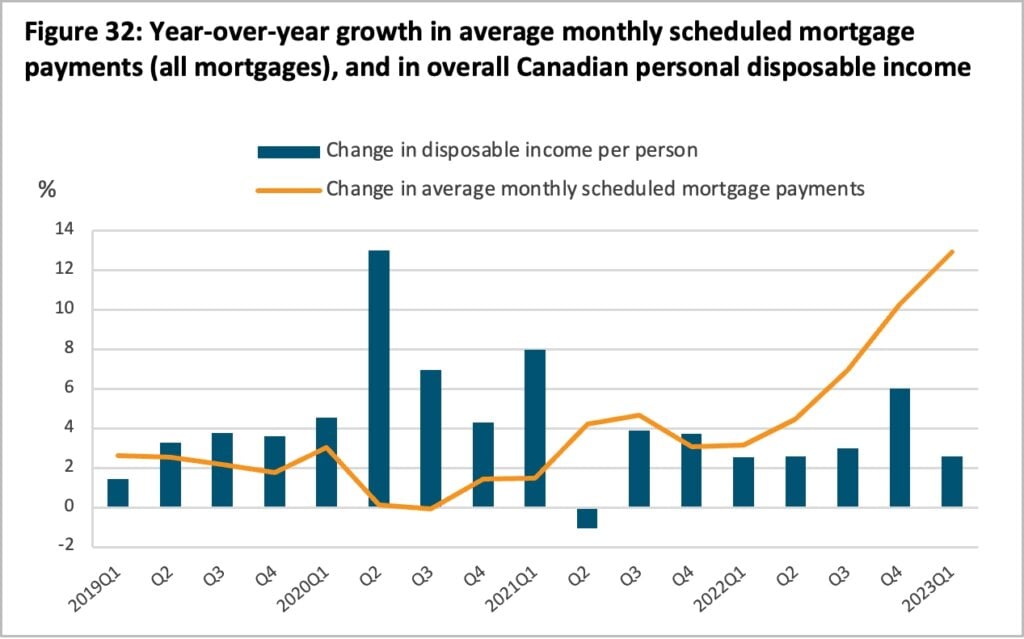
As of 2024, the average monthly mortgage payment in the United States has seen a significant upward trajectory. While historical averages once hovered comfortably between $1,200 and $1,500, current data from the Mortgage Bankers Association and the National Association of Realtors suggests that the median monthly payment for new applicants now fluctuates between $2,100 and $2,600. This spike is not merely a result of rising home prices, which have reached record highs in many metropolitan areas, but is primarily a consequence of the Federal Reserve’s aggressive interest rate hikes designed to combat inflation.
National Averages vs. Regional Realities
When discussing the average mortgage, geography is perhaps the most significant variable. In states like West Virginia, Ohio, or Arkansas, a homeowner might still find an average monthly payment below $1,400. Conversely, in high-cost-of-living states such as California, Hawaii, or New York, the average mortgage payment can easily exceed $3,500 or even $4,000. These regional discrepancies are fueled by land scarcity, local tax codes, and the concentration of high-wage industries. For a personal finance strategist, this highlights the importance of “geo-arbitrage”—the practice of earning a high salary in a remote capacity while living in a region where the average mortgage is significantly lower.
The Impact of Interest Rates on Borrowing Power
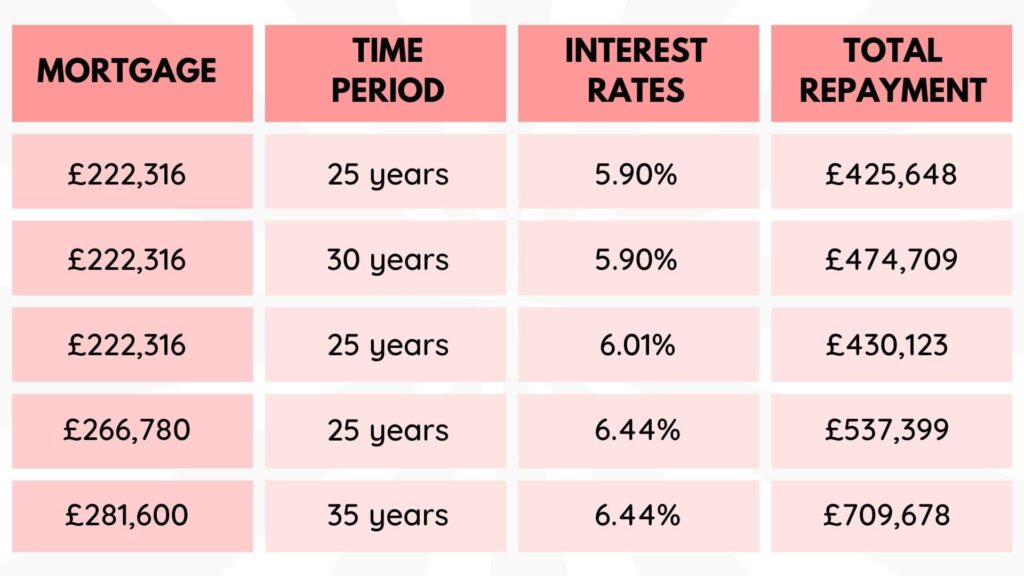
The “cost” of a mortgage is intrinsically linked to the interest rate. A difference of just 1% on a 30-year fixed-rate mortgage can translate to tens of thousands of dollars over the life of the loan. For example, a $400,000 loan at a 3% interest rate results in a monthly principal and interest payment of roughly $1,686. That same loan at a 7% interest rate jumps to approximately $2,661. This $975 monthly difference represents capital that could otherwise be directed toward retirement accounts, education funds, or liquid investments. This reality has forced many buyers to recalibrate their expectations, opting for smaller homes or different neighborhoods to keep their monthly obligations within a manageable range.
Breaking Down the Components of a Mortgage Payment
To truly understand what goes into the average mortgage payment, one must deconstruct the acronym PITI: Principal, Interest, Taxes, and Insurance. Each of these components plays a vital role in determining the total amount drafted from a bank account each month.
Principal and Interest: The Core Elements
The principal is the amount of money borrowed to purchase the home, while interest is the fee charged by the lender for the use of that money. In the early years of a standard 30-year mortgage, the payment is heavily weighted toward interest due to the way amortization schedules are structured. As the loan matures, a larger portion of the payment is applied to the principal balance. For those looking to build equity faster, understanding the amortization schedule is crucial, as it reveals the long-term cost of borrowing and the benefits of making additional principal-only payments.
Property Taxes and Homeowners Insurance
Beyond the debt itself, the average mortgage includes escrowed amounts for property taxes and homeowners insurance. Property taxes vary wildly by municipality; some states have no state income tax but offset this with high property tax rates. Similarly, insurance premiums are influenced by the home’s location and its susceptibility to natural disasters like floods, fires, or hurricanes. On average, homeowners can expect to pay between $150 and $500 per month for these combined expenses, though this figure can be much higher in coastal or high-tax regions.
Private Mortgage Insurance (PMI)
For buyers who put down less than 20% of the home’s purchase price, Private Mortgage Insurance (PMI) is usually a mandatory addition to the monthly bill. PMI protects the lender in case of default, but it provides no direct benefit to the homeowner. The cost typically ranges from 0.5% to 1.5% of the total loan amount annually. On a $400,000 mortgage, this can add an extra $150 to $300 to the monthly payment. Eliminating PMI by reaching 20% equity is often one of the first major milestones in a savvy personal finance plan.
Factors That Influence Your Personal Mortgage Average
While national statistics provide a benchmark, your individual mortgage cost is determined by a unique set of financial metrics. Understanding these levers allows a borrower to optimize their debt and minimize unnecessary expenses.
Credit Score and Risk Pricing
The interest rate offered by a lender is a direct reflection of the perceived risk. A borrower with a “very good” to “exceptional” credit score (740 to 850) will qualify for the lowest available rates. Conversely, a borrower with a “fair” score (580 to 669) might face interest rates that are 1.5% to 2% higher. Over the life of a mortgage, this credit score gap can cost a homeowner upwards of $100,000. Consequently, credit repair and optimization should be the first step for anyone preparing to enter the housing market.
Loan Term Length: The 15-Year vs. 30-Year Debate
The average mortgage is typically a 30-year fixed-rate loan because it offers the lowest possible monthly payment and the most flexibility. However, 15-year mortgages often come with lower interest rates. While the monthly payment on a 15-year loan is significantly higher, the total interest paid over the life of the loan is drastically lower. From a wealth-building perspective, the 15-year mortgage is a powerhouse for equity growth, though it requires a higher monthly cash flow commitment.
Down Payment Size and Loan-to-Value Ratio
The size of the down payment determines the Loan-to-Value (LTV) ratio. A higher down payment reduces the total principal amount, lowers the interest rate, and eliminates the need for PMI. In the current market, many buyers are utilizing “gift funds” or tapping into 401(k) loans to increase their down payments, aiming to lower their monthly averages to a level that aligns with their disposable income.
Strategies to Manage and Reduce Mortgage Expenses
In a high-interest-rate environment, managing a mortgage requires a proactive approach. Rather than viewing the mortgage as a static monthly bill, homeowners should treat it as a dynamic piece of their financial portfolio.
Refinancing and Recasting
When interest rates drop, refinancing allows a homeowner to replace their current mortgage with a new one at a lower rate. This can reduce the monthly payment or shorten the loan term. However, refinancing involves closing costs. An alternative is “mortgage recasting,” where a homeowner pays a large lump sum toward the principal and the lender recalculates the monthly payments based on the new, lower balance. Unlike refinancing, recasting usually has a very low administrative fee and does not change the interest rate, making it an excellent tool for those who suddenly acquire capital through bonuses or inheritances.
The Power of Accelerated Payments
One of the most effective ways to lower the “true cost” of a mortgage is to make extra payments. By making one additional monthly payment per year—or by simply rounding up the monthly check—a homeowner can shave years off their mortgage and save tens of thousands in interest. For example, on a 30-year mortgage, paying just $100 extra each month can shorten the loan by several years, effectively turning the debt into a tool for accelerated equity building.

The Long-Term Outlook: Real Estate as a Financial Tool
Despite the rising average costs, the mortgage remains one of the few forms of “good debt” available to the average investor. Unlike consumer debt, a mortgage is tied to an appreciating asset. Over time, inflation tends to erode the “real” value of the mortgage payment; as wages rise and the dollar loses purchasing power, the fixed mortgage payment stays the same, effectively becoming cheaper in real terms.
Furthermore, homeownership serves as a forced savings vehicle. Each monthly payment contributes to the homeowner’s net worth through principal reduction. In the context of a holistic financial plan, the goal isn’t necessarily to have the lowest mortgage possible, but to have a mortgage that is well-leveraged against other investment opportunities. If a homeowner can earn 8% in the stock market while paying 5% on a mortgage, the “spread” suggests that maintaining the mortgage might be more mathematically sound than paying it off early.
Ultimately, the average mortgage is a reflection of the broader economy, but the individual mortgage is a reflection of personal discipline and strategic planning. By understanding the components, market trends, and optimization strategies, homeowners can transform their mortgage from a daunting monthly expense into a foundational pillar of long-term wealth.
aViewFromTheCave is a participant in the Amazon Services LLC Associates Program, an affiliate advertising program designed to provide a means for sites to earn advertising fees by advertising and linking to Amazon.com. Amazon, the Amazon logo, AmazonSupply, and the AmazonSupply logo are trademarks of Amazon.com, Inc. or its affiliates. As an Amazon Associate we earn affiliate commissions from qualifying purchases.