
In the intricate world of personal finance, understanding your credit report is paramount to unlocking financial opportunities. While many consumers are familiar with terms like credit scores, credit utilization, and payment history, the presence of “collections” on a credit report can be a source of confusion and significant concern. This article will demystify what collections are, how they land on your report, the profound impact they can have on your financial journey, and what steps you can take to manage and mitigate their effects. Drawing insights from the intersection of technology, brand perception, and the core principles of money management, we’ll explore how collections can influence your financial brand and what digital tools can aid in your financial recovery.
The Anatomy of a Collection Account: When Debt Becomes a Report Item
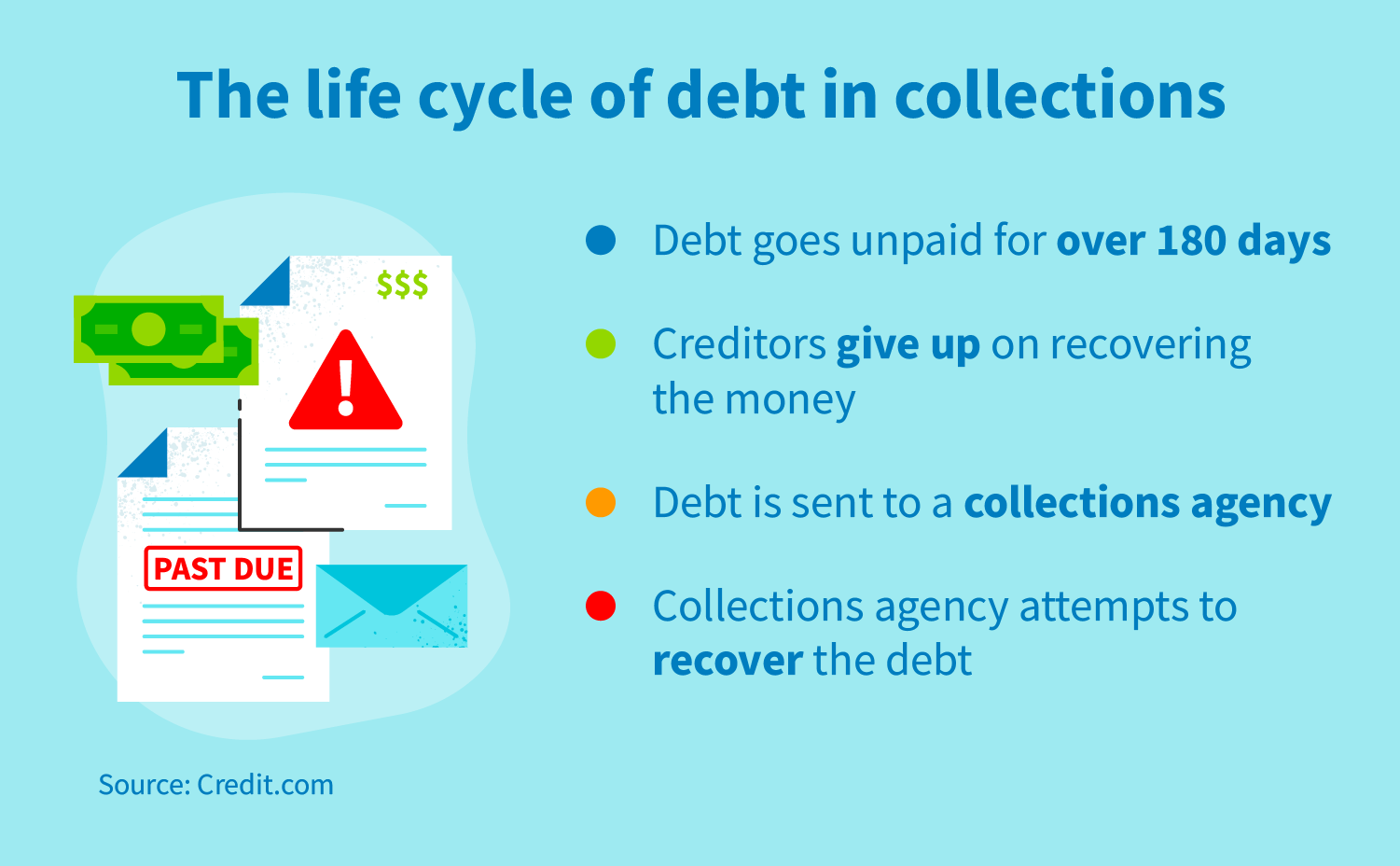
At its core, a collection account signifies that a debt has been deemed delinquent and has been transferred from the original creditor to a third-party debt collection agency. This typically occurs after a borrower has failed to make payments for an extended period, often 90 to 180 days past due, though the exact timeframe can vary by creditor.
How a Debt Enters Collections: The Escalation of Delinquency
The journey from a missed payment to a collection account is a progressive one. It begins with simple reminders from your original creditor – phone calls, emails, and letters. If these efforts to recover the outstanding balance are unsuccessful, the creditor may eventually write off the debt as a loss. This “charge-off” is a significant step, indicating the creditor’s belief that they are unlikely to recover the full amount owed.
Once a debt is charged off, the original creditor has a few options. They might continue to pursue the debt internally, or, more commonly, they will sell the debt to a debt collection agency. This agency, in turn, will then attempt to collect the outstanding amount. It’s at this point that the collection account will typically appear on your credit report.
The Information Reported: What You’ll See on Your Credit Report
When a collection account is reported to the credit bureaus (Equifax, Experian, and TransUnion), it typically includes several key pieces of information:
- The Name of the Collection Agency: This is the entity now attempting to collect the debt.
- The Original Creditor: Identifying who you originally owed the money to provides context.
- The Original Debt Amount: The outstanding balance at the time of the charge-off.
- The Date of First Delinquency: This is crucial for understanding how long the debt has been outstanding and when it might eventually fall off your credit report.
- Payment Status: This will clearly indicate that the account is in collections.
The presence of a collection account on your credit report is a red flag to lenders and other entities that assess your creditworthiness. It signals a past inability to manage financial obligations, which can have far-reaching consequences.
The Ripple Effect: How Collections Impact Your Financial Brand and Opportunities
The impact of a collection account extends far beyond just a negative mark on your credit report. It can significantly damage your financial brand, affecting your ability to access essential financial products and services, and even impacting your personal and professional life.
Derailing Your Credit Score: The Direct Financial Repercussions
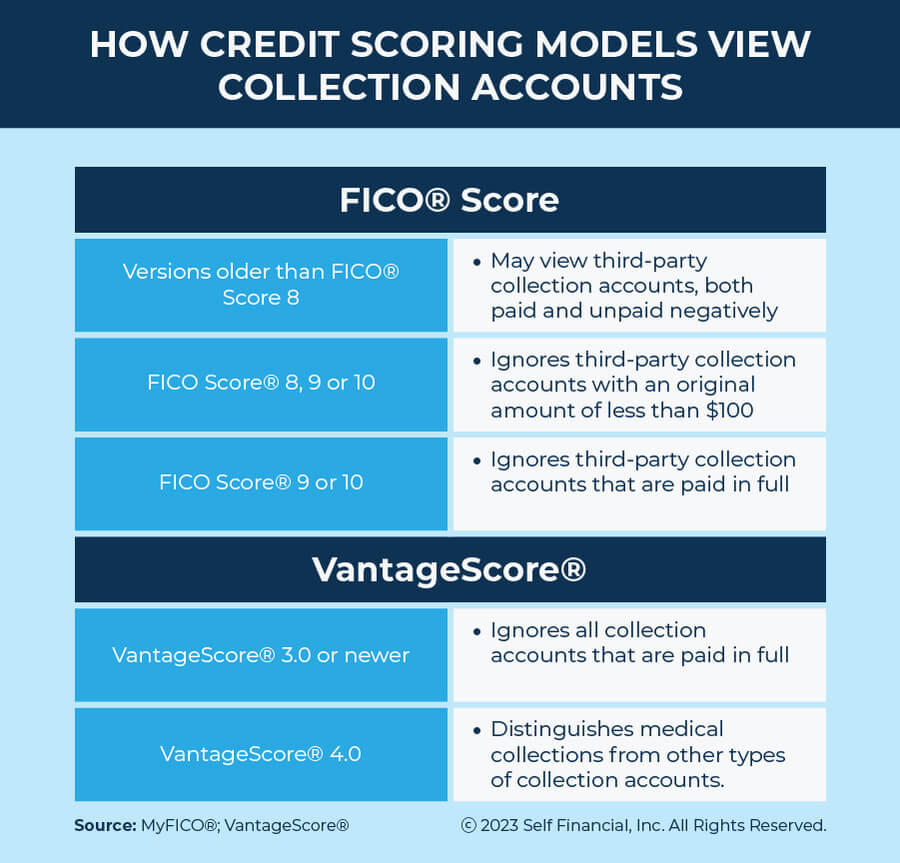
The most immediate and palpable consequence of a collection account is its detrimental effect on your credit score. Credit scoring models, such as FICO and VantageScore, heavily penalize accounts in collections. This is because payment history and the amount of outstanding debt are two of the most influential factors in determining your creditworthiness. A collection account signals a severe lapse in both.
A lower credit score can translate into:
- Higher Interest Rates: Lenders will view you as a higher risk borrower, leading to significantly higher interest rates on mortgages, auto loans, personal loans, and credit cards. Over the life of a loan, this can cost you thousands, if not tens of thousands, of dollars.
- Loan Denials: Many lenders have minimum credit score requirements. A collection account can push your score below these thresholds, making it difficult or impossible to get approved for new credit.
- Increased Security Deposits: For services like utilities, cell phone plans, or even renting an apartment, you may be required to pay higher security deposits because your credit risk is perceived as greater.
Beyond Credit: The Broader Implications of a Collection on Your Financial Reputation
The ramifications of collections can extend beyond traditional financial metrics, touching upon your overall financial reputation and even your personal brand. In an increasingly interconnected world, where digital footprints are constantly being tracked, a collection account can create a negative narrative about your financial responsibility.
- Employment Opportunities: Some employers, particularly those in finance or positions requiring a high degree of trust, conduct credit checks as part of their hiring process. A collection account can raise concerns about an applicant’s reliability and judgment, potentially leading to them being passed over for a job.
- Insurance Premiums: In many states, insurance companies use credit-based insurance scores to help determine your premiums for auto and homeowner’s insurance. A history of collections can lead to higher insurance costs.
- Rental Applications: Landlords often run credit checks on prospective tenants. A collection account can be a significant deterrent, leading to rejection of your rental application, even if you have a stable income.
- Personal Branding: Your financial habits are an intrinsic part of your personal brand. A collection on your credit report can create an unspoken perception of financial instability or irresponsibility, which can subconsciously influence how others perceive you in both personal and professional settings.
Navigating the Collection Landscape: Strategies for Resolution and Recovery
The good news is that a collection account is not a permanent financial scar. With a strategic approach, you can work towards resolving these outstanding debts and improving your financial standing. This often involves a combination of proactive communication, negotiation, and leveraging available financial tools.
Addressing the Debt: Communication and Negotiation Tactics
The first and most crucial step is to acknowledge the collection and not ignore it. Ignoring a collection account will not make it disappear; in fact, it will only allow it to continue to negatively impact your credit and potentially lead to further collection actions, such as lawsuits.
- Verify the Debt: Before making any payments, it’s essential to verify that the debt is valid and belongs to you. You have the right to request validation of the debt from the collection agency within 30 days of their initial contact. This validation should include the amount owed, the original creditor, and proof that the collection agency is authorized to collect the debt.
- Understand Your Rights: Familiarize yourself with the Fair Debt Collection Practices Act (FDCPA). This federal law protects consumers from abusive, deceptive, and unfair debt collection practices. It dictates how and when collection agencies can contact you.
- Negotiate a Settlement: Collection agencies often purchase debts for a fraction of their original value. This gives you leverage to negotiate a settlement for less than the full amount owed. Be prepared to offer a lump-sum payment in exchange for a reduced settlement amount, or propose a payment plan that you can realistically afford.
- “Pay for Delete” Agreements: In some cases, you may be able to negotiate a “pay for delete” agreement. This means that if you pay the debt (either in full or as agreed upon in a settlement), the collection agency will agree to remove the collection account entirely from your credit report. It is crucial to get this agreement in writing before you make any payment. While not always successful, it’s a highly beneficial outcome for your credit report.
- Written Communication is Key: Always conduct your communication with the collection agency in writing (certified mail is recommended). This creates a paper trail and provides documentation for all agreements and discussions.
Leveraging Technology and Financial Tools for Recovery
In today’s digital age, technology offers a wealth of resources to help you manage and overcome collection accounts.
- Credit Monitoring Services: Subscribing to a credit monitoring service can alert you to any new negative information appearing on your credit report, including collection accounts. Many of these services also offer tools to help you dispute inaccurate information and track your credit score improvement.
- Budgeting Apps and Personal Finance Software: Tools like Mint, YNAB (You Need A Budget), or PocketGuard can help you gain a clear picture of your income and expenses, enabling you to create a realistic budget to tackle your outstanding debts. These apps can also help you track payments made towards collection accounts and monitor your overall financial progress.
- AI-Powered Financial Assistants: Emerging AI tools can analyze your financial situation, identify areas where you can save money, and even help you strategize debt repayment. While still evolving, these can offer personalized insights and automated support.
- Online Debt Management Resources: Numerous reputable websites and non-profit organizations offer free educational resources, debt calculators, and guides on managing debt and improving credit. These platforms can be invaluable for learning best practices and understanding your options.
The Long Road to Credit Repair: Patience and Persistence
Once a collection account is resolved, it doesn’t disappear from your credit report immediately. Collection accounts typically remain on your credit report for seven years from the date of the original delinquency. However, their negative impact diminishes over time, especially if you consistently demonstrate positive credit behavior.
- Focus on Positive Credit Habits: The most effective way to counter the negative impact of collections is to build a strong history of positive credit behavior. This includes paying all your bills on time, keeping credit utilization low, and avoiding new credit inquiries.
- Regularly Review Your Credit Reports: Continue to monitor your credit reports annually from each of the three major bureaus. This allows you to ensure accuracy and catch any errors or new issues that may arise.
- Be Patient: Credit repair is a marathon, not a sprint. It takes time and consistent effort to rebuild a damaged credit profile. Celebrate small victories and stay committed to your financial goals.
Conclusion: Rebuilding Your Financial Foundation
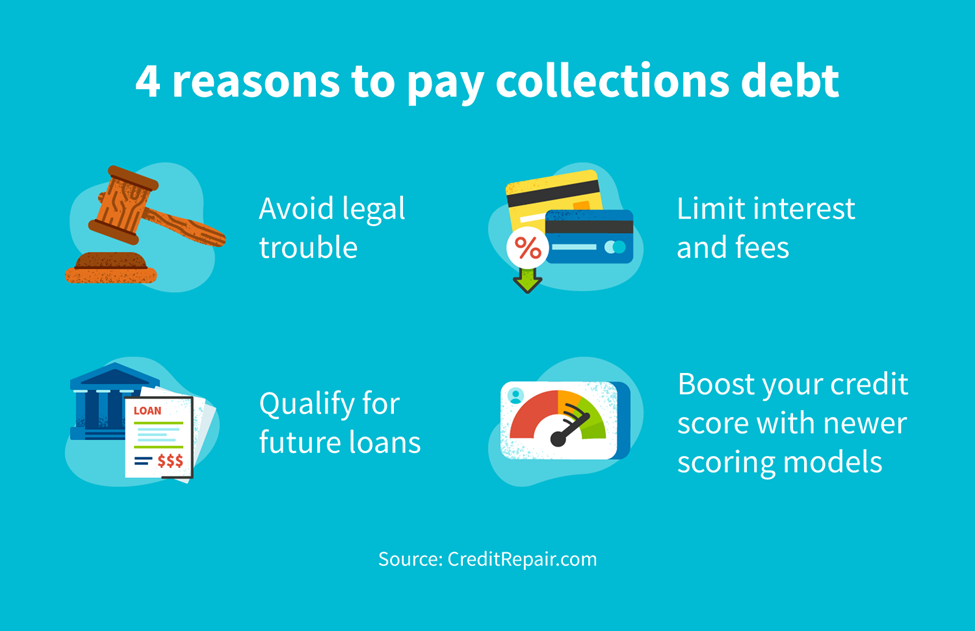
Collections on a credit report represent a significant hurdle in one’s financial journey, but they are not insurmountable. Understanding what they are, how they impact your financial brand, and employing strategic resolution methods are crucial steps towards recovery. By actively engaging with your debts, leveraging technological advancements in personal finance, and maintaining a commitment to responsible financial practices, you can steadily rebuild your creditworthiness and unlock a brighter financial future. Remember, your credit report is a reflection of your financial history, but it doesn’t define your financial destiny. With diligence and a proactive approach, you can transform past financial challenges into stepping stones for future success.
aViewFromTheCave is a participant in the Amazon Services LLC Associates Program, an affiliate advertising program designed to provide a means for sites to earn advertising fees by advertising and linking to Amazon.com. Amazon, the Amazon logo, AmazonSupply, and the AmazonSupply logo are trademarks of Amazon.com, Inc. or its affiliates. As an Amazon Associate we earn affiliate commissions from qualifying purchases.