
In an era defined by rapid technological advancement and an ever-increasing reliance on digital infrastructure, businesses of all sizes face the daunting challenge of managing their complex IT environments. The advent of cloud computing promised unparalleled scalability, flexibility, and cost-efficiency, revolutionizing how companies operate. However, alongside its immense potential, the cloud also introduced new layers of complexity, demanding specialized expertise, constant vigilance, and significant resource allocation. This is precisely where cloud managed services step in, offering a strategic partnership that allows organizations to harness the full power of the cloud without being overwhelmed by its intricacies.

Cloud managed services refer to the outsourcing of day-to-day management, support, and optimization of cloud-based resources and infrastructure to a third-party service provider. This encompasses a broad spectrum of services, from monitoring and maintenance to security, data backup, and performance optimization, all delivered by a team of experts. For businesses navigating the dynamic landscapes of technology, branding, and finance, embracing cloud managed services is no longer just a trend but a strategic imperative that frees up internal resources, enhances security, and ultimately drives innovation and profitability.
The Evolving Landscape of Cloud Computing and Its Challenges
The journey towards digital transformation has been significantly propelled by cloud computing. Its inherent capabilities have reshaped business models, enabling unprecedented agility and reach. Yet, for many organizations, the path to fully leveraging the cloud is fraught with obstacles.
The Promise of Cloud Technology
The allure of cloud technology is undeniable. Its core tenets — scalability, flexibility, and cost-efficiency — represent a powerful value proposition. Businesses can provision resources on demand, scaling up or down to meet fluctuating operational needs without significant upfront capital investment. This pay-as-you-go model transforms IT from a capital expenditure to an operational one, offering greater financial agility. Furthermore, the global reach of cloud providers like AWS, Azure, and Google Cloud Platform allows businesses to deploy applications and services closer to their customers, improving performance and user experience. For those looking to stay competitive in a fast-paced market, adopting the latest software and AI tools becomes more accessible, as the underlying infrastructure is handled by the cloud provider.
The Hidden Complexities
Despite its promises, the cloud is not a magic bullet that solves all IT problems automatically. The very attributes that make it appealing also introduce significant challenges:
- Management Overload: Deploying resources in the cloud is often the easy part; managing them effectively is where the real work begins. This includes continuous monitoring of performance, resource utilization, and cost, as well as regular patching, updates, and configuration management. For businesses without dedicated cloud operations teams, this can quickly become a monumental task, diverting focus from core business activities.
- Security Concerns: While cloud providers offer robust foundational security, the shared responsibility model means that customers are still accountable for securing their data, applications, and configurations within the cloud environment. Misconfigurations are a leading cause of data breaches, highlighting the need for specialized expertise in digital security and compliance, especially with an increasing number of apps and data moving to the cloud.
- Expertise Gap: The rapid evolution of cloud platforms demands highly specialized knowledge. Finding and retaining skilled professionals who are proficient in various cloud technologies, architectures, and security best practices can be incredibly difficult and expensive. This expertise gap often prevents businesses from fully optimizing their cloud environments or recovering quickly from incidents, impacting productivity and financial efficiency.
These complexities can negate the very benefits the cloud promises, turning potential cost savings into unexpected expenditures and agility into operational bottlenecks. This is where cloud managed services emerge as a strategic solution, bridging the gap between cloud potential and operational reality.
Unpacking Cloud Managed Services: A Comprehensive Overview
Cloud managed services are designed to alleviate the burden of cloud management, allowing businesses to focus on their strategic objectives while experts handle the day-to-day operations. These services span a wide array of functions, ensuring that cloud environments are not just operational, but also secure, optimized, and aligned with business goals.
What Exactly Do They Offer?
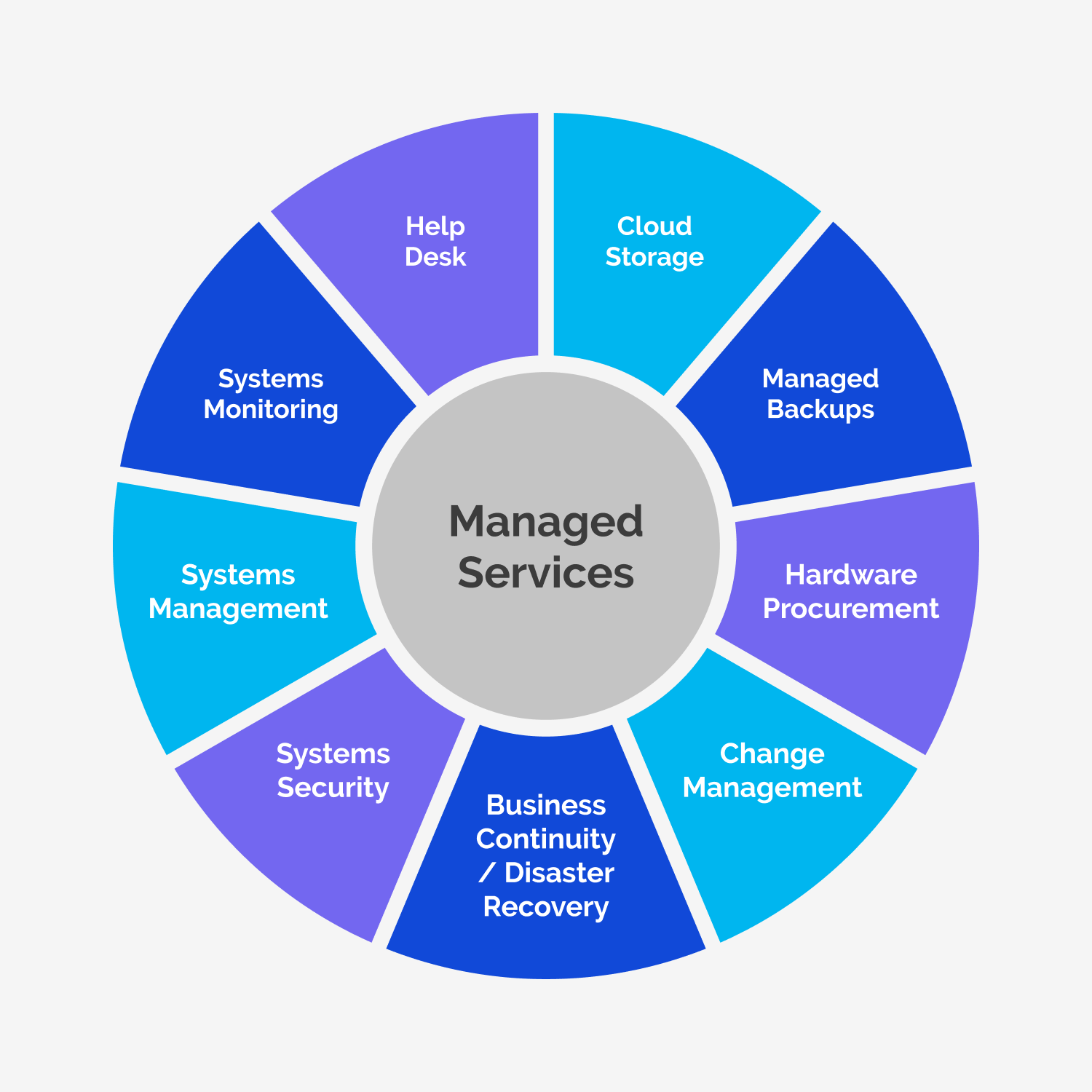
A reputable cloud managed service provider (MSP) typically offers a suite of services tailored to the specific needs of an organization:
- 24/7 Monitoring and Alerting: MSPs continuously monitor cloud infrastructure, applications, and network performance. They employ advanced tools and AI-driven analytics to detect anomalies, potential issues, and security threats in real-time, often before they impact operations. Automated alerts ensure prompt responses to any incidents.
- Proactive Maintenance and Optimization: Beyond just reacting to problems, MSPs proactively manage and maintain cloud resources. This includes regular patching, updates, backups, and performance tuning. They optimize resource allocation to ensure applications run efficiently, minimize waste, and control costs effectively. This focus on productivity ensures that IT infrastructure supports business operations seamlessly.
- Robust Security Management: Digital security is a cornerstone of cloud managed services. MSPs implement and manage advanced security measures, including identity and access management (IAM), firewall configurations, intrusion detection systems, data encryption, and vulnerability assessments. They also help ensure compliance with industry regulations and best practices, safeguarding brand reputation and sensitive data.
- Backup and Disaster Recovery (BDR): Critical for business continuity, MSPs design and implement comprehensive BDR strategies. This ensures that data is regularly backed up and can be swiftly restored in the event of an outage, cyberattack, or natural disaster, minimizing downtime and protecting financial assets.
- Technical Support and Consulting: Managed services include access to expert technical support, available around the clock. Beyond break/fix, MSPs often act as strategic advisors, helping businesses plan their cloud journey, select appropriate cloud technologies, and optimize their cloud architecture for future growth and innovation.
Key Service Categories
Cloud managed services are often segmented into different categories based on the layer of the cloud stack they address:
- Infrastructure as a Service (IaaS) Management: This involves managing the foundational cloud components like virtual machines, storage, networking, and operating systems. Services include server provisioning, scaling, patching, network configuration, and ensuring high availability.
- Platform as a Service (PaaS) Management: For businesses using PaaS offerings (e.g., application development platforms), MSPs manage the runtime environments, middleware, databases, and other components, allowing developers to focus solely on coding without worrying about the underlying infrastructure.
- Software as a Service (SaaS) Management: While SaaS applications are managed by their vendors, MSPs can help businesses integrate, configure, and optimize their use of SaaS platforms, manage user accounts, ensure data security within the application, and provide support. This is particularly relevant for managing various AI tools and enterprise apps.
- Cloud Security and Compliance Management: A dedicated focus on digital security, including threat detection, incident response, vulnerability management, compliance auditing, and security information and event management (SIEM). This directly protects a company’s corporate identity and reputation.
- Cloud Cost Optimization: MSPs analyze cloud spending patterns, identify areas of inefficiency, and implement strategies (like rightsizing resources, reserved instances, or spot instances) to reduce costs without compromising performance. This is a critical component for sound business finance.
- Network and Connectivity Management: Ensuring seamless and secure connectivity between on-premises environments and the cloud, as well as between different cloud regions. This includes VPNs, direct connects, and network performance tuning.
By offering these diverse services, MSPs provide a holistic approach to cloud management, allowing businesses to reap the full benefits of cloud technology while mitigating the associated risks and complexities.
The Strategic Advantages: Why Businesses Are Turning to Managed Services
The decision to adopt cloud managed services goes beyond mere operational convenience; it represents a strategic shift that can profoundly impact a business’s technology, branding, and financial health. The advantages are multifaceted, addressing some of the most pressing challenges faced by modern organizations.
Optimizing Resource Allocation and Cost Efficiency
One of the most compelling reasons for businesses to engage with cloud managed services is the potential for significant financial benefits. By outsourcing the management of their cloud infrastructure, companies can:
- Reduce Operational Costs: Managed services eliminate the need to hire, train, and retain a large in-house team of cloud specialists, which can be incredibly expensive. This shifts IT expenditure from variable and unpredictable to predictable monthly operational costs, simplifying business finance and budgeting.
- Avoid Capital Expenditures: With MSPs handling infrastructure management, businesses can further minimize large upfront investments in hardware, software, and tools, freeing up capital for other strategic initiatives.
- Improve Cost Predictability and Control: MSPs often provide transparent pricing models and actively work to optimize cloud spending, preventing bill shock and ensuring resources are utilized efficiently. They leverage financial tools and expertise to identify waste and implement cost-saving measures, directly contributing to a healthier bottom line. This allows businesses to invest more confidently in areas like online income generation or side hustles, knowing their IT foundation is sound.
Enhancing Security and Compliance Posture
In an age of escalating cyber threats and stringent data privacy regulations, robust digital security is paramount. A security breach can devastate a company’s brand reputation, incur hefty fines, and lead to significant financial losses. Cloud managed services provide:
- Expert Security Implementation and Management: MSPs employ highly skilled security professionals who stay abreast of the latest threats and vulnerabilities. They implement best-in-class security protocols, continuously monitor for threats, and respond swiftly to incidents, far exceeding what most in-house teams can achieve.
- Compliance Adherence: Navigating complex regulatory landscapes (like GDPR, HIPAA, ISO 27001) is a specialized task. MSPs help businesses meet these compliance requirements, providing audit trails and ensuring configurations align with necessary standards, thereby safeguarding the corporate identity and avoiding legal repercussions.
- Proactive Threat Detection and Prevention: Leveraging advanced security tools and AI-powered analytics, MSPs can proactively identify and mitigate potential threats before they materialize, providing a stronger defense against cyberattacks and protecting critical assets.
Boosting Productivity and Innovation
By offloading routine, yet critical, IT tasks, businesses empower their internal teams to focus on activities that directly drive growth and competitive advantage.
- Focus on Core Competencies: With an MSP handling cloud operations, internal IT staff can pivot from maintenance to innovation. They can concentrate on developing new products, improving customer experiences, and implementing strategic technology initiatives, directly impacting productivity and market differentiation.
- Access to Cutting-Edge Technology and Expertise: MSPs bring a wealth of experience across various cloud platforms and technologies. They stay current with the latest technology trends, AI tools, and software updates, providing businesses with access to expertise that might otherwise be out of reach or too expensive to acquire in-house. This allows companies to quickly adopt new solutions without the learning curve.
- Faster Time to Market: A well-managed and optimized cloud environment enables faster deployment of new applications and services. This agility is crucial for responding to market demands, experimenting with new ideas, and gaining a competitive edge, which is vital for any brand strategy.
Access to Specialized Expertise
The sheer breadth and depth of cloud technologies require a diverse set of skills. An MSP typically maintains a team of certified professionals with expertise across various domains:
- Multi-Cloud and Hybrid Cloud Environments: Many organizations operate in complex multi-cloud or hybrid cloud setups. MSPs have the expertise to manage these disparate environments cohesively, ensuring seamless integration and optimal performance.
- Emerging Technologies: As technology trends evolve, MSPs are often at the forefront of adopting and managing new solutions, whether it’s integrating advanced AI tools, implementing serverless architectures, or optimizing containerized applications. Their knowledge allows businesses to explore and leverage these innovations without significant internal investment in training.
In essence, cloud managed services act as an accelerator for digital transformation, providing the robust, secure, and efficient IT backbone necessary for businesses to thrive in the modern economy, protecting their brand and optimizing their financial health.
Choosing the Right Cloud Managed Service Provider (MSP)
Selecting the right cloud managed service provider is a critical decision that can significantly impact a business’s operational efficiency, security posture, and financial outcomes. It’s not merely about finding a vendor, but forging a strategic partnership that aligns with your organization’s long-term goals.
Identifying Your Needs and Objectives
Before engaging with any MSP, a thorough internal assessment is essential. Clearly defining your requirements and objectives will serve as your compass in the selection process:
- Assess Your Current Cloud Footprint: What cloud platforms (AWS, Azure, GCP, hybrid) are you currently using? What specific services are you looking to have managed (IaaS, PaaS, SaaS, security, backup, etc.)?
- Define Your Business Goals: Are you aiming for cost reduction, enhanced security, faster time to market, or improved compliance? How do these goals align with your overall brand strategy and corporate identity? For instance, a brand focused on rapid innovation might prioritize an MSP with strong expertise in new technology trends and AI tools.
- Understand Your Internal Capabilities: Identify the strengths and gaps within your existing IT team. What tasks do you want to offload, and what functions will remain in-house? This helps determine the scope of services you require.
- Budgetary Considerations: Establish a realistic budget for managed services. While cost savings are a major driver, cheap isn’t always best. Focus on value for money and the return on investment (ROI) that a quality MSP can deliver. This is a key aspect of business finance.
Evaluating Provider Capabilities and Track Record
Once your needs are clear, the next step is to rigorously evaluate potential MSPs based on their technical prowess, operational excellence, and reputation.
- Technical Expertise and Certifications: Look for providers with certified professionals across the cloud platforms you use. Do they have specialists in digital security, networking, databases, or specific software relevant to your operations? Inquire about their experience with relevant technology trends and AI tools.
- Service Portfolio and Flexibility: Does their service offering comprehensively cover your needs? Can they scale their services up or down as your business evolves? A flexible MSP can adapt to changing demands, offering a scalable solution that supports your growth.
- Security Posture and Compliance: This is non-negotiable. Investigate their own security practices and certifications (e.g., ISO 27001, SOC 2). Ask about their incident response plans, data encryption policies, and how they ensure compliance with industry regulations relevant to your business and its reputation.
- Industry Experience and Case Studies: Has the MSP worked with companies in your industry? Can they provide relevant case studies or client testimonials that demonstrate their success in similar scenarios? A proven track record instills confidence in their ability to understand and address your unique challenges.
- Monitoring and Reporting Capabilities: A good MSP provides transparent reporting on performance, security, and cost optimization. They should offer dashboards and regular reports that give you clear visibility into your cloud environment, using financial tools to show tangible savings.

Understanding Service Level Agreements (SLAs) and Pricing Models
The Service Level Agreement (SLA) is the backbone of your relationship with an MSP. It legally defines the services provided, performance guarantees, and responsibilities.
- Clear Performance Metrics: Ensure the SLA clearly outlines key performance indicators (KPIs) such as uptime guarantees, response times for support requests, and resolution times for incidents. These metrics should align with your business’s operational requirements.
- Security and Compliance Guarantees: The SLA should detail the MSP’s commitment to security, including data protection, incident management, and compliance with relevant regulations.
- Exit Strategy: Understand the terms for terminating the agreement and transitioning services, including data portability and knowledge transfer. A clear exit strategy protects your corporate identity and data if the partnership doesn’t work out.
- Pricing Models: MSPs typically offer various pricing models (e.g., fixed monthly fee, pay-as-you-go, tiered pricing). Understand what is included in each model and any potential hidden costs. A transparent pricing structure is crucial for managing business finance effectively. Ask about how they track and report cost savings.
By meticulously evaluating these factors, businesses can make an informed decision, selecting an MSP that acts as a true extension of their team, safeguarding their technology investments, enhancing their brand presence, and optimizing their financial performance for sustainable growth.
Cloud managed services are more than just an IT solution; they are a strategic partnership that empowers businesses to navigate the complexities of the digital age with confidence. By leveraging external expertise, organizations can unlock the full potential of cloud computing, transforming their operations, securing their future, and focusing their valuable resources on innovation and growth. For any business striving for efficiency, security, and market leadership in today’s dynamic environment, understanding and embracing cloud managed services is a crucial step forward.
aViewFromTheCave is a participant in the Amazon Services LLC Associates Program, an affiliate advertising program designed to provide a means for sites to earn advertising fees by advertising and linking to Amazon.com. Amazon, the Amazon logo, AmazonSupply, and the AmazonSupply logo are trademarks of Amazon.com, Inc. or its affiliates. As an Amazon Associate we earn affiliate commissions from qualifying purchases.