
The term “CCS Motorcycles” might conjure images of sleek, powerful machines roaring down a track or navigating challenging off-road terrain. However, within the broader automotive and motorsport landscape, “CCS” in the context of motorcycles often refers to a specific type of racing organization and the championships it sanctions. Understanding what CCS Motorcycles entails requires delving into the world of motorcycle racing, its governance, and the competitive structures that define it.
This exploration will focus on the technology inherent in motorcycle racing, specifically how the CCS organization influences and interacts with the technological advancements in the sport. While brand and financial aspects are undeniably present in any racing series, this article will exclusively examine the technological underpinnings and implications of CCS motorcycle racing. We will dissect the technical regulations, the evolution of racing motorcycles, and the role of technology in enhancing performance, safety, and the overall spectator experience within the CCS framework.
The Technological Foundation of CCS Racing
CCS (which primarily stands for Championship Cup Series in the context of motorcycle racing) is a prominent amateur and professional motorcycle road racing organization. While the organization itself is a governing body, its influence is deeply intertwined with the technological evolution of the motorcycles that compete under its banner. The rules and regulations set forth by CCS are crucial in dictating the technological specifications of the bikes. This creates a dynamic where technology must conform to established standards while simultaneously pushing the boundaries of what’s possible within those constraints.
Technical Regulations and Their Impact on Motorcycle Design
At the heart of any racing series are its technical regulations. These rules are not arbitrary; they are carefully crafted to ensure fair competition, manage costs, and, crucially, to dictate the technological envelope within which the racing machines operate. For CCS, these regulations are multifaceted, covering everything from engine displacement and chassis design to tire compounds and electronic rider aids.
Engine Specifications and Performance Enhancement
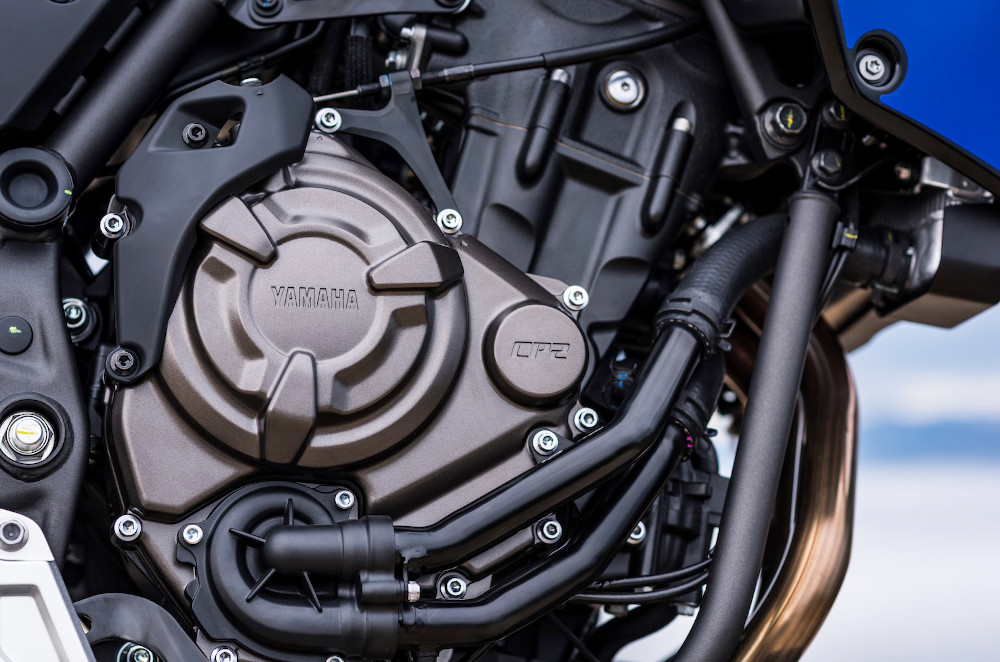
The engine is the heart of any motorcycle, and its specifications are a prime area where CCS regulations directly influence technological development. Rules typically define maximum engine displacement, bore and stroke limits, and restrictions on internal component modifications. This forces engineers and tuners to maximize power and torque output within these defined parameters.
- Forced Induction and Aspiration: While not as prevalent in all CCS classes as in top-tier professional racing, the potential for turbocharging or supercharging, where permitted, represents a significant technological avenue. However, in most CCS classes, naturally aspirated engines are the norm, pushing innovation in intake and exhaust manifold design, fuel injection systems, and combustion chamber optimization.
- Cooling Systems: High-performance engines generate immense heat. CCS regulations often dictate the type and size of cooling systems allowed. This drives the development of more efficient radiators, advanced coolant formulations, and improved airflow management to dissipate heat effectively, preventing performance degradation.
- Exhaust Systems: The design of exhaust systems is a critical factor in both performance and sound. CCS rules may specify noise levels and restrict certain types of exhaust modifications. This encourages the use of lightweight, high-flow materials like titanium and advanced ceramic coatings to manage heat and improve exhaust gas scavenging, leading to better power delivery.
Chassis, Suspension, and Aerodynamics
Beyond the engine, the chassis, suspension, and aerodynamic elements of a motorcycle are paramount for handling, stability, and overall speed. CCS regulations often define the basic chassis configurations allowed, such as frame material and design principles.
- Frame Technology: The move from steel frames to lighter and stronger materials like aluminum alloys and, in some higher-level classes, carbon fiber, is a direct result of the pursuit of performance gains influenced by racing regulations. CCS rules will specify what materials are permissible and may even dictate certain structural aspects to ensure safety and prevent overly exotic, prohibitively expensive designs.
- Suspension Systems: Advanced suspension technology is crucial for adapting to varying track conditions and rider inputs. While specific damping technologies might be restricted in lower classes, CCS rules will generally allow for sophisticated adjustable suspension components. This pushes the boundaries of shock absorber and fork design, focusing on progressive damping, adjustability for rebound and compression, and the use of exotic materials for reduced weight and increased responsiveness.
- Aerodynamics and Fairings: The fairings of a racing motorcycle are not merely for aesthetics; they are complex aerodynamic devices. CCS regulations often govern the dimensions, shape, and mounting of fairings. This encourages the development of innovative designs that reduce drag, generate downforce, and improve rider comfort by shielding them from wind blast. Computational Fluid Dynamics (CFD) plays an increasingly vital role in optimizing these designs within the prescribed limits.
The Evolution of Racing Motorcycles Under CCS Influence
The history of motorcycle racing is intrinsically linked to technological advancement. CCS, as a significant racing platform, has witnessed and, in some ways, driven this evolution. The pursuit of a competitive edge within CCS rules has spurred innovation across various technological domains.
From Carburetors to Fuel Injection and Beyond
The transition from carbureted engines to sophisticated electronic fuel injection (EFI) systems represents a significant technological leap in motorcycle racing. While carburetors offered a simpler, more mechanical approach, EFI systems provide precise fuel metering, allowing for optimized combustion under all operating conditions, leading to improved power, fuel efficiency, and emissions control.
- Electronic Control Units (ECUs): The development of advanced ECUs has revolutionized engine management. These sophisticated computers monitor numerous sensors (throttle position, engine RPM, air temperature, etc.) and adjust fuel delivery and ignition timing in real-time. CCS regulations often permit or even mandate the use of specific types of ECUs and their programmability, encouraging teams to invest in sophisticated tuning software and expertise.
- Ride-by-Wire Technology: In higher-tier racing, ride-by-wire systems, where the throttle grip is connected to the ECU via electronic signals rather than a mechanical cable, have become commonplace. This technology enables more advanced rider aids. While the specifics of what electronic aids are permitted can vary greatly between CCS classes, the underlying technology for traction control, wheelie control, and launch control is a testament to the ongoing technological race.
Safety Innovations Driven by Racing Demands
While performance is paramount in racing, safety is an equally critical consideration, and CCS regulations play a role in mandating and encouraging technological advancements in this area. The inherent risks of motorcycle racing have led to significant innovations in protective gear and motorcycle safety features.
- Advanced Braking Systems: Modern racing motorcycles feature incredibly powerful and sophisticated braking systems. CCS rules will dictate the permissible types of brake components, such as caliper designs and rotor materials. The development of advanced materials for brake pads, like sintered compounds, and the precision engineering of master cylinders and hydraulic lines contribute to superior stopping power and control.
- Tire Technology: The interface between the motorcycle and the track is the tire. CCS regulations often specify approved tire manufacturers and compounds, influencing tire development. Tire technology has evolved dramatically, with advancements in rubber compounds for optimal grip across a range of temperatures and track conditions, as well as carcass construction for stability and feedback. The continuous development of tires that can withstand extreme forces and provide consistent performance is a testament to the symbiotic relationship between racing and tire manufacturers.
- Data Acquisition and Telemetry: Modern racing motorcycles are equipped with extensive data acquisition systems. These systems collect vast amounts of information about the bike’s performance and the rider’s inputs, including engine data, suspension travel, braking pressure, and GPS positioning. CCS regulations may influence the type and complexity of data logging permitted. This telemetry data is invaluable for engineers and riders to analyze performance, identify areas for improvement, and refine setups for optimal results.
The Technological Arms Race Within CCS: A Competitive Landscape
The competitive nature of CCS racing inherently fosters a technological arms race. Teams, driven by the desire to win, constantly seek ways to leverage existing technology and adopt new innovations to gain an advantage. This pursuit of marginal gains is a hallmark of motorsport and is directly shaped by the rulebook.
Performance Optimization Through Customization and Tuning
Even within strict technical regulations, there is a significant amount of room for technological customization and sophisticated tuning. This is where a team’s engineering prowess and investment in specialized equipment come to the fore.
- Engine Tuning and Dyno Testing: The process of tuning an engine for maximum performance within CCS specifications is highly technical. Teams utilize sophisticated engine dynamometers (dynos) to measure power and torque output, allowing them to meticulously adjust fuel maps, ignition timing, and other parameters. This requires specialized software and a deep understanding of engine dynamics.
- Chassis Setup and Suspension Tuning: Optimizing the chassis and suspension for a specific track and rider is an intricate technological process. Teams employ advanced measurement tools and analysis techniques to dial in suspension settings, adjust geometry, and ensure the motorcycle handles predictably and efficiently. This often involves the use of specialized jigs, digital calipers, and laser alignment tools.
- Aerodynamic Refinement: While regulations may limit radical design changes, teams can still achieve significant aerodynamic advantages through subtle refinements. This includes optimizing the placement and angle of adjustable aerodynamic components, ensuring smooth airflow over the bike, and even utilizing wind tunnel testing or advanced CFD simulations to identify areas for improvement.
The Role of Aftermarket Technology Providers
The technological landscape of CCS racing is also heavily influenced by aftermarket technology providers. These companies specialize in developing and manufacturing high-performance components and systems that are designed to comply with CCS regulations and offer a competitive edge.
- Specialized Component Manufacturers: Companies producing high-performance exhaust systems, aerodynamic fairings, upgraded suspension components, and lightweight wheels are integral to the CCS racing ecosystem. These providers invest in research and development to create products that push the boundaries of performance while adhering to the rules.
- Tuning and Data Acquisition Specialists: A significant segment of the aftermarket is dedicated to providing ECUs, tuning software, and data acquisition systems. These specialists offer solutions that allow teams to extract maximum performance from their machines and gain crucial insights into their performance.
- Safety Equipment Innovations: Beyond the motorcycles themselves, the technology in rider safety gear has advanced dramatically, partly driven by the demands of racing. High-impact protective suits made from advanced materials, sophisticated helmets with integrated communication systems, and advanced boot and glove designs are all products of a constant drive for rider safety in a high-performance environment.
The Future of CCS Motorcycles: Embracing Emerging Technologies
The world of motorsport is in a constant state of evolution, and CCS racing is no exception. As new technologies emerge, they will undoubtedly find their way into the racing world, shaping the future of CCS championships.
The Influence of Electrification and Hybridization
While currently dominated by internal combustion engines, the broader automotive industry’s shift towards electrification and hybridization is a trend that could eventually impact motorcycle racing. CCS, like other racing organizations, will need to consider how these emerging technologies might be integrated into future classes.
- Electric Powertrain Development: The development of high-performance electric powertrains for motorcycles is advancing rapidly. If CCS were to introduce electric classes, it would necessitate a whole new set of technological regulations focused on battery technology, motor efficiency, and charging infrastructure. This would represent a significant technological shift, requiring new approaches to chassis design, weight distribution, and thermal management.
- Hybrid Systems: The integration of hybrid systems, combining electric motors with internal combustion engines, offers another potential avenue for future development. Such systems could allow for enhanced power delivery and improved efficiency, presenting unique technological challenges and opportunities for innovation within CCS.
Advancements in Materials Science and Manufacturing
The continuous progress in materials science and manufacturing techniques will also play a significant role in shaping the future of CCS motorcycles.
- Additive Manufacturing (3D Printing): The increasing sophistication of 3D printing technology allows for the creation of complex, lightweight, and highly customized components. In the future, additive manufacturing could be employed to produce engine parts, chassis elements, and even aerodynamic components with greater efficiency and design freedom, all within the bounds of CCS regulations.
- Smart Materials and Composites: The development of “smart” materials that can adapt to changing conditions or incorporate embedded sensors could revolutionize motorcycle design. Advanced composites, with their exceptional strength-to-weight ratios, will continue to be a key focus for chassis and component development, enabling lighter and more rigid structures.

The Role of Data and Artificial Intelligence
The ever-increasing volume of data generated by racing motorcycles, coupled with advancements in artificial intelligence (AI), offers immense potential for future technological integration within CCS.
- AI-Powered Performance Analysis: AI algorithms can analyze vast datasets from telemetry to identify subtle patterns and anomalies that human analysis might miss. This could lead to more precise tuning, predictive maintenance, and even AI-assisted rider coaching.
- Real-Time Data Optimization: Future technologies could enable even more sophisticated real-time data analysis and adjustments. Imagine systems that can dynamically optimize engine performance, suspension settings, or even tire pressure based on live track conditions and rider input, all managed by advanced AI.
In conclusion, while “CCS Motorcycles” refers to a racing organization, its true significance from a technological perspective lies in the way its regulations, competitive environment, and the pursuit of victory drive innovation. From the fundamental design of engines and chassis to the cutting-edge applications of data and AI, technology is the invisible force that shapes the performance, safety, and evolution of motorcycles competing under the CCS banner. The ongoing quest for speed and victory within these defined parameters ensures that CCS racing remains a fertile ground for technological advancement in the world of motorcycle sport.
aViewFromTheCave is a participant in the Amazon Services LLC Associates Program, an affiliate advertising program designed to provide a means for sites to earn advertising fees by advertising and linking to Amazon.com. Amazon, the Amazon logo, AmazonSupply, and the AmazonSupply logo are trademarks of Amazon.com, Inc. or its affiliates. As an Amazon Associate we earn affiliate commissions from qualifying purchases.