
In the rapidly evolving landscape of the twenty-first century, few technologies have sparked as much debate, innovation, and systemic change as blockchain. Often synonymous with the rise of cryptocurrencies, blockchain is, at its core, a sophisticated technological framework designed to redefine how data is stored, verified, and shared across the globe. It represents a fundamental shift from centralized systems—where power and data reside in the hands of a few—to decentralized networks where transparency and security are baked into the code itself. Understanding blockchain is no longer a niche requirement for software developers; it is a prerequisite for understanding the future of the digital economy, cybersecurity, and global data management.
Understanding the Core Mechanics of Blockchain Technology
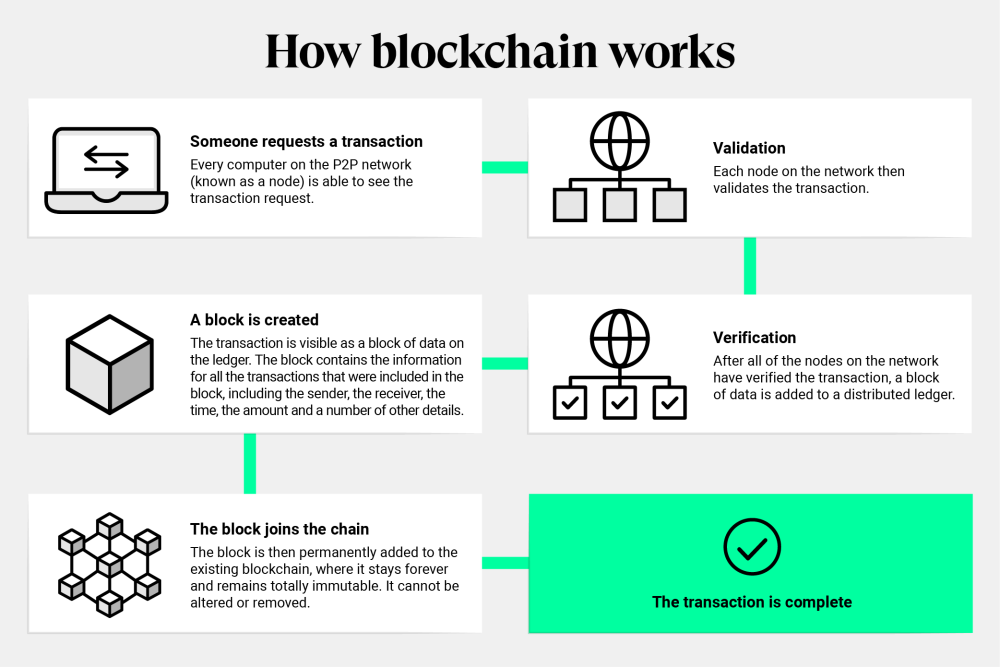
To grasp the essence of blockchain, one must look past the financial hype and examine the underlying software architecture. A blockchain is a distributed database or ledger that is shared among the nodes of a computer network. As a database, it stores information electronically in digital format. However, unlike traditional databases, blockchains are structured differently, and they function through a unique set of protocols that ensure data integrity without the need for a central authority.
Distributed Ledger Technology (DLT)
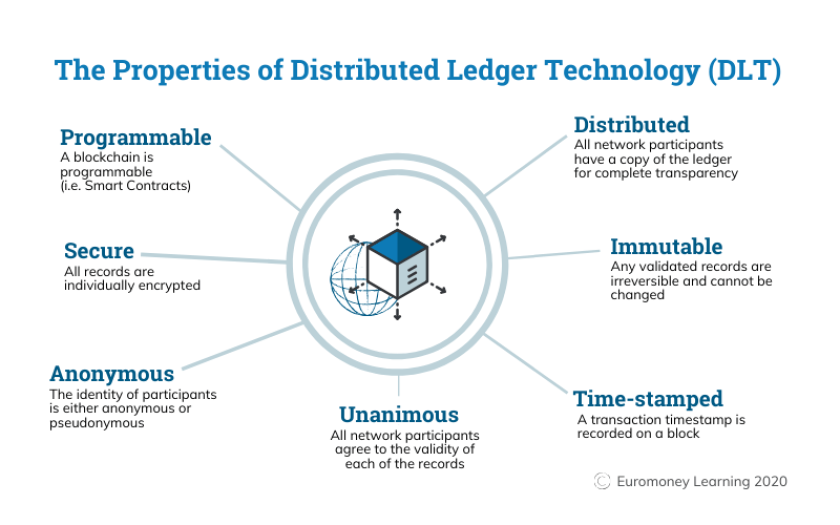
The most significant departure from traditional tech is the concept of a “distributed ledger.” In a standard corporate environment, a database is hosted on a central server. If that server is compromised or the administrator makes an error, the entire data set is at risk. Blockchain operates on a peer-to-peer (P2P) network. Every participant (node) in the network has access to the entire ledger and its full history. When a new piece of data is added, every node updates its record simultaneously. This redundancy ensures that there is no single point of failure, making the system incredibly resilient against both technical glitches and malicious attacks.
The Anatomy of a Block
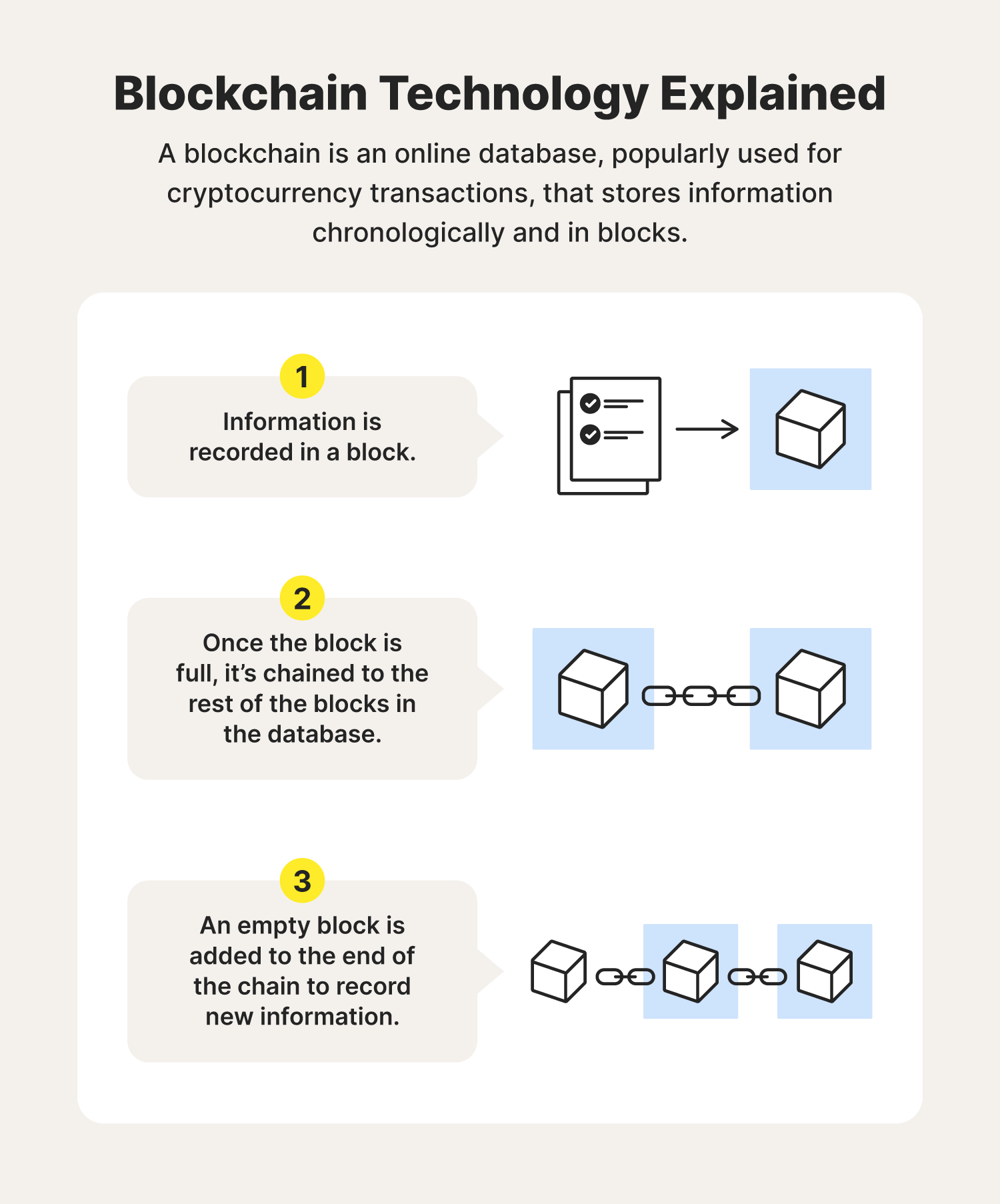
Data in a blockchain is grouped together in “blocks.” Each block has a specific storage capacity and, when filled, is closed and linked to the previously filled block, forming a chain of data known as the “blockchain.” Each block contains a cryptographic hash of the previous block, a timestamp, and transaction data. This structure is what gives blockchain its chronological properties. Because each block contains information about the one before it, they form a sequence that is computationally impossible to alter without changing every subsequent block in the chain—a feat that would require more computing power than is currently available on the planet for established networks.
Consensus Mechanisms: Proof of Work vs. Proof of Stake
For a decentralized network to function, there must be a way for all nodes to agree on the validity of new data. This is achieved through “consensus mechanisms.” The two most prominent are Proof of Work (PoW) and Proof of Stake (PoS).
In PoW, computers (miners) compete to solve complex mathematical puzzles; the first to solve the puzzle earns the right to add the next block. This requires significant computational energy, which acts as a deterrent against fraudulent activity. In contrast, PoS selects validators based on the number of tokens they hold and are willing to “stake” as collateral. PoS is significantly more energy-efficient and has become the preferred choice for modern blockchain upgrades, such as the transition seen in the Ethereum network.
Security and Immutability in a Digital World
In an era defined by data breaches and identity theft, the security features of blockchain offer a compelling solution. The technology relies on advanced mathematics and cryptography rather than human trust. This “trustless” environment means that two parties can interact without needing to know or trust each other, because the protocol enforces the rules.
Cryptographic Hashing
The backbone of blockchain security is the cryptographic hash. A hash function takes an input (data) and produces a fixed-size string of characters, which looks like a random sequence of letters and numbers. Crucially, even a tiny change in the input—like changing a single comma in a 500-page document—will result in a completely different hash. Because each block contains the hash of the previous block, the chain is “sealed.” If a hacker attempts to change a record in an old block, the hash of that block changes, which breaks the link to the next block, immediately alerting the entire network to the discrepancy.
The Role of Public and Private Keys
Digital security on the blockchain is further bolstered by asymmetric cryptography, which uses pairs of keys: public and private. A public key is like an email address—something you can share with others to receive data or assets. A private key, however, is like a password or a digital signature. It is used to authorize transactions and prove ownership of data. Without the private key, the data remains locked and inaccessible. This ensures that while the ledger is public and transparent, the control over individual assets and information remains strictly in the hands of the owner.
Preventing the Double-Spend Problem
One of the greatest technical hurdles in digital systems before blockchain was the “double-spend” problem. In a digital environment, files can be copied and pasted infinitely. This works for photos or text documents, but it is a disaster for any system that requires scarcity or unique records. Blockchain solves this by using the collective network to verify that a specific unit of data (such as a token or a digital certificate) has not been used elsewhere before confirming a new transaction. This creates a “digital scarcity” that was previously impossible to achieve without a central clearinghouse.
Beyond Cryptocurrencies: Current and Emerging Tech Trends
While blockchain was introduced via Bitcoin, its utility has expanded far beyond simple value transfer. Today, it serves as a foundation for a new generation of software and automated systems that are transforming industries from logistics to legal services.
Smart Contracts and Programmable Logic
The introduction of “Smart Contracts”—most notably by the Ethereum network—changed the trajectory of blockchain technology. A smart contract is a self-executing contract with the terms of the agreement directly written into lines of code. The code and the agreements contained therein exist across the distributed, decentralized blockchain network. When predefined conditions are met, the contract executes automatically. For example, a smart contract could release payment for a shipment only when the GPS data of the cargo confirms it has reached its destination. This removes the need for intermediaries, reduces costs, and eliminates human error.
Decentralized Applications (dApps)
Software developers are now building Decentralized Applications, or dApps. These apps look and feel like regular mobile or web applications, but their backend code runs on a decentralized network rather than a centralized server. Because they are hosted on the blockchain, dApps are resistant to censorship—no single entity can “turn off” the app. They also offer users more control over their own data, as the application doesn’t require a central database to store user credentials.
Supply Chain Transparency and IoT Integration
Blockchain is increasingly being paired with the Internet of Things (IoT) to create hyper-transparent supply chains. Sensors on products can record data—such as temperature, location, and humidity—directly onto a blockchain. Because this data is immutable, stakeholders can verify the entire journey of a product from the factory floor to the consumer’s doorstep. This tech trend is vital for industries like pharmaceuticals and food safety, where the integrity of the supply chain is a matter of public health.
The Future Landscape: Web3, Scalability, and Interoperability
As blockchain technology matures, the focus of the tech community has shifted toward solving its early limitations and building toward a more integrated digital future. We are currently witnessing the transition from experimental tech to foundational infrastructure.
Layer 2 Scaling Solutions
One of the primary criticisms of early blockchain technology was its inability to handle high volumes of transactions quickly. This is known as the “scalability” problem. To solve this, developers have created “Layer 2” solutions. These are protocols that sit on top of the main blockchain (Layer 1). They process transactions off the main chain, group them together, and then settle them on the main ledger in a single batch. This significantly increases speed and reduces costs, making the technology viable for mass-market software applications.
The Evolution Toward Web3
Blockchain is the cornerstone of what tech visionaries call “Web3.” If Web1 was about reading information and Web2 was about social interaction and user-generated content (dominated by big tech), Web3 is about ownership. In a Web3 world, the underlying protocols of the internet are decentralized. Users own their identity, their data, and their digital assets through blockchain-based wallets. This shift represents a move toward a more democratic internet, where the “middleman” is replaced by code.
Interoperability: Connecting Isolated Networks
The current blockchain landscape consists of many different networks (like Bitcoin, Ethereum, and Solana) that often operate in silos. The next major technical frontier is “interoperability”—the ability for different blockchains to communicate and share data seamlessly. Through the development of “cross-chain bridges” and universal protocols, the tech community is working toward a “network of networks.” This will allow a smart contract on one chain to trigger an action on another, creating a truly global and unified digital ecosystem.
In conclusion, blockchain is far more than a buzzword or a financial instrument. It is a robust, multifaceted technology that addresses the fundamental need for security, transparency, and efficiency in the digital age. By decentralizing data and automating trust through code, blockchain is laying the groundwork for the next generation of technological innovation. Whether through the automation of smart contracts or the creation of a more secure internet, its impact on the tech landscape is only just beginning.
aViewFromTheCave is a participant in the Amazon Services LLC Associates Program, an affiliate advertising program designed to provide a means for sites to earn advertising fees by advertising and linking to Amazon.com. Amazon, the Amazon logo, AmazonSupply, and the AmazonSupply logo are trademarks of Amazon.com, Inc. or its affiliates. As an Amazon Associate we earn affiliate commissions from qualifying purchases.