
The quest for optimal well-being often involves a nuanced understanding of what we consume. While much attention is rightly paid to the impact of diet on weight management, cardiovascular health, and energy levels, the intricate relationship between food and our bladder function is a less frequently discussed, yet profoundly important, area. For those navigating the fast-paced worlds of technology and finance, where stress can be a constant companion and efficiency is paramount, maintaining bodily comfort and avoiding disruptions to daily routines is crucial. This is where understanding bladder irritants becomes invaluable.
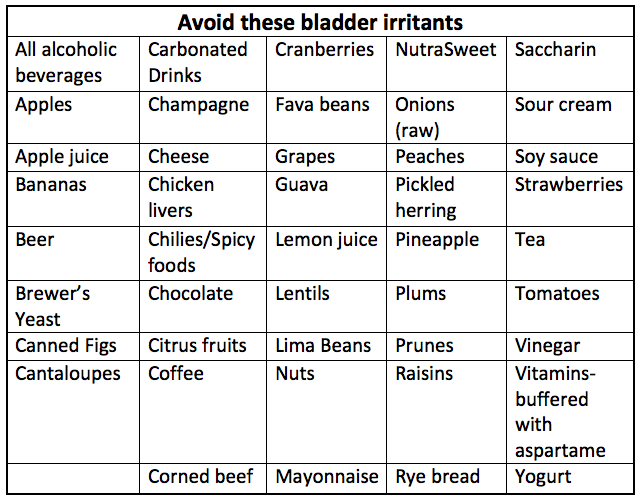
Bladder irritants are substances, primarily found in foods and beverages, that can stimulate the bladder muscle, leading to an overactive bladder (OAB). This condition is characterized by a sudden, strong urge to urinate that is difficult to control, often leading to frequent urination throughout the day and night. While not a disease itself, OAB can significantly impact quality of life, affecting sleep, social activities, and even work performance. This article will explore the common culprits behind bladder irritation, offering insights that can empower individuals to make informed dietary choices.
Understanding the Bladder and the Mechanism of Irritation
Before delving into specific food triggers, it’s helpful to grasp how the bladder works and why certain substances cause irritation. The bladder is a muscular organ that stores urine produced by the kidneys. When it fills, nerve signals are sent to the brain, creating the sensation of needing to urinate. The detrusor muscle, the bladder’s muscular wall, then contracts to expel urine.
Bladder irritants work by directly stimulating the nerves within the bladder wall or by altering the urine itself, making it more concentrated and therefore more irritating to the bladder lining. When these irritants are present, the bladder muscle can become overactive, contracting involuntarily even when it’s not full. This leads to the characteristic symptoms of OAB: urinary urgency, frequency, and nocturia (waking up at night to urinate).
The Role of Acidity and Chemical Stimulants
Many common bladder irritants share certain chemical properties that make them potent triggers. Acidity is a significant factor. Foods and beverages with a low pH can directly irritate the bladder lining. This is why many citrus fruits, which are naturally acidic, are frequently cited as problematic. Similarly, acidic processed foods, often with added artificial acids for flavor preservation, can also contribute.
Beyond acidity, certain compounds within foods act as direct chemical stimulants. Caffeine, a well-known diuretic, not only increases urine production but also has a stimulating effect on the bladder muscle itself. Alcohol, another common beverage, can irritate the bladder lining and also acts as a diuretic, leading to increased urinary frequency. Artificial sweeteners are another category that raises concern for many individuals experiencing bladder irritation. While designed to reduce calorie intake, some artificial sweeteners contain chemical compounds that can interfere with nerve signaling or directly irritate the bladder.
Identifying Common Food and Beverage Culprits
The list of potential bladder irritants is extensive and can vary significantly from person to person. However, several categories of foods and drinks are consistently identified as common triggers. Being aware of these can be the first step in managing bladder sensitivity.
High-Acidity Foods and Beverages
This group encompasses a wide range of items that can cause a significant reaction due to their low pH.
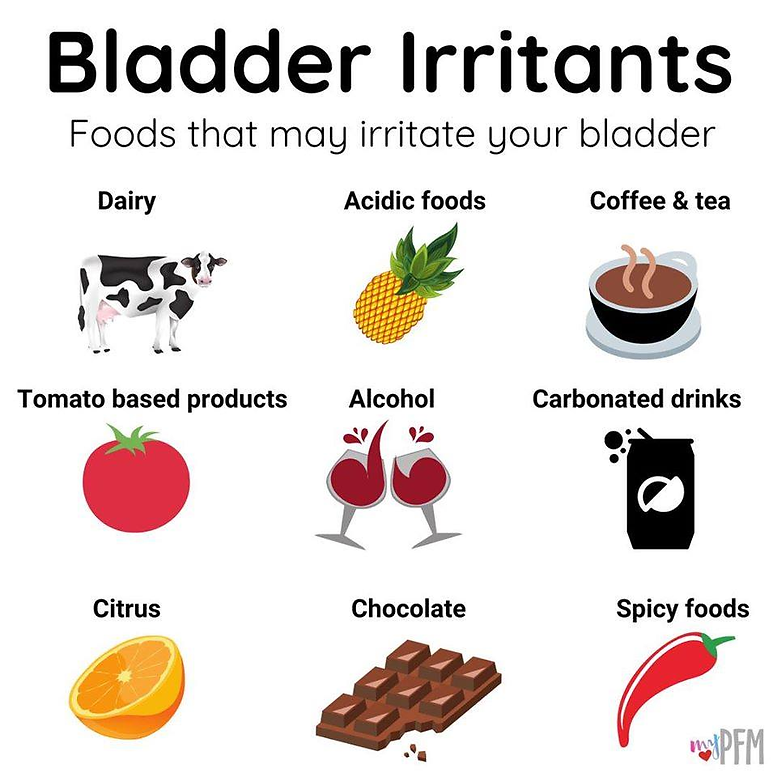
- Citrus Fruits: Oranges, grapefruits, lemons, and limes are notorious for their acidity. While packed with Vitamin C, their citrusy tang can be a major irritant for sensitive bladders. This includes not only the fruits themselves but also their juices and products made with them, like marmalades or citrus-flavored candies.
- Tomatoes and Tomato-Based Products: The natural acidity of tomatoes, whether fresh, canned, or in sauces and pastes, can be a significant trigger. This means vigilance is required for dishes containing ketchup, marinara sauce, salsa, and even tomato soup.
- Carbonated Beverages: The combination of acidity and carbonation can be a double whammy for the bladder. Sodas, sparkling water, and even champagne can exacerbate symptoms. The bubbles themselves can distend the bladder, while the added acids and sugars contribute to irritation.
Caffeinated and Alcoholic Drinks
These popular beverages are often enjoyed for their stimulating or relaxing effects, but their impact on the bladder can be considerable.
- Coffee and Tea: The ubiquitous morning coffee and afternoon tea are major sources of caffeine. This stimulant can increase urine production and directly affect the bladder muscle. While decaffeinated options may offer some relief, they can still contain trace amounts of caffeine or other bladder-irritating compounds.
- Alcoholic Beverages: Beer, wine, and spirits are all known bladder irritants. They can not only dehydrate the body, leading to more concentrated urine, but also irritate the bladder lining directly. For individuals sensitive to alcohol, even moderate consumption can lead to increased urinary urgency and frequency.
- Chocolate: Often overlooked, chocolate contains caffeine and theobromine, both of which can stimulate the bladder. This is particularly relevant for those who enjoy chocolate as a late-night snack or as part of a dessert.
Artificial Sweeteners and Processed Foods
The modern food landscape is rife with processed items and sugar substitutes, many of which can pose challenges for bladder health.
- Artificial Sweeteners: Saccharin, aspartame, sucralose, and other artificial sweeteners found in diet drinks, sugar-free gums, and baked goods are frequently implicated in bladder irritation. Their chemical structures can trigger a sensitive bladder.
- Spicy Foods: While not strictly acidic, the capsaicin in chili peppers and other spicy ingredients can irritate the bladder lining, similar to how it affects the digestive system. This can lead to a burning sensation during urination and increased urgency.
- Highly Processed Foods: Many processed foods contain a cocktail of artificial flavors, colors, preservatives, and other additives that can individually or collectively irritate the bladder. Reading ingredient labels becomes a crucial skill for those seeking bladder comfort.
Navigating Diet for Bladder Health: A Strategic Approach
Understanding bladder irritants is the first step. The next, and arguably more impactful, is developing a strategy to navigate your diet in a way that minimizes irritation while maintaining enjoyment and nutritional balance. This isn’t about drastic deprivation, but rather about mindful consumption and informed choices.
The Elimination Diet: A Diagnostic Tool
For individuals struggling with persistent bladder irritation, an elimination diet can be an incredibly effective diagnostic tool. This structured approach involves systematically removing suspected irritants from your diet for a period (typically 2-4 weeks) and then reintroducing them one by one to identify specific triggers.
The process usually begins by eliminating the most common culprits: caffeine, alcohol, acidic fruits, tomatoes, and artificial sweeteners. During the elimination phase, it’s crucial to keep a detailed food diary, noting everything consumed and any changes in bladder symptoms. Once symptoms have subsided, you can begin reintroducing foods, one at a time, every 2-3 days. If a food or beverage causes symptoms to return, it’s likely an irritant for you. This personalized approach allows for a highly tailored dietary plan.
Practical Tips for Bladder-Friendly Eating
Beyond formal elimination, adopting a generally bladder-friendly eating pattern can significantly reduce irritation and improve comfort.
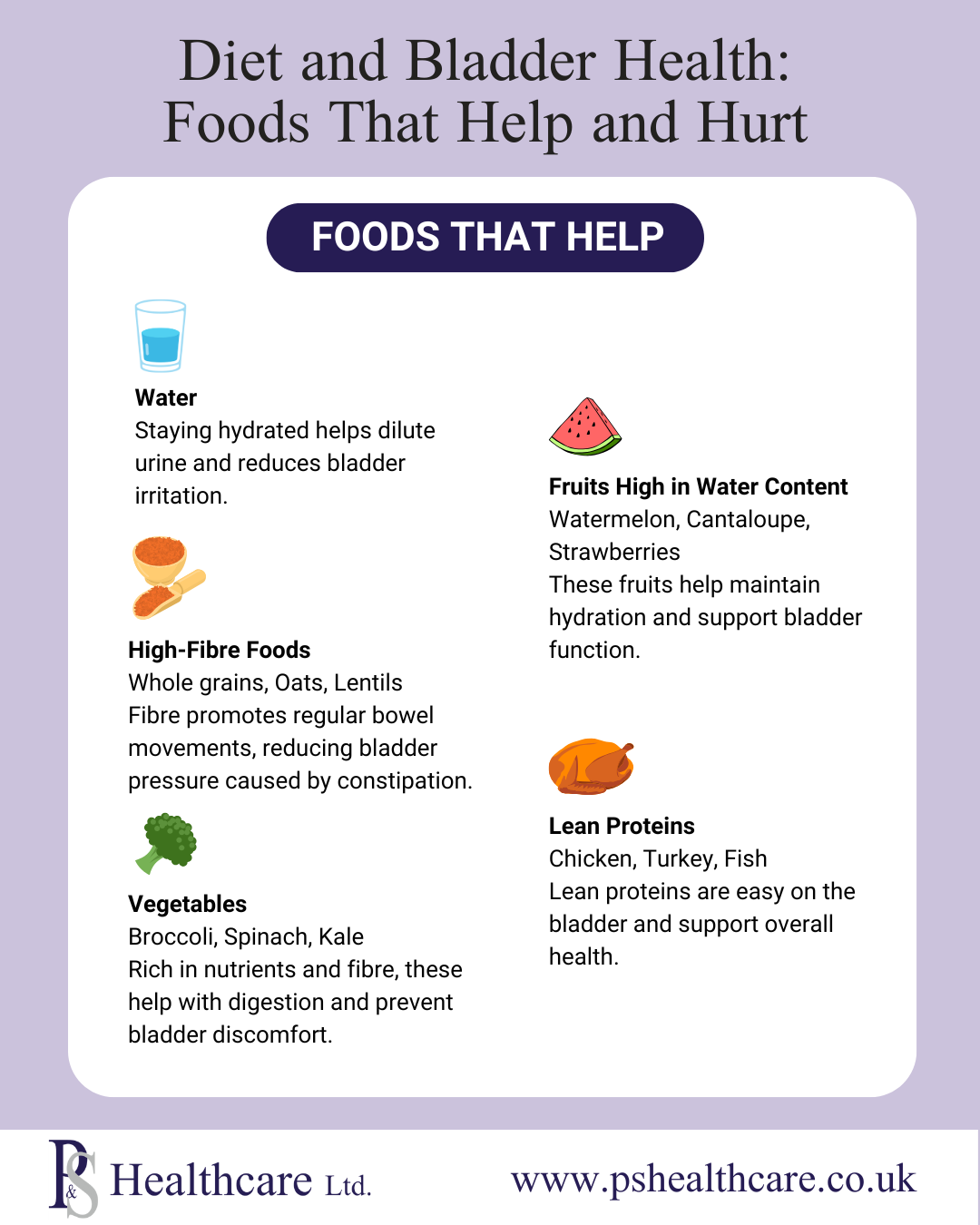
- Hydration is Key, but Choose Wisely: While adequate fluid intake is essential for overall health, the type of fluid matters. Opt for plain water, herbal teas (avoiding peppermint and chamomile, which can be irritants for some), and diluted fruit juices (using bladder-friendly fruits like pear or melon). Limiting intake of beverages known to irritate the bladder, especially in the hours before bed, is also advisable.
- Embrace Less Acidic Alternatives: If you enjoy fruits, consider berries (blueberries, raspberries, strawberries), pears, apples, and melons, which are generally lower in acidity. For tomato lovers, consider roasted red peppers as a less acidic alternative in some dishes.
- Explore Decaffeinated and Non-Caffeinated Options: For your morning brew, explore decaffeinated coffee or herbal teas. If you enjoy the flavor of chocolate, look for lower-caffeine options or opt for carob, which contains no caffeine.
- Read Labels Diligently: Become adept at scrutinizing ingredient lists. Look for hidden sources of caffeine, artificial sweeteners, and excessive acidity in processed foods, sauces, dressings, and even some yogurts and cereals.
- Moderation and Timing: For individuals who find certain foods or drinks mildly irritating, moderation can be key. Enjoying a small portion of a trigger food occasionally might not cause significant symptoms, whereas larger amounts could. Additionally, paying attention to when you consume potential irritants can be helpful. For instance, avoiding caffeine in the late afternoon or evening can prevent nighttime disruptions.
The Synergy of Diet, Lifestyle, and Technology
For those deeply embedded in the tech and finance sectors, the concept of optimizing systems for peak performance resonates deeply. Applying this mindset to personal health, including bladder health, can lead to significant improvements. Just as a well-optimized software application runs smoothly without glitches, a well-managed diet can lead to a body that functions with greater comfort and less disruption.
Leveraging Technology for Health Management
While not directly about bladder irritants, the principles of technology can be applied to managing dietary triggers.
- Health Tracking Apps: Numerous apps are available that allow you to log your food intake, fluid consumption, and even track your bladder symptoms. This data can be invaluable for identifying patterns and confirming the impact of specific foods. Some apps can even help you create personalized meal plans based on your dietary needs and preferences.
- Digital Resources and Communities: Online forums and dedicated websites offer a wealth of information and support for individuals managing bladder conditions. Connecting with others who share similar experiences can provide practical advice, emotional support, and encouragement.
- Wearable Technology: While primarily known for fitness tracking, some wearable devices can monitor sleep patterns. Disruptions to sleep due to nocturia can be identified, prompting a closer look at dietary habits.
The Financial Impact of Bladder Health
From a financial perspective, managing bladder irritants can have tangible benefits. Frequent trips to the restroom during work hours can disrupt productivity, potentially impacting earning potential. Similarly, the discomfort and anxiety associated with an overactive bladder can lead to missed social or professional opportunities, which can have indirect financial repercussions. Investing in understanding and managing your bladder health through dietary adjustments can be seen as an investment in your overall well-being and, by extension, your long-term financial security. Just as diligent financial planning helps avoid unexpected expenses, proactive dietary management can prevent the discomfort and disruption caused by bladder irritants.
In conclusion, understanding what constitutes a bladder irritant in food is a crucial step towards achieving greater comfort and control over one’s urinary health. By identifying common triggers, employing diagnostic tools like elimination diets, and adopting a mindful approach to consumption, individuals can significantly reduce bladder irritation. For those in demanding professional fields, this proactive management of health, akin to optimizing technological systems or financial portfolios, is not just about comfort but about enhancing overall quality of life and sustained productivity.
aViewFromTheCave is a participant in the Amazon Services LLC Associates Program, an affiliate advertising program designed to provide a means for sites to earn advertising fees by advertising and linking to Amazon.com. Amazon, the Amazon logo, AmazonSupply, and the AmazonSupply logo are trademarks of Amazon.com, Inc. or its affiliates. As an Amazon Associate we earn affiliate commissions from qualifying purchases.