
Navigating the landscape of automotive financing has become increasingly complex in the current economic climate. For most consumers, purchasing a vehicle is the second-largest financial commitment they will make, surpassed only by a home mortgage. Consequently, the question of “what are auto loan rates today” is not merely about a percentage point; it is a fundamental inquiry into personal cash flow, long-term debt management, and the broader health of the economy.
In recent years, we have transitioned from an era of historically low interest rates to a more restrictive monetary environment. This shift has fundamentally altered the math of car ownership. Whether you are in the market for a sleek new electric vehicle or a reliable pre-owned commuter car, understanding the mechanics of auto loan rates is essential for maintaining financial health.
The Macroeconomic Landscape of Modern Auto Financing
To understand why auto loan rates are where they are today, one must look toward the central pillars of the financial system. Interest rates do not exist in a vacuum; they are the result of complex interactions between government policy, inflation, and market risk.
The Federal Reserve’s Influence on Your Car Payment
The primary driver of auto loan rates in the United States is the Federal Reserve’s federal funds rate. While the “Fed” does not set auto loan rates directly, their policy decisions dictate the “cost of money” for commercial banks and credit unions. When the Fed raises rates to combat inflation, the cost for banks to borrow money increases, a cost that is invariably passed down to the consumer in the form of higher Annual Percentage Rates (APRs). In the current cycle, we have seen rates climb from near-zero levels to figures that haven’t been seen in over a decade, making it more expensive than ever to finance a vehicle.
New vs. Used Car Rate Disparities
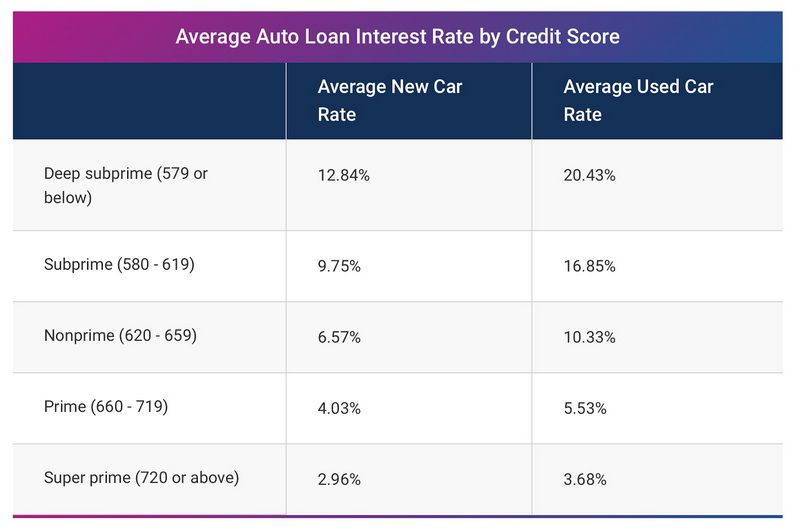
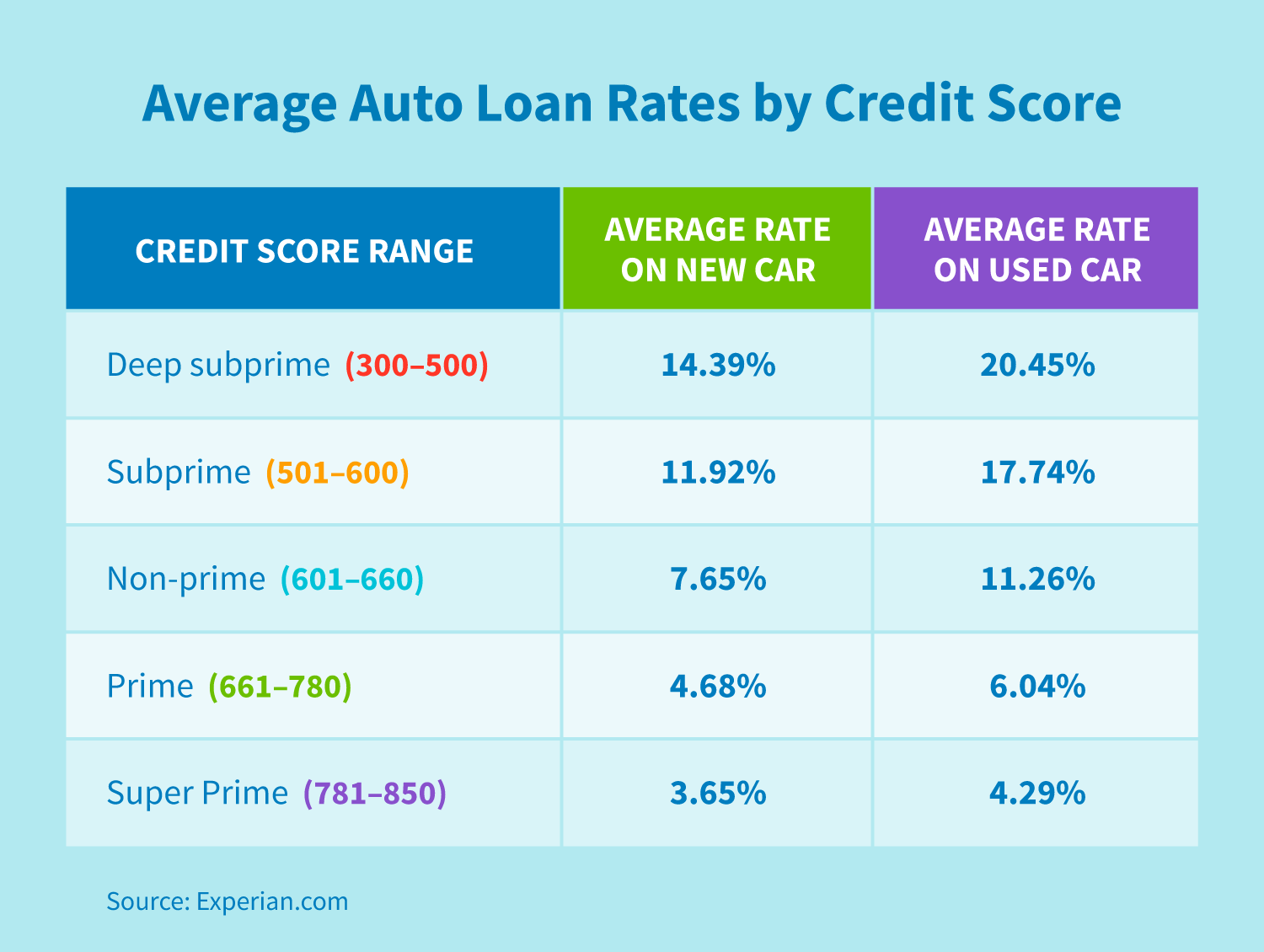
There is a consistent divergence between rates for new and used vehicles. Traditionally, new car loans carry lower interest rates because the collateral—the car itself—is easier to value and has a predictable depreciation curve. Lenders view new car buyers as lower risk. Conversely, used car rates are typically 2% to 5% higher. This is due to the inherent uncertainty regarding the vehicle’s mechanical longevity and the increased risk that the loan balance might exceed the car’s actual market value (being “upside down”).
Market Volatility and Lender Risk Appetite
Beyond the Federal Reserve, the general health of the economy dictates how “stingy” or “generous” lenders become. In periods of economic uncertainty, lenders tighten their requirements. They may increase the “spread”—the difference between their cost of funds and what they charge you—to account for the possibility of increased defaults. Understanding this helps consumers realize that a “good” rate today might have been a “poor” rate three years ago, yet it remains the best available in the current risk environment.
Critical Factors That Dictate Your Personal Interest Rate
While macroeconomic trends set the baseline, your individual financial profile determines where you land on the spectrum of available rates. Lenders use sophisticated algorithms to categorize borrowers into “tiers,” ranging from Deep Subprime to Super Prime.
The Critical Role of Credit Scores
Your FICO or VantageScore is the single most influential factor in the auto loan equation. A borrower with a Super Prime score (typically 780 or higher) may qualify for a rate that is half—or even a third—of what a Subprime borrower (below 600) might be offered. For a $35,000 loan, this difference can amount to tens of thousands of dollars in interest over the life of the loan. In the current market, maintaining a high credit score is the most effective way to insulate yourself from rising interest rates.
Loan-to-Value (LTV) Ratio and Down Payments
The “skin in the game” you provide significantly affects your rate. The Loan-to-Value (LTV) ratio is the amount you are borrowing relative to the value of the vehicle. If you provide a 20% down payment, your LTV is 80%. Lenders prefer lower LTV ratios because they represent lower risk. If you default, the lender is more likely to recoup their money through a repossession sale. Consequently, high down payments can often unlock lower interest rate tiers that would otherwise be unavailable.
Debt-to-Income (DTI) Considerations
Lenders don’t just look at your credit score; they look at your ability to pay. Your Debt-to-Income ratio (DTI) measures your monthly debt obligations against your gross monthly income. Even with a stellar credit score, a high DTI might signal to a lender that you are overleveraged. In such cases, they may approve the loan but at a higher interest rate to compensate for the perceived risk that a small financial hiccup could lead to a missed payment.
Tactical Strategies for Securing the Best Rates
Securing a favorable auto loan today requires more than just walking into a dealership and signing papers. It requires a proactive, multi-pronged financial strategy.
Comparison Shopping: Banks vs. Credit Unions vs. Dealerships
The most common mistake consumers make is accepting the first financing offer they receive at the dealership. Dealerships often act as intermediaries, sending your application to multiple lenders and potentially adding a “markup” to the rate for their profit.
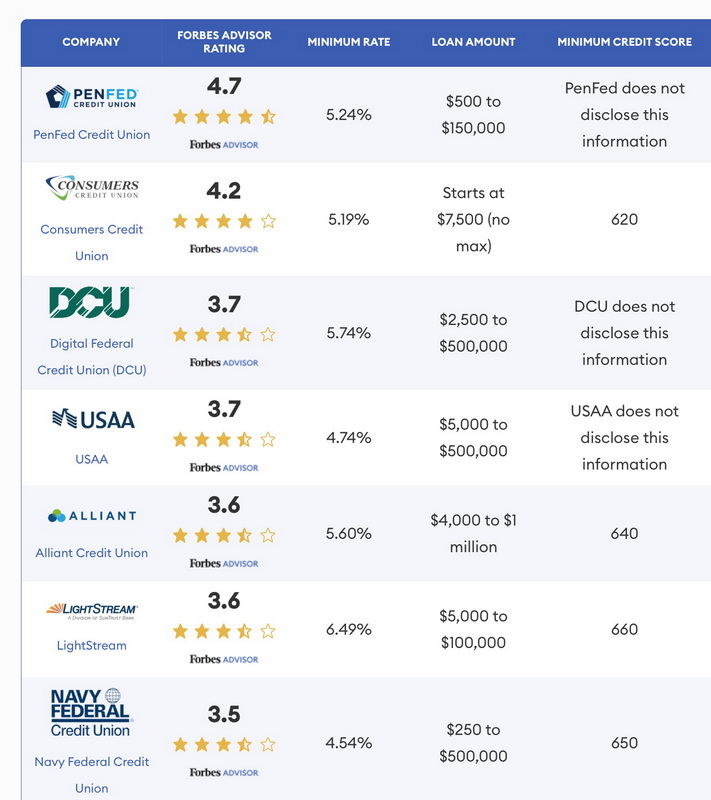
To combat this, start with credit unions. Credit unions are member-owned, non-profit entities that often offer interest rates 1% to 2% lower than large commercial banks. National banks are another option, particularly if you have an existing relationship with them. Always secure a quote from an outside lender before stepping onto the car lot.
The Power of Pre-Approval
A pre-approval is a conditional commitment from a lender to grant you a loan for a specific amount at a specific rate. This is a powerful tool for two reasons. First, it gives you a firm budget, preventing you from overextending your finances. Second, it serves as a “floor” for negotiations. If the dealership wants you to use their financing, they must beat the rate you already have in your pocket. This creates a competitive environment where the lenders are working for you, rather than the other way around.
Refinancing as a Tactical Move
If you were forced to take a high-interest loan due to poor credit or urgent need, you are not necessarily stuck with it for five years. Refinancing is an underutilized tool in the auto world. If your credit score improves significantly after six to twelve months of on-time payments, or if market rates drop, you can replace your high-interest loan with a new one. This can lower your monthly payment and significantly reduce the total interest paid over the life of the vehicle.
Navigating the Fine Print of Auto Loan Contracts
In the world of personal finance, the devil is always in the details. Understanding the terminology and the structure of your loan is vital to avoiding long-term financial pitfalls.
APR vs. Interest Rate: The Key Difference
Many consumers use these terms interchangeably, but they represent different things. The interest rate is the cost to borrow the principal balance. The Annual Percentage Rate (APR) includes the interest rate plus any additional fees, such as origination fees or documentation charges. Always compare loans based on the APR, as it reflects the true total cost of the credit.
Understanding Loan Terms and Amortization
In response to rising car prices, loan terms have stretched from the traditional 36 or 48 months to 72 or even 84 months. While a longer term lowers your monthly payment, it dramatically increases the total interest you pay. Furthermore, it increases the risk of “negative equity,” where the car’s value drops faster than the loan balance. For a sound financial strategy, aim for the shortest term you can comfortably afford—ideally 60 months or fewer.
Avoiding Predatory Lending and Hidden Fees
Be wary of “Buy Here, Pay Here” lots or lenders who focus exclusively on the monthly payment rather than the total cost of the loan. Hidden fees, such as forced-placed insurance, gap insurance markups, or extended warranties folded into the financing at high rates, can balloon your debt. Always ask for a “Truth in Lending” disclosure, which clearly outlines the total finance charge and the total amount you will have paid by the end of the term.
The Future of Auto Financing and Technological Integration
As we look forward, the way we finance vehicles is evolving alongside the technology within the cars themselves.
Electric Vehicles (EVs) and Green Incentives
Many lenders are now offering “Green Auto Loans.” These are specialized financing products with slightly lower interest rates specifically for electric and hybrid vehicles. Lenders view EV buyers as statistically lower-risk profiles, and some are incentivized by government initiatives to promote sustainable transport. When checking auto loan rates today, specifically ask if there are incentives for low-emission vehicles.
Digital Lending Platforms and Fintech
The rise of Financial Technology (Fintech) has streamlined the loan application process. Digital-first lenders use alternative data points to assess creditworthiness, sometimes offering better rates to those with “thin” credit files. Furthermore, the speed of digital approvals allows consumers to shop for rates in real-time while standing on the showroom floor. This transparency is forcing traditional banks to be more competitive, ultimately benefiting the consumer.
In conclusion, while auto loan rates today are higher than the historical anomalies of the last decade, they remain manageable for those who approach the process with a disciplined, informed strategy. By understanding the macroeconomic environment, optimizing your personal credit profile, and shopping aggressively across different lending institutions, you can secure financing that fits your budget and supports your long-term financial goals. Car ownership is a journey, and your loan is the engine that drives it; ensure that engine is as efficient as possible.
aViewFromTheCave is a participant in the Amazon Services LLC Associates Program, an affiliate advertising program designed to provide a means for sites to earn advertising fees by advertising and linking to Amazon.com. Amazon, the Amazon logo, AmazonSupply, and the AmazonSupply logo are trademarks of Amazon.com, Inc. or its affiliates. As an Amazon Associate we earn affiliate commissions from qualifying purchases.