
In an increasingly digitized world, few applications have captured global attention quite like TikTok. With its addictive feed of short-form video content, user-friendly editing tools, and powerful algorithmic recommendations, TikTok redefined how we consume and create digital media. Its meteoric rise has not only reshaped the entertainment landscape but has also profoundly impacted technology development, brand strategy, and the burgeoning creator economy. This article delves into the phenomenon of short-form video, exploring the apps that have emerged in TikTok’s shadow, examining their technological underpinnings, their role in modern branding, and the significant financial opportunities they present for individuals and businesses alike.
The Algorithmic Revolution: Deconstructing TikTok’s Blueprint
TikTok didn’t just popularize short-form video; it perfected a formula that combined intuitive creation with hyper-personalized discovery. Understanding what makes TikTok so compelling is key to appreciating its imitators and competitors.
Core Features Driving Engagement
At its heart, TikTok’s success lies in its deceptively simple yet incredibly effective design. The “For You Page” (FYP) is the engine of its virality, an endlessly scrolling feed of content tailored precisely to each user’s viewing habits, likes, shares, and even the videos they pause to watch. This sophisticated recommendation algorithm, powered by advanced machine learning, ensures that users are constantly exposed to content they are likely to enjoy, fostering an unparalleled level of engagement.
Beyond consumption, TikTok lowered the barrier to content creation. Its in-app editing suite is robust yet easy to navigate, offering a vast library of trending sounds, filters, effects, and text overlays. Features like “Duet” and “Stitch” encourage collaborative content creation, allowing users to build upon existing videos, fostering a sense of community and participation. This emphasis on user-generated content (UGC), authenticity, and trend-driven creativity transformed passive viewers into active participants, democratizing content creation in a way never before seen at scale. The platform made it cool to be quirky, relatable, and authentic, rather than polished and perfect.
The Technological Underpinnings
From a Tech perspective, TikTok is a marvel of modern engineering. Its ability to serve billions of videos to hundreds of millions of users globally, with minimal buffering and high fidelity, speaks to a robust and highly scalable infrastructure. Artificial intelligence and machine learning are not just powering the FYP; they are integral to various aspects of the app, from optimizing video compression for faster loading times to identifying and moderating inappropriate content. Computer vision algorithms analyze video content to suggest relevant tags and categories, further refining the discovery process. The seamless integration of these complex technologies into a user-friendly interface is a testament to sophisticated UI/UX design, making advanced features accessible to everyone. This technological prowess is what many competing platforms strive to emulate, often requiring significant investment in R&D and cloud infrastructure.
Navigating the Competitive Landscape: Apps Challenging TikTok’s Dominance
TikTok’s overwhelming success naturally spawned a wave of competitors, with established tech giants and nascent startups alike vying for a slice of the lucrative short-form video pie. These platforms often mimic TikTok’s core functionalities while attempting to leverage their existing user bases, introduce unique features, or cater to specific niches.
Direct Competitors and Their Unique Angles
-
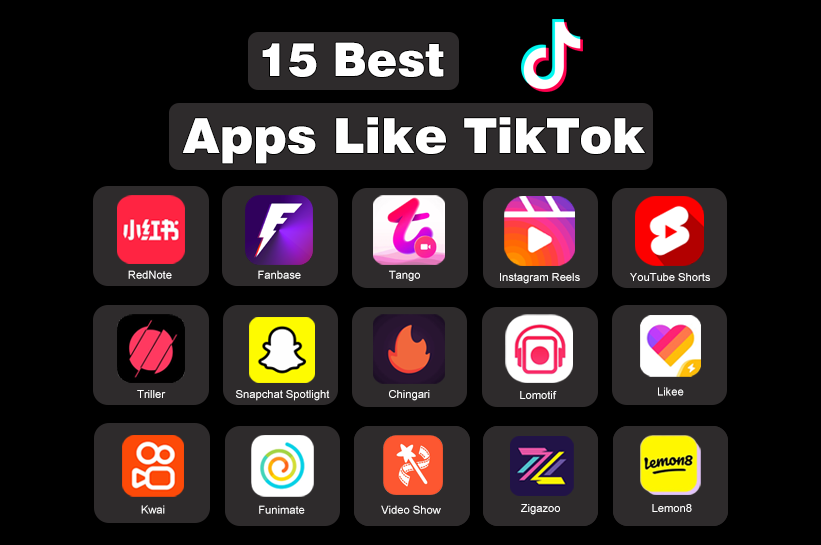
Instagram Reels: As part of Meta’s Instagram ecosystem, Reels was a direct response to TikTok’s ascent. It allows users to create and share short, engaging videos with music, AR effects, and editing tools, mirroring many of TikTok’s capabilities. Instagram’s pre-existing massive user base, particularly among Brand marketers and influencers, gave Reels an immediate advantage in terms of reach. For brands, Reels integrates seamlessly with their existing Instagram presence, allowing them to repurpose content, drive traffic to their profiles, and leverage influencer marketing campaigns alongside traditional photo and Story content. Its “Explore” page algorithms also aim for personalized discovery, albeit with a different feel than TikTok’s singular FYP.
-
YouTube Shorts: Google’s entry into the short-form video arena capitalizes on YouTube’s unparalleled dominance in video content and its vast network of creators. Shorts allows users to create vertical videos up to 60 seconds long using a smartphone, integrating with YouTube’s extensive music library and editing features. The key differentiator here is YouTube’s established Money monetization pathways for creators. Leveraging the existing Partner Program, YouTube offers creators various avenues for earning, from ad revenue on long-form content to the “Shorts Fund” designed to incentivize short-form creation. This attracts established creators looking to diversify their income and reach new audiences within a familiar ecosystem, offering a more direct financial incentive than some newer platforms.
-
Snapchat Spotlight: Snapchat, a pioneer in ephemeral content, introduced Spotlight to highlight the most entertaining Snaps created by its community. While perhaps not as direct a competitor as Reels or Shorts in terms of algorithmic feed, Spotlight leans into Snapchat’s strengths: its younger Gen Z audience, advanced AR filters, and emphasis on immediate, spontaneous content. For Brand marketers, Snapchat still offers a highly engaged and distinct demographic, and Spotlight provides another avenue for authentic, unpolished content that resonates with this audience.
-
Facebook Watch & Other Meta Platforms: Beyond Instagram Reels, Meta has pushed short-form video across its family of apps, including Facebook Watch. The strategy is to embed this content format deeply within the user experience of its billions of users, hoping to retain attention and compete with the time spent on TikTok. While perhaps less distinct in features than standalone apps, Meta’s sheer scale represents a significant challenge to TikTok.
Niche Players and Emerging Platforms
Beyond the giants, a variety of smaller platforms have attempted to carve out their own niches. Apps like Triller have focused heavily on music and celebrity endorsements, aiming for a more curated, professional aesthetic. Other platforms experiment with longer short-form content, decentralized blockchain models for creator compensation, or highly specialized communities (e.g., specific hobbies, educational content). The constant churn in this space highlights the intense competition and the difficulty of replicating TikTok’s “magic formula” without a pre-existing user base or massive marketing budget. Each new entrant, however, pushes the boundaries of features and monetization, benefiting the broader Tech ecosystem and forcing innovation from the market leaders.
Beyond Entertainment: The Business and Branding Impact of Short-Form Video

The explosive growth of short-form video platforms has transcended mere entertainment, evolving into critical tools for Brand building, marketing, and the burgeoning Money-making opportunities within the creator economy. Businesses, individuals, and financial institutions are all adapting to this new landscape.
Brand Strategy in the Short-Form Video Ecosystem
For businesses and individuals alike, short-form video is no longer optional; it’s a strategic imperative.
- Reach & Engagement: These platforms offer unparalleled organic reach and engagement. Brands can create bite-sized content that quickly captures attention, drives awareness, and fosters direct interaction with potential customers. From product demonstrations to behind-the-scenes glimpses, short videos allow brands to humanize their identity and connect with audiences on a more personal level.
- Content Marketing & UGC: Short-form video is a fertile ground for content marketing. Companies can participate in trending challenges, create their own viral content, and most importantly, leverage User-Generated Content (UGC). When customers create videos featuring a brand’s products, it acts as authentic social proof, far more powerful than traditional advertising. Brands actively encourage UGC through contests and hashtags, turning customers into advocates.
- Influencer Marketing: Short-form video has supercharged influencer marketing. Creators with highly engaged followings can drive significant brand visibility and sales. Brands partner with these influencers to create sponsored content that feels native to the platform, reaching targeted demographics effectively. The authenticity inherent in many short-form videos often translates into higher trust and conversion rates for sponsored posts.
- Personal Branding: For individuals, these platforms are powerful tools for personal branding. Whether an expert in a niche field, an artist, or an aspiring entrepreneur, short-form video allows individuals to showcase their skills, personality, and values in an engaging format. Consistent content creation builds a loyal audience, which can then be leveraged for career opportunities, thought leadership, or direct monetization. This aspect directly ties into the “Personal Branding” subtopic of our website’s “Brand” section.
- Corporate Identity: Even traditional corporations are adapting their communication strategies. Short, digestible video content helps demystify complex topics, promote company culture, and engage with stakeholders in a more accessible way. It’s about translating the core Corporate Identity into a dynamic, shareable format.
Monetization and Financial Opportunities
The short-form video ecosystem has unlocked numerous financial avenues, fundamentally reshaping the “Money” landscape for creators and businesses.
- Creator Funds & Payouts: Platforms like TikTok and YouTube have established multi-million dollar “Creator Funds” or direct payout programs to incentivize creators. These funds offer direct compensation based on video performance, audience engagement, and consistency. While not always a primary income source, they provide a baseline revenue stream for many creators.
- Influencer Marketing & Brand Deals: This remains one of the most lucrative opportunities. Creators are paid by brands for sponsored posts, product placements, and long-term ambassadorships. Rates vary widely based on audience size, engagement, and niche, with top-tier influencers commanding significant fees.
- Affiliate Marketing & E-commerce Integration: Many platforms are integrating e-commerce functionalities directly into the video experience. Users can tag products in their videos, link to online stores, or participate in live shopping events. Creators earn commissions on sales generated through their unique affiliate links, turning content into direct revenue. This bridges the gap between entertainment and transaction seamlessly.
- Live Streaming & Gifting: Live sessions allow creators to interact with their audience in real-time. Viewers often purchase virtual gifts (e.g., coins, diamonds) which they can send to creators as a form of appreciation, converting into real money for the creator.
- Subscription Models & Premium Content: While still evolving in short-form, some platforms are exploring subscription options where fans can pay a monthly fee for exclusive content or perks from their favorite creators. This aligns with trends seen on platforms like Patreon and OnlyFans, bringing subscription revenue into the short-video space.
- Financial Tools for Creators: The rise of the creator economy has also spurred innovation in Financial Tools and services tailored specifically for content creators. These include platforms for managing brand deals, tracking analytics, automating invoices, and even offering early access to earnings. This infrastructure helps creators manage their burgeoning “Online Income” and transition from hobbyists to full-fledged businesses.
The Future of Short-Form Video: Trends and Challenges
The short-form video revolution is far from over. As Tech continues to advance, Brands refine their strategies, and Money flows into the creator economy, the landscape will continue to evolve, presenting both exciting opportunities and significant challenges.
Evolving Technologies and User Experiences
- Advanced AI & Personalization: Expect even more sophisticated AI. Future apps will likely offer hyper-personalized editing suggestions, automatic content generation (e.g., turning text into basic video clips), and even more predictive recommendation algorithms. The user experience will become even more seamless, blurring the lines between creation and consumption.
- AR/VR Integration: Augmented Reality (AR) filters are already popular, but deeper integration with virtual reality (VR) and mixed reality (MR) could transform how we interact with short videos, making them more immersive and interactive. Imagine stepping into a video or having content projected into your real-world environment.
- Interactive Video Formats: Beyond likes and comments, expect more interactive elements within videos themselves – polls, quizzes, branching storylines, and even direct control over certain elements within a video.
- Creator Tools & Accessibility: The continuous development of intuitive, powerful editing tools will further democratize content creation, enabling anyone with a smartphone to produce high-quality, engaging videos, pushing the boundaries of creativity.
Navigating Privacy, Security, and Regulation
As these platforms become more pervasive, concerns around data privacy, Digital Security, and content moderation will intensify.
- Data Concerns: The extensive data collection required for personalized algorithms raises privacy questions, particularly regarding user data ownership and how it’s used. Debates around TikTok’s ownership and data handling practices (linking to national security concerns) highlight the geopolitical implications of such popular apps.
- Content Moderation: The sheer volume of content makes effective moderation a monumental task. Platforms will face ongoing pressure to combat misinformation, hate speech, and harmful content while protecting free expression.
- Regulatory Scrutiny: Governments worldwide are increasingly scrutinizing the influence and operations of social media giants. This includes potential regulations on algorithmic transparency, data portability, and child online safety, which could reshape how these apps function globally.
Economic Implications and Sustainability
The “Money” aspect of short-form video is a double-edged sword.
- Creator Economy Growth vs. Burnout: While opportunities abound, the pressure to constantly create engaging content can lead to creator burnout. Platforms and brands will need to consider sustainable compensation models and mental health support for creators.
- Platform Competition for Creators and Advertisers: The battle for user attention and advertising dollars will intensify. Platforms will continue to innovate their monetization strategies, balancing creator incentives with advertiser demands and user experience.
- Diversification of Revenue Streams: Creators will increasingly diversify their income, moving beyond platform funds and brand deals into direct fan support, merchandise sales, and leveraging their short-form audience to promote long-form content or external businesses. This aligns with the “Side Hustles” and “Online Income” themes.
Conclusion
Apps like TikTok have undeniably revolutionized digital media, proving that short-form video is not a fleeting trend but a fundamental shift in how we communicate, entertain, and conduct business. From the Tech marvel of TikTok’s AI-driven feed to the strategic imperatives for Brand building on Instagram Reels and the diverse Money-making opportunities on YouTube Shorts, this ecosystem is vibrant and dynamic. While TikTok set the gold standard, the competitive landscape is rich with innovation, pushing the boundaries of what’s possible. As technology continues to evolve and societal norms adapt, short-form video platforms will remain at the forefront, shaping our digital lives, driving economic opportunities, and challenging us to continuously rethink our approach to content, community, and commerce in the digital age.
aViewFromTheCave is a participant in the Amazon Services LLC Associates Program, an affiliate advertising program designed to provide a means for sites to earn advertising fees by advertising and linking to Amazon.com. Amazon, the Amazon logo, AmazonSupply, and the AmazonSupply logo are trademarks of Amazon.com, Inc. or its affiliates. As an Amazon Associate we earn affiliate commissions from qualifying purchases.