
In the rapidly evolving landscape of modern technology, the term “apparatus” has transcended its traditional roots in chemistry labs and mechanical workshops. Today, when we ask what an apparatus is within a tech-centric context, we are referring to the sophisticated convergence of hardware, software, and interconnected systems designed to perform specific, often complex, functions. Whether it is a high-precision medical diagnostic tool, an industrial robotic assembly line, or the intricate sensors within a smartphone, the modern technical apparatus is the backbone of our digital existence.
Understanding the nature of these systems is essential for professionals in IT, engineering, and digital infrastructure. This article explores the definition, architecture, and future of technological apparatuses, examining how they drive innovation across various industries.
Defining the Technological Apparatus
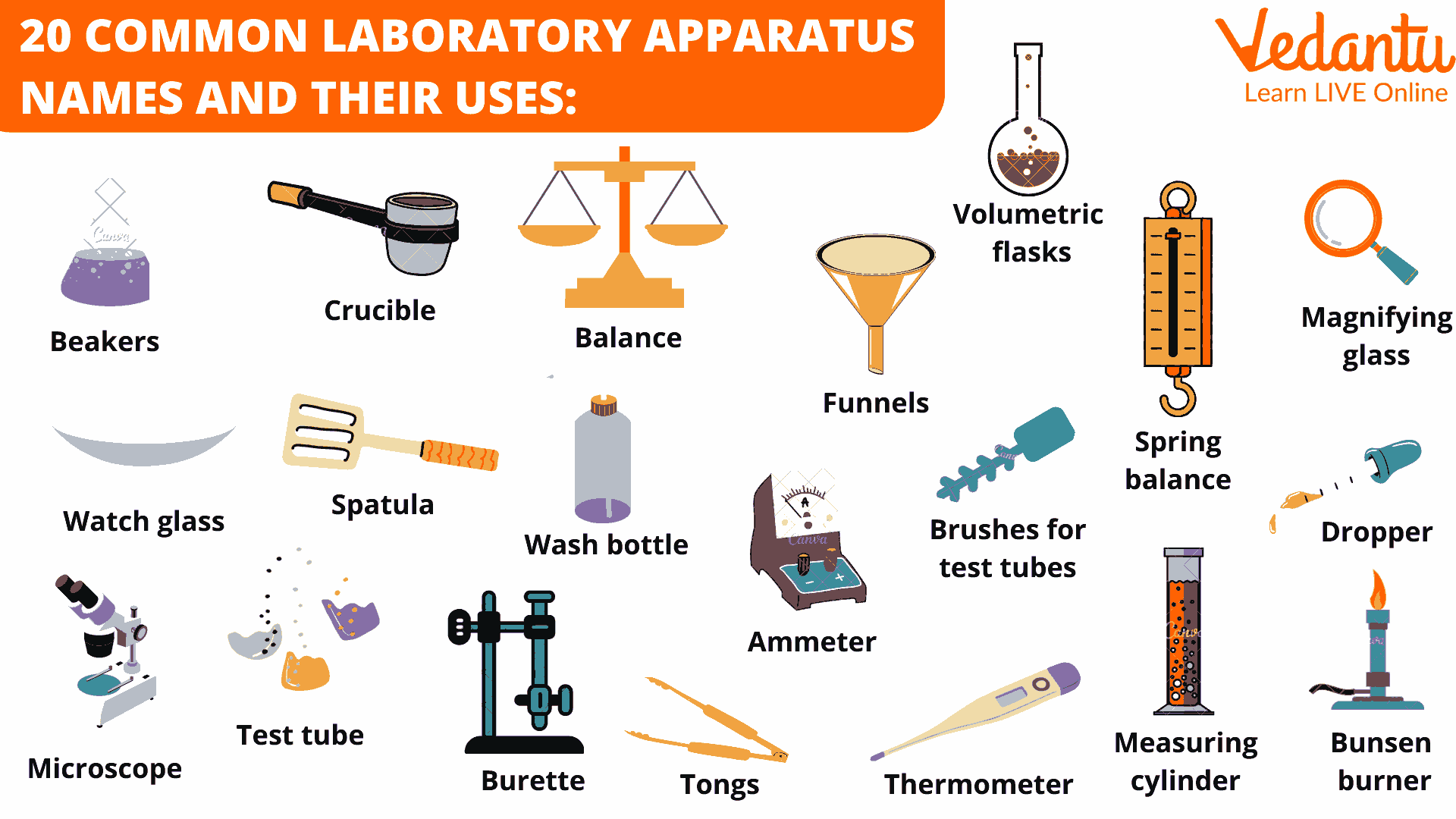
At its core, an apparatus is more than just a single tool; it is a complex structure of instruments, machines, or devices curated for a specific purpose. In the realm of technology, this definition expands to include the logical frameworks and digital interfaces that allow physical hardware to interact with the virtual world.
The Shift from Mechanical to Digital
Historically, an apparatus was purely mechanical—a set of pulleys, gears, or glass tubes. However, the digital revolution has transformed these physical entities into “smart” systems. Modern apparatuses are now defined by their ability to process data. A modern laboratory apparatus, for example, does not just hold a chemical sample; it utilizes spectrographic sensors to analyze the sample at a molecular level and uploads that data to a cloud-based server for real-time analysis. This evolution highlights a transition from passive tools to active, intelligent systems.
Components of a Functional System
Every technological apparatus consists of three primary layers: the physical interface (hardware), the processing layer (firmware or software), and the connectivity layer (network integration). The physical interface includes the sensors, actuators, and chassis. The processing layer acts as the brain, interpreting signals and executing commands. Finally, the connectivity layer allows the apparatus to communicate with other devices, forming what we now commonly refer to as the Internet of Things (IoT) or Industry 4.0 frameworks.
Types of Modern Technical Apparatus
As technology becomes more specialized, the variety of apparatuses has expanded. They are no longer confined to the “tech industry” alone but are integrated into healthcare, manufacturing, and consumer lifestyle.
Laboratory and Scientific Instrumentation
In the scientific community, an apparatus is the primary means of discovery. High-tech scientific apparatuses include electron microscopes, particle accelerators, and DNA sequencers. These devices rely on extreme precision and are often integrated with high-performance computing (HPC) clusters. The “apparatus” here is the entire ecosystem—the physical scanner, the cooling systems, the data cables, and the software that renders a visual representation of invisible atoms.
Industrial IoT and Automated Machinery
In manufacturing, the term apparatus describes the robotic arms and automated guided vehicles (AGVs) that populate “dark factories.” These systems are designed for high-endurance, repetitive tasks with a margin of error that is virtually zero. Unlike simple machines of the past, these industrial apparatuses use “Computer Vision” to see their environment and “Machine Learning” to optimize their movements over time, reducing waste and increasing safety.
Consumer Electronics as Integrated Apparatus
While we often call them “gadgets,” devices like smartphones, smartwatches, and VR headsets are, in technical terms, multi-functional apparatuses. A smartphone is an apparatus for communication, navigation, and computation. It houses an array of sensors—accelerometers, gyroscopes, and magnetometers—that work in unison to provide a seamless user experience. The integration of these diverse components into a single, handheld form factor represents the pinnacle of modern apparatus design.
The Role of Software in Digital Apparatus
A modern apparatus is only as capable as the code that drives it. Without software, the most advanced hardware remains inert. In the tech niche, we focus heavily on the synergy between the “soft” and “hard” components of a system.
Embedded Systems and Firmware
The most critical software within a technical apparatus is the firmware. This is the low-level code programmed directly into the hardware’s non-volatile memory. Firmware serves as the bridge, translating high-level software commands into electrical signals that move motors or trigger sensors. In high-stakes environments, such as aerospace or medical tech, the reliability of the firmware determines the safety and efficacy of the entire apparatus.
Human-Machine Interface (HMI)
The HMI is the point where the user interacts with the apparatus. In the past, this might have been a physical lever or a dial. Today, it is more likely to be a high-resolution touch screen, a voice-activated command system, or an augmented reality (AR) overlay. A well-designed HMI ensures that the complexity of the internal apparatus is hidden from the user, providing an intuitive experience that maximizes productivity and minimizes user error.
Security and Maintenance of High-Tech Apparatus
As apparatuses become more interconnected, they also become more vulnerable. The maintenance of these systems has shifted from mechanical repair to a blend of physical upkeep and digital security.
Cybersecurity in Hardware Infrastructure
Every connected apparatus is a potential entry point for cyber threats. Whether it is a smart thermostat in an office or a central server in a data center, these devices must be protected with robust encryption and secure boot protocols. “Hardening” an apparatus involves ensuring that its communication channels are encrypted and that unauthorized users cannot gain access to its internal logic. This has given rise to the field of Hardware Security Modules (HSM), specialized apparatuses designed solely to protect digital keys and sensitive data.
Predictive Maintenance through AI
One of the most significant advancements in tech-based apparatus management is predictive maintenance. By using sensors to monitor vibrations, heat, and power consumption, AI algorithms can predict when a component of an apparatus is likely to fail before it actually does. This shift from reactive to proactive maintenance saves billions in downtime across the global tech and manufacturing sectors. Instead of waiting for a machine to break, the apparatus itself sends a signal to a technician requesting a specific part replacement based on real-time wear-and-tear data.
The Future of Apparatus in the Age of AI
Looking forward, the concept of the apparatus is set to undergo another radical transformation. We are moving toward a world where the apparatus is not just an instrument of human will, but an autonomous agent.
Autonomous Systems
The next generation of apparatuses includes self-driving vehicles and autonomous drones. These are essentially mobile apparatuses that combine lidars, radars, and sophisticated AI processors to navigate the physical world without human intervention. The “apparatus” in this sense becomes a holistic entity capable of perception, decision-making, and action.
Quantum Computing Apparatus
Perhaps the most complex apparatus currently under development is the quantum computer. Unlike classical computers that use silicon chips, quantum apparatuses require specialized environments—often cooled to temperatures colder than outer space—to manipulate subatomic particles. The development of the quantum apparatus represents the frontier of modern tech, promising to solve problems in seconds that would take current supercomputers millennia to process.
Conclusion
When we answer the question “what are apparatus” through the lens of technology, we see a picture of incredible complexity and integration. These systems are the physical manifestation of human ingenuity, combining the tactile world of hardware with the infinite possibilities of software. From the smallest sensor in a wearable device to the massive arrays of a quantum processor, the technological apparatus is the fundamental unit of progress in our digital age.
As we continue to innovate, the lines between different types of apparatuses will blur. The future belongs to systems that are smarter, more resilient, and more deeply integrated into the fabric of our daily lives. Understanding these systems is not just for engineers; it is for anyone who wishes to navigate a world increasingly defined by the machines and frameworks we build. By mastering the apparatus, we master the tools of the future.
aViewFromTheCave is a participant in the Amazon Services LLC Associates Program, an affiliate advertising program designed to provide a means for sites to earn advertising fees by advertising and linking to Amazon.com. Amazon, the Amazon logo, AmazonSupply, and the AmazonSupply logo are trademarks of Amazon.com, Inc. or its affiliates. As an Amazon Associate we earn affiliate commissions from qualifying purchases.