
Apple Inc. (AAPL) stands as a titan in the global economy, not just for its revolutionary products but also for its colossal financial footprint. For investors, financial analysts, and market enthusiasts, understanding the intricacies of Apple’s share structure is fundamental to grasping its market valuation, investment appeal, and overall corporate strategy. The seemingly simple question, “how many shares does Apple have?”, opens a window into the complex world of corporate finance, revealing the dynamic interplay of stock splits, share buybacks, and market capitalization that defines one of the world’s most valuable companies.
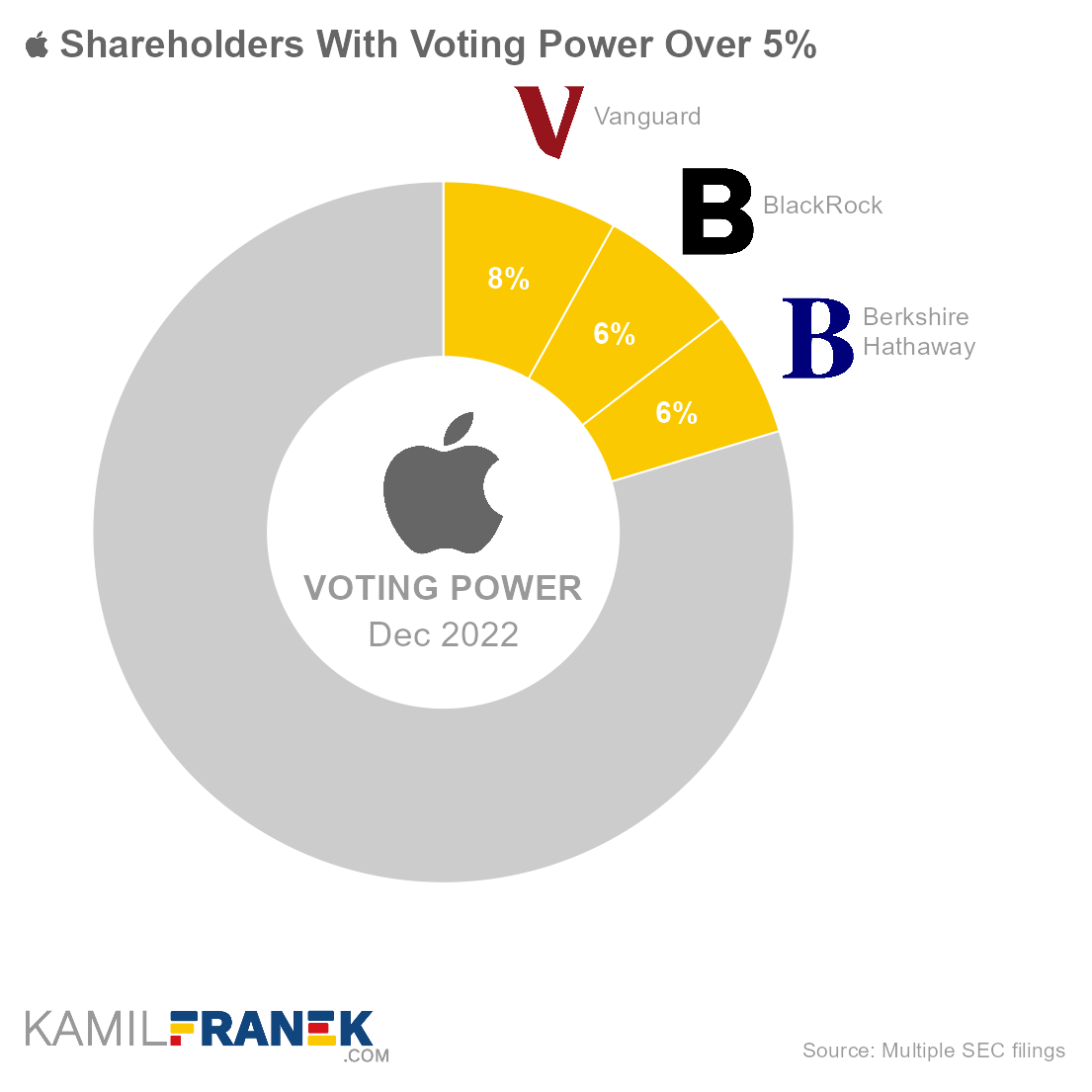
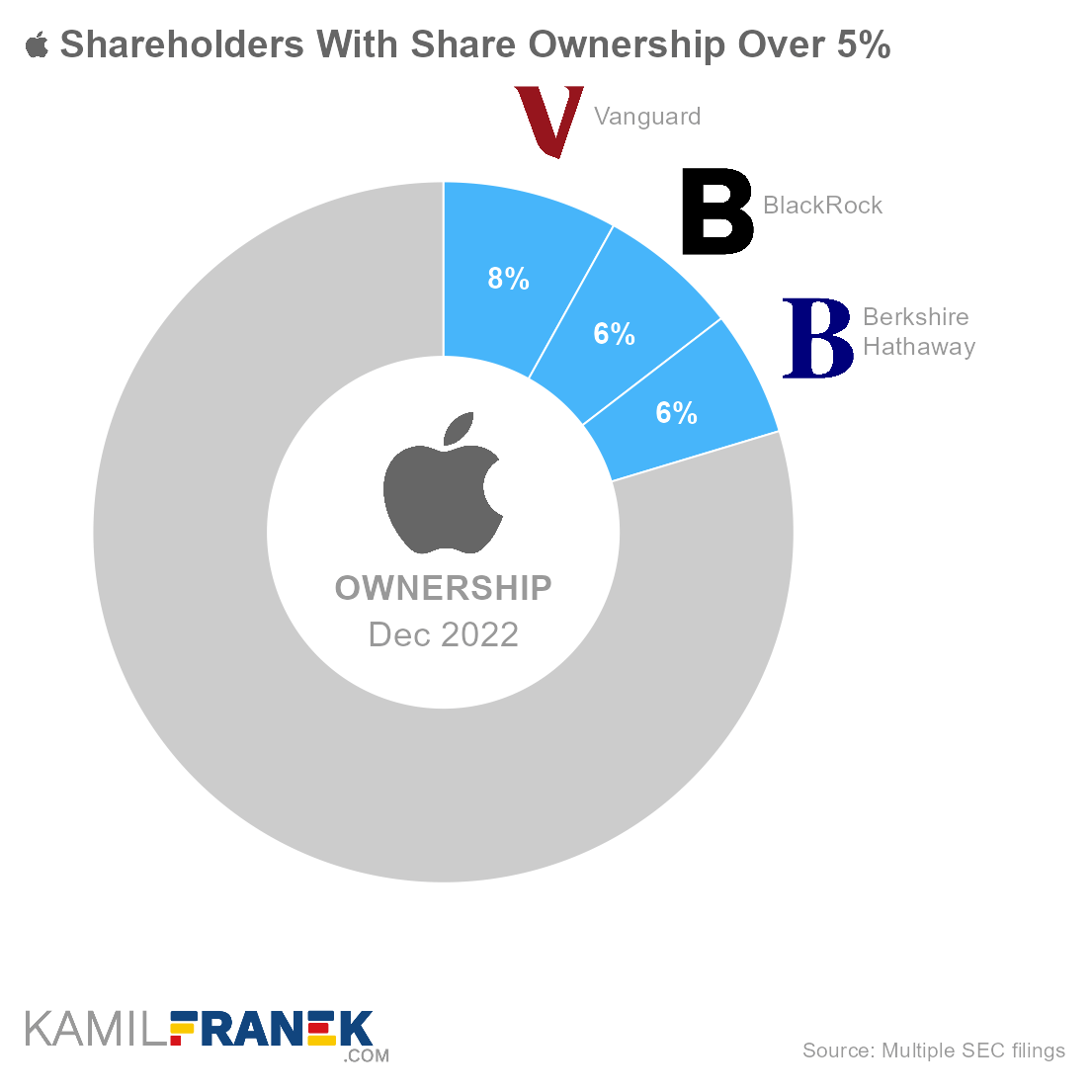
At its core, the number of outstanding shares reflects the portion of a company’s stock that is currently held by all its shareholders, including institutional investors, individual retail investors, and company insiders. This figure is not static; it’s a living metric that constantly evolves due to various corporate actions. For a company like Apple, with its long history of growth, strategic financial management, and monumental market presence, understanding this number and its implications is paramount for anyone looking to make informed decisions or simply appreciate the financial engineering behind a tech juggernaut.
This article will delve into the concept of Apple’s share count, its historical evolution, the financial strategies that influence it, and its profound significance for investors and the broader market. We will explore how Apple’s management of its share structure contributes to its financial health, shareholder returns, and enduring legacy as a financial powerhouse.
Understanding Apple’s Share Count: A Dynamic Metric
The number of shares a company has outstanding at any given time is a critical piece of information for several financial calculations and analyses. However, it’s crucial to recognize that this number is not fixed; it is a dynamic metric influenced by a range of corporate activities.
The Concept of Outstanding Shares
Outstanding shares represent the total number of shares of a company that are currently held by all its shareholders. This includes shares held by individuals, institutional investors (like mutual funds and hedge funds), and even the company’s own executives and employees. It excludes shares that have been repurchased by the company and held in its treasury (treasury stock).
The outstanding share count is a key input for calculating several important financial ratios, most notably earnings per share (EPS) and market capitalization. Market capitalization, for instance, is determined by multiplying the current share price by the number of outstanding shares. Therefore, understanding this figure is the first step in valuing a company or assessing its financial scale. For a company as large and influential as Apple, its outstanding share count provides direct insight into the sheer volume of its ownership distributed across the global investment community.
Why the Number Fluctuates: Stock Splits, Buybacks, and Issuances
The outstanding share count of a company like Apple undergoes continuous change due to deliberate corporate actions. These actions are often designed to manage liquidity, enhance shareholder value, or raise capital.
One of the most significant events that alter a company’s share count is a stock split. A stock split increases the number of shares outstanding while proportionally decreasing the price per share, leaving the total market value of the company unchanged. Apple has famously executed several stock splits throughout its history, most recently a 4-for-1 split in August 2020 and a 7-for-1 split in 2014. The primary goal of a stock split is often to make shares more accessible to a wider range of investors by lowering the per-share price, thereby improving liquidity and potentially attracting more retail investors. While splits increase the number of shares, they don’t change the value of an investor’s total holding immediately after the split.
Another powerful mechanism influencing share count is a share buyback or stock repurchase program. In a buyback, a company uses its cash to purchase its own shares from the open market. This reduces the number of outstanding shares, which in turn can boost earnings per share (EPS) by distributing the same total earnings over fewer shares. It also signals management’s confidence in the company’s valuation and can return capital to shareholders in a tax-efficient manner compared to dividends. Apple is renowned for its aggressive and sustained share buyback programs, often deploying tens of billions of dollars annually to reduce its share count and enhance shareholder value.
Conversely, a company might issue new shares, which increases the outstanding share count. This can happen through secondary offerings to raise capital, employee stock option exercises, or conversions of convertible bonds. While new issuances can dilute existing shareholders’ ownership percentage and potentially reduce EPS, they are sometimes necessary for funding growth initiatives, acquisitions, or debt reduction. Apple, being a mature company with robust cash flows, rarely issues new shares to raise capital in the traditional sense; its share count reduction primarily stems from buybacks.
Where to Find the Most Accurate Data
Given the dynamic nature of share counts, investors need reliable sources for up-to-date information. The most accurate and official data can typically be found in a company’s regulatory filings with the U.S. Securities and Exchange Commission (SEC). Specifically, the 10-K (annual report) and 10-Q (quarterly report) filings provide detailed financial statements, including the number of outstanding shares. These documents are publicly available on the SEC’s EDGAR database and usually on the investor relations section of the company’s official website. Financial news websites, investment platforms, and data providers (like Bloomberg, Refinitiv, Yahoo Finance, Google Finance) also aggregate this information, typically sourcing it directly from the company’s latest filings. It’s crucial to refer to recent reports, as the number can change significantly quarter-over-quarter due to buybacks or other corporate actions.
The Significance of Apple’s Share Count for Investors
For any investor, understanding Apple’s share count goes far beyond just a numerical figure. It directly impacts several key financial metrics and strategies that influence investment decisions and shareholder returns.
Impact on Market Capitalization
As mentioned, market capitalization is calculated by multiplying the current share price by the number of outstanding shares. This metric represents the total market value of a company. Apple’s staggering market capitalization, often fluctuating around or above the $2.5 trillion mark, is a testament to both its high share price and its substantial number of outstanding shares (even after numerous buybacks). A lower share count, all else being equal, would necessitate a higher share price to achieve the same market capitalization, or vice-versa. Market cap is a crucial indicator of a company’s size, liquidity, and overall influence within the market, making Apple a cornerstone of many major stock indices.
Dilution and Earnings Per Share (EPS)
Earnings Per Share (EPS) is one of the most widely cited profitability metrics, calculated by dividing a company’s net income by its number of outstanding shares. A higher EPS generally indicates greater profitability per share and can make a stock more attractive to investors.
Share count directly impacts EPS. When a company issues new shares, it increases the denominator in the EPS calculation, potentially leading to dilution – a reduction in EPS (and an investor’s proportional ownership) if earnings don’t grow at the same pace. Conversely, share buybacks reduce the number of outstanding shares, thus increasing EPS for the same amount of net income. Apple’s aggressive share buyback programs have consistently contributed to robust EPS growth, even during periods when net income growth might have been more modest. This strategy effectively enhances the value proposition for existing shareholders by concentrating the company’s earnings over fewer shares.
Share Buybacks: A Strategy to Enhance Shareholder Value
Apple has become a prime example of a company that effectively uses share buybacks as a core component of its capital allocation strategy. Billions of dollars are allocated annually to repurchase its own stock, a practice justified by several financial principles:
- Boosting EPS: As explained, reducing the share count directly lifts EPS, often seen favorably by the market.
- Returning Capital to Shareholders: Buybacks provide a mechanism to return excess cash to shareholders without the tax implications of dividends for all investors (e.g., those who don’t sell shares).
- Signaling Confidence: A company repurchasing its own stock often signals that management believes the stock is undervalued, indicating confidence in future prospects.
- Offsetting Dilution: Buybacks can also be used to offset the dilution caused by employee stock options and other equity compensation programs, ensuring that the net share count continues to trend downwards.
For Apple, the consistent buybacks have been a significant driver of shareholder value, complementing its growth in product and service revenue.
Implications for Dividend Payments
While less directly tied to the number of shares, the share count does play a role in a company’s overall capital return strategy which includes dividends. A company’s total dividend payout is calculated by multiplying its dividend per share by the number of outstanding shares. While Apple has initiated and steadily increased its dividend payments, its share buyback program often overshadows the dividend in terms of total capital returned to shareholders. However, the consistent reduction in outstanding shares means that future dividend increases, even if modest on a per-share basis, are spread across a shrinking base of shares, potentially making them more sustainable and impactful.
A Historical Perspective: Apple’s Journey and Share Evolution
Apple’s journey from a garage startup to a global powerhouse is mirrored in the evolution of its share structure, marked by key financial decisions that have shaped its trajectory.
Key Stock Splits and Their Rationale
Apple has executed five stock splits since its IPO in 1980. The most recent and impactful were the 7-for-1 split in June 2014 and the 4-for-1 split in August 2020.
- 1987 (2-for-1), 2000 (2-for-1), 2005 (2-for-1): These early splits aimed to keep the stock price accessible during periods of significant growth and increasing investor interest.
- 2014 (7-for-1): This split was particularly noteworthy as it dramatically lowered the share price from over $600 to under $100. The rationale was to make the stock more appealing to a broader base of retail investors and to facilitate its inclusion in the Dow Jones Industrial Average (which is price-weighted). The split made Apple stock more digestible for smaller individual portfolios.
- 2020 (4-for-1): Amidst a pandemic-fueled surge in tech stocks, Apple again split its stock, bringing the price down from over $500 to around $125. The reasoning was similar: to make the stock more accessible and attractive, especially to retail investors using fractional share trading platforms.
Each split reset the share count upwards, but importantly, they made the stock more liquid and often led to increased trading volume, without changing the fundamental value of the company.
The Era of Capital Returns: Dividends and Buybacks
For a significant period after Steve Jobs’ return, Apple hoarded a massive amount of cash, leading to calls from investors for better capital management. In 2012, Apple reintroduced its dividend (which it had suspended in 1997) and initiated its first large-scale share repurchase program. This marked a pivotal shift in its financial strategy, moving from pure growth reinvestment to a more balanced approach that included returning substantial capital to shareholders.
Since then, Apple has become one of the most prolific companies in terms of capital returns. Its share buyback programs have been consistently among the largest in corporate history, systematically reducing the outstanding share count year after year. This strategy has demonstrated a commitment to enhancing shareholder value, particularly for long-term investors, and has contributed significantly to its stock’s performance.
Growth, Innovation, and Shareholder Wealth Creation
The evolution of Apple’s share count is intrinsically linked to its history of innovation and growth. From the Mac to the iPod, iPhone, iPad, and its expanding services ecosystem, Apple has consistently introduced products and services that have driven revenue and profit growth. This financial success has generated the enormous cash flows necessary to fund both its aggressive R&D and its vast capital return programs. The careful management of its share structure, alongside its product innovation, has allowed Apple to create unparalleled shareholder wealth over decades, solidifying its position not just as a technology leader but also as a financial juggernaut.
Analyzing Apple as an Investment: Beyond Just Share Count
While knowing Apple’s share count is fundamental, a holistic investment decision requires a deeper dive into its financial health and market position.
Fundamental Analysis: Revenue, Profitability, and Cash Flow
Investors must look beyond share count to Apple’s core financial performance. This involves analyzing:
- Revenue Growth: Is Apple expanding its market share in existing segments and successfully entering new ones (e.g., services, new hardware categories)?
- Profitability: Key metrics include gross margin, operating margin, and net income. Apple is known for its high-margin products and efficient operations.
- Cash Flow: Operating cash flow and free cash flow are vital indicators of a company’s ability to generate cash from its core operations, fund investments, and return capital to shareholders. Apple’s robust free cash flow fuels its dividends and buybacks.
These fundamental indicators provide a much richer picture of Apple’s intrinsic value and its capacity to sustain shareholder returns.
Valuation Metrics: P/E Ratio, PEG Ratio
Comparing Apple’s current share price to its earnings and growth prospects helps assess its valuation.
- Price-to-Earnings (P/E) Ratio: This compares the current share price to the company’s EPS. A higher P/E suggests investors are willing to pay more for each dollar of earnings, often indicating higher growth expectations.
- PEG Ratio (Price/Earnings to Growth Ratio): This refines the P/E ratio by factoring in the company’s expected earnings growth rate. A PEG ratio around 1 or below is often considered “fairly valued” for a growth stock.
Analyzing these metrics helps investors determine if Apple’s stock is currently undervalued, overvalued, or appropriately priced relative to its peers and its own growth potential.
Growth Prospects and Competitive Landscape
A forward-looking analysis of Apple involves evaluating its future growth drivers. This includes:
- Innovation Pipeline: What new products, services, or technologies is Apple developing? (e.g., augmented reality, autonomous vehicles, new health features).
- Services Growth: Apple’s services segment (App Store, Apple Music, iCloud, Apple TV+, etc.) has been a key focus for growth and margin expansion.
- Geographic Expansion: Opportunities in emerging markets.
- Competitive Threats: How well is Apple positioned against rivals in various segments (e.g., Samsung, Google, Microsoft, Amazon)?
Understanding these dynamics is crucial for predicting Apple’s long-term financial performance and its ability to continue generating shareholder value.
Risk Factors and Market Volatility
No investment is without risk. For Apple, these include:
- Supply Chain Disruptions: Reliance on global manufacturing.
- Regulatory Scrutiny: Antitrust concerns regarding its App Store and market dominance.
- Economic Downturns: Impact on consumer spending for premium products.
- Intense Competition: Constant pressure from rivals.
- Geopolitical Tensions: Especially concerning its manufacturing base in China.
Investors must weigh these risks against Apple’s strengths and growth potential to make a balanced decision. The stock market’s inherent volatility also means that even fundamentally strong companies like Apple can experience significant price swings.
Practical Considerations for Aspiring Apple Investors
For those considering an investment in Apple, the insights gleaned from its share count and broader financial analysis translate into actionable strategies.
Diversification and Portfolio Management
Even with a company as robust as Apple, prudent investors always prioritize diversification. Investing all capital into a single stock, no matter how strong, exposes one to significant single-company risk. Apple should ideally be part of a well-diversified portfolio that includes various asset classes, industries, and geographies to mitigate risk and optimize returns. A balanced portfolio ensures that the performance of one company, even a giant, does not solely dictate overall investment outcomes.
Long-Term vs. Short-Term Investing
Apple has historically been a strong performer for long-term investors, benefiting from compounding growth, consistent innovation, and effective capital return strategies. Long-term investors often focus on fundamental strength, holding through market fluctuations. Short-term trading based on daily news or technical analysis involves higher risk and requires different skills and strategies. Understanding one’s own investment horizon and risk tolerance is critical before committing capital. For many, Apple fits well within a long-term growth and dividend-income strategy.
The Role of Financial Advisors
Navigating the complexities of the stock market and making informed investment decisions can be challenging. A qualified financial advisor can provide personalized guidance, help assess risk tolerance, develop a suitable investment strategy, and integrate an investment in Apple (or any other stock) into a broader financial plan. They can also help interpret financial reports and market trends, ensuring that investment decisions align with individual financial goals.
In conclusion, the question of “how many shares does Apple have?” leads us on an insightful journey through the heart of corporate finance. It’s not merely a number but a dynamic metric that reflects Apple’s strategic financial management, its commitment to shareholder value, and its monumental presence in the global economy. For investors, understanding this count and its implications, alongside a thorough fundamental analysis, is key to appreciating Apple’s enduring strength as an investment powerhouse.
aViewFromTheCave is a participant in the Amazon Services LLC Associates Program, an affiliate advertising program designed to provide a means for sites to earn advertising fees by advertising and linking to Amazon.com. Amazon, the Amazon logo, AmazonSupply, and the AmazonSupply logo are trademarks of Amazon.com, Inc. or its affiliates. As an Amazon Associate we earn affiliate commissions from qualifying purchases.