
In the modern era, the definition of “medication” has transcended simple chemistry. When we ask, “What are antifungal medications?” from a technological perspective, we are no longer just looking at ointments or pills. We are looking at the culmination of high-performance computing, synthetic biology, and sophisticated diagnostic software. Antifungal medications represent a critical frontier in biotechnology, where the fight against complex eukaryotic pathogens is being won through algorithmic precision and innovative bio-engineering.
The Bio-Tech Architecture of Modern Antifungals
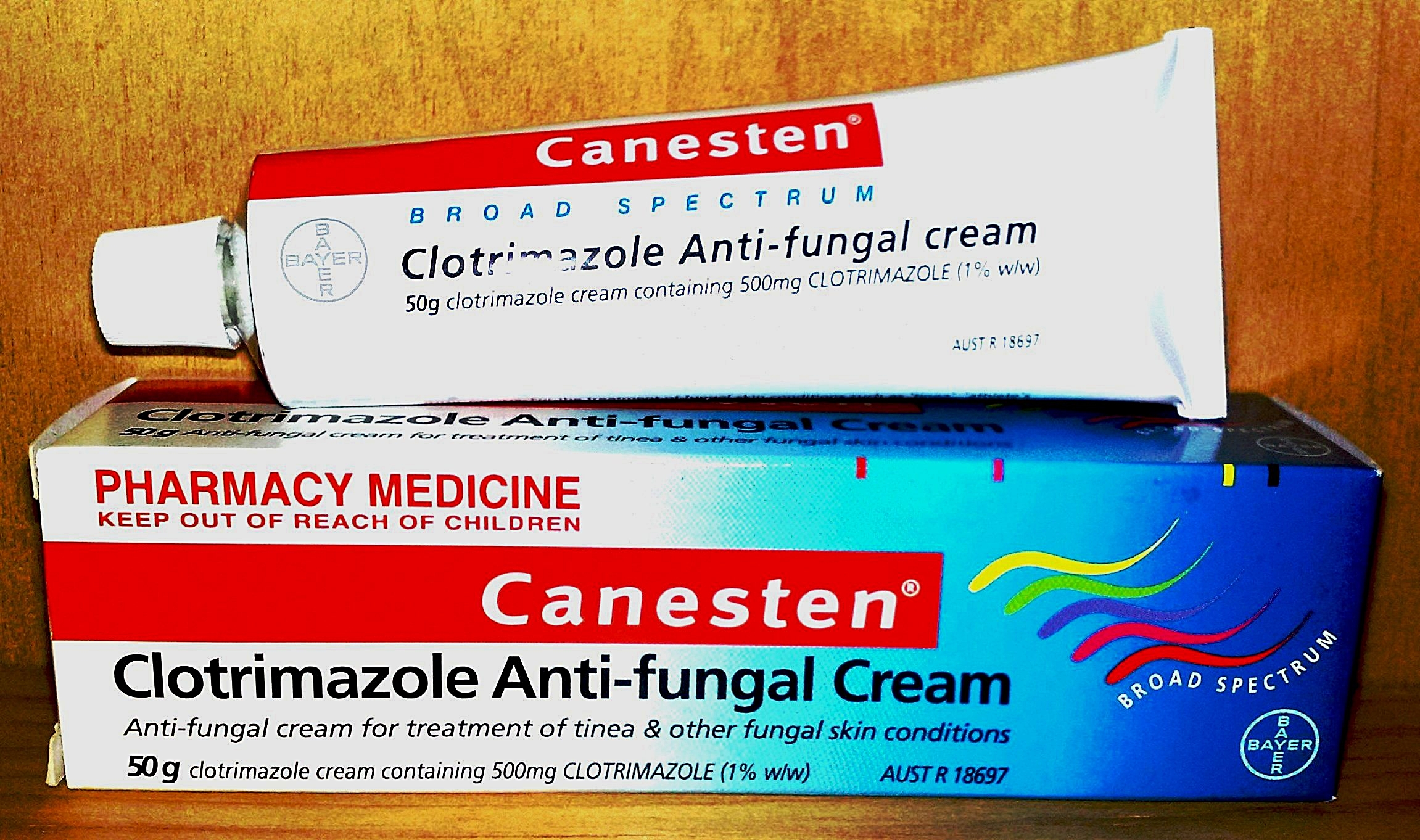
At their core, antifungal medications are precision-engineered tools designed to disrupt the cellular integrity of fungal pathogens without harming the human host. This is a significantly more complex technological challenge than developing antibacterials. Because fungi are eukaryotes—possessing cellular structures similar to humans—the “software” of the drug must be highly specific to avoid cross-reactivity.
Computational Biology in Drug Design
The development of modern antifungals begins not in a petri dish, but in a virtual environment. Computational biology utilizes advanced software suites to model the molecular structure of fungal enzymes. Researchers use protein-ligand docking simulations to predict how a potential medication will interact with a specific fungal target, such as the synthesis of ergosterol (the fungal equivalent of cholesterol).
By leveraging high-throughput virtual screening, scientists can test millions of molecular permutations in a matter of days—a process that would take years in a traditional laboratory setting. This digital-first approach ensures that the antifungal medications reaching clinical trials have been optimized for maximum affinity and minimal toxicity, effectively “debugging” the chemical code before it is ever synthesized.
Synthetic Biology and Bio-Manufacturing
Once a molecular target is identified via software, the production of these medications relies on sophisticated bio-manufacturing technology. Modern antifungal production often involves the use of genetically modified microorganisms. Through CRISPR-Cas9 and other gene-editing tools, bio-engineers program yeast or bacteria to act as living factories, synthesizing complex antifungal compounds that are too intricate for traditional chemical synthesis. This marriage of software-driven genetic design and biological hardware represents the cutting edge of pharmaceutical technology.
AI and Machine Learning in Antifungal Discovery
The rise of “Superbugs” and drug-resistant fungal strains like Candida auris has turned the development of antifungal medications into a data science problem. Artificial Intelligence (AI) and Machine Learning (ML) are now the primary tools used to stay ahead of fungal evolution.
Predictive Modeling for Resistance
Machine learning algorithms are trained on vast datasets of fungal genomes and historical drug responses. These AI models can predict how a fungus might mutate in response to a specific medication. By identifying these evolutionary pathways in advance, tech-driven pharmaceutical firms can develop “combination therapies” or preemptive molecular adjustments. This proactive stance, powered by predictive analytics, allows the industry to move from reactive treatment to strategic intervention.
Neural Networks and De Novo Molecular Generation
Beyond just screening existing libraries, AI is now being used for de novo drug design. Generative AI models, similar in architecture to those used for language processing, are being utilized to “write” new chemical formulas for antifungal medications. These neural networks understand the “grammar” of molecular chemistry and can propose entirely new classes of antifungals that have never existed in nature. This technological leap is essential for overcoming the stagnation in the antifungal pipeline and addressing emerging global health threats.
Diagnostic Technology: Precision Medicine in Mycology
The effectiveness of any antifungal medication is dependent on the speed and accuracy of the diagnosis. In the tech niche, this has led to the development of integrated diagnostic-therapeutic ecosystems.
Rapid Sequencing and Bio-Informatics
The latest antifungal strategies rely on Next-Generation Sequencing (NGS). When a patient presents with a potential infection, handheld sequencing devices can decode the fungal DNA in real-time. This raw data is then processed through cloud-based bio-informatics platforms that compare the pathogen’s signature against a global database of known strains and resistance patterns.
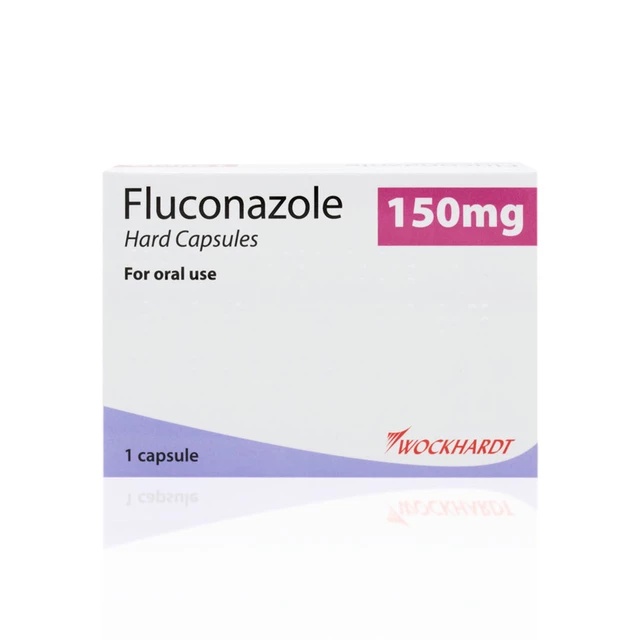
This digital identification allows for “precision prescribing.” Instead of a broad-spectrum approach that can lead to resistance, clinicians use software to select the specific antifungal medication that the data suggests will be most effective for that unique genetic profile.
IoT and Wearable Monitoring
The “Internet of Medical Things” (IoMT) is also playing a role in how antifungal medications are administered and monitored. For chronic fungal conditions, smart-delivery systems and wearables can monitor biological markers in real-time. These devices can adjust the dosage of intravenous antifungals via automated pumps or alert healthcare providers if the medication’s concentration in the bloodstream falls below the therapeutic threshold. This integration of hardware and medicine ensures that the “uptime” of the medication is maximized, mirroring the service-level agreements (SLAs) we see in the software industry.
The Digital Infrastructure of Pharmaceutical Security
As antifungal medications become more complex and valuable, the technology used to protect their integrity and supply chain has become equally sophisticated. The “Tech” behind the medication extends to how it is tracked, verified, and secured across the globe.
Blockchain for Supply Chain Integrity
Counterfeit medications are a significant global issue, particularly for life-saving antifungals. To combat this, leading tech-focused pharmaceutical companies are implementing blockchain technology. Each batch of medication is assigned a unique digital identity on a decentralized ledger. From the point of manufacture to the point of sale, every handoff is recorded. This “digital twin” of the physical product ensures that the medication the patient receives is authentic, untampered with, and has been stored at the correct temperatures—data that is often monitored by IoT sensors and uploaded to the blockchain.
Cybersecurity in Bio-Pharma R&D
The proprietary algorithms and molecular data used to create antifungal medications are high-value targets for corporate espionage and cyberattacks. Consequently, the field of antifungal development is now inextricably linked with digital security. Pharmaceutical firms utilize zero-trust architectures, end-to-end encryption, and secure enclaves to protect their drug discovery pipelines. In this context, defending the intellectual property behind an antifungal medication is as critical as the chemical engineering of the drug itself.
The Future of Digital Health and Antifungal Stewardship
Looking forward, the concept of antifungal medications will likely merge further with digital health platforms. We are moving toward an era of “Software as a Medical Device” (SaMD) where the medication and the digital tool used to manage it are sold as a single package.
Telemedicine and Remote Mycology
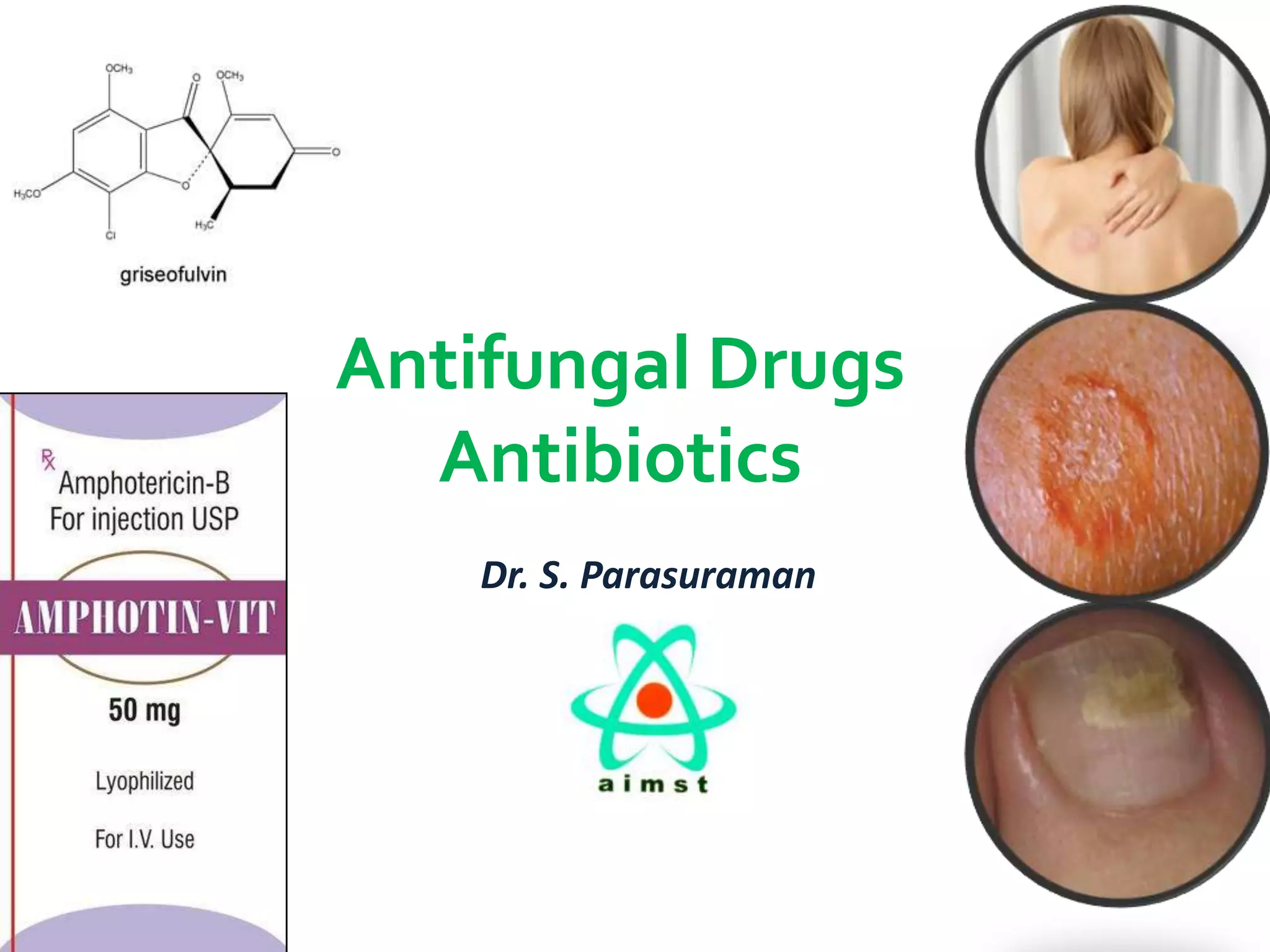
Digital platforms are democratizing access to specialized antifungal expertise. Through high-resolution imaging and AI-powered dermatological apps, patients can receive a preliminary analysis of fungal skin infections from their smartphones. These apps use computer vision—the same technology behind autonomous vehicles—to identify fungal patterns with high degrees of accuracy, facilitating the rapid deployment of the correct antifungal medication without the need for an in-person visit.
Big Data and Global Surveillance
Finally, the fight against fungal pathogens is being managed through global data dashboards. By aggregating anonymized data from hospitals and clinics worldwide, health tech organizations can map the spread of fungal outbreaks in real-time. These “early warning systems” allow for the strategic stockpiling of antifungal medications in high-risk areas before an outbreak becomes a pandemic. This level of logistical coordination is only possible through the use of big data analytics and cloud computing.
In conclusion, when we investigate “what are antifungal medications” through a technological lens, we find a sector that is rapidly evolving. It is no longer a field defined solely by biology, but one driven by AI, secured by blockchain, and optimized by computational modeling. As we continue to bridge the gap between silicon and carbon, the antifungal medications of the future will be smarter, safer, and more effective than ever before, representing a triumph of human engineering in the digital age.
aViewFromTheCave is a participant in the Amazon Services LLC Associates Program, an affiliate advertising program designed to provide a means for sites to earn advertising fees by advertising and linking to Amazon.com. Amazon, the Amazon logo, AmazonSupply, and the AmazonSupply logo are trademarks of Amazon.com, Inc. or its affiliates. As an Amazon Associate we earn affiliate commissions from qualifying purchases.