
When investors look at the pharmaceutical landscape, they often search for “evergreen” sectors—areas of medicine where demand is persistent, the patient base is expanding, and the financial returns are bolstered by long-term necessity. The market for anticoagulant drugs, colloquially known as blood thinners, represents one of the most lucrative and stable segments within the healthcare investment universe. Understanding what anticoagulant drugs are from a financial perspective requires looking beyond the chemistry and into the massive economic engine of cardiovascular health.
As the global population ages and the prevalence of chronic conditions like atrial fibrillation and venous thromboembolism rises, the financial stakes surrounding these medications have reached unprecedented heights. For the savvy investor or business analyst, the anticoagulant sector is not just about medicine; it is about market share, patent lifecycles, and the high-margin world of life sciences.
The Economic Value Proposition of Anticoagulant Drugs
The primary driver behind the financial success of anticoagulants is their role as a preventative measure. In the world of business finance and healthcare economics, “prevention” translates to “cost-avoidance.”
Market Drivers: The Rising Cost of Chronic Disease
The global anticoagulant market is currently valued at tens of billions of dollars, with a compound annual growth rate (CAGR) that consistently outpaces many other drug classes. The economic logic is simple: the cost of a daily anticoagulant pill is a fraction of the cost of treating a major stroke or a pulmonary embolism. From an insurance and governmental perspective, reimbursing these drugs is a sound financial strategy to prevent catastrophic hospital expenses. As emerging markets in Asia and Latin America expand their healthcare infrastructure, the volume of prescriptions is expected to surge, providing a long-term revenue tailwind for manufacturers.
Shift from Warfarin to DOACs: A Revenue Revolution
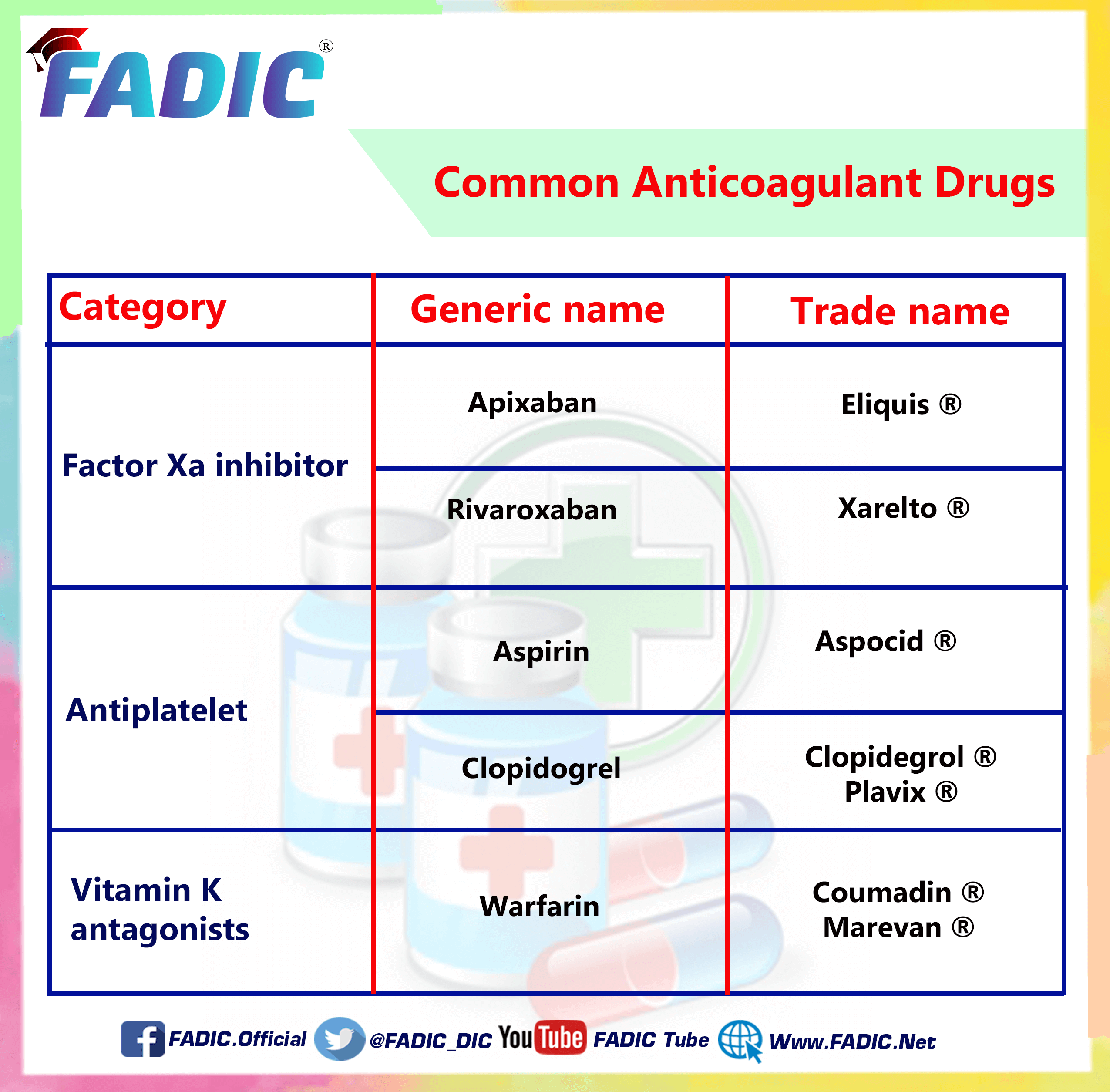
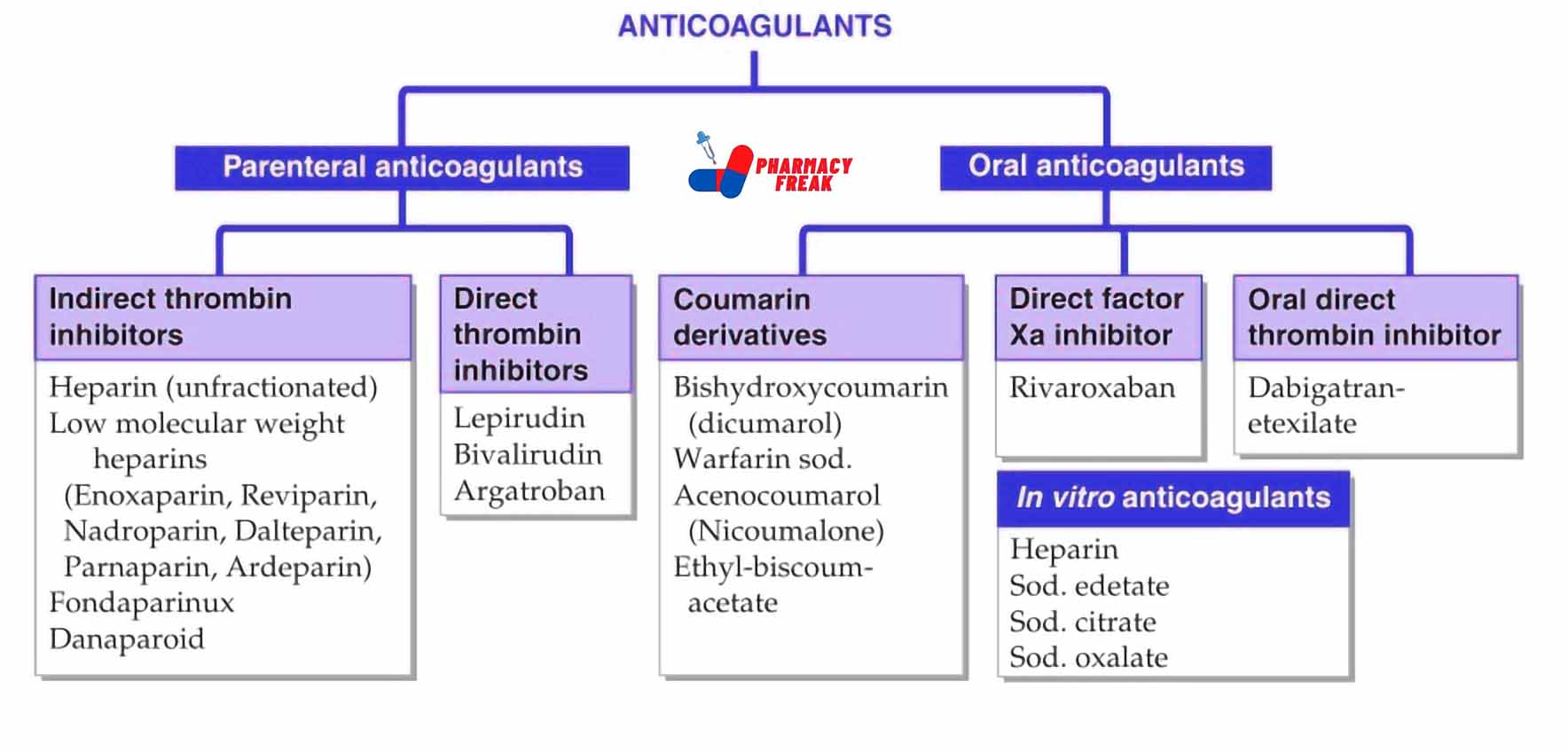
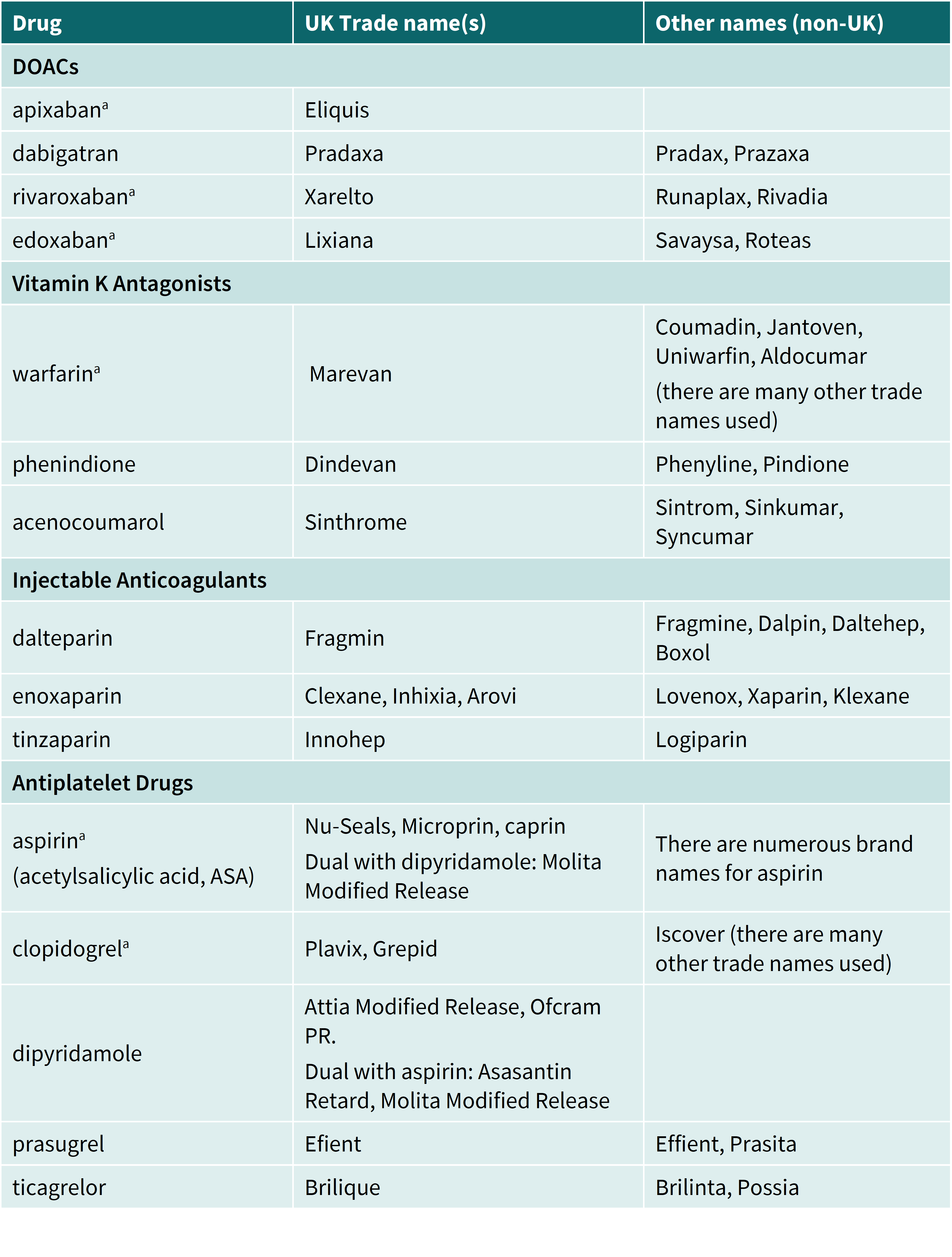
Historically, the market was dominated by Warfarin, a low-cost, generic medication. While effective, Warfarin required constant, expensive blood monitoring and professional oversight. The financial “disruption” in this sector occurred with the introduction of Direct Oral Anticoagulants (DOACs). These branded drugs, such as Eliquis and Xarelto, offered a superior value proposition: no monitoring required and fewer dietary restrictions. For pharmaceutical companies, this shift represented a transition from a low-margin generic environment to a high-margin, branded dominance that has defined the last decade of hematology sales.
Key Players and Stock Performance in the Hematology Sector
For those managing an investment portfolio, the anticoagulant market is dominated by a few “titans” of the pharmaceutical industry. The performance of these companies is often tied directly to the quarterly sales volumes of their flagship blood thinners.
Pfizer and Bristol-Myers Squibb: The Eliquis Dominance
The partnership between Pfizer (PFE) and Bristol-Myers Squibb (BMY) on the drug Eliquis (apixaban) is one of the most successful joint ventures in corporate history. Eliquis has become the “gold standard” in the industry, generating billions in annual revenue. For BMY in particular, Eliquis represents a significant portion of their total earnings. Investors track the sales of this drug as a primary indicator of the company’s financial health. The drug’s ability to maintain dominant market share despite increasing competition is a testament to effective brand positioning and a robust clinical data moat.
Johnson & Johnson and Bayer: The Xarelto Ecosystem
Similarly, the collaboration between Johnson & Johnson (JNJ) and Bayer on Xarelto (rivaroxaban) has created a secondary powerhouse in the market. While Xarelto faces stiff competition from Eliquis, it has carved out specific niches in post-surgical care and peripheral artery disease. From a business finance perspective, the diversified indications for Xarelto allow these companies to capture multiple revenue streams within the same patient demographic, maximizing the “Lifetime Value” of the patient relationship.
Emerging Markets and Future Financial Projections
The pharmaceutical industry is currently facing a “patent cliff”—a period where many blockbuster drugs lose their exclusivity. This creates both risks and opportunities for investors.
The Impact of Patent Expirations and Generics
Within the next several years, the patents for leading DOACs like Eliquis and Xarelto will begin to expire. For the current holders, this represents a significant “revenue hole” that must be filled. However, for the generic pharmaceutical sector—companies like Teva or Viatris—this presents a massive opportunity to capture volume. The transition to generics usually leads to a price drop of 80-90%, which reshapes the insurance reimbursement landscape and forces branded players to innovate. Investors must closely watch the “loss of exclusivity” (LOE) timelines to manage their exposure to these stocks.
Investment Opportunities in Biotech R&D
The “next big thing” in the anticoagulant business is the development of Factor XI inhibitors. Current anticoagulants carry a risk of bleeding, which is a significant clinical and financial liability. Companies like Anthos Therapeutics and large-cap players like Bayer are investing heavily in this new class of drugs, which promise to prevent clots without the associated bleeding risk. If successful, these drugs will reset the patent clock and create a new multi-billion dollar category, offering early-stage investors the potential for high-alpha returns.
Financial Implications for Healthcare Systems and Insurance
The “Money” aspect of anticoagulants extends beyond stock prices and into the balance sheets of global healthcare providers and insurance companies.
Cost-Benefit Analysis: Prevention vs. Emergency Care
In professional finance, we often look at the “Return on Investment” (ROI) of a specific intervention. For a healthcare system, the ROI of providing anticoagulants to a high-risk population is incredibly high. A single stroke can cost upwards of $50,000 to $100,000 in acute care, rehabilitation, and lost productivity. In contrast, even an expensive branded anticoagulant costs only about $4,000 to $5,000 per year. By analyzing these data points, insurance companies (payers) determine their “formulary” status—deciding which drugs they will cover and at what price. For the pharmaceutical company, securing a “Preferred” status on these formularies is the key to unlocking mass-market sales.
The Role of Pharmacy Benefit Managers (PBMs)
In the United States, the financial flow of the anticoagulant market is heavily influenced by PBMs. These entities negotiate rebates and discounts between the manufacturer and the insurer. The complexity of these financial arrangements often dictates which drug a patient actually receives. For an analyst, understanding the “Net Price” (the price after rebates) rather than the “List Price” is crucial for accurately forecasting the actual revenue a company will realize from its anticoagulant portfolio.
Conclusion: The Strategic Outlook for Investors
The question of “what are anticoagulant drugs” is, in the world of finance, a question of “where is the stable cash flow?” This sector represents a perfect intersection of demographic necessity and high-barrier-to-entry manufacturing. While the coming patent cliffs will undoubtedly lead to market volatility, the underlying demand for stroke prevention and clot management is only going to increase.
For those looking to build a resilient healthcare-focused portfolio, the anticoagulant market offers a blend of dividend-paying pharmaceutical giants and high-growth biotech innovators. By keeping a close eye on clinical trial results for next-generation inhibitors and the shifting landscape of generic competition, investors can navigate this complex but rewarding financial terrain. The business of blood thinners is not just about keeping blood flowing; it is about keeping the global healthcare economy moving forward.
aViewFromTheCave is a participant in the Amazon Services LLC Associates Program, an affiliate advertising program designed to provide a means for sites to earn advertising fees by advertising and linking to Amazon.com. Amazon, the Amazon logo, AmazonSupply, and the AmazonSupply logo are trademarks of Amazon.com, Inc. or its affiliates. As an Amazon Associate we earn affiliate commissions from qualifying purchases.