
In the modern landscape of personal finance, the subscription model has become a dominant force in consumer expenditure. Among the myriad of monthly and annual recurring costs, Amazon Prime stands as a titan, commanding a significant portion of household budgets worldwide. To the casual observer, Amazon Prime is a convenience tool; to the financially savvy individual, it is a complex ecosystem of logistics, rewards, and consolidated services that requires a rigorous cost-benefit analysis. Understanding the benefits of Amazon Prime from a purely financial perspective involves looking beyond the “free shipping” marketing and evaluating how the service impacts cash flow, purchasing power, and overall household budgeting.
The Cost-Benefit Framework of Amazon Prime Membership
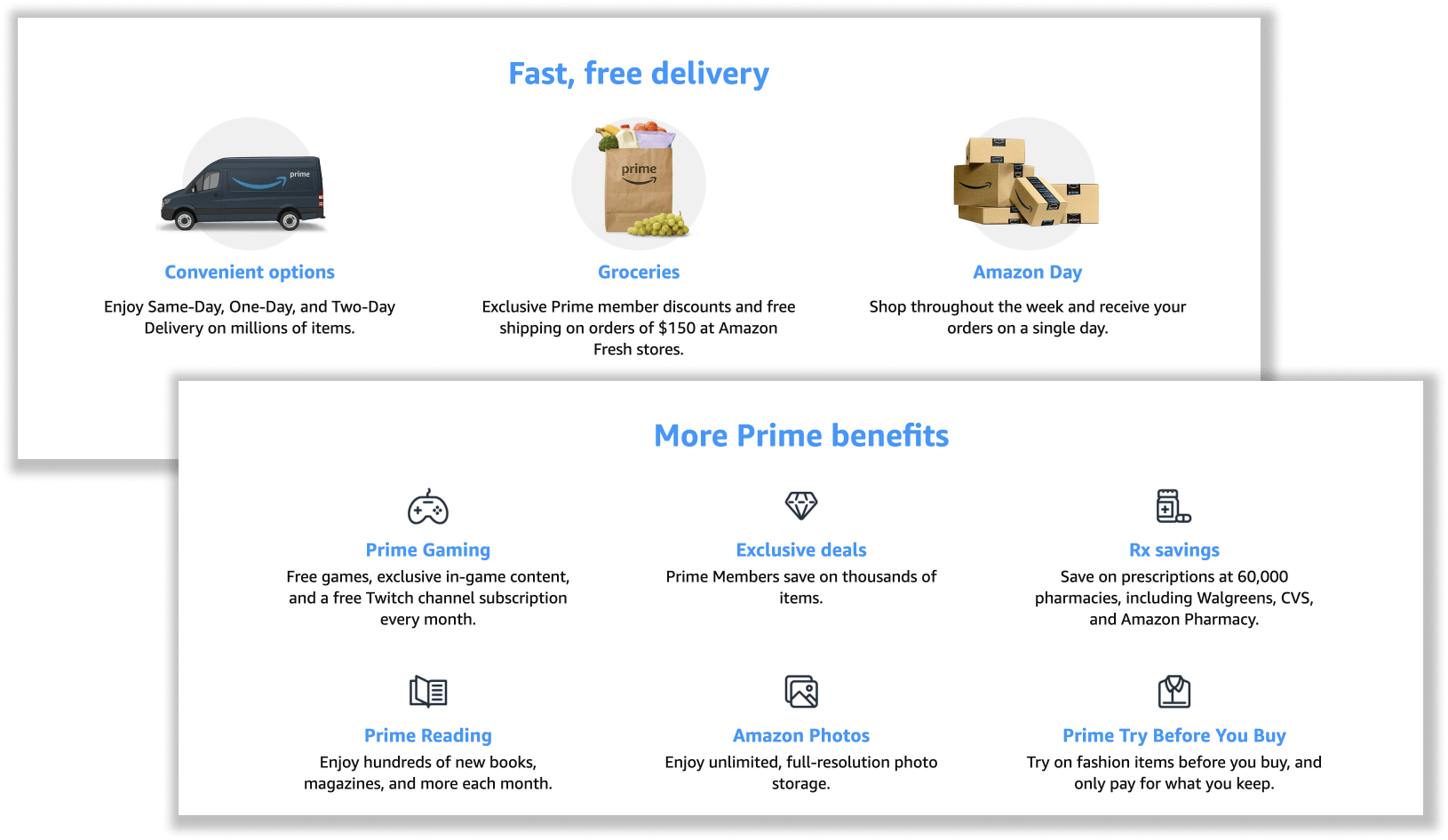
When evaluating any financial commitment, the first step is to establish the baseline cost versus the tangible return on investment (ROI). As of the current market rate, an Amazon Prime membership represents a fixed annual overhead of $139 (or a higher monthly premium). For this expenditure to be financially justifiable, the user must extract value that exceeds this cost through either direct savings or the reduction of other necessary expenses.
Membership Fees vs. Tangible Savings
The most immediate financial benefit is the elimination of per-order shipping costs. From a personal finance standpoint, this is an exercise in shipping arbitrage. If a standard shipping fee averages $5 to $9 per order, a consumer needs to place approximately 15 to 28 orders per year to break even on the membership fee alone. For households that utilize Amazon for recurring needs—ranging from household cleaning supplies to office equipment—this break-even point is often reached within the first quarter of the year.
Furthermore, the “No-Rush Shipping” incentive offers a unique way to recoup the membership fee. By opting for slower delivery on non-essential items, members receive digital credits that can be applied to Kindle books, Prime Video rentals, or even grocery orders. For a disciplined shopper, these credits can effectively subsidize the annual fee, turning the membership into a net-positive financial tool.
The Psychology of Sunk Cost and Consumer Spending
A critical aspect of the Prime financial model is the “sunk cost” effect. Once the annual fee is paid, consumers often feel a psychological pressure to use the service to “get their money’s worth.” From a financial management perspective, this can be a double-edged sword. While it encourages the use of benefits that save money, it can also lead to lifestyle inflation and impulse purchasing. Financial discipline is required to ensure that the “one-click” convenience does not lead to a higher overall burn rate of disposable income. The goal of a Prime member should be to consolidate existing spending into the Prime ecosystem to capture discounts, rather than creating new spending habits simply because shipping is free.
Maximizing Purchasing Power Through Rewards and Logistics
Beyond the surface-level benefits of shipping, Amazon Prime offers several deep-tier financial tools that can significantly enhance a user’s purchasing power. These tools act as a form of “cash-back” or “margin improvement” on daily expenses.
Amazon Store Cards and Cash Back Optimization
One of the most potent financial advantages available to Prime members is access to the Amazon Prime Visa or the Amazon Store Card. These financial instruments offer a consistent 5% cash back on all Amazon.com and Whole Foods Market purchases. For a family spending $500 a month on groceries and household goods through these channels, the 5% cash back translates to $300 in annual savings.
When this is factored into the membership cost, the $139 fee is not just covered; it becomes a gateway to a high-yield rewards program. In the world of personal finance, a guaranteed 5% return on necessary spending is an elite-tier strategy for reducing the cost of living. This cash back can be liquidated as a statement credit or reinvested into future purchases, effectively lowering the consumer price index for that specific household.
Strategic Logistics and Time Value of Money
While often overlooked in financial discussions, the “Time Value of Money” (TVM) plays a role in the Prime ecosystem. The 1-day or same-day delivery services allow for “just-in-time” inventory management for a household. Instead of tying up capital in large quantities of bulk goods stored in a pantry or garage, a Prime member can maintain higher liquidity by ordering items exactly when they are needed.
Additionally, the reduction in physical travel to brick-and-mortar stores represents a direct saving in fuel costs and vehicle depreciation. In an era of fluctuating energy prices, the ability to have goods delivered to the doorstep at no additional cost is a hedge against rising transportation expenses.
Leveraging Prime for Household Budget Management
For many, the true value of Amazon Prime lies in its ability to serve as a comprehensive budgeting tool. By utilizing the specific programs nested within the membership, users can automate their savings and protect their budgets from price volatility.
Grocery Savings via Amazon Fresh and Whole Foods
With the integration of Whole Foods Market, Prime members receive exclusive discounts—often an additional 10% off sale items—and access to member-only deals. For individuals who prioritize high-quality nutrition, these discounts can significantly lower the “grocery tax” often associated with premium retailers. Furthermore, Amazon Fresh offers a digital interface for grocery shopping that allows for real-time total tracking. This helps prevent the “cart shock” often experienced at checkout in physical stores, allowing consumers to remove items if they exceed their weekly budget before the transaction occurs.
Subscribe & Save: The Automated Discount Strategy
The “Subscribe & Save” program is perhaps the most effective wealth-preservation tool within the Amazon suite. By committing to a recurring delivery of five or more products, members can unlock discounts of up to 15% on their entire order. This is particularly effective for non-perishable commodities such as detergents, diapers, pet food, and pantry staples.
From a business finance perspective, this is a “volume discount” usually reserved for wholesalers. By automating these purchases, the consumer not only saves money but also eliminates the cognitive load of shopping, reducing the likelihood of making expensive, last-minute convenience purchases at a local drugstore where margins are significantly higher.
The Hidden Financial Value of Digital Ecosystem Consolidation
A significant portion of the Amazon Prime value proposition is found in its digital services. When viewed through the lens of “subscription consolidation,” Prime offers a way to slash monthly entertainment and utility costs.
Consolidating Entertainment Subscriptions
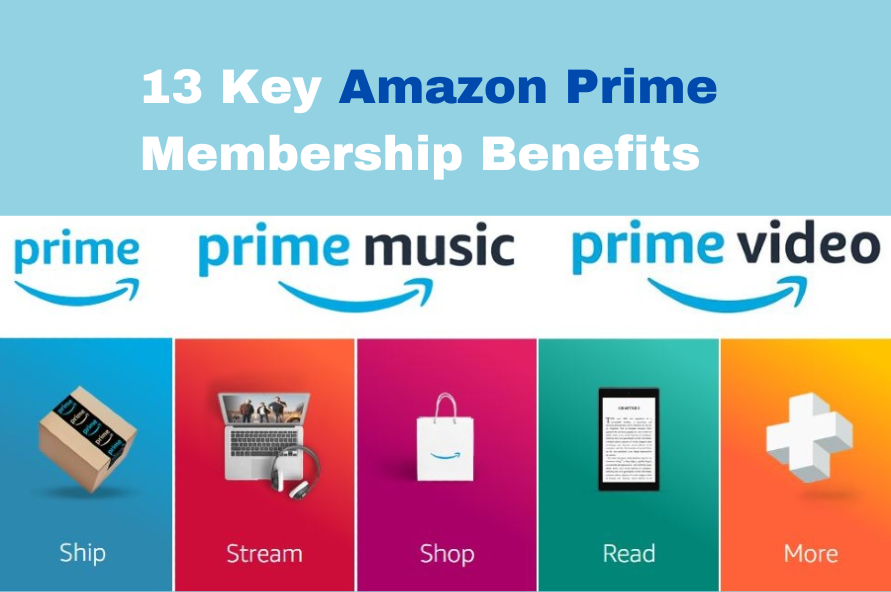
The average consumer today is burdened by “subscription fatigue,” paying for multiple streaming services, music platforms, and cloud storage. Prime Video, Prime Music, and Prime Reading are included in the membership fee. If a user were to pay for a standalone video streaming service ($10-$15/month) and a music streaming service ($10/month), they would be spending upwards of $240–$300 per year.
By utilizing Prime Video and Prime Music, a household can potentially cancel other redundant subscriptions. This consolidation can save a household several hundred dollars annually, making the Prime membership “free” several times over in terms of avoided costs. This is a classic move in personal finance: replacing multiple high-cost services with a single, multi-functional utility.
Unlimited Photo Storage and Digital Assets
Amazon Photos provides Prime members with unlimited, full-resolution photo storage. In a digital economy where cloud storage (like Google One or iCloud) carries a monthly fee, this benefit represents a direct saving. For a user with a large library of digital assets, this can replace a $2.99 or $9.99 monthly storage plan. Over the course of a decade, this single benefit can save over $1,000 in digital maintenance costs.
Strategic Decision Making: Is Prime Worth the Investment?
Despite the numerous benefits, Amazon Prime is not a universal financial “win.” It requires a strategic approach to ensure it remains a tool for wealth preservation rather than a drain on resources.
Assessing Frequency vs. Volume
To determine if Prime is a sound financial move, one must audit their past 12 months of spending. If you find that you are a “low-frequency, high-volume” shopper—ordering large quantities once or twice a year—you may be better off paying for individual shipping or meeting the minimum threshold for free shipping without a membership. However, if you are a “high-frequency” shopper who relies on the convenience of small, regular deliveries, the membership is almost certainly a financial necessity.

The Danger of the Subscription Trap
The greatest risk to a user’s personal finance health within the Prime ecosystem is the ease of spending. The removal of “transaction friction” is a psychological tactic designed to increase the velocity of money from the consumer to the corporation. To counter this, savvy users should implement a “24-hour rule” for non-essential items in their cart, ensuring that the Prime benefits are being used to facilitate necessary spending rather than impulsive consumption.
In conclusion, the benefits of Amazon Prime are extensive, but their financial value is entirely dependent on the user’s ability to leverage the tools provided. Through 5% cash-back rewards, “Subscribe & Save” discounts, and the consolidation of digital services, a Prime membership can serve as a robust pillar of a household’s financial strategy. When managed with discipline, it is less of an expense and more of a strategic investment in logistical efficiency and cost reduction.
aViewFromTheCave is a participant in the Amazon Services LLC Associates Program, an affiliate advertising program designed to provide a means for sites to earn advertising fees by advertising and linking to Amazon.com. Amazon, the Amazon logo, AmazonSupply, and the AmazonSupply logo are trademarks of Amazon.com, Inc. or its affiliates. As an Amazon Associate we earn affiliate commissions from qualifying purchases.