
The history of boxing is defined as much by its rigid adherence to structure as it is by the raw athleticism of its combatants. While the spectacle of a heavyweight knockout often captures the public imagination, the true technical evolution of the sport lies in the granular breakdown of weight classes. For the modern boxing stakeholder—whether a promoter, a manager, or a fan navigating the business of sports—understanding these divisions is essential to understanding the value, marketability, and financial viability of fighters.
The Economics of Weight Classes: Scaling Value and Marketability
In the business of professional boxing, weight classes serve as the primary framework for creating fair competition, which in turn drives the economic engine of the sport. From a marketing and branding perspective, each weight class represents a specific tier of “product.” Just as a luxury brand distinguishes its entry-level offerings from its premium flagship goods, boxing promoters package fighters into divisions that dictate pay-per-view potential, sponsorship reach, and global appeal.

Diversification of Talent
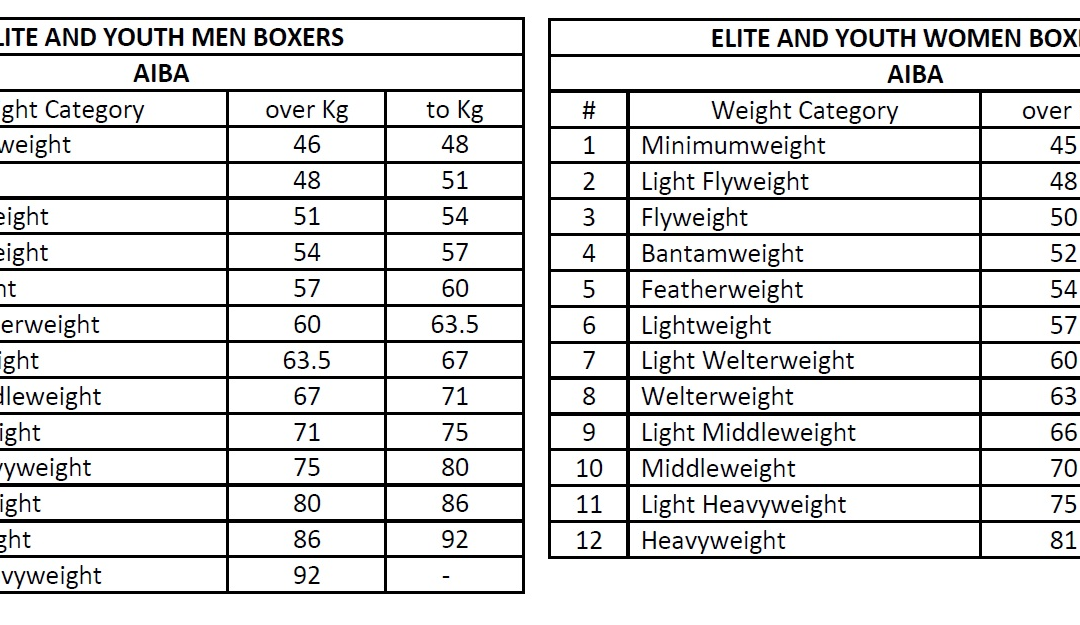
The proliferation of weight classes—currently numbering 17 in most major sanctioning bodies—allows for a broader spectrum of elite athletes to compete for championships. From a brand management standpoint, this is a masterclass in market saturation. By maintaining diverse divisions, the sport ensures that there is always a “champion” to market in different geographic regions. For example, smaller weight classes often hold immense sway in markets like Japan, Mexico, and the Philippines, while the heavyweight division remains the undisputed king of the North American and European pay-per-view markets.
The Financial Incentive of Moving Up
For a fighter, the weight class is not just a physiological limitation; it is a financial instrument. The decision to move up in weight is rarely just about health; it is often a strategic business pivot. Moving into a more lucrative, “heavier” division can lead to higher purses, more prominent sponsorship deals, and increased media visibility. Conversely, the “catchweight” phenomenon—a strategy where fighters agree to fight at a weight between two official classes—is a tactical negotiation tool used to mitigate the risk of a weight-based disadvantage while maximizing the commercial value of a “super fight.”
The Traditional Hierarchy: From Strawweight to Heavyweight
The current structure of boxing is standardized by the four major sanctioning bodies: the WBA, WBC, IBF, and WBO. Understanding these divisions requires looking at them as segments of a business model, where each increment of weight reflects a transition in speed, power, and, ultimately, the “draw” of the athlete.
The Lower Tiers: Speed and Precision
At the lighter end of the spectrum, beginning with the Minimumweight (Strawweight) division at 105 pounds, the focus is on extreme conditioning and technical speed. These divisions are the “niche markets” of boxing. While they may not generate the massive mainstream revenue of the heavyweights, they represent the highest level of technical proficiency and fan loyalty. They are the “pure” products of the sport, often marketed to hardcore aficionados who value the artistry of movement over the commercial spectacle of a knockout.
The Middleweight Corridor
The middle tiers—ranging from Welterweight (147 lbs) to Middleweight (160 lbs)—are arguably the most valuable segments in the boxing business. These divisions represent the “Goldilocks zone” for pay-per-view metrics. A fighter in these classes possesses a combination of enough power to thrill a mainstream audience and enough speed to maintain the athletic integrity of the sport. From an investment perspective, this is where the highest return on investment (ROI) is often found, as the talent pool is deepest here, leading to high-frequency, high-stakes matchups.

The Heavyweight Apex
The Heavyweight division (200+ lbs) is the “luxury brand” of boxing. It operates with a different set of financial rules. Because of the inherent scarcity of elite heavyweights and the universal appeal of seeing the largest athletes compete, this division commands the highest purses and the largest media footprint. It is the corporate flagship. When a heavyweight division is active and competitive, the entire industry prospers. The branding of a heavyweight champion is often synonymous with the branding of the sport itself.
Strategic Career Management and Brand Positioning
For a professional boxer, career management is essentially a lesson in corporate strategy. A manager’s goal is to position the fighter in the weight class where they can maintain peak performance while commanding the highest market value. This involves a calculated analysis of the “competition landscape.”
The “Bridge” Fighter
Many fighters operate as bridges between weight classes. By campaigning in multiple divisions, a fighter effectively expands their brand reach. This strategy is comparable to a company launching product extensions to capture market share in adjacent sectors. If a fighter can hold titles in two different weight classes, they effectively double their sponsorship reach and unify two different fan bases, creating a more robust personal brand that is insulated against the volatility of any single division.
The Business of Weight Management
Weight cutting—the process of shedding mass to make a weight limit—is the most significant operational challenge in boxing. It is a form of risk management. If a fighter fails to make weight, they risk stripping their own title, losing leverage in future contract negotiations, and damaging their professional reputation. In the world of high-stakes contracts, a “missed weight” is a breach of trust with the consumer and the broadcast partner. Therefore, professional camps invest heavily in nutritionists and data-driven conditioning coaches, treating the fighter’s body as a high-performance asset that must be optimized for a specific, narrow window of time.
Future Trends: Consolidation and Emerging Divisions
As the boxing industry continues to evolve, we are seeing a move toward more streamlined promotional models. The fragmentation of the four major sanctioning bodies often leads to confusion for the average consumer, mirroring the challenges seen in fragmented digital ecosystems.
The Rise of Bridgerweight and Beyond
The recent introduction of the Bridgerweight division (up to 224 lbs) by the WBC is a classic example of an industry attempting to create new market space. By bridging the gap between Cruiserweight and Heavyweight, the organization has created a new platform for athletes who were historically “too big for one, too small for the other.” From a commercial standpoint, this is an attempt to create a new “product line” to capture revenue that was previously lost to the inefficiencies of the existing structure.
Data Analytics in Combat Sports
Increasingly, managers are using data analytics to decide which weight class offers the best path to a championship. By analyzing the “rankings velocity”—the time it takes for a fighter to rise through the rankings in a specific division—teams can make data-backed decisions on where to place their investment. If the Middleweight division is too congested, a prospect might move to Super Middleweight to gain a clearer path to a title shot. This shift toward evidence-based decision-making is transforming boxing from a sport of intuition into a sport of systematic financial planning.
Conclusion: The Strategic Importance of the Scale
The structure of boxing weight classes is far more than a set of rules meant to ensure fairness; it is the infrastructure upon which the entire professional boxing industry is built. By segmenting athletes into precise weight categories, the sport creates a dynamic marketplace that caters to diverse consumer interests and allows for a sophisticated level of career and financial planning. Whether one is looking at the technical precision of the lighter classes or the massive economic impact of the heavyweights, the weight classes dictate the flow of capital, the prestige of titles, and the long-term viability of the fighters themselves. As the sport continues to modernize, this structure will remain the definitive framework for how value is generated, measured, and protected in the ring.
aViewFromTheCave is a participant in the Amazon Services LLC Associates Program, an affiliate advertising program designed to provide a means for sites to earn advertising fees by advertising and linking to Amazon.com. Amazon, the Amazon logo, AmazonSupply, and the AmazonSupply logo are trademarks of Amazon.com, Inc. or its affiliates. As an Amazon Associate we earn affiliate commissions from qualifying purchases.