
Selective breeding, a practice as ancient as agriculture itself, has been profoundly transformed by modern technological advancements, evolving into a sophisticated domain of biotechnology. Far from simple observation and manual pairing, contemporary selective breeding leverages an array of cutting-edge tools—from genomic sequencing and bioinformatics to artificial intelligence and CRISPR technology—to engineer precise, desirable traits in organisms. This technological integration amplifies the inherent benefits of selective breeding, driving innovation across industries and addressing some of humanity’s most pressing challenges.
Accelerating Innovation in Bio-engineering and Agriculture
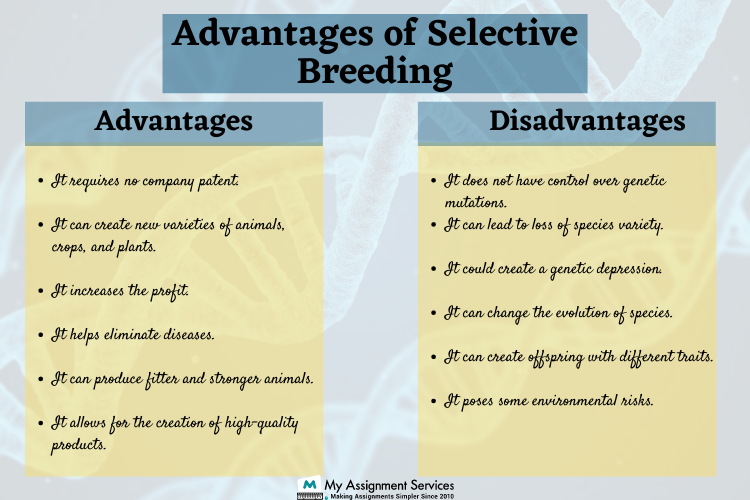
The convergence of traditional selective breeding principles with advanced biotechnologies has revolutionized the pace and precision with which desired traits can be developed and integrated. This synergy is pivotal in creating new biological functionalities and optimizing existing ones, particularly within the vast and critical sectors of food production and bio-industrial applications.
Precision Agriculture and Enhanced Crop Traits
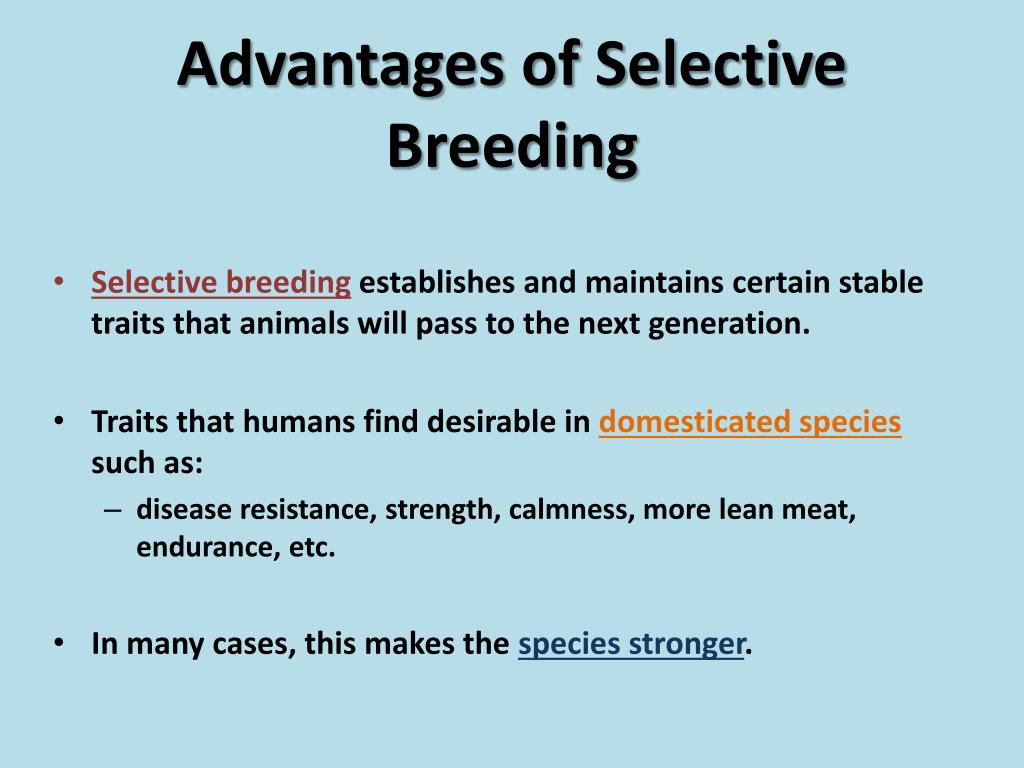
Modern selective breeding, powered by genomic mapping and marker-assisted selection (MAS), allows agronomists to identify and propagate plants with specific, advantageous traits with unprecedented accuracy and speed. Instead of relying solely on phenotypic observation over multiple generations, breeders can now analyze genetic markers linked to desirable characteristics, drastically reducing the time required for trait integration. This tech-driven approach has led to the development of crops that exhibit enhanced yields, significantly higher nutritional content, and improved post-harvest shelf life. For instance, rice varieties have been selectively bred for higher vitamin A content (Golden Rice), and corn hybrids have been engineered to resist specific pests, thereby reducing the need for chemical pesticides. The ability to precisely select for drought tolerance or salinity resistance in key food crops is also a direct outcome of advanced genetic screening technologies, offering critical solutions in the face of changing global climates and expanding arid regions. Furthermore, the application of sophisticated data analytics and machine learning algorithms can predict optimal crosses and accelerate the breeding cycle, moving beyond trial-and-error to data-driven decision-making in agricultural development.
Advancements in Livestock Development
The livestock industry has similarly benefited from the technological revolution in selective breeding. Genetic sequencing and advanced genotyping technologies allow for the rapid identification of animals with superior genetic potential for traits like faster growth rates, increased milk or meat production, improved feed conversion efficiency, and enhanced resistance to common diseases. For example, dairy cattle breeding programs now routinely use genomic selection to predict the genetic merit of young animals before they even produce offspring, enabling earlier and more accurate selection decisions. This not only accelerates genetic improvement but also reduces the costs associated with maintaining and evaluating large herds over extended periods. Beyond productivity, selective breeding technologies are also being utilized to improve animal welfare, such as breeding chickens that are less prone to certain leg disorders or pigs with enhanced resilience to environmental stressors. The integration of advanced reproductive technologies, such as in vitro fertilization (IVF) and embryo transfer, further allows for the rapid dissemination of superior genetics, multiplying the impact of meticulously bred animals across global populations.
Engineering Resilience and Sustainability through Genetic Optimization
In an era defined by environmental challenges and resource scarcity, selective breeding—fortified by biotech tools—offers powerful avenues for engineering greater resilience into biological systems and promoting more sustainable practices across agriculture and industry. The ability to precisely manipulate genetic predispositions empowers organisms to better withstand adversity and utilize resources more efficiently.
Disease Resistance and Environmental Adaptability
One of the most profound advantages of technologically enhanced selective breeding is the capacity to develop organisms with intrinsic resistance to diseases and pests, thereby mitigating reliance on external chemical interventions. In plant science, genetic engineering techniques, combined with traditional selection, have produced crops inherently resistant to specific viruses, bacteria, and fungal pathogens, significantly reducing crop losses and the environmental footprint of fungicides and pesticides. Similarly, in aquaculture, selective breeding programs are yielding fish species that are more resistant to common aquatic diseases, which is crucial for the sustainability of farmed seafood production. Beyond disease, selective breeding plays a critical role in enhancing environmental adaptability. With rising global temperatures and increased frequency of extreme weather events, the ability to breed plants and animals that can thrive in hotter climates, tolerate drought conditions, or even resist increased salinity in soils is paramount. Genomic studies allow breeders to pinpoint genes responsible for stress tolerance, facilitating the rapid development of resilient varieties crucial for food security in vulnerable regions. This genetic engineering for resilience is a cornerstone of future sustainable agricultural systems.
Resource Optimization through Genetic Improvement
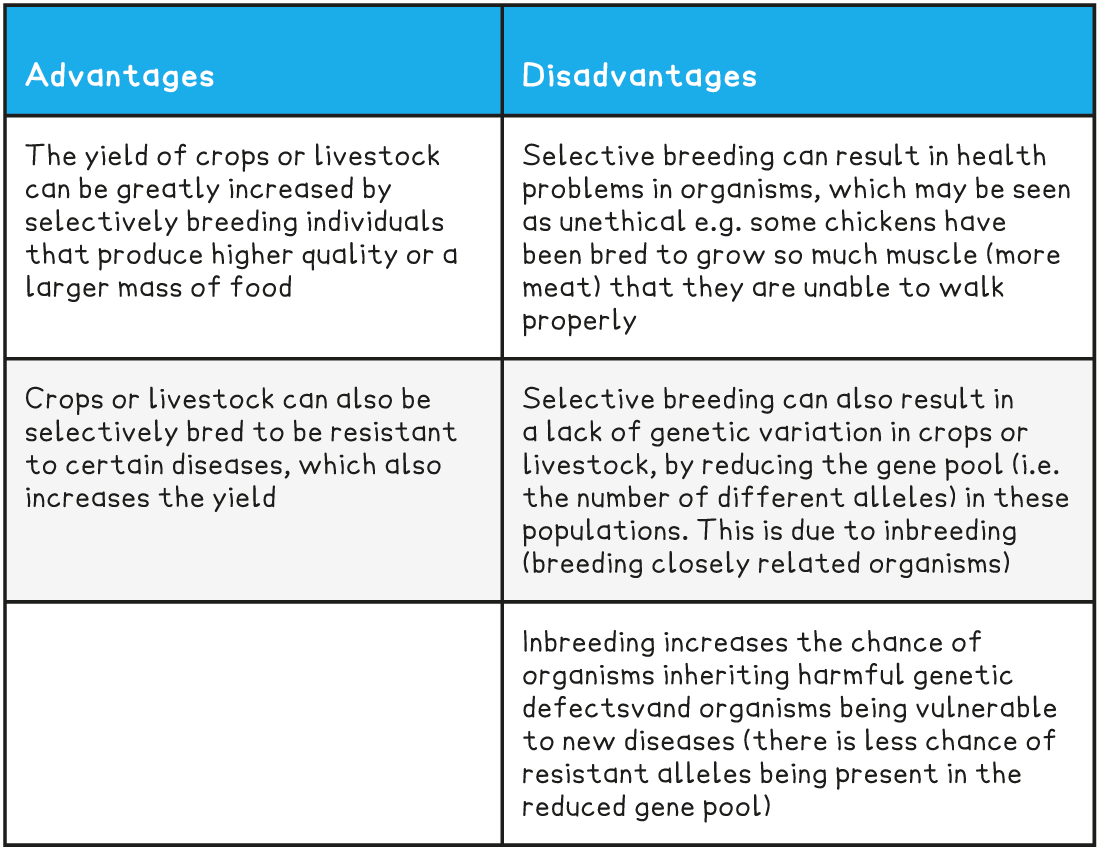
Technologically-driven selective breeding also offers significant advantages in optimizing the utilization of natural resources. For instance, through careful genetic selection, crops can be developed that require less water or fewer fertilizers to achieve optimal yields. This is achieved by breeding for more efficient nutrient uptake mechanisms or deeper, more expansive root systems that can access water and nutrients from greater soil depths. The implications for water conservation and reducing agricultural runoff are immense. In livestock, selective breeding focuses on improving feed conversion efficiency—the ability of an animal to convert feed into body mass, milk, or eggs. Animals bred for higher feed conversion efficiency consume less feed for the same output, leading to reduced land use for feed cultivation, lower greenhouse gas emissions (especially methane from ruminants), and overall more sustainable animal agriculture. This precise genetic optimization allows industries to achieve higher productivity with a smaller environmental footprint, making selective breeding a key technological lever for achieving global sustainability goals.
Driving Economic and Industrial Growth through Biotechnological Applications
The applications of modern selective breeding extend far beyond traditional agriculture, acting as a catalyst for economic growth and industrial innovation in diverse sectors. By developing organisms with novel or enhanced biological capabilities, this field unlocks new markets, creates specialized products, and streamlines complex manufacturing processes.
Expanding Biopharmaceutical Production
Selective breeding, particularly through advanced genetic modification techniques, is instrumental in the burgeoning biopharmaceutical industry. Organisms are selectively engineered to function as “biofactories” for producing complex proteins, vaccines, and therapeutic compounds. For instance, specific plant varieties can be modified to produce pharmaceutical proteins, a concept known as “pharming,” offering a scalable and potentially more cost-effective alternative to traditional fermentation or cell culture methods. Similarly, microbial systems, like yeast or bacteria, are selectively bred and genetically optimized to produce insulin, growth hormones, or antibodies with high efficiency and purity. This involves isolating and incorporating specific genes that direct the synthesis of desired therapeutic molecules, followed by selective propagation of the most productive strains. The precision afforded by modern genomic tools ensures that these bio-engineered organisms consistently yield high-quality, safe, and effective biopharmaceuticals, revolutionizing drug manufacturing and accessibility. This technological application transforms living systems into advanced production platforms, directly contributing to healthcare advancements and economic output.
Novel Material Development and Bio-manufacturing
The principles of selective breeding are also being applied to develop organisms capable of producing novel materials and facilitating sustainable bio-manufacturing processes. For example, research is ongoing to selectively breed algae for enhanced production of biofuels or biodegradable plastics, offering renewable alternatives to fossil fuels and traditional plastics. Certain fungi and bacteria are being genetically optimized to break down pollutants (bioremediation) or to synthesize high-value industrial enzymes, organic acids, and specialty chemicals more efficiently. This involves identifying and enhancing metabolic pathways through targeted gene manipulation and subsequent selective propagation of high-performing strains. The ability to engineer microorganisms or plant systems to produce specific polymers, textiles, or even construction materials represents a significant leap towards a circular economy, reducing reliance on finite resources and minimizing waste. By leveraging the inherent biological machinery of living organisms, selective breeding fosters the development of advanced bio-based solutions that are both environmentally friendly and economically competitive, driving innovation in fields ranging from material science to industrial biotechnology.
The Role of AI and Data Science in Modern Breeding
The sheer volume of genetic data now available, coupled with the complexity of desired trait interactions, makes modern selective breeding an ideal candidate for integration with artificial intelligence (AI) and advanced data science. These technologies are not just tools; they are transformative forces that are redefining the capabilities and future trajectory of genetic improvement.
Predictive Analytics for Trait Selection
AI and machine learning algorithms are revolutionizing predictive analytics in selective breeding. Traditional breeding often involves laborious cross-referencing of phenotypic observations with limited genetic markers. However, with massive genomic datasets, AI can identify intricate patterns and correlations between specific gene sequences and complex traits (e.g., disease resistance, yield potential, stress tolerance) that would be impossible for human analysis alone. Machine learning models can predict the outcome of various genetic crosses with high accuracy, drastically reducing the number of physical trials needed. This predictive power allows breeders to select optimal parent combinations more efficiently, accelerate the breeding cycle, and achieve desired traits much faster. Furthermore, AI can process multi-omics data (genomics, transcriptomics, proteomics, metabolomics) to provide a holistic view of an organism’s biological potential, leading to more robust and comprehensive trait selection strategies, moving beyond simple single-gene traits to complex polygenic traits.
Genomic Editing and Gene Drive Technologies
While selective breeding traditionally relies on existing genetic variation, AI and data science are now synergizing with advanced genomic editing tools like CRISPR-Cas9 to enable even more precise and targeted genetic modifications. AI can be used to design optimal guide RNA sequences for CRISPR, minimizing off-target effects and maximizing editing efficiency. It can also help identify precise target sites within complex genomes for introducing specific beneficial alleles or correcting deleterious mutations. Furthermore, data science is critical in understanding and managing gene drive technologies, which aim to rapidly propagate specific genetic traits through populations (e.g., to control pest insects or invasive species). AI models can simulate the ecological impacts and potential risks of such interventions, ensuring responsible deployment. These technologies represent the cutting edge of selective breeding, moving from selecting existing variations to intelligently and precisely engineering new ones, opening vast possibilities for addressing global challenges in health, agriculture, and conservation.
aViewFromTheCave is a participant in the Amazon Services LLC Associates Program, an affiliate advertising program designed to provide a means for sites to earn advertising fees by advertising and linking to Amazon.com. Amazon, the Amazon logo, AmazonSupply, and the AmazonSupply logo are trademarks of Amazon.com, Inc. or its affiliates. As an Amazon Associate we earn affiliate commissions from qualifying purchases.