
For most prospective homeowners, the idea of purchasing a property is intertwined with securing a mortgage. Among the myriad of financing options available, the 30-year fixed-rate mortgage stands out as the perennial favorite, a cornerstone of the American housing market. Its enduring popularity stems from its unique blend of stability and affordability, offering a predictable payment schedule over a substantial period. But what exactly are 30-year mortgage rates, what influences them, and how can you navigate this critical aspect of homeownership? This comprehensive guide delves into the intricacies of 30-year mortgage rates, providing insights essential for anyone considering one of life’s most significant financial commitments. Understanding these rates is not merely about a number; it’s about grasping the economic forces at play, assessing personal financial health, and making informed decisions that will impact your financial well-being for decades.

Understanding the 30-Year Fixed-Rate Mortgage
The 30-year fixed-rate mortgage is a cornerstone of personal finance, offering a long-term, stable pathway to homeownership. It’s designed to make homeownership accessible by spreading the cost of a home over an extended period, significantly reducing monthly payments compared to shorter-term loans. For many, it represents not just a loan, but a fundamental building block of their financial future.
The Stability of Fixed Rates
The defining characteristic of a fixed-rate mortgage is its predictability. Once you lock in your rate, your interest rate remains constant for the entire 30-year term of the loan. This means your principal and interest payment will never change, regardless of market fluctuations or economic shifts. This stability is a huge advantage for household budgeting, allowing homeowners to plan their finances with certainty. In an economic landscape often characterized by volatility, the fixed nature of these payments provides a powerful sense of security, insulating borrowers from the potential shock of rising interest rates. This predictability makes it easier for families to manage their long-term financial commitments, from college savings to retirement planning, without the specter of an unpredictable mortgage payment looming over them.
How the 30-Year Term Works
A 30-year term means that your mortgage is amortized over 360 monthly payments. While the interest rate is fixed, the proportion of your payment going towards principal and interest changes over time. In the early years of the mortgage, a larger portion of your monthly payment goes towards interest, and a smaller portion reduces your principal balance. As you progress through the loan term, this dynamic gradually shifts, with more of each payment chipping away at the principal. This structure, while standard, means that the total interest paid over 30 years can be substantial. However, the extended term keeps individual monthly payments lower, making homeownership more attainable for a broader range of buyers, especially those purchasing higher-priced homes or those who prefer to maintain greater monthly cash flow for other investments or expenses.
Who Benefits Most from a 30-Year Mortgage?
The 30-year fixed-rate mortgage is particularly advantageous for several groups of borrowers. First-time homebuyers often find it appealing due to the lower monthly payments, which help manage the initial financial burden of homeownership. Families looking for long-term stability and predictability in their housing costs also benefit immensely, as it simplifies budgeting and offers peace of mind. Furthermore, individuals who anticipate staying in their home for many years can leverage the long-term fixed rate to protect themselves from potential interest rate hikes. While borrowers who can afford higher monthly payments might consider shorter terms like 15-year mortgages to save on total interest, the 30-year option remains the preferred choice for those prioritizing lower monthly outflow and long-term financial predictability, even if it means paying more in interest over the life of the loan.
Key Factors Influencing 30-Year Mortgage Rates
Mortgage rates are not static; they are dynamic financial indicators influenced by a complex interplay of economic forces and individual borrower characteristics. Understanding these factors is crucial for anyone looking to secure the most favorable rate possible for their 30-year mortgage.
Economic Indicators and Federal Reserve Policy
Broad economic conditions play a monumental role in shaping mortgage rates. Inflation, employment numbers, and the overall health of the economy are constantly monitored by financial markets. When inflation is high, interest rates generally rise as lenders seek a higher return to offset the eroding purchasing power of money. Similarly, strong economic growth can lead to higher rates as demand for capital increases. The Federal Reserve’s monetary policy, particularly its decisions on the federal funds rate, indirectly influences mortgage rates. While the Fed doesn’t directly set mortgage rates, its actions affect the cost of borrowing for banks, which in turn influences the rates they offer to consumers. For instance, quantitative easing or tightening measures can significantly impact the bond market, where mortgage-backed securities (MBS) are traded, thereby impacting the yield on MBS and, consequently, mortgage rates.
Your Credit Score and Financial Health
Beyond macroeconomic factors, your personal financial profile is a direct determinant of the rate you’ll be offered. Your credit score is perhaps the most critical individual factor. A higher credit score (typically FICO scores above 740-760) indicates a lower risk to lenders, often translating into access to the lowest available interest rates. Lenders use your credit report to assess your payment history, outstanding debt, and overall creditworthiness. A history of timely payments, low credit utilization, and a diverse credit mix signal responsible financial management. Conversely, a lower credit score due to missed payments, high debt, or bankruptcies will signal higher risk, leading lenders to offer higher rates to compensate for that perceived risk. Your debt-to-income (DTI) ratio, which compares your total monthly debt payments to your gross monthly income, is another key metric. A lower DTI ratio indicates you have more disposable income to cover your mortgage payments, making you a more attractive borrower.
Loan-to-Value (LTV) and Down Payment
The loan-to-value (LTV) ratio is a crucial factor calculated by dividing the amount of the loan by the appraised value of the property. A lower LTV ratio, meaning a larger down payment, typically results in a lower interest rate. A substantial down payment, such as 20% or more, reduces the lender’s risk exposure, as the borrower has more equity in the property from day one. This often allows lenders to offer more competitive rates and can also help you avoid private mortgage insurance (PMI). Conversely, a smaller down payment increases the LTV, presenting a higher risk to the lender, which may result in a higher interest rate and the mandatory requirement of PMI.
Lender-Specific Factors and Loan Costs
Different lenders, from large national banks to local credit unions and online mortgage companies, have varying overhead costs, risk appetites, and business models, all of which influence the rates they offer. Some lenders may specialize in certain types of loans or have lower operating costs, allowing them to pass on savings to borrowers through more competitive rates. Additionally, the specific loan costs associated with a mortgage, such as origination fees, appraisal fees, and title insurance, can affect the overall “effective” interest rate or Annual Percentage Rate (APR). While the interest rate tells you the cost of borrowing principal, the APR provides a more comprehensive measure of the total cost of the loan, including most fees. Shopping around and comparing not just the interest rate but also the APR and detailed closing costs from multiple lenders is vital to ensure you are getting the best deal tailored to your financial situation.
Navigating the Current Mortgage Rate Landscape
Understanding where to find current rates and how market dynamics can affect them is critical for anyone entering the mortgage market. The rate landscape is constantly shifting, influenced by global, national, and local economic conditions.
Where to Find Current Rate Information
Accessing up-to-date mortgage rate information is easier than ever before, thanks to a plethora of online resources. Reputable financial news websites, mortgage comparison platforms, and individual lender websites all provide daily updates on average 30-year fixed rates. Websites like Bankrate, Zillow, LendingTree, and official lender sites like those of Wells Fargo, Chase, and Rocket Mortgage, offer tools to compare rates from multiple providers. When comparing rates, it’s essential to look at both the advertised interest rate and the Annual Percentage Rate (APR), which provides a more complete picture of the total cost of the loan including certain fees. It’s also wise to check rates from a variety of sources to get a broad understanding of the market average before engaging with a specific lender.
The Impact of Market Volatility
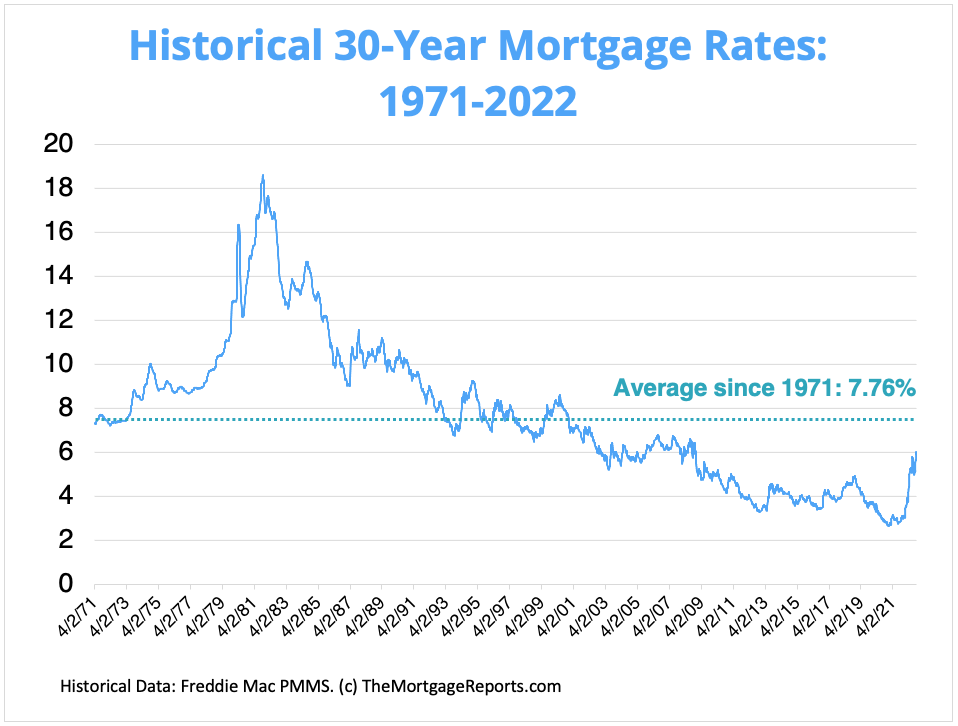
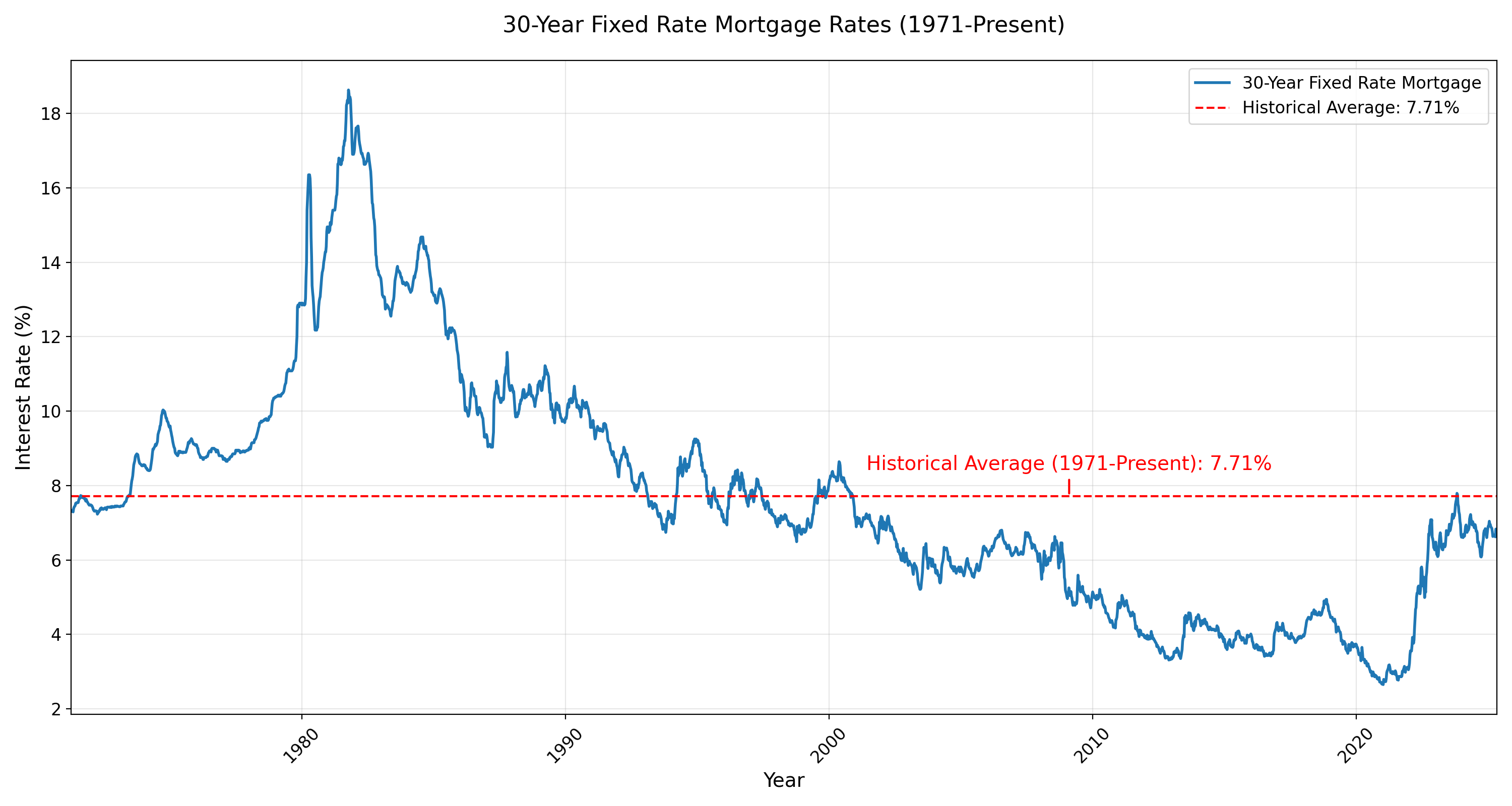
Mortgage rates are sensitive to market volatility, which can be influenced by anything from geopolitical events and stock market fluctuations to economic reports and changes in investor sentiment. For example, periods of economic uncertainty often lead investors to seek the safety of bonds, which can drive down bond yields and, paradoxically, result in lower mortgage rates. Conversely, a strong economy and expectations of inflation can cause bond yields and mortgage rates to rise. The bond market, specifically the market for mortgage-backed securities (MBS), is a primary driver of mortgage rates. As investors buy and sell these securities, their yields fluctuate, directly impacting the rates lenders offer. Staying informed about these broader economic trends through reputable financial news sources can provide valuable context for understanding why rates are moving in a particular direction.
Understanding APR vs. Interest Rate
When evaluating mortgage offers, you will encounter two primary figures: the interest rate and the Annual Percentage Rate (APR). The interest rate is the percentage of the principal balance that you pay annually for borrowing the money, not including any fees. This is the rate that determines your monthly principal and interest payment. The APR, on the other hand, provides a broader measure of the total cost of the loan over its life. It includes the interest rate plus most of the fees associated with the loan, such as origination fees, discount points, and private mortgage insurance (PMI) premiums. Because the APR incorporates these additional costs, it is often slightly higher than the stated interest rate. The APR is a more comprehensive tool for comparing the true cost of different loan offers, especially when comparing loans with varying fees. A lower APR generally indicates a more cost-effective loan in the long run, even if the interest rate seems slightly higher than another offer.
Strategies for Securing the Best 30-Year Rate
Obtaining the most favorable 30-year mortgage rate requires proactive effort and a strategic approach. It’s not just about passively accepting the first offer; it’s about optimizing your financial profile and intelligently navigating the lending landscape.
Improving Your Financial Profile
Before even approaching lenders, investing time in strengthening your financial profile can yield significant returns in the form of lower interest rates. The most critical step is to improve your credit score. This involves checking your credit report for errors, paying bills on time, reducing outstanding debt, and avoiding opening new lines of credit unnecessarily. Aim for a FICO score of 740 or higher, as this typically qualifies you for the most competitive rates. Additionally, work on lowering your debt-to-income (DTI) ratio. This can be achieved by paying off existing debts, particularly high-interest ones, or increasing your income. A DTI ratio below 36% (with housing costs representing no more than 28% of your gross income) is generally seen as ideal by lenders. Building up a larger down payment also dramatically reduces your loan-to-value (LTV) ratio, making you a less risky borrower and potentially allowing you to avoid private mortgage insurance (PMI) while securing a lower rate.
Shopping Around for Lenders
One of the most impactful strategies for securing a better rate is to shop around and obtain quotes from multiple lenders. Do not settle for the first offer you receive. Different lenders—including large banks, regional banks, credit unions, and online mortgage brokers—have varying rates, fees, and underwriting criteria. What might be a competitive rate from one lender could be significantly higher than another. It’s advisable to get at least three to five quotes within a short period (typically 14-45 days, depending on the credit scoring model) to minimize the impact on your credit score from multiple inquiries. This allows you to compare not just the interest rate, but also the APR, closing costs, and overall terms of the loan. A slight difference in the interest rate can translate into thousands of dollars saved over the 30-year term.
Considering Mortgage Points
Mortgage points, also known as discount points, are upfront fees paid to the lender in exchange for a lower interest rate. One point typically costs 1% of the loan amount. For example, on a $300,000 mortgage, one point would cost $3,000. This strategy involves an upfront cost, but it can lead to significant savings over the long term, particularly if you plan to stay in your home for many years. To determine if buying points is a good idea, you need to calculate the “break-even point” – how long it will take for the savings from the lower monthly payments to recoup the initial cost of the points. If your break-even point is shorter than the time you expect to hold the mortgage, purchasing points can be a financially sound decision. Conversely, if you anticipate refinancing or selling the home relatively soon, paying points might not be worthwhile.
The Role of Pre-Approval
Getting pre-approved for a mortgage is a crucial early step in the home-buying process. Pre-approval involves a lender reviewing your financial information (credit, income, assets) and providing you with a conditional commitment for a specific loan amount and, often, an estimated interest rate. While not a final loan offer, pre-approval serves several important functions. It gives you a clear understanding of how much home you can afford, which helps narrow down your property search. More importantly, it demonstrates to sellers that you are a serious and qualified buyer, giving you a competitive edge in a hot housing market. During the pre-approval process, you can also discuss current rate trends and potential strategies with your lender, further informing your decision-making and helping you secure the best possible 30-year rate when you’re ready to make an offer.
Beyond the Rate: Other Considerations for a 30-Year Mortgage
While the interest rate is a central concern, a 30-year mortgage involves a much broader financial commitment. Understanding its long-term implications and leveraging its flexibility are just as important as securing a competitive rate.
Total Cost of Ownership Over Time
A 30-year mortgage significantly stretches out your payments, making them more manageable on a monthly basis. However, this extended term also means you will pay substantially more in total interest over the life of the loan compared to shorter-term options like a 15-year mortgage. For instance, on a $300,000 loan at 6% interest, a 30-year term would accrue roughly $347,000 in interest, while a 15-year term at 5.5% (often lower for shorter terms) might accrue only about $149,000. It’s vital to calculate the total cost of ownership, including principal, interest, property taxes, homeowners insurance, and potential private mortgage insurance (PMI), to get a full financial picture. While the monthly savings of a 30-year loan are appealing, recognizing the higher overall interest paid is key to making an informed decision.
Flexibility for Future Financial Goals
One of the significant advantages of the 30-year fixed-rate mortgage is the financial flexibility it offers. The lower monthly payments free up cash flow that can be strategically deployed towards other financial goals. This could include aggressively saving for retirement, investing in a diversified portfolio, funding a child’s education, or paying down other high-interest debts like credit cards or student loans. While you could technically pay off a 30-year mortgage faster by making extra principal payments, the lower required payment provides the option to divert funds elsewhere when needed. This flexibility is invaluable, especially in the early stages of a career or during periods of life where expenses like childcare are high, allowing homeowners to build wealth and manage risks outside of their mortgage.
Refinancing Opportunities
The fixed nature of a 30-year mortgage offers predictability, but it doesn’t mean you’re locked into that specific rate forever. If market interest rates drop significantly after you’ve secured your mortgage, or if your financial situation improves (e.g., higher credit score, increased home equity), you might have the opportunity to refinance. Refinancing involves taking out a new loan to pay off your existing mortgage, ideally at a lower interest rate, with a different loan term, or to convert equity into cash. A lower rate can reduce your monthly payments or allow you to pay off your home faster without increasing your payment. While refinancing incurs new closing costs, it can be a powerful tool for optimizing your mortgage over its long lifespan, especially during periods of favorable market conditions.
Tax Implications
Homeownership, particularly with a mortgage, comes with several potential tax benefits that can reduce your overall financial burden. The interest paid on your mortgage is generally tax-deductible, up to certain limits. This deduction can significantly lower your taxable income, especially in the early years of a 30-year mortgage when a larger portion of your payments goes towards interest. Property taxes are also typically deductible. However, tax laws can change, and the availability and limits of these deductions depend on individual circumstances and current legislation. It is always advisable to consult with a qualified tax advisor to understand how a 30-year mortgage specifically impacts your personal tax situation and to ensure you are taking full advantage of all applicable deductions. These tax considerations are an important, often overlooked, aspect of the financial landscape of a 30-year mortgage.
The 30-year fixed-rate mortgage remains a cornerstone of homeownership, offering a powerful combination of stability, affordability, and flexibility. While securing a competitive interest rate is paramount, a holistic understanding of all its facets—from economic drivers and personal financial health to long-term costs and strategic opportunities—is essential. By diligently researching, optimizing your financial profile, and shopping wisely, you can navigate the complex world of 30-year mortgage rates and make an informed decision that lays a solid foundation for your financial future.
aViewFromTheCave is a participant in the Amazon Services LLC Associates Program, an affiliate advertising program designed to provide a means for sites to earn advertising fees by advertising and linking to Amazon.com. Amazon, the Amazon logo, AmazonSupply, and the AmazonSupply logo are trademarks of Amazon.com, Inc. or its affiliates. As an Amazon Associate we earn affiliate commissions from qualifying purchases.