
The 30-year fixed-rate mortgage is the cornerstone of the American dream. For decades, it has provided a predictable path to homeownership, allowing millions to lock in a monthly payment that remains constant even as the world around them changes. However, in the current economic landscape, the question of “what are rates today” has become increasingly complex. Mortgage rates are no longer the stagnant figures seen in the previous decade; they are dynamic, sensitive to global shifts, and deeply tied to the pulse of the national economy.
Understanding today’s mortgage rates requires looking beyond a single percentage point. It involves analyzing the interplay between inflation, central bank policy, and the secondary market where these loans are traded. For a prospective homebuyer or a homeowner looking to refinance, grasping these variables is the difference between an affordable monthly obligation and a financial burden.
The Economic Drivers Behind Current Mortgage Rates
To understand why mortgage rates sit where they do today, one must look at the broader macroeconomic environment. Mortgage rates are not set by a single government entity; rather, they are determined by a complex marketplace influenced by several key factors.
The Federal Reserve and the Fed Funds Rate
While the Federal Reserve does not directly set mortgage rates, its influence is paramount. The Fed controls the federal funds rate—the interest rate at which commercial banks borrow and lend to one another overnight. When the Fed raises this rate to combat inflation, it increases the cost of borrowing across the board. This ripple effect eventually hits the mortgage market. When inflation remains sticky or above the Fed’s 2% target, the central bank maintains higher rates for longer, which keeps upward pressure on the 30-year fixed mortgage.
The 10-Year Treasury Yield
The most direct indicator for 30-year mortgage rates is the 10-year Treasury yield. Most mortgage-backed securities (MBS) are viewed by investors as having a similar risk profile to government bonds, though with slightly more volatility. Historically, there is a “spread” between the 10-year Treasury yield and the 30-year mortgage rate, typically ranging from 1.5 to 3 percentage points. When investors are nervous about the economy or inflation, they demand higher yields on Treasuries, which causes mortgage rates to climb in tandem.
Inflation and the Consumer Price Index (CPI)
Inflation is the natural enemy of fixed-income investments. Because a 30-year mortgage pays a fixed amount of interest over three decades, the value of that future money is eroded by high inflation. If the Consumer Price Index (CPI) shows that prices are rising faster than expected, lenders will increase mortgage rates to compensate for the loss of purchasing power over the life of the loan. Conversely, when inflation cools, rates often begin to stabilize or decrease.
The Anatomy of a 30-Year Fixed-Rate Mortgage
The 30-year fixed-rate mortgage remains the most popular choice for borrowers because of its unique structure. Unlike adjustable-rate mortgages (ARMs), which can see payments skyrocket after an initial period, the fixed-rate loan offers a sense of financial security that is rare in the investing world.
The Power of Amortization
The primary mechanism of the 30-year loan is amortization. In the early years of the mortgage, the vast majority of the monthly payment goes toward interest, with only a small fraction applied to the principal balance. As the years progress, the ratio shifts. By the final decade of the loan, the majority of the payment is dedicated to paying off the principal. This structure allows for lower monthly payments compared to 15-year or 20-year loans, making homeownership accessible to a wider range of income levels.
Stability vs. Opportunity Cost
The “fixed” nature of the rate is its greatest selling point. In an environment where rates are rising, those who locked in a low rate years ago are essentially benefiting from “cheap” debt. However, the downside is the opportunity cost if rates drop significantly. While a homeowner can always refinance, doing so involves closing costs and administrative hurdles. Today’s borrowers must weigh the current rate against the possibility of future decreases, often choosing to “buy the house and date the rate,” with the intention of refinancing later.
Comparison with Other Loan Products
While the 30-year fixed is the gold standard, it is often compared to the 15-year fixed mortgage. The 15-year option typically offers a lower interest rate—often 0.5% to 1% lower—but carries a significantly higher monthly payment because the principal is paid off twice as fast. For those focused on long-term wealth building and interest savings, the 15-year is superior. For those focused on cash flow and monthly flexibility, the 30-year remains the preferred vehicle.
Strategies to Secure the Lowest Possible Rate
Even when national averages are high, individual borrowers have significant control over the specific rate they are offered. Lenders assess risk based on several criteria, and optimizing these can lead to a more favorable offer.

Credit Score Optimization
Your credit score is the single most important factor in determining your individual interest rate. A borrower with a 760 score may receive a rate that is significantly lower than someone with a 660 score. In today’s market, even a 0.5% difference in rate can result in tens of thousands of dollars in interest savings over the life of the loan. Before applying, borrowers should ensure their credit reports are accurate and pay down revolving debt to lower their credit utilization ratios.
The Debt-to-Income (DTI) Ratio
Lenders use the DTI ratio to determine how much of a borrower’s monthly income is already committed to debt payments. While most conventional loans allow for a DTI of up to 43% (and sometimes higher), a lower DTI signals to the lender that the borrower is a lower risk. This can occasionally lead to better pricing or easier approval for “par” rates.
The Role of Down Payments and LTV
The Loan-to-Value (LTV) ratio compares the loan amount to the value of the home. A 20% down payment (80% LTV) is the traditional benchmark to avoid Private Mortgage Insurance (PMI) and secure better rates. However, in a high-price environment, many borrowers opt for lower down payments. While this increases the monthly cost due to PMI, it allows entry into the market. To get the best rate today, increasing the down payment remains one of the most effective levers a borrower can pull.
Buying Down the Rate: Discount Points
In a high-rate environment, “buying down the rate” has become a popular strategy. Borrowers can pay an upfront fee—known as discount points—at closing to permanently lower their interest rate. One point typically costs 1% of the loan amount and reduces the rate by approximately 0.25%. This is a “math problem” for the borrower: they must calculate the “break-even point” to see if the monthly savings will eventually outweigh the upfront cost.
The Market Impact: How Rates Shape Homeownership and Inventory
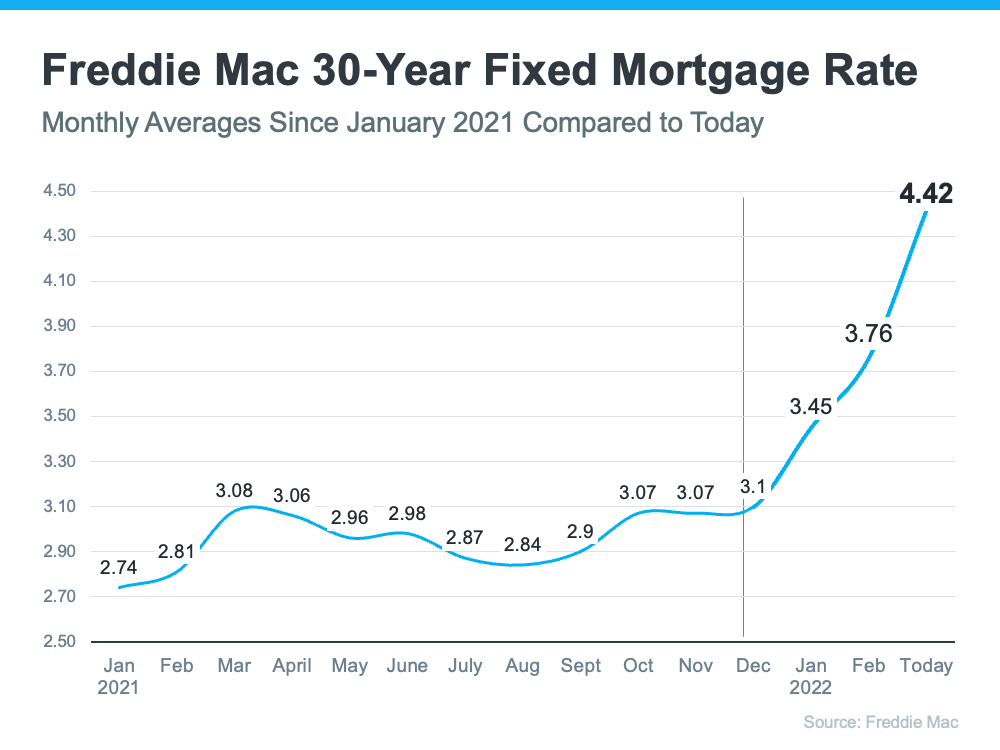
Current mortgage rates do more than just dictate monthly payments; they shape the entire real estate ecosystem. The shift from the ultra-low rates of 2020-2021 to the higher rates of the current era has created unique market dynamics.
The “Lock-In” Effect
One of the most significant phenomena in the current market is the “lock-in” effect. Many homeowners currently hold mortgages with rates between 2.5% and 4%. If they were to sell their home and buy a new one, they would likely be forced to take on a new mortgage at a much higher rate. This has led to a significant decrease in housing inventory, as potential sellers choose to stay put rather than trade up or down. This lack of inventory keeps home prices elevated even when demand cools due to high rates.
Affordability and the Buyer Pool
As rates rise, the purchasing power of the average buyer shrinks. For every 1% increase in mortgage rates, a buyer’s purchasing power decreases by roughly 10%. This has priced out many first-time buyers, shifting the market toward those with higher cash reserves or significant equity from a previous home. Consequently, the “Money” aspect of real estate has become a game of timing and creative financing.
The Rise of Seller Concessions
With higher rates cooling demand in some sectors, sellers are increasingly offering concessions. This might include paying for a “2-1 buydown,” where the seller pays to lower the buyer’s interest rate for the first two years of the loan. This allows the buyer to ease into the mortgage payment, betting on the fact that rates might drop or their income will increase by the time the full rate kicks in.
Looking Ahead: Navigating Future Rate Fluctuations
Predicting the future of the 30-year fixed mortgage rate is a challenge even for seasoned economists. However, by watching specific signals, borrowers can make informed decisions.
Economic Normalization
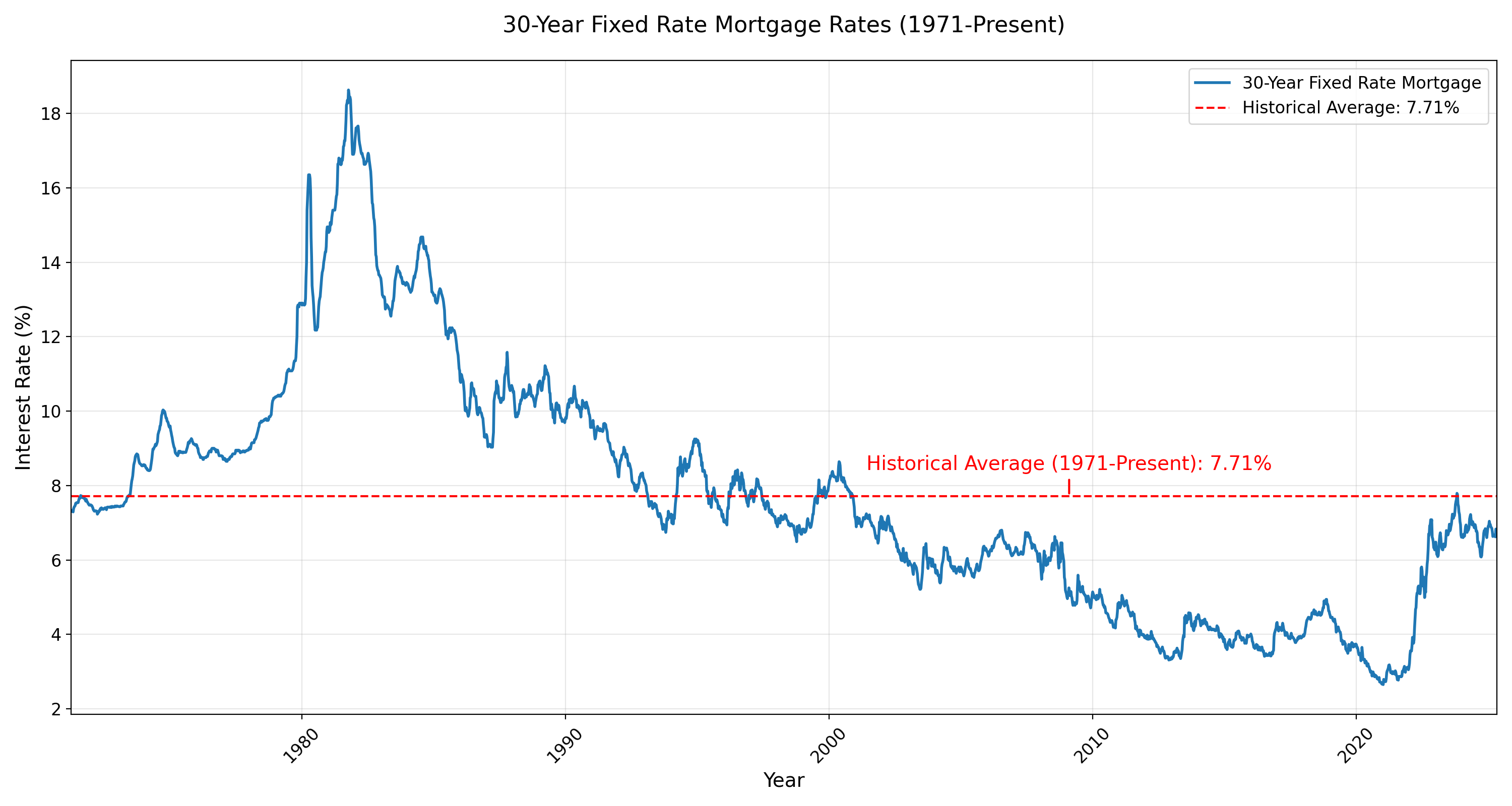
The era of 2% or 3% mortgage rates was an anomaly driven by global crises and unprecedented central bank intervention. Experts suggest that “normal” mortgage rates historically hover between 5% and 7%. As the economy stabilizes post-inflation, we may see rates settle into this range. Borrowers waiting for a return to the 3% range may find themselves waiting indefinitely while home prices continue to climb.
The Impact of Geopolitical Events
Mortgage rates are sensitive to global stability. In times of international conflict or economic uncertainty abroad, investors often flock to the safety of U.S. Treasuries (the “flight to quality”). This increased demand for bonds can drive yields down, which paradoxically leads to lower mortgage rates in the U.S. even during turbulent times.
Conclusion: Timing vs. Time in the Market
In the world of personal finance, there is a saying that “time in the market beats timing the market.” This applies to real estate as well. While 30-year fixed mortgage rates today are higher than they were a few years ago, the primary driver of wealth through homeownership remains long-term appreciation and the forced savings of paying down a mortgage.
For those looking to enter the market today, the strategy should involve a deep dive into personal finances, a keen eye on the 10-year Treasury, and a willingness to shop around. By comparing offers from traditional banks, credit unions, and online lenders, and by maintaining a stellar credit profile, borrowers can navigate the current rate environment with confidence. The 30-year fixed mortgage remains a powerful tool for building generational wealth, provided one understands the economic forces that govern it.
aViewFromTheCave is a participant in the Amazon Services LLC Associates Program, an affiliate advertising program designed to provide a means for sites to earn advertising fees by advertising and linking to Amazon.com. Amazon, the Amazon logo, AmazonSupply, and the AmazonSupply logo are trademarks of Amazon.com, Inc. or its affiliates. As an Amazon Associate we earn affiliate commissions from qualifying purchases.