
In the journey toward financial independence, the focus is often placed on earning potential and investment returns. However, the silent killers of a well-constructed financial plan are the unpredictable costs of maintenance and repair. Whether it is a primary residence, a fleet of investment properties, a personal vehicle, or the very credit score that dictates your borrowing power, understanding “how much to repair” is a critical skill in wealth preservation.
Maintenance is not merely an expense; it is a strategic reinvestment in an asset to prevent its premature depreciation. This guide explores the financial frameworks required to estimate, budget for, and execute repairs across the most significant pillars of personal and business finance.
The Real Estate Equation: Estimating Home Repair Budgets
For most individuals, a home is their largest single asset. For investors, it is a vehicle for cash flow and equity growth. In both cases, the cost of repair can fluctuate from a few hundred dollars for a leaky faucet to tens of thousands for a structural foundation issue.
The 1% Rule of Maintenance
A long-standing benchmark in personal finance is the 1% Rule. This rule suggests that homeowners should set aside at least 1% of the property’s total purchase price annually for maintenance and repairs. For a $500,000 home, this equates to $5,000 per year.
While this provides a solid baseline, it is important to adjust this figure based on the age and condition of the property. A new construction may require only 0.5% in its early years, while a century-old home might demand 2% to 3% to keep pace with systemic aging. From a financial planning perspective, these funds should be kept in a high-yield savings account, separate from a standard emergency fund, to ensure they are liquid when a roof or HVAC system fails.
Capital Expenditures vs. Routine Upkeep
In the world of real estate investing, it is vital to distinguish between routine maintenance and Capital Expenditures (CapEx). Routine maintenance includes costs like landscaping, gutter cleaning, and minor plumbing fixes—items that keep the property operational.
CapEx, however, refers to the replacement of major systems that have a finite lifespan. When calculating the “cost to repair” over a long horizon, an investor must account for the remaining useful life of:
-
The Roof: Typically 20–30 years.
-
HVAC Systems: 15–20 years.
-
Water Heaters: 10–12 years.
-
Appliances: 5–10 years.
By dividing the replacement cost by the remaining years of life, you arrive at a monthly “reserve” requirement. Failing to account for these “invisible” repair costs can turn a cash-flowing asset into a financial liability overnight.
Evaluating Repair Costs for Investment Properties
When purchasing a distressed property or a “fixer-upper,” the math changes. The “After Repair Value” (ARV) becomes the North Star. Investors often use the 70% rule: they should not pay more than 70% of the ARV minus the estimated cost of repairs. In this context, knowing “how much to repair” is the difference between a profitable flip and a devastating loss. Accurate estimation requires a granular understanding of local labor rates, material costs, and the potential for “unforeseen” issues behind the walls.
Automotive Maintenance: When Does Repair Stop Making Financial Sense?
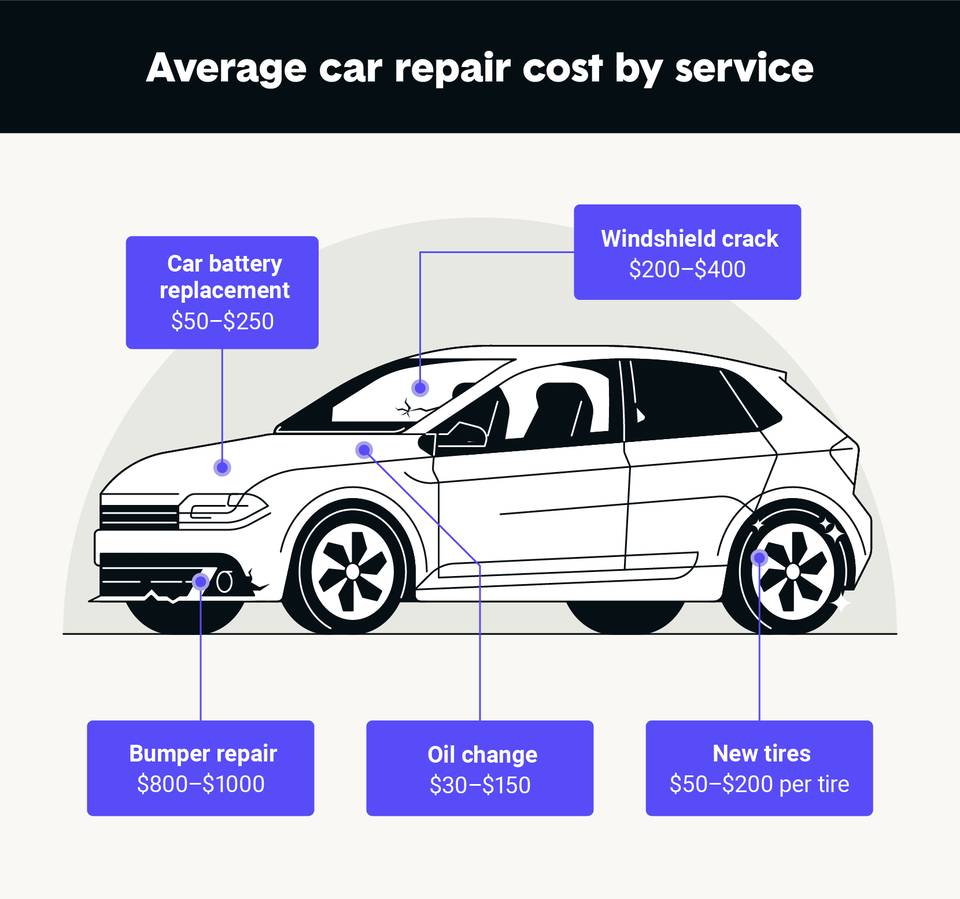
Outside of housing, transportation is often the second-largest expense for households. The financial dilemma of car ownership is centered on the intersection of depreciation and repair costs.
The Sunk Cost Fallacy in Car Repairs
One of the most common financial mistakes is falling victim to the sunk cost fallacy. This occurs when an owner continues to pour money into a failing vehicle because they have “already spent so much on it.”
From a money management perspective, the decision to repair should be based on future utility, not past expenditure. A professional approach involves comparing the annual cost of repairs against the cost of a replacement. If the monthly average of your repair bills exceeds the monthly payment for a newer, more reliable vehicle, the repair is no longer financially viable. Generally, if a single repair costs more than 50% of the vehicle’s current market value, it is time to consider liquidation.
Budgeting for the Long Haul
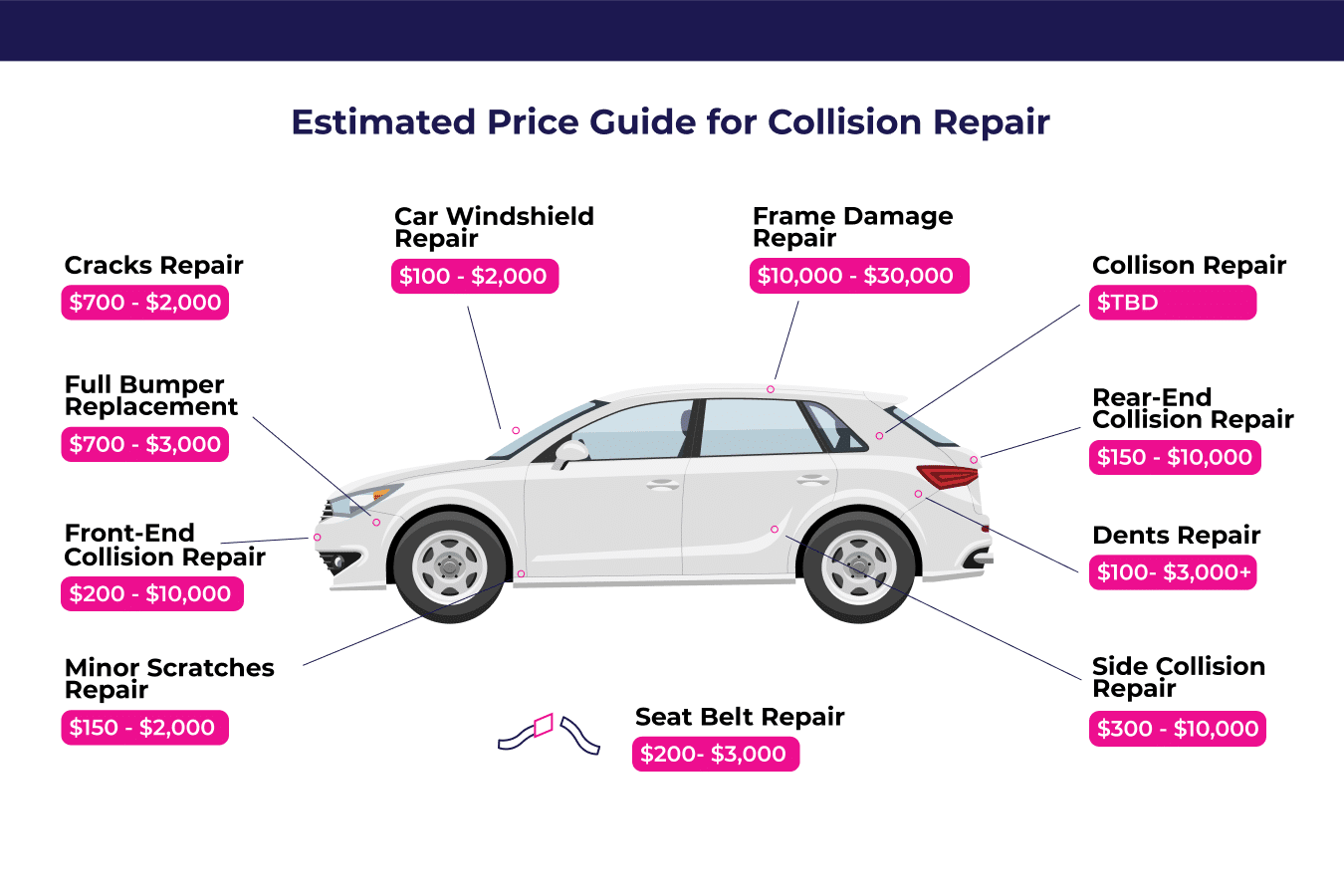
To avoid the shock of a $2,000 transmission failure, financial experts recommend a dedicated “car sinking fund.” For a standard sedan, a contribution of $50 to $100 per month is usually sufficient to cover tires, brakes, and unexpected mechanical issues. By treating repairs as a fixed monthly expense rather than an occasional emergency, you protect your primary investment accounts from being raided.

The Cost of Neglect
In finance, there is a concept known as “compounding interest.” In maintenance, there is “compounding neglect.” A $100 oil change deferred today can lead to a $5,000 engine replacement tomorrow. The ROI (Return on Investment) of preventive maintenance is effectively infinite, as it prevents the total loss of the asset’s utility.
Credit Repair: Investing in Your Financial Reputation
“Repair” isn’t always about physical objects. In the realm of personal finance, credit repair is the process of fixing a damaged financial reputation. The cost of a low credit score is far higher than the cost of the repair itself.
The True Cost of Low Credit Scores
A person with a “Poor” credit score (500–580) may pay double the interest rate on a mortgage compared to someone with an “Excellent” score (740+). Over a 30-year loan on a $300,000 house, this difference can amount to over $100,000 in additional interest payments. When asking “how much to repair” your credit, you must weigh the upfront cost against the massive long-term savings.
DIY vs. Professional Credit Repair Services
There are two primary paths to credit repair:
-
The DIY Approach: This costs essentially nothing but time. It involves pulling credit reports, identifying inaccuracies, and filing disputes with credit bureaus. The financial “cost” here is the opportunity cost of your time.
-
Professional Services: Credit repair companies typically charge an initial setup fee ($100–$200) and a monthly subscription ($70–$150). While these services can be convenient, it is important to ensure they are reputable. Legally, they cannot do anything you cannot do yourself for free, but for a busy professional, the delegation may be worth the expense.
The real “repair” cost, however, is often the settlement of outstanding debts. Negotiating “pay-for-delete” agreements or settling collections for 30–50% of the original value is a strategic use of capital that yields immediate improvements in borrowing power.
Business Assets and the Cost of Operational Continuity
For entrepreneurs and business owners, the question of “how much to repair” directly impacts the bottom line and operational scalability.
Preventive vs. Reactive Maintenance
In a business context, reactive maintenance (fixing things after they break) is almost always more expensive than preventive maintenance. The hidden cost of reactive repair is “downtime.” If a piece of manufacturing equipment breaks, the cost isn’t just the repair technician’s fee; it’s the lost revenue from unproduced goods and the wages paid to idle workers.
Financial modeling for businesses should include a “Maintenance Ratio.” This tracks the total cost of maintenance against the total manufacturing or operational costs. A rising ratio may indicate that assets are reaching the end of their productive life and that capital should be allocated toward replacement rather than further repair.
Calculating the ROI of Upgrades
Sometimes, the “repair” should actually be an upgrade. If an old server or software system requires constant patching and technician intervention, the cumulative cost of these repairs might exceed the cost of migrating to a modern, cloud-based solution. In this scenario, the “repair” budget should be redirected toward capital improvement to increase future efficiency and reduce long-term operational expenses.
Building the “Repair Contingency” Into Your Wealth Strategy
Ultimately, the ability to handle repair costs is what separates those who build wealth from those who live paycheck to paycheck. Financial volatility is often just a series of unbudgeted repairs.
To master your money, you must move away from the “emergency” mindset. A roof leak is an emergency only if you haven’t planned for it. If you have a dedicated maintenance fund, a roof leak is simply a scheduled financial transaction.
The Hierarchy of Repair Funding
-
Maintenance Sinking Funds: Specific accounts for known upcoming repairs (tires, paint, HVAC).
-
The Emergency Fund: A broader 3–6 month cushion for catastrophic, unpredictable failures (total engine loss, major structural damage).
-
Line of Credit (The Last Resort): While not ideal, having a low-interest Home Equity Line of Credit (HELOC) can act as a safety net for massive repairs that exceed liquid savings, allowing you to preserve your invested capital while addressing the immediate need.
By understanding the math behind “how much to repair,” you gain control over your financial environment. You transition from being a victim of entropy to a proactive manager of your assets. Whether it’s a house, a car, or your credit score, the cost of repair is an investment in your future financial stability. Proper budgeting, strategic evaluation of sunk costs, and a commitment to preventive care are the hallmarks of a sophisticated financial mind.
aViewFromTheCave is a participant in the Amazon Services LLC Associates Program, an affiliate advertising program designed to provide a means for sites to earn advertising fees by advertising and linking to Amazon.com. Amazon, the Amazon logo, AmazonSupply, and the AmazonSupply logo are trademarks of Amazon.com, Inc. or its affiliates. As an Amazon Associate we earn affiliate commissions from qualifying purchases.