
In the modern economic landscape, the traditional nine-to-five office job is no longer the sole path to financial stability. With the explosion of the gig economy, the rise of the “solopreneur,” and the increasing prevalence of side hustles, more people than ever are encountering the term “1099.” Whether you are a freelance graphic designer, a ride-share driver, or a business owner hiring external consultants, understanding the nuances of 1099 forms is essential for maintaining financial health and staying compliant with the Internal Revenue Service (IRS).
At its core, a 1099 form is a “record of payment.” It is a series of documents used to report various types of income received from a person or entity other than your employer. Unlike a standard W-2 form, which tracks wages paid to employees, 1099s track non-employee compensation and miscellaneous income. This guide explores the “Money” niche—focusing on personal finance, business obligations, and the strategic management of independent income.
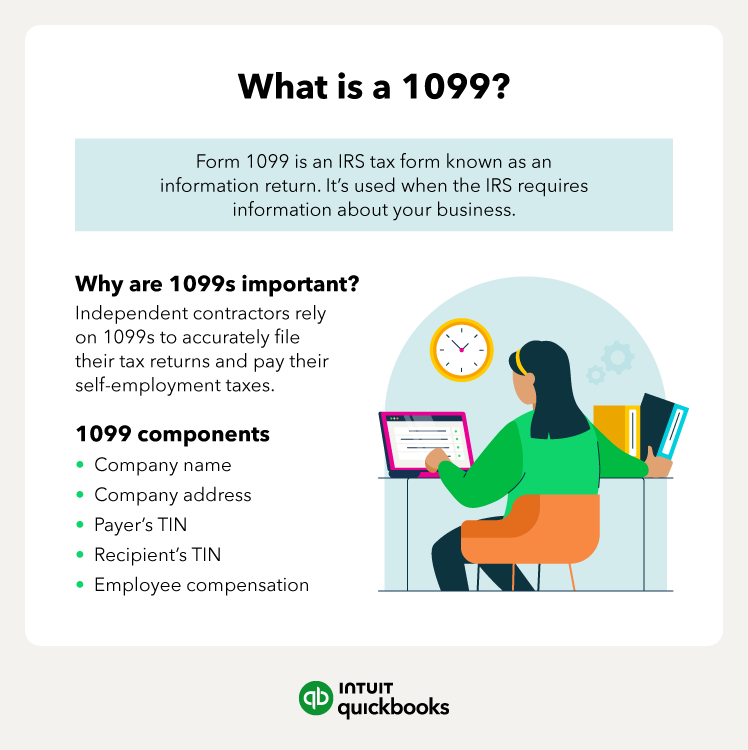
Understanding the 1099 Ecosystem: Why It Matters for Your Finances
The transition from a W-2 employee to a 1099 contractor represents a significant shift in financial responsibility. When you are an employee, your employer handles the heavy lifting: they withhold federal and state taxes, pay a portion of your Social Security and Medicare taxes, and provide a clear summary of your earnings at year-end. In the world of 1099 income, that responsibility shifts entirely to you.
The Fundamental Difference Between W-2 and 1099
The primary distinction lies in the relationship between the worker and the payer. A W-2 employee is under the direct control of the employer regarding how, when, and where work is performed. In exchange, the employer provides benefits and manages tax withholdings. Conversely, a 1099 worker—often referred to as an independent contractor—is treated as a separate business entity. The IRS views you not as a staff member, but as a vendor providing a service. This distinction is crucial because it dictates how you are taxed and what expenses you can deduct from your gross income.
The Rise of the Side Hustle and Independent Income
For many, 1099 income starts as a side hustle. You might sell handmade goods, consult on the weekends, or earn dividends from investments. Each of these activities generates “miscellaneous income” that must be tracked. From a personal finance perspective, 1099 income offers unparalleled flexibility and the potential for higher gross earnings, but it requires a disciplined approach to cash flow management. Without the safety net of automated tax withholding, a 1099 earner must become their own Chief Financial Officer.
Common Types of 1099 Forms You Need to Know
The 1099 series is not a single form but a family of forms, each designed for a specific type of income. Recognizing which forms you should receive (or issue) is the first step toward organized financial planning.
1099-NEC: Non-Employee Compensation
If you are a freelancer or independent contractor, the 1099-NEC is the form you will see most often. Introduced (or rather, brought back) recently to separate contractor pay from other types of miscellaneous income, this form is used to report payments of $600 or more made to non-employees for services rendered. If you performed work for a client and they paid you via check or direct deposit, they are required to send you a 1099-NEC.
1099-MISC: Miscellaneous Information
Prior to the re-introduction of the NEC, the 1099-MISC was the catch-all for contractors. Today, it is used for “miscellaneous” payments that don’t fall under non-employee compensation. This includes rent payments, prizes and awards, or payments to an attorney. For those in the real estate niche or those receiving royalties, the 1099-MISC remains a staple of their tax season.
1099-K: Payment Card and Third-Party Network Transactions
This form has gained significant attention recently due to changing IRS thresholds. The 1099-K is issued by “Payment Settlement Entities” like PayPal, Venmo, Stripe, or Etsy. It tracks the gross amount of all reportable payment transactions. For the online seller or the gig worker using third-party apps, the 1099-K ensures that the digital trail of income is reported accurately to the authorities.
1099-INT and 1099-DIV: Investment and Interest Income
Not all 1099s are about “work.” In the realm of personal finance and investing, the 1099-INT (Interest Income) and 1099-DIV (Dividends and Distributions) are vital. These forms report the money your capital has earned for you in savings accounts, bonds, or stock portfolios. Managing these forms is essential for high-net-worth individuals and casual savers alike to ensure they aren’t caught off guard by taxes on their investment growth.
The Financial Implications of Being a 1099 Worker
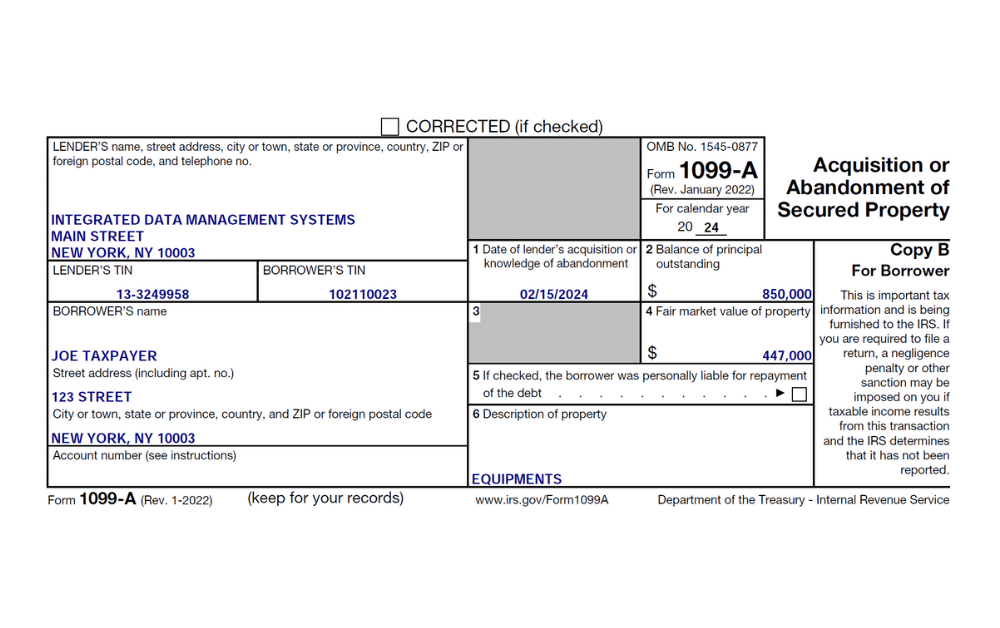
Earning 1099 income changes the math of your “take-home pay.” While a $5,000 project fee sounds substantial, it is not the amount that will eventually hit your long-term savings. You must account for several financial factors that W-2 employees often take for granted.
Self-Employment Tax: The 15.3% Factor
The most significant “sticker shock” for new 1099 earners is the Self-Employment Tax. When you are an employee, you pay 7.65% for Social Security and Medicare, and your employer matches that 7.65%. When you are an independent contractor, you are both the employer and the employee. Therefore, you are responsible for the full 15.3%. Understanding this “Money” reality is vital for pricing your services; if you don’t charge at least 20-30% more than an equivalent hourly wage at a W-2 job, you may actually be making less money after taxes.
Estimated Quarterly Tax Payments
The IRS operates on a “pay-as-you-go” system. Since no one is withholding taxes from your 1099 checks, the government expects you to send in estimated payments four times a year. Failure to do so can result in underpayment penalties. From a financial management perspective, this requires a rigorous “tax bucket” strategy—setting aside a fixed percentage (typically 25-30%) of every incoming check into a separate high-yield savings account so the funds are available when the quarterly deadline arrives.
Maximizing Deductions to Protect Your Bottom Line
The “silver lining” of 1099 income is the ability to deduct business expenses. Because you are viewed as a business, you only pay taxes on your net income (profit), not your gross income (total revenue). This includes deductions for home office use, software subscriptions, marketing costs, travel, and even a portion of your health insurance premiums. Effective record-keeping turns these expenses into “tax shields,” allowing you to keep more of your hard-earned money.
Business Obligations: Issuing 1099s to Others
The 1099 conversation isn’t just for those receiving money; it is also for those paying it. If you run a small business or even a successful side hustle where you hire other freelancers, you have an obligation to report those payments.
Determining Who Needs a 1099
As a general rule, if you pay an individual or an LLC $600 or more in a calendar year for business-related services, you must issue them a 1099-NEC. This does not apply to payments made to corporations (C-Corps or S-Corps) or for personal services (like hiring someone to mow your personal lawn). However, failing to issue a required 1099 can result in IRS penalties ranging from $50 to $280 per form, depending on how late you are.
The Importance of the W-9 Form
To issue a 1099 accurately, you need the recipient’s Taxpayer Identification Number (TIN) or Social Security Number. The best business practice is to require a completed Form W-9 from every contractor before you issue their first payment. This ensures you have the necessary data on file long before the January 31st filing deadline, preventing a last-minute scramble that could jeopardize your business’s financial compliance.
Strategic Financial Management for 1099 Earners
Navigating the world of 1099s is about more than just filling out forms; it is about building a sustainable financial future. With the right strategies, 1099 income can be the foundation of significant wealth.
Building a “Tax Buffer” and Emergency Fund
Because 1099 income is often variable, your personal finance strategy must be more robust than that of a salaried worker. Financial experts recommend maintaining a “tax buffer”—a separate account specifically for the IRS—and a larger-than-average emergency fund (6-9 months of expenses). This protects you during lean months when client work might slow down or when an unexpected tax bill arises.
Choosing the Right Retirement Accounts
One of the greatest advantages for 1099 earners is access to specialized retirement accounts. While W-2 employees are often limited to a standard 401(k), independent workers can utilize a SEP IRA (Simplified Employee Pension) or a Solo 401(k). These vehicles often allow for much higher contribution limits than traditional IRAs, enabling you to reduce your taxable income significantly while aggressively building your nest egg.

The Role of Financial Tools and Professional Advice
As your 1099 income grows, the complexity of managing it grows as well. Utilizing accounting software to track every dollar of income and every deductible expense is no longer optional—it is a necessity. Furthermore, consulting with a Certified Public Accountant (CPA) who specializes in small business and independent income can often save you thousands of dollars. They can help you decide if it’s time to transition from a sole proprietorship to an S-Corp, a move that can further optimize your tax situation.
In conclusion, 1099 forms represent both the freedom of the modern economy and the heightened responsibility of the individual. By understanding the different types of forms, preparing for the unique tax obligations, and leveraging the strategic advantages of independent income, you can transform the “burden” of 1099s into a powerful tool for financial independence and business growth. Whether you are just starting your first side hustle or managing a thriving freelance career, mastering the money behind the 1099 is the key to long-term success.
aViewFromTheCave is a participant in the Amazon Services LLC Associates Program, an affiliate advertising program designed to provide a means for sites to earn advertising fees by advertising and linking to Amazon.com. Amazon, the Amazon logo, AmazonSupply, and the AmazonSupply logo are trademarks of Amazon.com, Inc. or its affiliates. As an Amazon Associate we earn affiliate commissions from qualifying purchases.