
The digital landscape is inherently global, yet personal experiences within it are deeply rooted in language and culture. For a significant portion of the world’s population, this experience is defined by Spanish. With over 580 million Spanish speakers globally, including a substantial and rapidly growing digital footprint in Latin America, Spain, and the United States, the demand for applications seamlessly integrated into the Spanish language is paramount. “What app in Spanish?” isn’t just a simple query; it represents a user’s desire for accessibility, cultural relevance, and an intuitive digital experience that transcends mere translation. Understanding this ecosystem means exploring the sheer variety of applications available, how to find them, and the underlying technological trends driving their development.
The Growing Need for Spanish-Language Applications
The drive for applications available in Spanish is multifaceted, stemming from demographics, communication needs, and the crucial aspect of cultural adaptation. It’s not merely a convenience but often a necessity for full digital participation.
A Diverse and Expansive User Base
Spanish is the second most spoken native language worldwide, and its digital penetration is immense. Millions of users access the internet daily, communicate through social media, conduct business, and seek entertainment predominantly in Spanish. In countries like Mexico, Argentina, Colombia, and Spain, internet usage is widespread, and the mobile-first approach is dominant. Even in the United States, where English is prevalent, the large Hispanic population drives significant demand for Spanish-language content and interfaces, especially among first-generation immigrants and bilingual households. This vast and diverse user base expects digital tools that respect their linguistic identity and preferences, making localized apps a critical component of digital inclusion.
Bridging Communication Gaps
Applications serve as crucial bridges, connecting individuals, communities, and services. When these apps are available in Spanish, they dismantle barriers, enabling smoother communication, easier access to essential services, and more efficient information exchange. For instance, emergency services apps, government portals, or healthcare platforms being available in Spanish can be life-saving and drastically improve public service accessibility. Beyond critical needs, everyday communication apps facilitate connections across borders and within local communities, fostering a sense of belonging and making digital interactions more natural and less prone to misinterpretation.
Cultural Relevance and Localization
True localization goes far beyond direct translation. It involves adapting an application’s interface, content, and user experience to align with the cultural nuances, idioms, and even legal frameworks of a specific region. For Spanish speakers, this means understanding variations in dialect (e.g., Castilian Spanish versus various Latin American Spanish forms), local customs, and user expectations. An app that merely translates text without considering cultural context might feel alienating or even confusing. Developers who invest in genuine localization ensure that payment methods, date formats, measurement units, and even the imagery used resonate authentically with their target audience. This deep level of cultural relevance fosters trust, enhances user engagement, and ultimately leads to greater adoption and satisfaction.
Essential Categories of Apps Available in Spanish
Virtually every category of application now offers robust Spanish language support, reflecting the global reach of the language and the responsiveness of developers. From everyday communication to specialized tools, Spanish speakers have a wealth of options.
Language Learning & Translation Tools
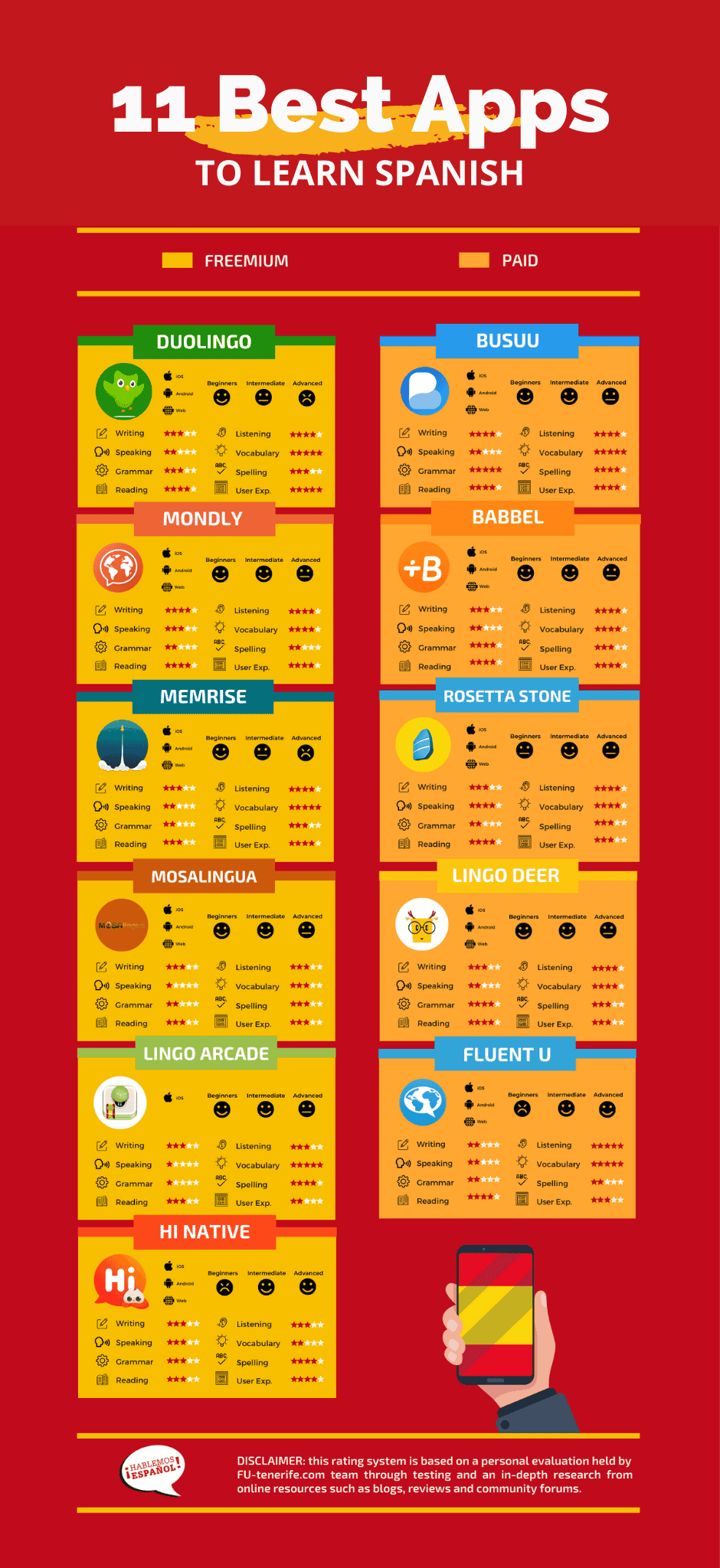
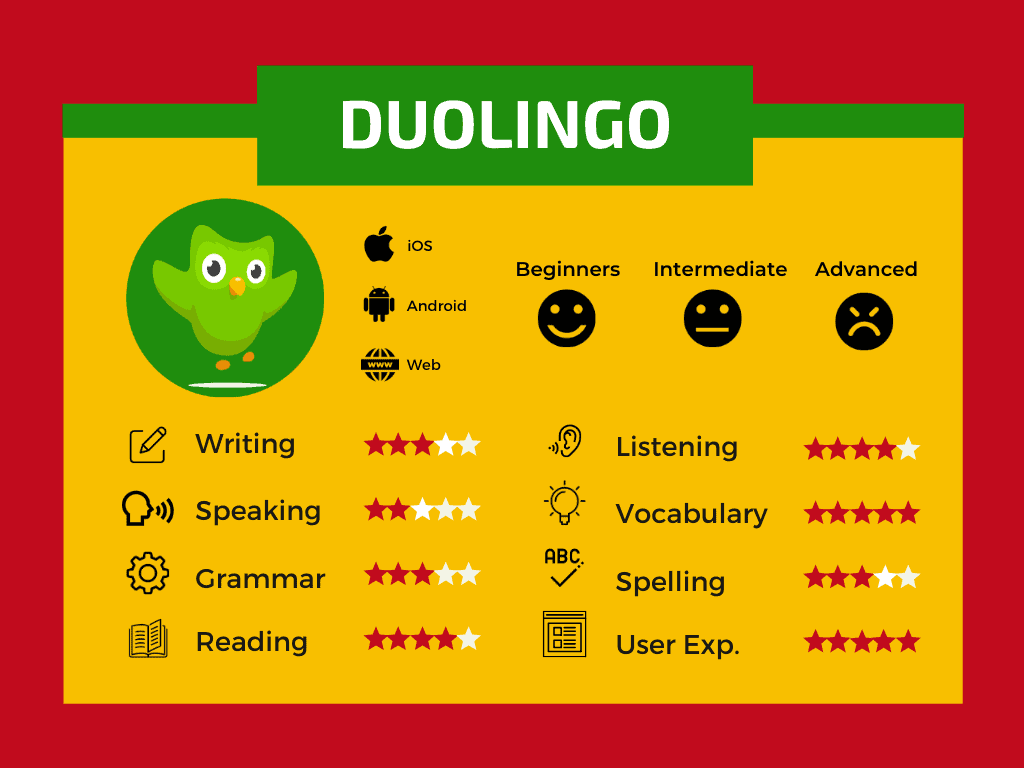
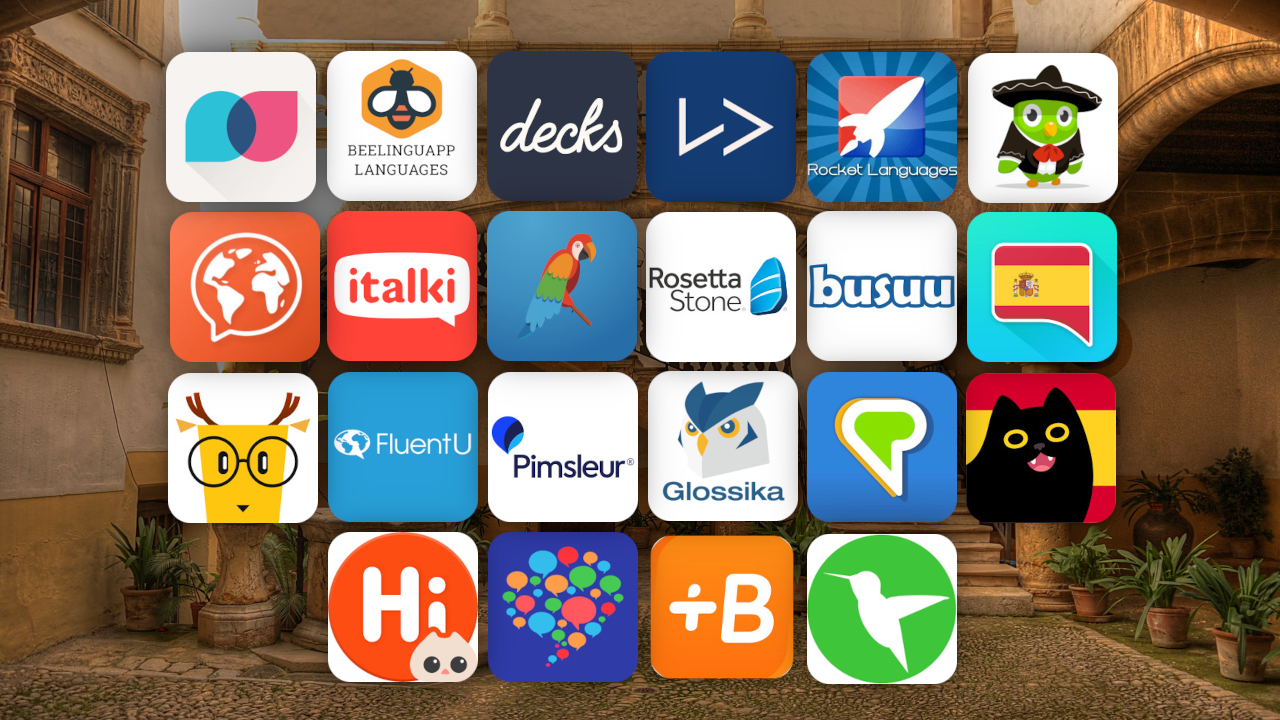
Naturally, apps designed to facilitate language acquisition or translation are leaders in Spanish integration. Platforms like Duolingo and Babbel are immensely popular for learning Spanish, offering comprehensive courses. Conversely, tools like Google Translate and iTranslate provide instant text and voice translation, indispensable for bridging linguistic gaps in real-time. These apps not only support Spanish as a target language but often provide their interfaces in Spanish for learners and native speakers alike.
Communication & Social Media
The giants of communication and social networking have long recognized the importance of Spanish. WhatsApp, Facebook, Instagram, Twitter, and TikTok all offer full Spanish interfaces, allowing users to interact, share, and consume content in their native tongue. These platforms are central to daily life for millions of Spanish speakers, facilitating everything from family chats to global political discourse. The ability to set the app language to Spanish ensures a comfortable and familiar user experience.
News & Information
Access to reliable news and information in one’s native language is fundamental. Major international news organizations like BBC News Mundo, El País, CNN en Español, and Telemundo and Univision (for the U.S. Hispanic market) provide dedicated apps with comprehensive Spanish content. Many local news outlets across Spain and Latin America also offer their own applications, ensuring that users can stay informed about regional, national, and international events without language barriers.
Entertainment & Streaming
The entertainment industry has made significant strides in providing Spanish content. Streaming services like Netflix, Spotify, YouTube, Disney+, and Amazon Prime Video offer vast libraries of movies, TV shows, music, and podcasts with Spanish audio tracks, subtitles, or original Spanish productions. Their app interfaces are fully localized, allowing users to navigate menus, search for content, and manage their subscriptions seamlessly in Spanish. Gaming apps also frequently include Spanish language options, catering to a massive global gaming community.
Productivity & Business
For professionals and students, productivity apps are indispensable. The Microsoft Office Suite (Word, Excel, PowerPoint, Outlook) and Google Workspace (Docs, Sheets, Slides, Gmail, Drive) offer full Spanish localization for their desktop and mobile applications. Project management tools like Asana and Trello, note-taking apps like Evernote, and cloud storage services also typically provide Spanish interface options, ensuring that business and academic tasks can be performed efficiently without linguistic friction.
Finance & Banking
Managing personal finances and conducting banking operations in one’s native language is crucial for security and clarity. Most major international banks and local financial institutions offer mobile banking apps with Spanish language support. Furthermore, modern fintech applications such as PayPal, Revolut, Nequi, and DaviPlata often include comprehensive Spanish interfaces and customer support, reflecting the growing digital economy in Spanish-speaking regions. This localization is vital for ensuring users understand complex financial terms and transactions.
How to Find and Configure Apps in Spanish
Finding and setting up applications in Spanish is usually straightforward, relying on device settings or in-app options. Developers generally prioritize making their apps accessible to a broad linguistic audience.
Checking App Store Descriptions
The first step when searching for a new app is to review its description in the Apple App Store or Google Play Store. Developers often list supported languages prominently. Look for mentions of “Spanish,” “Español,” or a list of supported languages under the “Information” or “About This App” section. Reviews can also offer insights into the quality of the Spanish localization.
Device Language Settings
For many applications, the language they display automatically defaults to the primary language set on your smartphone or tablet. If your device’s operating system (iOS or Android) is set to Spanish, a large percentage of apps will automatically switch to Spanish upon installation or launch. This is the most common and seamless method for experiencing apps in Spanish. To change your device language:
- On iOS: Go to Settings > General > Language & Region > iPhone/iPad Language.
- On Android: Go to Settings > System > Languages & input > Languages.
In-App Language Settings
Even if your device’s primary language isn’t Spanish, many sophisticated applications offer their own internal language settings. This allows users to run specific apps in Spanish while keeping their phone’s overall interface in another language (e.g., English). Look for a “Language” or “Idiomas” option within the app’s settings menu, typically accessible via a profile icon, a gear icon, or a hamburger menu. This is particularly useful for bilingual individuals or those learning Spanish who wish to immerse themselves in a specific app’s content.
Developer Support & Community Forums
If an app doesn’t immediately offer Spanish support, or if the translation is incomplete, checking the developer’s website or community forums can provide answers. Many developers are responsive to user feedback and may either already be working on Spanish localization or prioritize it based on user demand. These forums can also be excellent resources for troubleshooting or discovering community-driven language packs, though official support is always recommended.
The Future of Spanish-Language Apps and Localization
The trajectory for Spanish-language applications points toward deeper integration, more sophisticated localization, and an ever-expanding presence across emerging technologies.
AI and Machine Learning in Translation
Advancements in Artificial Intelligence and Machine Learning are revolutionizing translation. Neural machine translation models are becoming increasingly accurate and capable of producing more natural-sounding Spanish, understanding context and idiomatic expressions with greater proficiency. This technology will not only improve the quality of automated translations within apps but also accelerate the localization process for developers, making it more cost-effective and efficient to offer comprehensive Spanish support from the outset.
Voice Assistants and Smart Devices
Voice-activated technologies are becoming integral to the digital experience, and their support for Spanish is rapidly maturing. Siri, Google Assistant, and Alexa all offer robust Spanish language capabilities, allowing users to interact with their smart devices and integrated apps using voice commands in Spanish. As more apps integrate with these assistants, the ability to operate and access digital services through spoken Spanish will become even more seamless, enhancing accessibility for users of all technical proficiencies.
Emerging Markets and Digital Inclusion
The growth of digital infrastructure and smartphone adoption in Spanish-speaking developing countries continues to accelerate. This expansion brings millions of new users online, many of whom will primarily interact with technology in Spanish. This demographic shift necessitates continued investment in localization, not just for popular global apps but also for essential local services, educational platforms, and financial tools, ensuring digital inclusion for a vast and growing population.
The Role of Developers
Ultimately, the future of Spanish-language apps rests with developers. A commitment to comprehensive localization—moving beyond simple translation to culturally relevant adaptation—will be key. This includes designing apps with internationalization in mind from the ground up, allowing for flexible text expansion, diverse date/time formats, and culturally appropriate imagery. As the global digital economy becomes more interconnected, developers who prioritize genuine multilingual and multicultural experiences will capture a significant and loyal user base.
aViewFromTheCave is a participant in the Amazon Services LLC Associates Program, an affiliate advertising program designed to provide a means for sites to earn advertising fees by advertising and linking to Amazon.com. Amazon, the Amazon logo, AmazonSupply, and the AmazonSupply logo are trademarks of Amazon.com, Inc. or its affiliates. As an Amazon Associate we earn affiliate commissions from qualifying purchases.