
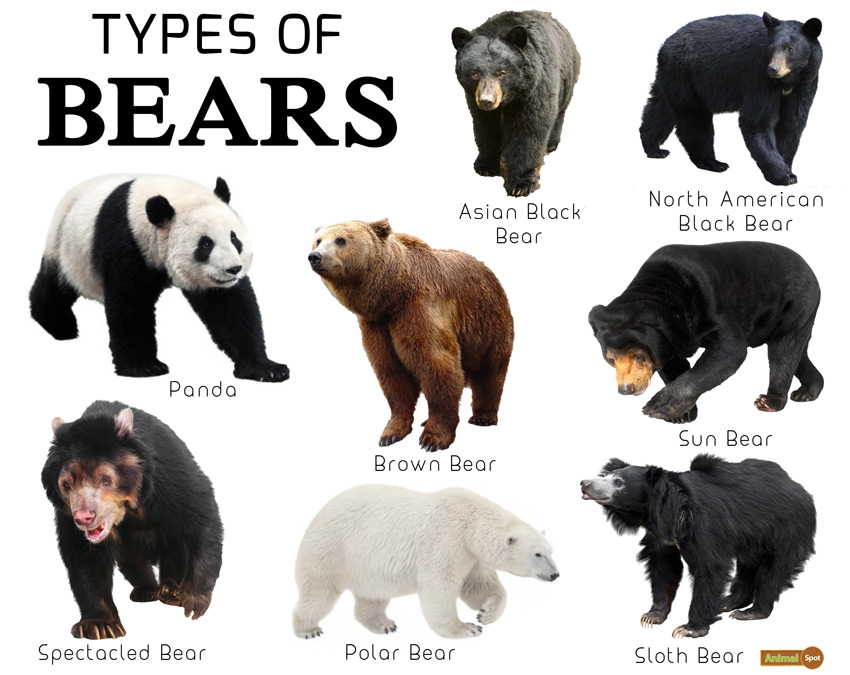
Bears, with their imposing presence, varied diets, and distinct habitats ranging from the Arctic ice to dense tropical forests, have long captivated human imagination. From the cuddly teddy bear to the formidable grizzly, these mammals hold a unique place in both culture and ecology. But beyond their immediate family of eight living species, what animals share their ancient lineage? Delving into the evolutionary history of bears unveils a fascinating web of kinship, stretching across millions of years and connecting them to some surprising relatives. In the modern era, understanding these deep biological ties isn’t merely an academic exercise; it’s a multidisciplinary endeavor profoundly shaped by cutting-edge technology, strategic branding, and intricate financial considerations, all converging to unlock the secrets of biodiversity and fuel conservation efforts.

The Ursidae Family Tree: A Zoological Tapestry
To understand where bears fit into the grand scheme of life, we must first place them within the broader classification system. Bears belong to the family Ursidae, a distinct group within the order Carnivora. This order is a diverse collection of placental mammals, unified by characteristics like specialized teeth for tearing flesh, though many species within it have evolved to be omnivores or even herbivores. Carnivora itself is part of the superorder Laurasiatheria, which includes an incredibly wide array of mammals such as horses, rhinoceroses, bats, and even whales and dolphins. Tracing the bear’s lineage thus begins with understanding its place among meat-eaters and then narrowing down to its more immediate kin.
Distant Cousins: Carnivora and Beyond
The order Carnivora is vast, encompassing nine extant families. Besides Ursidae (bears), it includes Canidae (dogs, wolves, foxes), Felidae (cats), Mustelidae (weasels, otters, badgers), Procyonidae (raccoons, coatis), Mephitidae (skunks), Ailuridae (red pandas), Herpestidae (mongooses), and Viverridae (civets, genets). The common ancestor of all these diverse creatures roamed the Earth tens of millions of years ago, likely a small, shrew-like mammal. Through millions of years of evolution, driven by environmental pressures and opportunistic adaptation, these different branches diverged, giving rise to the incredibly varied forms we see today.
Bears specifically descended from a common ancestor they share with dog-like carnivores. Early studies, based primarily on skeletal morphology and fossil records, placed bears somewhat ambiguously within this larger group. However, the advent of sophisticated genetic analysis, often powered by advanced computational tools and algorithms, has provided far greater clarity, firmly cementing bears within the Caniformia suborder – the “dog-like” carnivores – rather than the Feliformia (“cat-like” carnivores). This distinction is crucial, as it tells us that despite their massive size and often solitary nature, bears are more closely related to dogs, wolves, and foxes than they are to lions, tigers, or domestic cats.
Closer Kin: The Musteloids and Pinnipeds Connection
Within the Caniformia suborder, bears’ closest living relatives are generally considered to be the Musteloids. This super-family includes the Mustelidae (weasels, badgers, otters, martens, wolverines), Mephitidae (skunks), Procyonidae (raccoons, coatis, kinkajous), and Ailuridae (the red panda). While a bear might seem worlds apart from a tiny weasel or a striped skunk, genetic evidence overwhelmingly supports this evolutionary proximity. They share a common ancestor that lived approximately 30-40 million years ago. This ancestor, a small, agile carnivore, diversified over millennia, with one lineage evolving into the robust, heavy-boned bears we know, and others taking different paths to become the slender, quick mustelids or the arboreal raccoons.
Perhaps one of the most intriguing and surprising relationships is between bears and the Pinnipeds – seals, sea lions, and walruses. For a long time, the exact placement of pinnipeds within the Carnivora order was debated. Were they more closely related to dog-like carnivores or cat-like carnivores? Or did they evolve from a separate lineage altogether? Modern molecular phylogenetics, fueled by extensive DNA sequencing and powerful bioinformatics tools, has provided a definitive answer: Pinnipeds are indeed part of the Caniformia suborder and are, in fact, the sister group to bears. This means that at some point, tens of millions of years ago, a common ancestor diverged, with one branch leading to the terrestrial Ursidae and another to the semi-aquatic Pinnipedia. This explains shared characteristics like a generally robust build and a propensity for omnivory or piscivory (fish-eating) in some bear species (like the polar bear) and all pinnipeds. This discovery highlights the remarkable adaptive radiation that can occur from a single ancestral group, leading to forms as diverse as a polar bear navigating ice floes and a walrus diving for clams.
Decoding DNA: The Technological Revolution in Phylogenetics
The journey from educated guesses based on skeletal remains to definitive conclusions about evolutionary relationships has been overwhelmingly driven by technological advancements. The question “what animals are bears related to?” has moved beyond morphology to the molecular level, where the very code of life, DNA, holds the most accurate answers. This shift represents a paradigm change in zoology, intricately linked with modern tech trends, software innovation, and the power of artificial intelligence.
Genetic Sequencing and Bioinformatics
The cornerstone of modern phylogenetic research is genetic sequencing. High-throughput sequencing technologies, which can rapidly sequence entire genomes or specific genes from multiple individuals, have replaced laborious, low-yield methods. These technologies generate vast amounts of raw genetic data – billions of base pairs for each organism. This deluge of data would be impossible to process without sophisticated software and computational power. Bioinformatics, a field at the intersection of biology and computer science, provides the tools and algorithms necessary to assemble, align, and analyze these sequences.
Specialized software packages use complex algorithms to compare DNA sequences across different species, identifying similarities and differences that indicate evolutionary relatedness. The fewer genetic differences, the more recently two species shared a common ancestor. Artificial Intelligence (AI) tools, particularly machine learning algorithms, are increasingly deployed in this domain. AI can sift through massive datasets to identify subtle patterns, reconstruct ancestral genomes, and even predict the functions of unknown genes. It can refine phylogenetic trees, detect instances of hybridization between species, and provide statistical confidence levels for various evolutionary scenarios. For example, understanding the close relationship between polar bears and brown bears was significantly clarified by genomic studies, which revealed a history of gene flow (hybridization) between the two species, a discovery made possible by advanced genomic analysis pipelines. Without these tech innovations, our understanding of bear kinship would remain largely speculative.
Digital Tools for Conservation and Research
Beyond establishing evolutionary trees, digital technologies play a critical role in applying this knowledge to conservation efforts, which often hinge on understanding species’ distinctiveness and ecological roles. Geographic Information Systems (GIS) software allows researchers to map bear habitats, track movements using GPS collars, and analyze population densities in relation to environmental factors. This data, often collected in real-time, can be fed into predictive models that forecast the impact of climate change or human encroachment on bear populations.

Camera traps equipped with AI-powered image recognition software have revolutionized wildlife monitoring. These smart cameras can automatically identify individual bears, differentiate species, and even detect specific behaviors, providing invaluable data without human disturbance. Drones and satellite imagery, combined with advanced remote sensing software, enable large-scale habitat assessment and population counting, especially in remote or dangerous terrains. Furthermore, mobile applications facilitate citizen science initiatives, allowing the public to report sightings, upload photos, or contribute data, democratizing data collection and engaging a wider audience in bear research and conservation. These digital tools transform raw data into actionable insights, enabling more effective strategies to protect bears and their relatives.
The Brand of the Bear: Identity, Conservation, and Funding
The scientific understanding of “what animals are bears related to” extends far beyond academia, deeply influencing how these animals are perceived, protected, and funded. In an increasingly globalized and visually driven world, the “brand” of a species or a conservation initiative is paramount. It dictates public awareness, generates support, and ultimately, secures the financial resources necessary for survival.
Crafting the Conservation Narrative
Each bear species carries a unique brand identity, often shaped by its distinct evolutionary history and ecological niche. The giant panda, for instance, with its iconic black and white fur and gentle demeanor, has become a global emblem of conservation. Its distinct lineage (though historically debated, it is now firmly placed within Ursidae as a true bear) and endangered status have been strategically leveraged to create a powerful brand that resonates across cultures, driving significant international funding and awareness. Similarly, the polar bear’s brand as a symbol of climate change, directly linked to its distinct adaptation to Arctic environments and its relationship to brown bears, motivates specific conservation campaigns focused on sea ice preservation.
Understanding the unique relationships within the bear family and with their broader relatives allows conservation organizations to craft more targeted and compelling narratives. It emphasizes the irreplaceable value of each species and the broader biodiversity it represents. Brand strategy here involves translating complex scientific information (like phylogenetic distinctiveness or genetic bottlenecks) into accessible and emotionally resonant messages. This influences public perception, encourages donations, and shapes policy. Marketing efforts for different bear species, for example, will highlight distinct characteristics – the intelligence of grizzlies, the elusive nature of sun bears, or the ancient lineage of the spectacled bear – all informed by scientific understanding of their biology and evolutionary history. Corporate identity for conservation organizations often revolves around these powerful animal brands, with logos, campaigns, and advocacy materials designed to evoke protection and appreciation for these magnificent creatures.
Reputation and Public Perception
The accuracy and scientific rigor behind statements about animal relationships directly impact the reputation of researchers, institutions, and conservation bodies. In an era of misinformation, providing fact-based, scientifically robust information enhances credibility and builds trust with the public, donors, and policymakers. When a conservation group accurately communicates that seals are indeed close relatives of bears, it demonstrates a deep understanding of biology and reinforces their authority on wildlife matters.
Furthermore, the design and communication of educational materials, often leveraging cutting-edge digital design and multimedia platforms, play a crucial role. Infographics, interactive websites, and virtual reality experiences that illustrate the bear family tree or the impact of environmental threats are powerful marketing tools. These tools not only educate but also cultivate an emotional connection, transforming passive awareness into active engagement. The consistent and accurate presentation of scientific facts – like the bear’s place in the Carnivora order or its genetic link to musteloids – strengthens the overall brand of wildlife science and its advocates, fostering a positive reputation essential for long-term support.
The Economics of Kinship: Investing in Biodiversity
The pursuit of knowledge about animal relationships, while inherently driven by scientific curiosity, also has significant financial implications. From funding groundbreaking research to stimulating economic activities, the money aspect intertwines deeply with understanding “what animals are bears related to” and, more broadly, with biodiversity conservation.
Funding Research and Conservation
Unraveling the complex genetic tapestry of bears and their relatives is an expensive undertaking. Genetic sequencing facilities require substantial investment in advanced machinery, reagents, and highly skilled personnel. Bioinformatics specialists, equipped with powerful computing resources and access to cutting-edge software, are crucial for data analysis. Funding for these endeavors comes from a variety of sources: government grants, philanthropic organizations, university endowments, and increasingly, private sector investments in biotech and environmental technology. These financial flows are not merely about discovery; they are investments in understanding the very fabric of life, which can yield unexpected benefits in fields ranging from medicine to biotechnology.
Beyond research, the conservation of bears and their habitats demands substantial financial resources. Protecting vast wilderness areas, managing protected parks, employing anti-poaching units, and implementing community outreach programs all require significant budgets. Donations from individuals, corporate sponsorships, and international aid contribute to these funds. The economic value of maintaining healthy ecosystems, often featuring apex predators like bears, cannot be overstated. These ecosystems provide invaluable services such as clean water, pollination, and climate regulation, which, if lost, would incur enormous financial costs.
Eco-Tourism, Online Income, and Financial Tools
Understanding and conserving species like bears also drives economic activity through eco-tourism. Destinations where bears can be safely viewed in their natural habitats (e.g., Yellowstone for grizzlies, Churchill for polar bears, or rainforests for sun bears) attract millions of tourists annually. This influx of visitors generates revenue for local communities through accommodation, guided tours, local businesses, and national park fees. These funds can then be reinvested into conservation efforts, creating a virtuous cycle where economic interest supports ecological preservation. For individuals, eco-tourism can also be a source of online income and side hustles, such as wildlife photography blogs, travel vlogging, or selling nature-inspired art and merchandise.
Moreover, the financial sector is increasingly recognizing the importance of biodiversity. Investment funds focused on ethical investing or environmental, social, and governance (ESG) criteria often include companies working in sustainable land management, ecological restoration, or biotech firms developing tools for environmental monitoring and genetic research. Personal finance decisions, such as choosing to donate to reputable conservation organizations or investing in environmentally conscious businesses, also play a role. Financial tools and platforms specifically designed for fundraising, crowdfunding, and transparent budget management are critical for conservation projects, ensuring accountability and maximizing the impact of every dollar invested. These tools, often digital and accessible globally, empower both large organizations and small grassroots initiatives to secure the necessary financial backing to protect species and their intricate evolutionary relationships.
In conclusion, the simple question “what animals are bears related to” opens a doorway to an expansive world of scientific inquiry, where cutting-edge technology deciphers genetic codes, strategic branding shapes public perception and support, and financial investments fuel both discovery and conservation. From the deepest branches of the Carnivora family tree to the intricate genetic links that connect bears to seals, every discovery underscores the profound interconnectedness of life on Earth. As we continue to refine our understanding of these relationships, the collaborative efforts across biology, technology, marketing, and finance will be paramount in ensuring that these magnificent creatures, and their kin, thrive for generations to come.
aViewFromTheCave is a participant in the Amazon Services LLC Associates Program, an affiliate advertising program designed to provide a means for sites to earn advertising fees by advertising and linking to Amazon.com. Amazon, the Amazon logo, AmazonSupply, and the AmazonSupply logo are trademarks of Amazon.com, Inc. or its affiliates. As an Amazon Associate we earn affiliate commissions from qualifying purchases.