
In the rapidly evolving landscape of modern medicine, the intersection of technology and genetics has opened doors that were previously bolted shut. Angelman Syndrome (AS), a rare neuro-genetic disorder characterized by developmental delays, speech impairment, and seizures, serves as a primary case study for how the tech sector is transforming the lives of those with complex needs. From the deployment of artificial intelligence in early diagnostics to the sophisticated software powering communication for the non-verbal, the tech industry is providing the infrastructure necessary to navigate the complexities of this condition.

Understanding Angelman Syndrome through the lens of technology requires a shift in perspective. It is no longer just a clinical diagnosis; it is a data challenge, a user-interface hurdle, and a frontier for biotechnological engineering. As we look at the current tech trends, we see a multi-layered approach to managing and potentially curing this syndrome.
AI-Driven Diagnostics and the Genomic Frontier
The journey for families dealing with Angelman Syndrome often begins with a “diagnostic odyssey.” Historically, identifying rare genetic conditions could take years of trial and error. However, the integration of high-performance computing and artificial intelligence has accelerated this timeline exponentially.
Deep Learning in Phenotypic Analysis
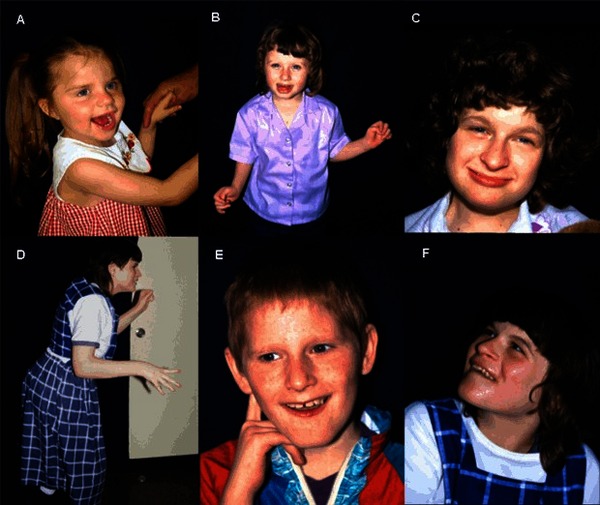
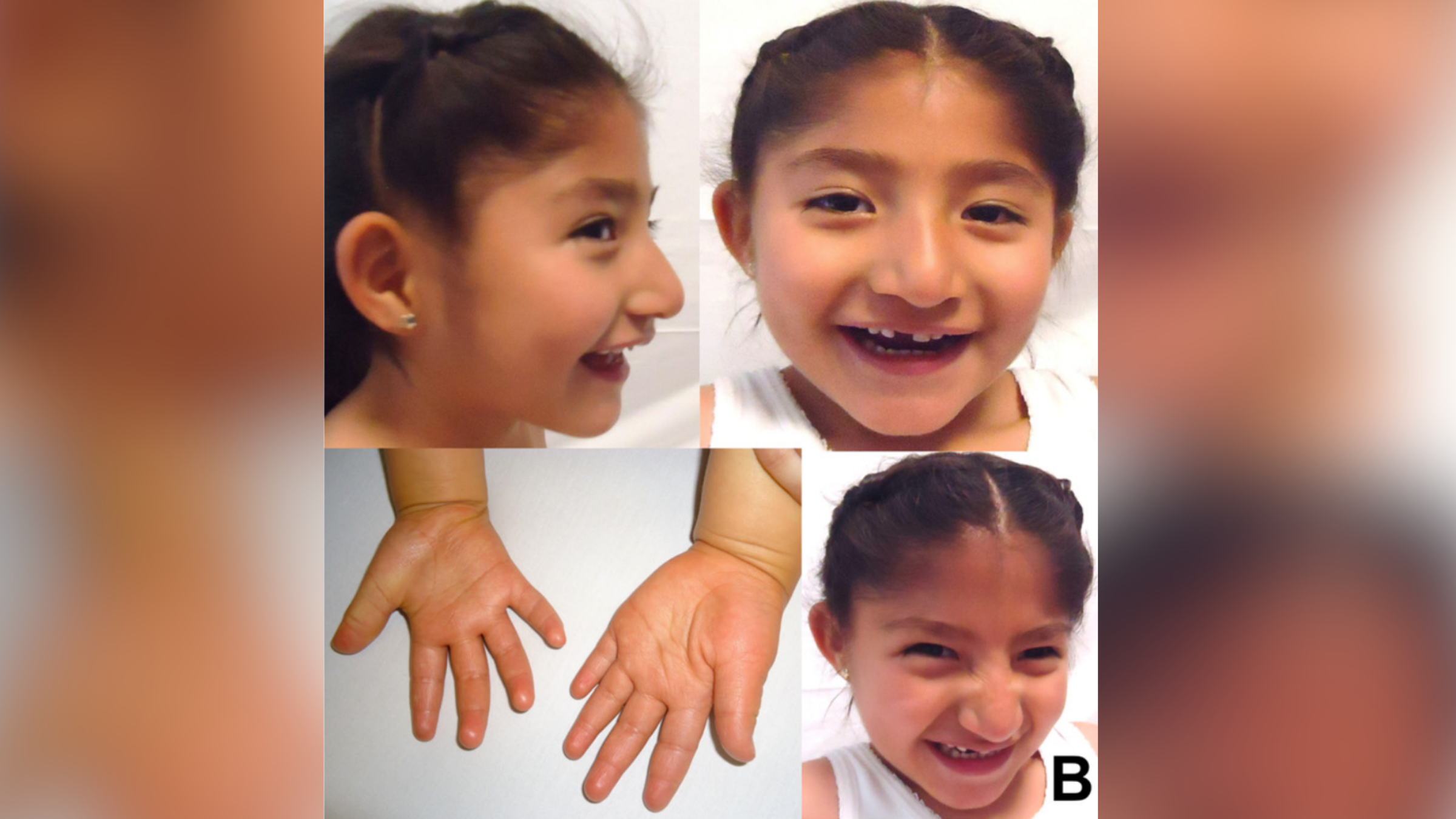
One of the most exciting applications of AI in the rare disease space is automated phenotypic recognition. Software tools now utilize deep learning algorithms to analyze facial features and physical markers that may be imperceptible to the human eye but are characteristic of Angelman Syndrome. By comparing patient photos against a global database of known genetic markers, these AI tools can provide clinicians with a high-probability “match” in seconds. This software doesn’t replace doctors; it acts as an advanced triage layer that ensures the right genetic tests are ordered sooner, reducing the emotional and financial burden on families.
Next-Generation Sequencing (NGS) and Data Visualization
At the heart of Angelman Syndrome is the UBE3A gene on the 15th chromosome. The technology used to sequence this gene has moved from expensive, slow processes to Next-Generation Sequencing (NGS). The tech challenge here is the sheer volume of data produced. Modern genomic platforms use cloud computing to process terabytes of genetic information, employing sophisticated data visualization tools to highlight deletions or mutations. For developers, the goal is to create intuitive dashboards that allow geneticists to see the “noise” versus the “signal,” ensuring that a diagnosis of AS is 100% accurate.
Assistive Communication Tech: Giving a Voice to the Non-Verbal
Most individuals with Angelman Syndrome do not develop functional speech. For decades, this created a massive barrier to autonomy. Today, the “Apps and Software” niche of the tech industry has revolutionized this through Augmentative and Alternative Communication (AAC) technology.
The Evolution of AAC Apps and Software
The transition from heavy, dedicated communication “boxes” to sleek tablets and specialized software has been life-changing. Modern AAC apps utilize sophisticated UI/UX design to provide icon-based communication systems. These apps are not static; they use predictive algorithms to suggest words or phrases based on the user’s previous interactions and current context. High-tech features like “motor planning” software allow users with Angelman Syndrome to develop muscle memory for where certain icons are located, facilitating faster and more fluid communication that mimics natural speech patterns.
Eye-Tracking and Bio-Sensor Integration
For individuals with AS who face significant motor challenges, even a touchscreen can be a barrier. This is where advanced hardware—specifically eye-tracking technology—comes into play. High-speed infrared cameras integrated into tablets can track the movement of a user’s retina with millimeter precision. Software then translates that gaze into a “click,” allowing the user to select words or commands simply by looking at them. Furthermore, we are seeing the emergence of brain-computer interface (BCI) gadgets that interpret neural signals to facilitate basic communication, a frontier that was once science fiction but is now entering the clinical trial phase.
Digital Therapeutics and Remote Monitoring Systems
In the tech world, “Digital Therapeutics” refers to software-driven interventions that provide medical support. For the Angelman community, this translates to gadgets and apps that monitor health in real-time, specifically targeting the sleep disturbances and seizures that are common with the syndrome.
Wearable Tech for Seizure Detection and Safety
Seizure activity is a primary concern for those with AS. The “Gadgets” category has responded with wearable IoT (Internet of Things) devices. These smartwatches and patches are equipped with accelerometers and biosensors that detect the specific rhythmic movements associated with tonic-clonic seizures. When a seizure is detected, the software automatically triggers an alert to a caregiver’s smartphone via GPS, providing real-time location data and duration logs. This integration of hardware and software provides a safety net that traditional medicine alone could not offer.
Telehealth and Data-Driven Care Coordination
Managing a complex condition like Angelman Syndrome requires a multidisciplinary team. Digital platforms now act as the “connective tissue” between neurologists, speech therapists, and families. Telehealth apps have evolved beyond simple video calls; they now include integrated portals where data from wearable devices and AAC apps can be uploaded and analyzed by doctors remotely. This “Remote Patient Monitoring” (RPM) trend ensures that treatment plans are based on objective, real-world data rather than anecdotal evidence, allowing for more precise medication adjustments and behavioral interventions.
The Biotech Interface: CRISPR and Computational Drug Discovery
The ultimate goal of the tech industry in the context of Angelman Syndrome is a cure. This is where “Technology Trends” meet “Bio-Engineering.” The focus has shifted from managing symptoms to the “technology of the gene.”
Silicon-Based Modeling of the UBE3A Gene
Before a drug or a gene therapy ever enters a human trial, it is modeled in a virtual environment. Computational biology uses supercomputers to simulate how different molecules will interact with the UBE3A gene. This “In Silico” testing allows researchers to run thousands of simulations simultaneously, identifying the most promising therapeutic candidates for Angelman Syndrome at a fraction of the traditional cost and time. This tech-heavy approach is currently being used to develop Antisense Oligonucleotides (ASOs)—essentially “molecular patches” that can turn on the dormant copy of the UBE3A gene in the brain.
Blockchain in Rare Disease Research
One of the biggest hurdles in rare disease tech is data silos—researchers often don’t share their findings. Blockchain technology is being explored as a solution to this. By using a decentralized ledger, patient data can be shared securely and anonymously across global research institutions. This ensures that every data point regarding Angelman Syndrome is accessible to the world’s brightest minds without compromising privacy. Smart contracts can also automate the consent process for clinical trials, making the entire R&D pipeline more efficient and transparent.
Conclusion: The Future of the Angelman Tech Ecosystem
The story of Angelman Syndrome is being rewritten by the technology sector. We are moving away from a period of observation and into an era of active intervention. Through AI-led diagnostics, specialized communication software, and wearable gadgets, the industry is providing the tools necessary for individuals with AS to engage more fully with the world around them.
As we look toward the future, the convergence of AI, biotechnology, and personalized software promises even greater breakthroughs. For the tech professional, Angelman Syndrome represents a unique challenge in accessibility and data science. For the family, it represents hope. In this niche of “Tech for Good,” the hardware and software being developed today are not just tools—they are the keys to unlocking the potential of the human spirit in the face of genetic complexity. By continuing to invest in these digital frontiers, we ensure that no individual is left behind by their biology, and that technology remains a powerful equalizer in the global health landscape.
aViewFromTheCave is a participant in the Amazon Services LLC Associates Program, an affiliate advertising program designed to provide a means for sites to earn advertising fees by advertising and linking to Amazon.com. Amazon, the Amazon logo, AmazonSupply, and the AmazonSupply logo are trademarks of Amazon.com, Inc. or its affiliates. As an Amazon Associate we earn affiliate commissions from qualifying purchases.