
The concept of an annulment often conjures images of historical pronouncements, a declaration that a marriage never truly existed in the eyes of the law. While the romanticized notion persists, the practical reality of an annulment, particularly in contemporary legal systems, carries substantial financial and logistical implications. Understanding “what an annulment” truly entails requires a deep dive into its financial landscape, dispelling common misconceptions and highlighting the fiscal responsibilities and consequences that accompany this unique form of marital dissolution. Far from being a simple erasure, an annulment, much like a divorce, necessitates careful financial navigation, impacting everything from asset division to tax implications.

The Financial Framework of Annulment
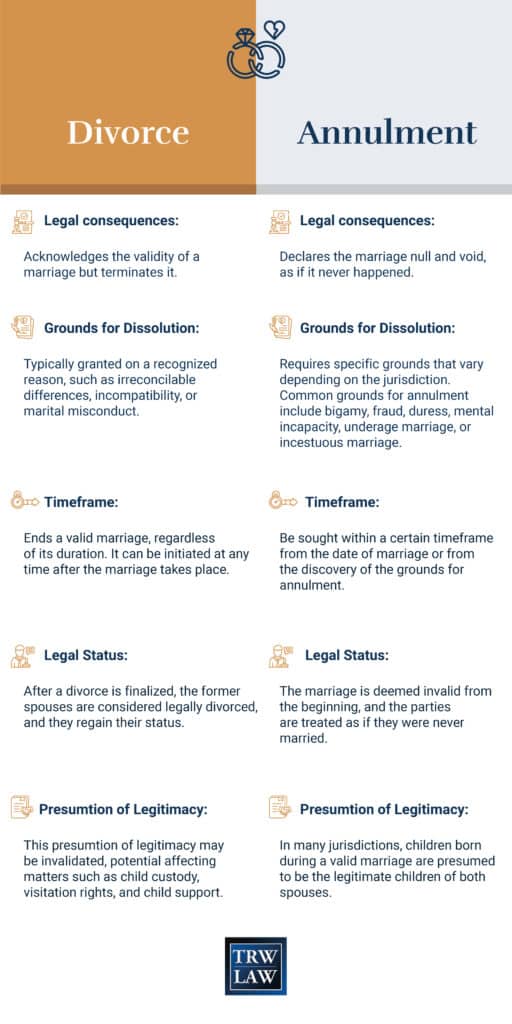
An annulment, by its legal definition, declares a marriage null and void from its inception. This fundamental distinction from a divorce, which dissolves a valid marriage, can significantly influence how financial matters are handled. However, the legal and financial processes are often more nuanced than a simple dichotomy. The financial implications of an annulment can be complex, depending heavily on the jurisdiction, the specific grounds for annulment, and the length and nature of the relationship.
Grounds for Annulment and Their Financial Ramifications
The legal grounds for seeking an annulment vary by jurisdiction but generally fall into categories such as fraud, duress, bigamy, incest, or incapacity to consent. The specific ground asserted can directly influence the financial disentanglement. For instance, an annulment based on fraud might involve arguments about whether assets were acquired under false pretenses. If one party misrepresented their financial status or intentions to induce the marriage, this could be a factor in asset division or even claims for restitution.
- Fraudulent Misrepresentation: If a marriage is annulled due to fraud, such as one party concealing significant debts or a lack of intent to ever fulfill marital obligations, courts may consider these factors when dividing property. This could lead to a more equitable distribution of assets acquired during the purported marriage, potentially favoring the defrauded party. It’s crucial to understand that proving fraud in a legal sense requires substantial evidence, and the financial outcomes will hinge on the strength of this evidence.
- Duress or Coercion: Marriages entered into under duress, where one party was forced into the union, can also lead to annulment. Financially, this might mean that any assets contributed by the coerced party are sought for return, or that any financial benefits gained by the coercing party are challenged. The court’s aim would be to restore the parties to their pre-marital financial positions as much as possible.
- Bigamy or Incest: These grounds are often straightforward and generally result in the marriage being deemed void ab initio (from the beginning). In such cases, financial settlements might be simpler, focusing on disentangling any jointly held assets or debts acquired during the period the void marriage was believed to be valid, rather than a complex division based on marital contributions.
Differentiating Financial Outcomes: Annulment vs. Divorce
While both annulments and divorces result in the termination of a marital union, their financial implications can differ significantly. In a divorce, marital property is typically divided according to principles of equitable distribution or community property, depending on the state. This involves identifying and valuing assets and debts acquired during the marriage and allocating them between the spouses.
An annulment, however, aims to restore parties to their pre-marital financial state. This can be more complex if significant time has passed or if assets have been commingled. Some jurisdictions may treat annulments similarly to divorces in terms of property division, especially if the marriage lasted for a considerable period or if there are children involved.
- Property Division in Annulment: The approach to property division in an annulment is not uniform. Some jurisdictions might consider property acquired during the relationship as separate property of each individual, as the marriage is deemed never to have existed. Others may apply divorce-like principles, particularly if the annulment process is prolonged or if it would be inequitable to deny financial claims based on the shared financial life the parties built. This often requires legal counsel to understand the specific nuances of local laws.
- Spousal Support (Alimony): Generally, spousal support is awarded in divorces to aid a dependent spouse. In annulments, the availability and nature of spousal support are more restricted. It might be granted in exceptional circumstances, especially if one party is left in a significantly worse financial position due to the relationship, but it is not as common or as extensive as in divorce cases. The focus is less on long-term support and more on rectifying immediate financial hardship caused by the voided union.
Navigating the Costs Associated with Annulment
The process of obtaining an annulment is not without its financial burdens. Legal fees, court costs, and the potential need for expert evaluations can accumulate, making financial preparedness a critical aspect of this legal endeavor. Understanding these costs upfront can help individuals manage their expectations and budget effectively.
Legal Fees and Court Costs
The most significant financial outlay in an annulment is typically legal fees. Hiring an attorney experienced in family law and annulment proceedings is often essential to navigate the complex legal requirements and advocate for your financial interests. Fees can be charged hourly, and the total cost will depend on the complexity of the case, the duration of negotiations or litigation, and the attorney’s experience.
- Retainer Fees and Hourly Rates: Most divorce and annulment attorneys require an initial retainer fee, which is a lump sum paid upfront. This retainer is then drawn against as the attorney works on your case, billed at their hourly rate. Rates can vary widely based on location and the attorney’s reputation and specialization.
- Court Filing Fees and Documentation: Beyond attorney fees, there are court costs associated with filing the annulment petition and other necessary legal documents. These fees are set by the court system and can vary by jurisdiction. Additionally, obtaining certified copies of vital records, such as birth certificates or marriage licenses, may incur additional costs.
Expert Evaluations and Other Expenses
Depending on the grounds for annulment and the complexity of financial matters, there might be a need for expert evaluations. These can include financial forensic accountants to trace assets, property appraisers to value real estate, or mental health professionals to assess capacity or undue influence. These experts add to the overall cost of the annulment process.
- Financial Expert Witnesses: In cases involving allegations of fraud or complex asset division, a forensic accountant may be hired to meticulously trace financial transactions, identify hidden assets, or assess the financial contributions of each party. Their fees can be substantial, often billed by the hour.
- Appraisals and Valuations: If property is involved, such as real estate, vehicles, or businesses, professional appraisers may be required to determine their fair market value. These valuations are crucial for equitable division, even in an annulment context, to ensure a fair restoration of pre-marital positions where applicable.
Financial Strategies and Planning During Annulment Proceedings
Successfully navigating the financial aspects of an annulment requires proactive planning and strategic decision-making. It’s not just about understanding the costs but also about managing existing finances and planning for the future, even as the legal proceedings unfold.
Preserving Assets and Managing Debts
During annulment proceedings, it is crucial to protect your financial interests by taking steps to preserve existing assets and manage any joint or individual debts responsibly. This often involves understanding what constitutes marital property versus separate property and making informed decisions about financial transactions.
- Understanding Separate vs. Joint Property: It’s vital to differentiate between assets and debts that were acquired before the marriage (separate property) and those acquired during the purported marriage (which may be considered joint or marital, depending on the jurisdiction and circumstances). Acting to protect your separate property is generally permissible, but attempting to dissipate or hide joint assets can have serious legal repercussions.
- Avoiding Financial Pitfalls: Making significant financial decisions without consulting your attorney, such as selling off assets, incurring new large debts, or transferring property, can complicate the annulment process and potentially lead to unfavorable financial outcomes. It’s advisable to maintain the financial status quo as much as possible until the legal proceedings are concluded.

Post-Annulment Financial Restructuring
Once an annulment is finalized, individuals will need to restructure their financial lives. This might involve setting up new bank accounts, updating beneficiaries, establishing separate credit, and creating a new budget to reflect their independent financial status.
- Re-establishing Financial Independence: This phase involves separating finances entirely. If joint accounts were maintained, they will need to be closed or reconfigured. Credit reports and scores will need to be reviewed and potentially repaired. The goal is to build a solid financial foundation for an independent future.
- Tax Implications and Financial Planning: Annulments can have tax implications. Depending on how finances were handled during the purported marriage, there might be adjustments needed for past tax filings. Future financial planning, including retirement savings, insurance, and estate planning, becomes paramount as individuals establish their new independent financial realities. Seeking advice from a tax professional or financial planner can be invaluable during this transition.
In conclusion, an annulment, while legally distinct from a divorce, carries significant financial weight. Understanding the grounds for annulment, the potential legal and financial processes, the associated costs, and the strategies for financial management both during and after the proceedings is essential for anyone considering or undergoing this type of marital dissolution. It underscores the fact that legal pronouncements, even those declaring a union void, invariably touch upon the tangible realities of personal finance, requiring careful consideration and expert guidance.
aViewFromTheCave is a participant in the Amazon Services LLC Associates Program, an affiliate advertising program designed to provide a means for sites to earn advertising fees by advertising and linking to Amazon.com. Amazon, the Amazon logo, AmazonSupply, and the AmazonSupply logo are trademarks of Amazon.com, Inc. or its affiliates. As an Amazon Associate we earn affiliate commissions from qualifying purchases.