
American Express Membership Rewards points are one of the most flexible and valuable loyalty currencies available, yet their true worth is far from a fixed number. Unlike cash-back, which offers a straightforward cents-on-the-dollar return, the value of Amex points is highly dynamic, contingent on how a cardholder chooses to redeem them. Understanding this fluidity is key to maximizing the returns on your spending and unlocking premium experiences that would otherwise be financially out of reach. This guide delves into the intricate valuation of American Express points, dissecting the myriad redemption options and revealing strategies to extract the highest possible value.
Understanding Membership Rewards: The Core Currency
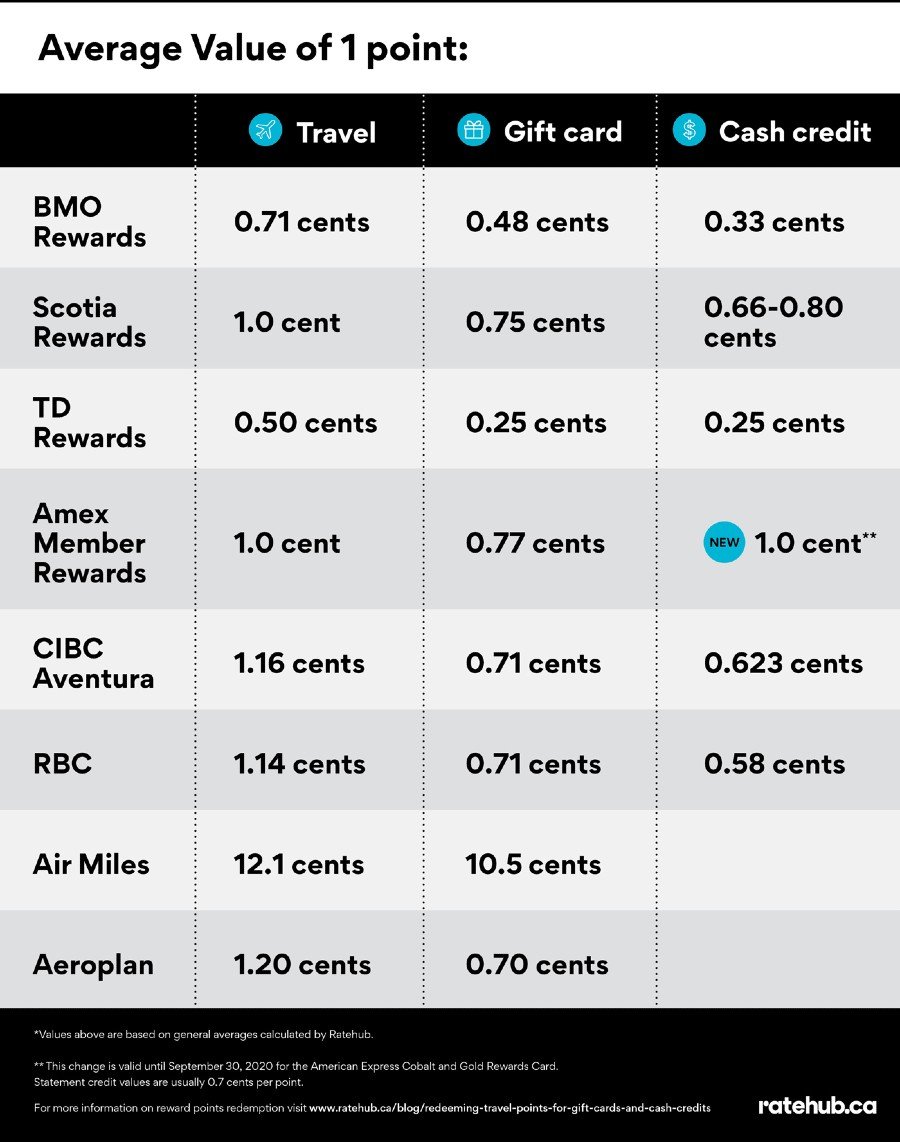
Membership Rewards (MR) points are the cornerstone of many American Express premium credit cards. Accumulated through everyday spending, category bonuses, and sign-up offers, these points represent a significant financial asset for astute consumers. However, their perceived value can range dramatically, from a paltry 0.5 cents per point (CPP) to upwards of 5 CPP, depending on the redemption method.
The Base Value: Cents Per Point (CPP)
At its most basic, the value of a point is often quantified in cents per point (CPP). For American Express, certain redemption options offer a consistently low CPP, serving as a baseline against which more lucrative redemptions are measured. For instance, redeeming points for a statement credit typically yields a value of 0.6 CPP. This means 10,000 points would only offset a $60 charge. Similarly, direct booking of travel through AmexTravel.com often hovers around 0.7 CPP to 1 CPP, depending on the type of travel. While convenient, these options rarely represent the optimal use of your hard-earned points. These lower-value redemptions act as a “floor,” demonstrating the minimum return you can expect if you prioritize simplicity over maximizing financial benefit.
Factors Influencing Point Valuation
The true worth of Membership Rewards points is not just about the redemption method, but also about how that method is utilized. Several factors play a critical role in determining the final CPP you achieve:
- Redemption Category: As discussed, travel transfers generally offer the highest value, while statement credits or gift cards offer the lowest.
- Transfer Partner: Not all airline or hotel partners offer the same redemption rates. Some partners have “sweet spots” for specific routes or room types that yield exceptional value.
- Transfer Bonuses: American Express periodically offers bonuses (e.g., 20% or 30%) when transferring points to specific airline or hotel partners. These bonuses significantly amplify the value of your points.
- Availability: Award space for premium cabin travel or desirable hotel nights can be limited. The ability to find and book these “unicorn” redemptions directly impacts the practical value of your points.
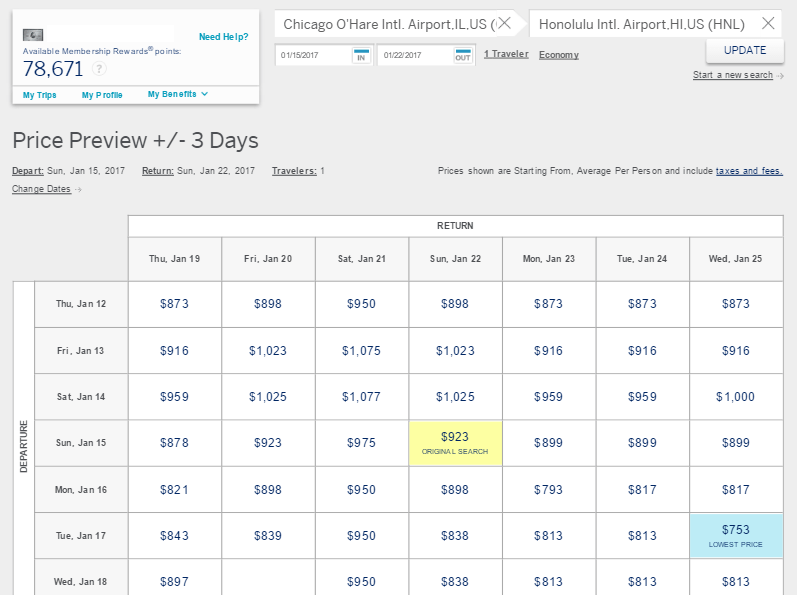
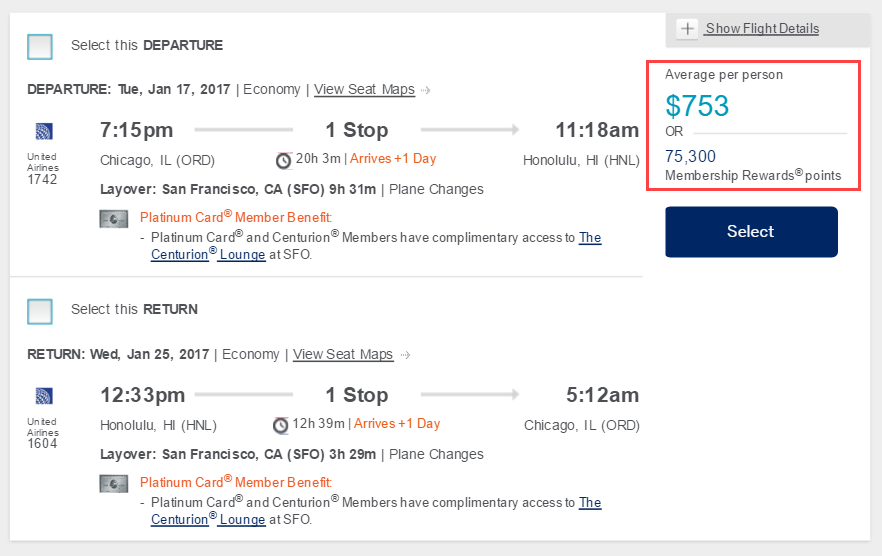
- Cash Price of Redemption: The higher the cash price of the flight or hotel stay you’re able to book with points, the higher your effective CPP will be. A $10,000 first-class ticket redeemed for 100,000 points yields 10 CPP, while a $500 economy ticket for 50,000 points yields 1 CPP.
Maximizing Value Through Strategic Redemption
The discerning cardholder understands that the real power of American Express Membership Rewards lies in strategic redemption, particularly through transfer partners. This approach consistently yields values far exceeding the baseline.
Travel Transfers: The Gold Standard
Without a doubt, transferring Membership Rewards points to airline and hotel loyalty programs is where the highest value resides. Amex has an extensive network of transfer partners, including major airlines like Delta SkyMiles, British Airways Avios, Air Canada Aeroplan, Virgin Atlantic Flying Club, and hotel chains like Marriott Bonvoy and Hilton Honors. When executed correctly, these transfers can lead to outsized value, often allowing you to book premium cabin flights (business or first class) that would otherwise cost thousands of dollars for a fraction of the points required for an economy fare booked directly through Amex Travel.
For example, a business class flight that costs $5,000 might be available for 50,000 points through a transfer partner. This yields an incredible 10 CPP. Even if the cash equivalent of the flight is lower, say $2,500, that’s still 5 CPP – a significantly better return than a statement credit. The key is flexibility with travel dates and destinations, as award availability can fluctuate.
Statement Credits and Gift Cards: Convenience vs. Value
While convenient, redeeming points for statement credits or gift cards is generally considered a suboptimal use of Membership Rewards points. As mentioned, statement credits provide a mere 0.6 CPP. Gift card redemptions can vary but rarely exceed 1 CPP, and often fall below it. For instance, a $100 gift card might cost 10,000 points, equating to 1 CPP, which is still a decent value for a “cash equivalent” but pales in comparison to what’s achievable with travel.
These options are best reserved for situations where you have a small remaining balance of points, an immediate financial need that cannot be met through other means, or if you simply prefer simplicity over maximizing every last cent. They should never be the primary strategy for accumulating and redeeming large quantities of Amex points.
Shopping Portals and Merchandise
American Express also offers the option to use points for purchases through various shopping portals (like Amazon) or directly for merchandise. This is almost universally the worst way to redeem your points. Redemption rates often drop to as low as 0.5 CPP. For example, using points on Amazon typically yields 0.7 CPP, meaning 10,000 points would only cover $70 worth of Amazon purchases. This provides significantly less value than nearly any other redemption method and should be avoided unless absolutely necessary. The allure of “free” shopping can be strong, but the opportunity cost in terms of lost travel value is substantial.
The Nuances of Transfer Partners
The true magic of American Express points lies within its robust network of transfer partners. Each partner program has its own award chart, redemption rules, and sweet spots, requiring a degree of research to master.
Airline Partners: Unlocking Premium Travel
American Express boasts an impressive roster of airline transfer partners, allowing access to all three major airline alliances (Star Alliance, SkyTeam, Oneworld) indirectly through various partners.
- Star Alliance access: Through partners like Air Canada Aeroplan and Singapore Airlines KrisFlyer.
- SkyTeam access: Primarily through Delta SkyMiles (though often not the best value for international premium travel) and Air France/KLM Flying Blue.
- Oneworld access: Through British Airways Avios and Cathay Pacific Asia Miles.
Understanding which partner to use depends heavily on your desired destination, the cabin class, and the specific award chart of that partner. For example, British Airways Avios can be excellent for short-haul flights on partner airlines due to their distance-based award chart. Virgin Atlantic Flying Club often has incredibly attractive rates for ANA first and business class flights from the US to Japan. Air Canada Aeroplan is renowned for its flexibility and reasonable rates for Star Alliance partners, often with lower fuel surcharges than other programs.
Hotel Partners: Specific Scenarios
While generally not as lucrative as airline transfers, hotel transfers can still be valuable in specific situations. American Express partners with Marriott Bonvoy and Hilton Honors.
- Marriott Bonvoy: Points transfer at a 1:1 ratio, but Marriott points are typically valued lower than Amex points (around 0.7-0.8 CPP). However, transferring 60,000 points to Marriott often comes with a 5,000-mile bonus when converting to airline miles, which can be an interesting niche strategy.
- Hilton Honors: Points transfer at a 1:2 ratio (1 Amex MR point = 2 Hilton Honors points). While this sounds generous, Hilton points are generally valued quite low (around 0.4-0.5 CPP), meaning a 1:2 transfer still often results in a lower effective CPP than airline transfers. Hilton transfers are best reserved for specific high-value redemptions during peak seasons or for aspirational stays where the cash price is exorbitantly high.
Identifying Sweet Spots and Transfer Bonuses
The real game-changer for point valuation often comes from identifying “sweet spots” and leveraging transfer bonuses. A sweet spot is a particular redemption that offers exceptional value for the points required. This could be a specific route in business class, a certain region for hotel stays, or a unique partner redemption. Tools like AwardHacker or extensive online research can help uncover these opportunities.
Transfer bonuses, periodically offered by Amex, are crucial. A 20% bonus to an airline partner effectively means you’re getting 1.2 points for every 1 Amex point transferred, immediately boosting your CPP. Combining a transfer bonus with a known sweet spot redemption can elevate your point value to extraordinary levels, making a $10,000 flight accessible for what might typically be 60,000-70,000 Amex points.
Evaluating Your Personal Redemption Strategy
The “worth” of American Express points is ultimately subjective and depends on individual circumstances, financial goals, and travel preferences. There’s no one-size-fits-all answer.
Lifestyle and Spending Habits
Your personal lifestyle and spending habits should heavily influence your redemption strategy. If you’re a frequent international traveler who prioritizes premium cabin experiences, then focusing on airline transfer partners will yield the highest value. If you’re more inclined towards domestic travel or prefer luxury hotel stays, then specific hotel redemptions might be more beneficial, albeit usually at a slightly lower CPP. For those who travel infrequently or simply want to offset everyday expenses, even the lower CPP of statement credits or gift cards might be perceived as valuable due to their simplicity and direct financial relief.
Opportunity Cost and Long-Term Goals
Every redemption choice carries an opportunity cost. Redeeming 10,000 points for a $60 statement credit means you’re foregoing the potential to contribute those points towards a $500 flight. Consider your long-term financial goals. Are you saving for a dream vacation? Are you trying to reduce your overall travel budget? Or are you simply trying to manage monthly expenses? Aligning your point redemption strategy with these goals is paramount. Sometimes, the peace of mind from a quick, lower-value redemption outweighs the hassle of optimizing for a distant, high-value one.
The Dynamic Nature of Point Value
The value of American Express points is not static. Airline award charts change, hotel categories shift, and transfer bonuses come and go. What was a sweet spot last year might be devalued today. Therefore, continuous monitoring of the points and miles landscape, staying informed about partner changes, and acting swiftly on valuable transfer bonuses are essential for consistently maximizing your points’ worth. Flexibility and adaptability are crucial traits for any serious points optimizer.
Beyond Redemption: Amex Membership Benefits and Fees
While the focus is on point valuation, the overall worth of being an American Express cardholder often extends beyond the points themselves, especially for premium cards. These additional benefits indirectly contribute to the “worth” of your points by making the entire Membership Rewards ecosystem more valuable.
Annual Fees vs. Point Earning Potential
Many American Express cards, particularly those with high earning rates for Membership Rewards points, come with substantial annual fees. For example, The Platinum Card® carries a high annual fee. When evaluating the worth of your points, it’s crucial to factor in these fees. Do the points you earn, combined with the card’s other benefits (such as travel credits, lounge access, elite status, purchase protections), justify the annual cost? Often, the value derived from premium travel redemptions and card perks far outweighs the annual fee, making the “cost” of earning those points negligible.
Card-Specific Perks and Credits
American Express cards are renowned for their robust suite of benefits, ranging from travel credits (airline fee credits, Uber credits, hotel credits), airport lounge access (Centurion Lounges, Priority Pass, Delta Sky Clubs), elite status with hotel chains, and various purchase and travel protections. These benefits, though not directly points, contribute to the overall financial value you receive from being an Amex cardholder. When assessing what your American Express points are worth, it’s important to view them as part of a larger ecosystem of value that includes these significant, non-point-based advantages. These additional perks can enhance travel experiences, save money on other expenses, and ultimately augment the perceived and actual worth of your Amex relationship.
aViewFromTheCave is a participant in the Amazon Services LLC Associates Program, an affiliate advertising program designed to provide a means for sites to earn advertising fees by advertising and linking to Amazon.com. Amazon, the Amazon logo, AmazonSupply, and the AmazonSupply logo are trademarks of Amazon.com, Inc. or its affiliates. As an Amazon Associate we earn affiliate commissions from qualifying purchases.