
In the highly competitive and interconnected world of aviation, no single airline can serve every route or cater to every customer’s global travel needs alone. For a major player like American Airlines, strategic partnerships are not merely operational conveniences; they are fundamental pillars of its brand strategy, critical for expanding market reach, enhancing customer value, and solidifying its competitive position. These alliances and collaborations allow American Airlines to extend its brand presence far beyond its own fleet and network, offering a seamless global experience under its recognizable identity.
This article delves into the intricate web of partnerships American Airlines has forged, examining how these relationships bolster its brand equity, drive market differentiation, and shape its overall strategic direction within the broader aviation landscape. We will explore the types of partnerships, key collaborators, and the profound impact these alliances have on American’s brand perception and business outcomes.

The Strategic Imperative of Airline Partnerships
For American Airlines, as with most global carriers, partnerships are not optional but essential to maintaining and growing its brand’s relevance and value proposition. These collaborations serve multiple strategic branding objectives, allowing the airline to achieve economies of scale, expand its network, and deliver a more compelling offering to its customer base.
Expanding Brand Reach and Market Share
One of the most immediate and significant benefits of airline partnerships is the exponential expansion of an airline’s brand reach. By aligning with other carriers, American Airlines can effectively offer flights to destinations it doesn’t directly serve, allowing its brand to be represented in new markets. This virtual expansion of its route map translates directly into increased market share and mindshare among travelers who might otherwise choose a competitor offering a more extensive network. When a customer books a flight on American Airlines that includes a segment operated by a partner, they are still engaging with the American Airlines brand from the initial booking to the final destination, reinforcing American’s global presence and capabilities. This expanded reach is crucial for attracting both leisure and high-value business travelers who often require complex itineraries across multiple continents. The ability to market a truly global network under the American Airlines brand name significantly strengthens its position as a world-class carrier.
Enhancing Customer Value and Loyalty
At the heart of any successful brand strategy is the delivery of superior customer value, which fosters loyalty. Airline partnerships are instrumental in this regard. Through alliances, American Airlines can offer its customers a more integrated and convenient travel experience. This includes seamless connections, reciprocal lounge access, coordinated schedules, and, crucially, the ability to earn and redeem frequent flyer miles across partner airlines. For a loyal American Airlines AAdvantage member, the ability to accrue miles while flying on a British Airways flight to Europe or redeem them for a Cathay Pacific flight to Asia makes the American Airlines loyalty program significantly more attractive and valuable. This seamless experience strengthens the bond between the customer and the American Airlines brand, transforming a multi-carrier journey into a single, cohesive travel experience from the customer’s perspective. The shared standards and coordinated services across partners reinforce a perception of quality and reliability, attributes vital for brand trust.
Operational Efficiencies and Cost Savings
While primarily a branding and customer-focused discussion, the operational efficiencies derived from partnerships indirectly support American’s brand promise. By codesharing or entering joint ventures, airlines can optimize flight schedules, reduce redundant routes, and share resources such as ground handling and maintenance. These efficiencies lead to cost savings that can be reinvested into enhancing the customer experience, improving services, or offering more competitive pricing—all of which positively impact the American Airlines brand. For instance, sharing gates or maintenance facilities at a hub airport reduces operational complexity and costs for both partners, allowing them to present a more streamlined and efficient operation to the customer. This underlying efficiency allows the brand to consistently deliver on its promises without unnecessary burden.
Unpacking American Airlines’ Key Alliances: Oneworld and Beyond
American Airlines’ partnership strategy is multifaceted, built around a core global alliance complemented by deeper bilateral relationships and more flexible codeshare agreements. Each type of partnership serves a distinct strategic purpose in bolstering American’s brand.
The Oneworld Alliance: A Global Network Brand
The cornerstone of American Airlines’ global brand strategy is its membership in the Oneworld Alliance. Established in 1999, Oneworld is one of the world’s leading airline alliances, bringing together a consortium of high-quality airlines from around the globe. For American Airlines, Oneworld is more than just a collaboration; it’s an extension of its brand identity, projecting a global reach and a commitment to seamless international travel.
-
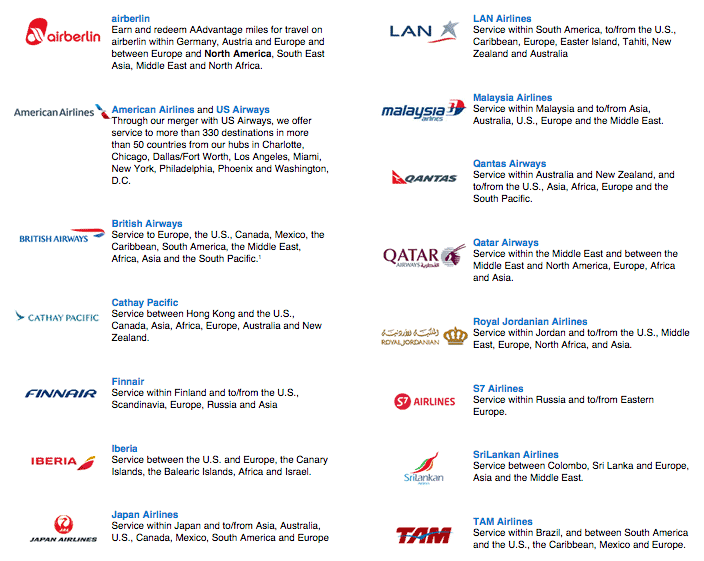
Key Member Airlines: American Airlines shares the Oneworld brand with a prestigious group of carriers, including British Airways, Cathay Pacific, Qantas, Japan Airlines (JAL), Iberia, Finnair, Qatar Airways, Royal Jordanian, S7 Airlines (currently suspended), Malaysia Airlines, SriLankan Airlines, Fiji Airways (Oneworld Connect partner), and Alaska Airlines (which joined in 2021). Each member contributes its unique network strengths, collectively creating an unparalleled global footprint. The addition of Alaska Airlines, a strong West Coast U.S. carrier, significantly bolstered American’s domestic network reach, particularly in competitive markets like Seattle and California, further solidifying its brand presence across North America.
-
Benefits for American’s Brand and Customers: Being part of Oneworld allows American Airlines to leverage a vast, integrated network spanning over 1,000 destinations in more than 170 territories. This means American can market routes to virtually any major global city, even if an American Airlines plane doesn’t fly there directly. The Oneworld brand promise of seamless travel, shared lounge access (over 600 worldwide), and reciprocal frequent flyer benefits (including elite status recognition) significantly elevates the value proposition for American’s customers. For a business traveler, the ability to maintain their elite status benefits—such as priority boarding, extra baggage, and lounge access—no matter which Oneworld airline they fly, is a powerful driver of loyalty to the alliance’s brand, and by extension, to American Airlines. It portrays American as a gateway to the world, backed by a unified standard of service.
Bilateral Joint Ventures: Deeper Brand Integration
Beyond the broad framework of Oneworld, American Airlines engages in deeper, more integrated relationships known as Joint Business Agreements (JBAs) or Joint Ventures (JVs) with select partners. These ventures involve far greater collaboration, often including revenue sharing, coordinated pricing, harmonized schedules, and shared sales and marketing efforts on specific routes or regions. This level of integration aims to present a single “virtual airline” brand experience on those routes.
-
Transatlantic Joint Business: One of American’s most prominent JVs is with its Oneworld partners British Airways, Iberia, and Finnair, covering flights between North America and Europe. This joint venture allows the airlines to coordinate their transatlantic operations as if they were a single entity. From a brand perspective, this means customers booking a flight from, say, Chicago to London on American Airlines might find themselves on a British Airways aircraft, but the booking process, baggage policies, and service standards are largely harmonized. This creates a stronger, more consistent transatlantic brand offering, enhancing reliability and choice for customers. The collective branding under this JV ensures a powerful market presence that is difficult for individual airlines to replicate.
-
Transpacific Joint Business: Similarly, American has a significant joint venture with Japan Airlines (JAL) for transpacific routes. This partnership strengthens American’s access to the crucial Asian market, particularly through JAL’s extensive domestic network in Japan and connections across Asia. For American Airlines, this JV means its brand can offer a competitive and comprehensive travel option to East Asia, leveraging JAL’s strong local brand recognition and operational expertise. This deep integration allows for strategic planning regarding flight timings, connecting flights, and promotional activities, creating a more robust and attractive transpacific product under the American brand umbrella.
-
Latin American Joint Business: While facing some regulatory complexities in the past, American has pursued deeper integration in Latin America with partners like GOL (though the direct JV structure has evolved). The goal remains consistent: to provide a seamless travel experience and expand network reach into vital South American markets. These collaborations are crucial for American Airlines to solidify its brand as a leading carrier for travel to and from Latin America, an historically strong market for the airline.
Codeshare Agreements: Extending the Brand Footprint
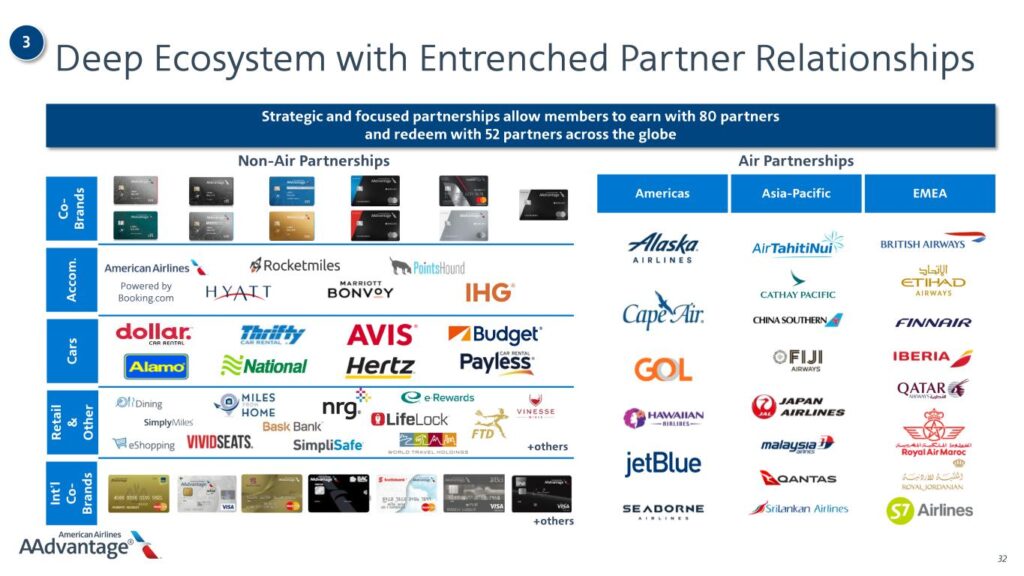
Codeshare agreements are the most flexible form of partnership, allowing airlines to sell seats on each other’s flights using their own flight numbers. While less integrated than JVs or alliances, codeshares are vital for extending American Airlines’ brand reach into specific markets or providing connectivity where full alliance membership or a joint venture isn’t necessary or feasible.
-
How Codeshares Work: When American Airlines codeshares on a partner’s flight, its own flight number (e.g., AA1234) is placed on a flight operated by the partner airline. This allows American to market and sell tickets to destinations it doesn’t serve directly, appearing to customers as part of American’s own network.
-
Examples: Beyond Oneworld, American has codeshare agreements with various regional carriers and some international airlines for specific routes. For example, before joining Oneworld, Alaska Airlines had a substantial codeshare relationship with American, providing vital connectivity on the U.S. West Coast. These agreements allow American to fill gaps in its network and provide more comprehensive itinerary options to its customers, all while reinforcing the perception of a broad and capable network under the American Airlines brand.
-
Brand Perception: Codeshares are strategic for American Airlines’ brand because they convey an extensive network without the full operational and financial commitments of a deeper alliance. Customers see the American Airlines flight number, instinctively associating the journey with American’s brand standards, even if flying on a different aircraft. This extends brand visibility and choice, making American Airlines a more attractive option for travelers with diverse destination needs.
The Impact of Partnerships on American’s Brand Equity
The cumulative effect of these partnerships on American Airlines’ brand equity is profound, touching upon global presence, customer experience, and competitive differentiation.
Strengthening Global Presence and Perception
Through its comprehensive network of alliances and partnerships, American Airlines significantly enhances its image as a truly global carrier. This perception is crucial in an industry where travelers often seek carriers that can facilitate complex international itineraries. When a customer considers American Airlines, they are not just evaluating its direct routes but the entire Oneworld network, the joint venture connections, and the codeshare possibilities. This broad accessibility elevates American’s brand from a primarily domestic or North American carrier to a powerful international entity, capable of connecting passengers to virtually any corner of the world. This global projection is a powerful brand asset, appealing to a wider demographic of travelers and business clients.
Differentiating the Customer Experience
In a commoditized industry like air travel, differentiation is key to brand loyalty. American Airlines’ partnerships allow it to differentiate its customer experience by offering enhanced connectivity, streamlined transfers, and a consistent loyalty program across a vast network. This “seamless journey” proposition, facilitated by alliances, sets American apart from carriers with more limited partnership networks. The ability for a customer to book a single itinerary, check baggage once, and earn miles consistently across multiple world-class airlines provides a tangible benefit that reinforces American’s brand as customer-centric and convenient. This integrated experience forms a core part of American’s brand promise, driving preference and repeat business.
Navigating Competitive Landscapes Through Collaboration
The airline industry is fiercely competitive, with carriers constantly vying for market share, premium passengers, and strategic routes. Partnerships allow American Airlines to navigate this landscape more effectively. By collaborating with other strong brands, American can collectively offer a more compelling product than any single airline could alone, particularly on long-haul international routes where competition is intense. This collective strength helps American compete more effectively against other major alliances (Star Alliance, SkyTeam) and standalone mega-carriers. The joint ventures, in particular, enable American and its partners to present a unified front on key routes, optimizing capacity and pricing strategies to gain a competitive edge. This strategic collaboration is a powerful brand defense mechanism, ensuring American Airlines remains a dominant force in key global markets.
Challenges and Future Directions in Airline Branding Through Partnerships
While beneficial, partnerships also present unique challenges for brand management and require continuous adaptation.
Maintaining Brand Consistency Across Partners
One of the most significant challenges for American Airlines in its partnership strategy is maintaining a consistent brand experience across diverse partners. Each airline has its own service standards, corporate culture, and brand guidelines. Ensuring that an American Airlines customer flying on a British Airways or Japan Airlines segment receives a consistent level of service, or at least a predictable and positive experience, is paramount. Inconsistencies can dilute the American Airlines brand and erode customer trust. Therefore, close collaboration on customer service training, product offerings, and communication standards is essential to uphold the American Airlines brand promise, even when the customer is not physically on an American aircraft.
Adapting to Evolving Market Dynamics and Regulations
The airline industry is constantly evolving, influenced by geopolitical shifts, economic fluctuations, technological advancements, and changing regulatory environments. American Airlines’ partnership brand strategy must be agile enough to adapt. For instance, regulatory approval for joint ventures can be complex and lengthy, as seen with some past proposed Latin American JVs. Similarly, geopolitical events can impact specific routes or partner relationships. The brand must be flexible to absorb these changes while maintaining its core value proposition. This might involve restructuring alliances, forging new bilateral agreements, or adapting marketing messages to reflect new realities.
The Future of Airline Alliances and Brand Co-creation
Looking ahead, the future of airline partnerships will likely involve even deeper integration and potentially new models of “brand co-creation.” As technology advances, seamless digital integration across partners—from booking interfaces to real-time information sharing and personalized services—will become even more critical for delivering a truly unified brand experience. We may see more fluid partnerships tailored to specific market needs, alongside the mega-alliances. For American Airlines, continuously evaluating its partner portfolio and ensuring these relationships effectively enhance its brand equity will be an ongoing strategic imperative. The ability to innovate within these partnerships, perhaps even co-creating new services or products that are jointly branded, could offer a significant competitive advantage.
Conclusion: Partnerships as Pillars of American Airlines’ Brand Strategy
For American Airlines, partnerships are far more than logistical arrangements; they are indispensable elements of its brand strategy. From the global reach afforded by the Oneworld Alliance to the deep integration of joint ventures and the flexible expansion of codeshares, these collaborations allow American to project a powerful, globally connected brand image. They enhance customer value, expand market share, and provide critical competitive differentiation in a crowded marketplace.
Effectively managing these intricate relationships, ensuring brand consistency, and adapting to a dynamic industry landscape are ongoing challenges. However, by strategically leveraging its partners, American Airlines reinforces its brand as a leader in global aviation, committed to delivering a comprehensive and seamless travel experience that extends far beyond the reach of its own wings. These alliances are not just about flying planes; they are about building a more expansive, resilient, and appealing brand for the future of travel.
aViewFromTheCave is a participant in the Amazon Services LLC Associates Program, an affiliate advertising program designed to provide a means for sites to earn advertising fees by advertising and linking to Amazon.com. Amazon, the Amazon logo, AmazonSupply, and the AmazonSupply logo are trademarks of Amazon.com, Inc. or its affiliates. As an Amazon Associate we earn affiliate commissions from qualifying purchases.