
The television landscape has undergone a radical transformation over the last decade. The era of restrictive cable contracts and expensive monthly hardware rentals is rapidly being replaced by a sophisticated ecosystem of digital streaming technologies. For consumers asking how to watch live TV for free, the answer lies at the intersection of hardware innovation, software aggregation, and the rise of FAST (Free Ad-supported Streaming TV) platforms. Transitioning away from traditional pay-TV does not mean sacrificing the experience of “linear” television—the ability to flip through channels and watch broadcasts in real-time. Instead, it involves leveraging modern internet protocols and digital signal processing to access a wealth of content at no cost.
The Rise of FAST Services: The Engine of Free Live Streaming
At the heart of the free live TV revolution is the FAST model. Unlike subscription video-on-demand (SVOD) services like Netflix or Disney+, FAST platforms provide a traditional linear viewing experience supported entirely by advertising revenue. This technological shift has allowed media conglomerates to digitize their vast libraries and broadcast them over the internet using advanced streaming codecs.
Understanding the FAST Architecture
FAST platforms operate by using server-side ad insertion (SSAI) technology. This allows the service provider to stitch advertisements directly into the video stream, creating a seamless viewing experience that mimics traditional broadcast television but with the precision of digital targeting. When you tune into a live channel on a free service, the backend infrastructure is dynamically managing the data packets to ensure low-latency delivery, which is crucial for live events like news and sports.
Major Players in the FAST Ecosystem
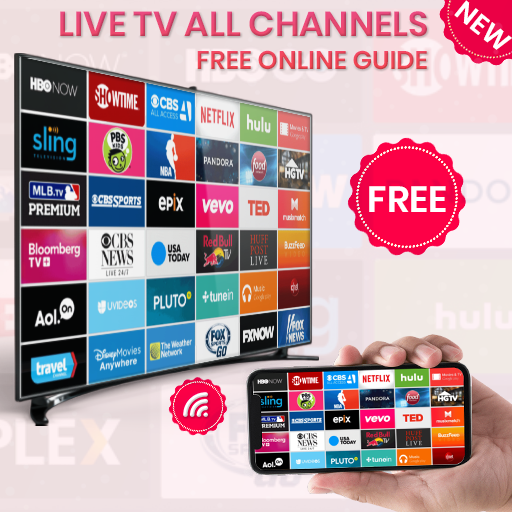
Several tech-heavy platforms currently dominate this space. Pluto TV, owned by Paramount Global, is perhaps the most well-known. It utilizes a grid-based Electronic Program Guide (EPG) that is instantly familiar to anyone who has used a cable box. Technically, Pluto TV functions as a massive aggregator, pulling from hundreds of individual data feeds to populate its “channels.”
Similarly, Tubi TV (owned by Fox Corporation) and The Roku Channel have expanded their libraries to include live linear feeds. These platforms rely on robust Content Delivery Networks (CDNs) to distribute high-definition video to millions of concurrent users without the stuttering or buffering issues that plagued early internet video. By leveraging these apps, users can access 24/7 news, weather, and specialized entertainment channels without a credit card or login requirement.
Over-the-Air (OTA) Technology: The Digital Antenna Resurgence
While internet-based streaming is the most popular method for free TV, the most reliable and highest-quality method remains Over-the-Air (OTA) broadcasting. Modern digital antennas are a far cry from the “rabbit ears” of the analog age. Today’s OTA technology utilizes the ATSC (Advanced Television Systems Committee) standards to deliver uncompressed high-definition signals directly to your television’s built-in tuner.
The Physics of Digital Signal Reception
The primary advantage of OTA technology is the lack of data compression. Cable and satellite providers often “crunch” video signals to save bandwidth, leading to artifacts and loss of detail. An OTA signal, however, is often the purest version of the broadcast available. To tap into this, users need a digital antenna capable of receiving both VHF (Very High Frequency) and UHF (Ultra High Frequency) signals. The tech behind these antennas involves specialized geometry designed to resonate with specific broadcast frequencies, which are then converted by the TV’s internal digital-to-analog converter (DAC) into the image on the screen.
NextGen TV: The ATSC 3.0 Standard
The most significant technological advancement in live TV is ATSC 3.0, also branded as “NextGen TV.” This is the first major overhaul of the broadcast standard in decades. It merges broadcast airwaves with broadband internet. ATSC 3.0 supports 4K Ultra HD resolution, High Dynamic Range (HDR), and immersive Dolby AC-4 audio. Crucially for the mobile era, it is designed to be received by moving vehicles and portable devices, solving many of the signal-drop issues associated with the older ATSC 1.0 standard. Watching live TV for free using an ATSC 3.0 tuner provides a viewing experience that rivals or exceeds the most expensive premium streaming services.
Network Integration via Network Tuners
For those who want free OTA TV but don’t want to run a coaxial cable to every television in the house, devices like HDHomeRun or Tablo provide a sophisticated hardware solution. These gadgets act as network-attached tuners. You plug the antenna into the device, and the device connects to your home Wi-Fi router. It then transcodes the raw broadcast signal and streams it over your local network to any device—smartphones, tablets, or smart TVs—equipped with the corresponding app. This creates a “private” streaming service within your home, powered by free public airwaves.
Software Aggregators and Smart TV Ecosystems
The software layer is where the “free TV” experience becomes truly user-friendly. Most modern smart TVs come pre-installed with software designed to aggregate live content from various free sources into a single, unified interface.
Integrated Manufacturer Apps
Brands like Samsung, LG, and Vizio have developed proprietary software—Samsung TV Plus, LG Channels, and Vizio WatchFree+—that integrates directly into the television’s operating system. These are not just apps but are often “input-level” integrations. When you turn on a Samsung TV, for instance, the TV Plus service can automatically begin playing a live news feed. Technically, these services function by licensing content streams and presenting them through a custom API (Application Programming Interface) that manages the EPG and the video player.
Third-Party Software and Media Servers
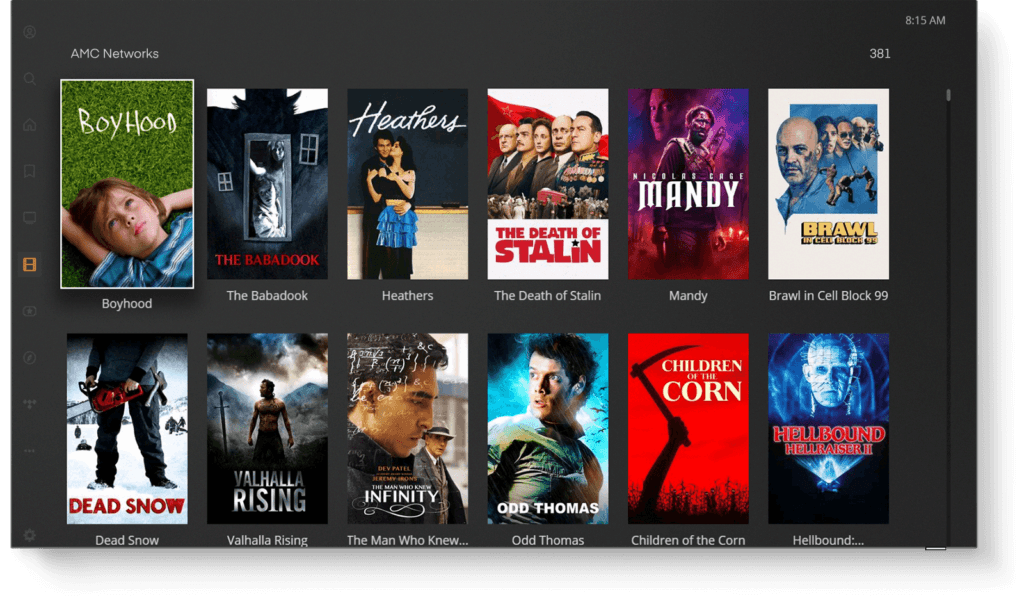
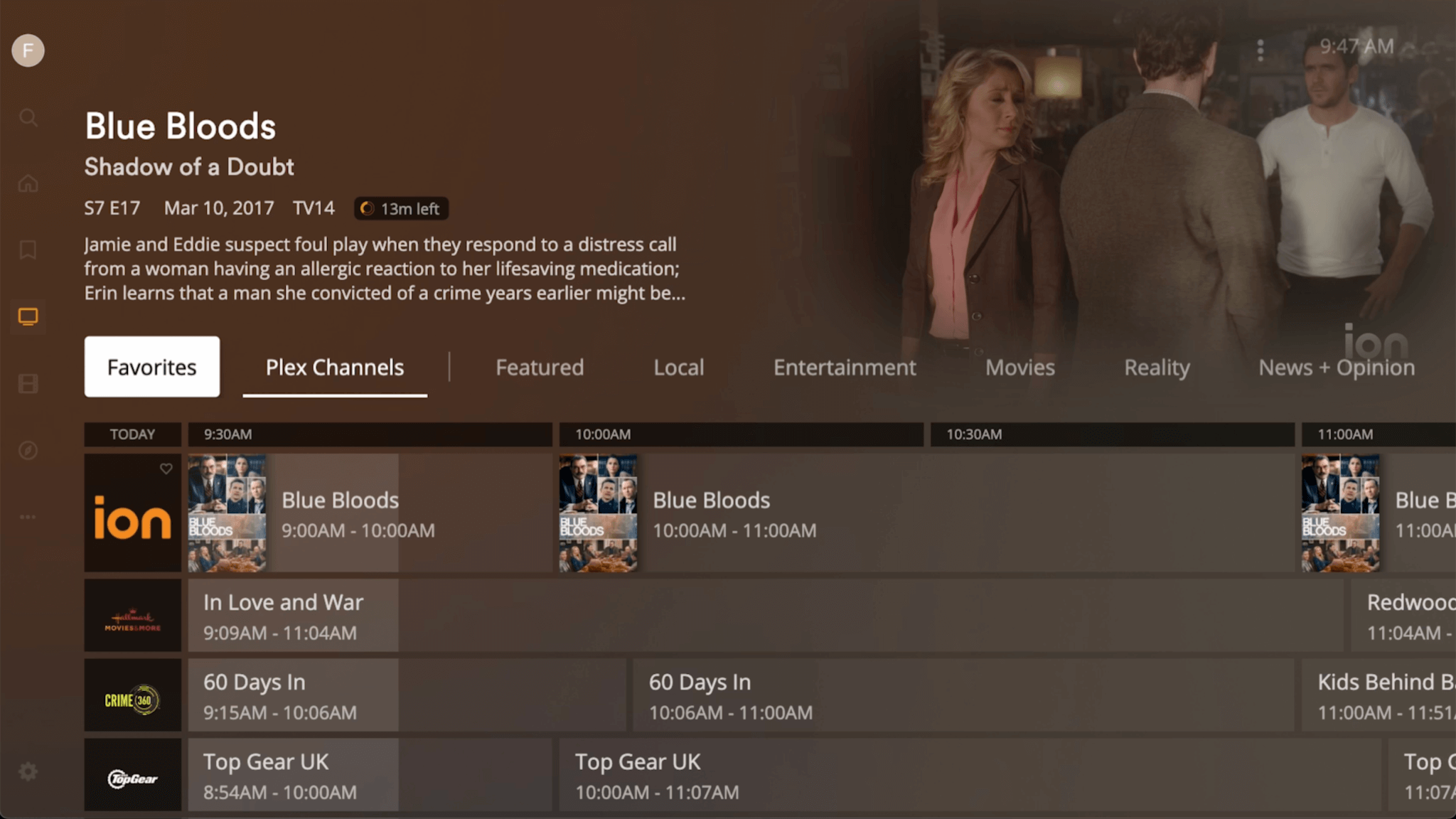
For power users, software like Plex offers a robust way to watch live TV for free. While Plex is primarily known for personal media organization, it has expanded significantly into the FAST space. It aggregates hundreds of live channels and, if paired with a digital tuner and antenna, can even serve as a Digital Video Recorder (DVR). The technical sophistication of Plex lies in its ability to organize metadata, providing posters, synopses, and cast lists for live broadcasts in real-time.
Another notable software solution is Kodi, an open-source media player. While it requires more technical configuration, Kodi allows users to install “add-ons” that can pull in legal, free live streams from public broadcasters around the world. By configuring PVR (Personal Video Recorder) clients within Kodi, users can create a highly customized live TV dashboard that rivals professional-grade equipment.
Digital Security and Optimization for Free Streaming
Streaming live TV requires a stable and secure digital environment. Because free services rely on data-heavy streams, optimizing your home network is essential for a high-quality experience.
Bandwidth Management and Codecs
Live TV is particularly sensitive to “jitter” and latency. Most free streaming services use H.264 (AVC) or the more efficient H.265 (HEVC) codecs. These technologies compress video data to make it manageable for home internet connections while maintaining visual fidelity. To ensure a smooth experience, a minimum download speed of 5 Mbps is recommended for High Definition (720p or 1080p), while 4K streaming requires 25 Mbps or more. Using a wired Ethernet connection instead of Wi-Fi can significantly reduce packet loss, ensuring that live sports or news broadcasts don’t skip or lag during critical moments.
Privacy and Digital Hygiene
While the services mentioned—Pluto, Tubi, and manufacturer apps—are entirely legal and safe, users should remain mindful of digital security. Free services often track viewing habits to serve targeted advertisements. Utilizing a reputable VPN (Virtual Private Network) can provide an additional layer of security, though it is important to choose a provider with high-speed servers to avoid throttling your stream. Furthermore, users should ensure their smart TV firmware and streaming apps are regularly updated to patch security vulnerabilities and improve the efficiency of video decoding.
The Future of Free Live TV Technology
The trajectory of free live TV is pointed toward greater personalization and higher technical standards. We are seeing the integration of AI-driven recommendation engines into free platforms, which analyze viewing patterns to curate “virtual channels” tailored to individual users. This means your free TV experience will become increasingly unique, surfacing live content that matches your specific interests without the need for manual searching.
Furthermore, as 5G technology matures, the ability to stream high-quality live TV on the go will become even more seamless. The high throughput and low latency of 5G networks are perfectly suited for the demands of live video, potentially making “free TV” a truly ubiquitous utility that exists beyond the living room.
In conclusion, watching live TV for free in the modern era is a matter of utilizing the right combination of hardware and software. Whether you are deploying a high-gain digital antenna to capture ATSC 3.0 signals or navigating the vast array of FAST channels on a smart TV, the technology exists to provide a premium viewing experience without a subscription fee. By understanding the underlying protocols—from SSAI in streaming apps to the physics of OTA reception—consumers can take full control of their digital media consumption.
aViewFromTheCave is a participant in the Amazon Services LLC Associates Program, an affiliate advertising program designed to provide a means for sites to earn advertising fees by advertising and linking to Amazon.com. Amazon, the Amazon logo, AmazonSupply, and the AmazonSupply logo are trademarks of Amazon.com, Inc. or its affiliates. As an Amazon Associate we earn affiliate commissions from qualifying purchases.