
London, a global nexus for business, culture, and tourism, represents one of the world’s most competitive and strategically vital aviation markets. For airlines, securing and maintaining routes to London’s six major airports is not merely about logistics; it is a critical component of their brand strategy, market positioning, and global network reach. Understanding “what airlines fly to London” is fundamentally about dissecting the branding landscape of international aviation and recognizing the distinct identities and value propositions each carrier brings to this dynamic hub.
London’s Air Hubs: A Strategic Imperative for Global Brands
The sheer volume and diversity of airlines serving London are a testament to the city’s unparalleled importance as an aviation destination. London is uniquely served by six international airports, each attracting a distinct portfolio of airline brands based on their operational models, target demographics, and brand positioning:
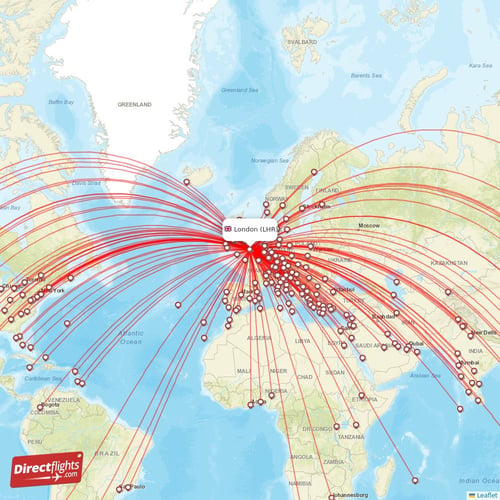
Heathrow Airport (LHR): The Premium Global Gateway
Heathrow is arguably the crown jewel for full-service, long-haul airline brands. As the UK’s largest and busiest airport, it commands premium slots and attracts global flag carriers that prioritize international connectivity, extensive lounge facilities, and a seamless transfer experience. Brands like British Airways (its primary hub), Virgin Atlantic, American Airlines, United Airlines, Delta Air Lines, Emirates, Qatar Airways, Singapore Airlines, Lufthansa, Air France, and Cathay Pacific strategically position themselves here to capture high-value business travelers and premium leisure segments. Their marketing often emphasizes luxury, global reach, and superior in-flight service, aligning with Heathrow’s upscale brand image. Securing a presence at Heathrow is a powerful statement of an airline’s global ambition and brand prestige.
Gatwick Airport (LGW): A Diverse Market for Full-Service and Leisure Brands
Gatwick, London’s second-largest airport, offers a more diverse mix. While it hosts some full-service carriers like British Airways (for certain routes), it is a significant base for leisure-focused airlines and budget carriers looking for extensive European and some long-haul options. Brands such as easyJet, TUI Airways, Norwegian Air Shuttle (historically), and various package holiday operators leverage Gatwick’s capacity to offer competitive fares and direct routes to popular holiday destinations. Its brand identity is often associated with accessibility and a wider range of price points, appealing to a broader consumer base seeking value and convenience without compromising on destination choice.
Stansted Airport (STN): The Low-Cost Powerhouse
Stansted is almost exclusively dominated by low-cost carriers, with Ryanair being the most prominent brand. Its operational model is optimized for rapid turnarounds and high-volume, short-haul traffic. Airlines flying into Stansted primarily target price-sensitive travelers, offering no-frills services. The brand messaging here revolves around affordability, extensive route networks across Europe, and direct connections to secondary cities. For budget airlines, Stansted provides cost efficiencies that enable their low-fare brand promise, serving as a critical gateway for a demographic primarily concerned with the lowest possible ticket price.
Luton Airport (LTN): A Niche for European Budget Travel
Similar to Stansted, Luton is another stronghold for low-cost airlines, with easyJet and Wizz Air having significant operations. These brands capitalize on Luton’s convenient location north of London to serve a similar market to Stansted, focusing on European city breaks and holiday routes. The branding emphasizes ease of access, punctuality, and a strong value proposition for short-to-medium haul travel. It caters to a distinct segment of travelers who prioritize direct flights and cost-effectiveness over premium services.
London City Airport (LCY): The Business Jet Set’s Choice
London City Airport, with its short runway and proximity to the financial district, caters to a very specific, high-value business traveler demographic. Its operational constraints mean it primarily hosts smaller jets and regional aircraft. British Airways (with its CityFlyer brand), Swiss International Air Lines, Lufthansa, and KLM are key brands here, offering swift, convenient connections to European business centers. The branding at LCY is all about efficiency, speed, and premium service tailored for the time-sensitive corporate traveler. Its unique value proposition supports a brand identity focused on executive convenience and direct city-to-city connections.
The Major Players: Brand Powerhouses Connecting the World to London
The landscape of airlines flying to London is dominated by a few global brand powerhouses, each employing sophisticated brand strategies to capture market share across different segments.
IAG Group: British Airways and Vueling
As the UK’s flag carrier, British Airways (part of the International Airlines Group – IAG) is synonymous with London. Its brand strategy leverages its heritage, extensive global network, and full-service offering across Heathrow, Gatwick, and London City. BA positions itself as a premium carrier, emphasizing customer service, loyalty programs (Executive Club), and a consistent global brand experience. Vueling, another IAG subsidiary, operates from Gatwick and Luton, focusing on leisure and short-haul European routes with a more budget-friendly, yet still full-service-lite, brand identity. The synergy within IAG allows for comprehensive market coverage, from luxury long-haul to affordable European travel.
Virgin Atlantic: The Challenger Brand with Distinctive Flair
Virgin Atlantic has carved out a unique brand identity, positioning itself as a stylish, innovative, and customer-centric alternative to traditional legacy carriers. Primarily operating long-haul routes from Heathrow and Gatwick, Virgin Atlantic appeals to travelers seeking a more distinctive and less conventional premium experience. Their brand messaging consistently highlights flair, personalized service, and a modern fleet, aiming to foster strong brand loyalty through emotional connection rather than just price or network size.
North American Giants: American, United, Delta
Major US carriers like American Airlines, United Airlines, and Delta Air Lines maintain significant presences at Heathrow, leveraging their brand strength and extensive domestic networks to funnel passengers to London. Their brand strategies revolve around seamless transatlantic connectivity, robust loyalty programs (AAdvantage, MileagePlus, SkyMiles), and a consistent product offering across their global routes. They often partner with European airlines through alliances to extend their brand reach and provide a broader array of connecting options, emphasizing reliability and comprehensive service for both business and leisure travelers.
Middle Eastern Big Three: Emirates, Qatar Airways, Etihad Airways
These carriers have redefined premium air travel, establishing powerful global brands synonymous with luxury, exceptional service, and state-of-the-art aircraft. All three fly to London (primarily Heathrow, with Emirates also serving Gatwick and Stansted), attracting a significant proportion of long-haul transfer passengers as well as UK-originating traffic. Their brand narrative focuses on aspirational travel, opulent cabins, extensive in-flight entertainment, and connection to their strategically located hubs, making them compelling choices for those seeking a premium experience beyond just point-to-point travel.
European Carriers and Budget Brands: Expanding London’s Reach and Choice
Beyond the major global players, London’s airports are bustling with numerous European full-service and budget airlines, each with a defined brand strategy to capture specific market segments.
Legacy European Airlines: Lufthansa, Air France, KLM, SWISS
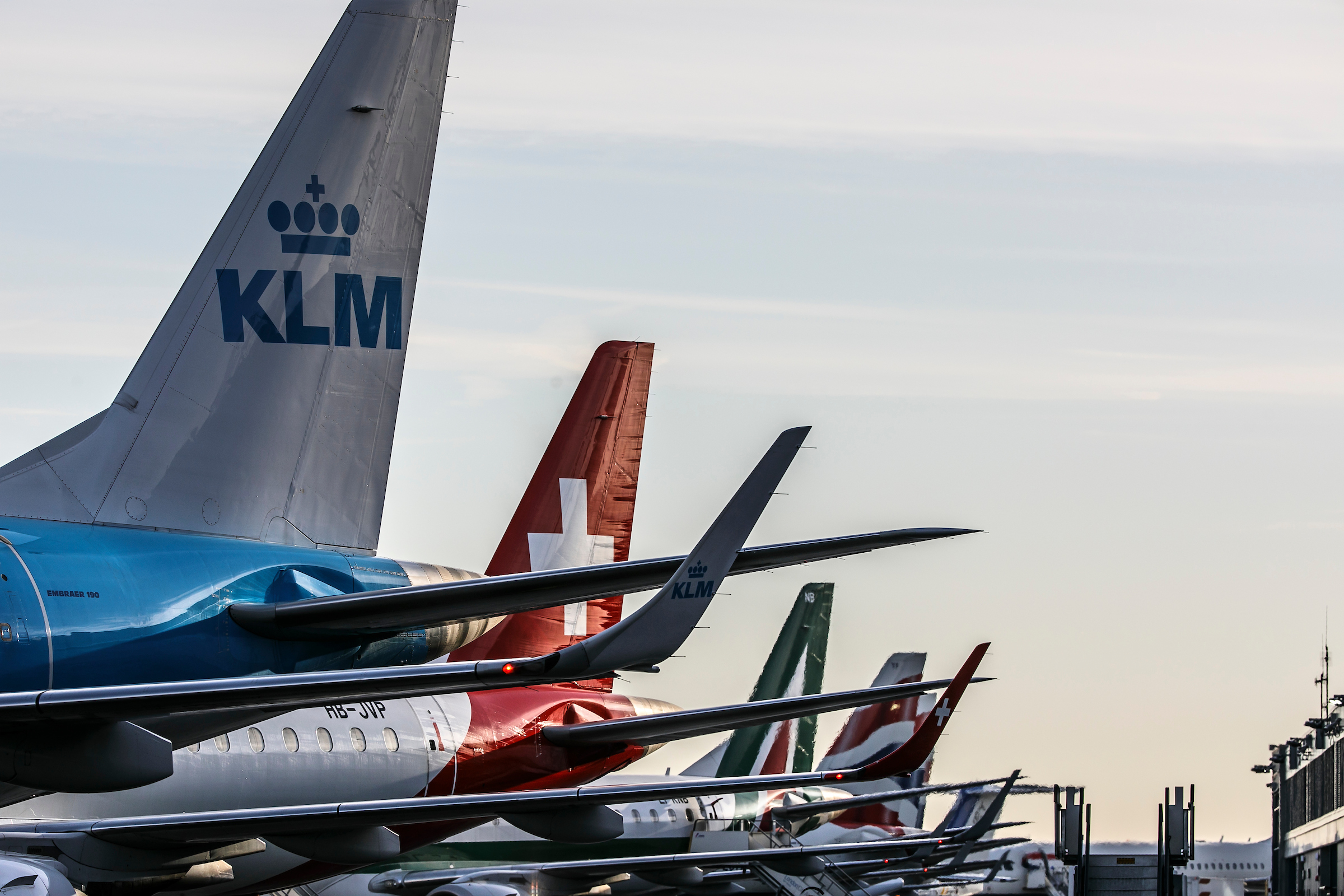
These national flag carriers (part of larger airline groups like Lufthansa Group and Air France-KLM) maintain strong brand presences at Heathrow and London City, offering extensive connections to their respective hubs and beyond. Their brand strategy emphasizes reliability, network breadth, and a consistent level of service, often targeting business travelers and those seeking onward connections throughout Europe and the rest of the world. They leverage their alliance memberships (Star Alliance, SkyTeam) to extend their brand’s perceived reach and offer integrated travel experiences.
Low-Cost Powerhouses: Ryanair, easyJet, Wizz Air
These airlines represent the quintessential budget brands operating across multiple London airports (Stansted, Gatwick, Luton). Their brand identities are built entirely on cost-effectiveness, offering competitive base fares by unbundling services. Ryanair’s brand is audacious and direct, focused on price leadership and extensive point-to-point routes. easyJet positions itself as a slightly more ‘mainstream’ low-cost carrier, appealing to a broader demographic with a focus on convenience and a relatively modern fleet. Wizz Air targets the Eastern European market, offering specialized routes and a strong value proposition for this segment. Their marketing consistently highlights affordability and accessibility, fundamentally changing how a significant portion of the population accesses air travel to and from London.
Niche and Regional Brands: Aer Lingus, Loganair, Vueling
London also sees a variety of more niche or regional brands. Aer Lingus, the Irish flag carrier, connects London with Ireland, leveraging its distinct Irish brand identity. Loganair focuses on UK regional connectivity, offering vital links to Scotland and the islands. Vueling, an IAG subsidiary, provides budget-friendly connections to Spain and other European destinations from Gatwick and Luton. These brands illustrate how specific market needs and geographical focus can carve out successful niches within the broader London aviation landscape, demonstrating the versatility of brand application in a crowded market.
Brand Strategy on the London Route: Competition and Differentiation
The sheer volume of airlines serving London necessitates highly refined brand strategies focused on differentiation and targeted marketing. Airlines don’t just fly to London; they meticulously craft their brand identity to resonate with specific passenger segments.
Service Differentiation and Premium Branding
For full-service carriers, the London routes are a battlefield for premium services. Brands invest heavily in showcasing their First and Business Class cabins, exclusive lounges, gourmet dining, and personalized service. British Airways’ “To Fly. To Serve.” motto, Emirates’ A380 experience, and Virgin Atlantic’s Upper Class cabin are all meticulously branded offerings designed to appeal to high-value travelers willing to pay for an elevated experience. Loyalty programs like the Executive Club, SkyMiles, and AAdvantage are critical brand extension tools, fostering repeat business and emotional attachment through tiered benefits and exclusive access.
Value Proposition and Budget Branding
At the other end of the spectrum, budget airlines have mastered the art of value-driven branding. Ryanair’s provocative marketing and consistent focus on the lowest fares, easyJet’s orange branding signifying accessibility and modern simplicity, and Wizz Air’s appeal to specific demographic segments all demonstrate effective brand positioning. Their strategies involve clear communication of unbundled fares, efficient operations, and extensive European networks, appealing to price-sensitive leisure travelers and those on short business trips where cost is paramount.
Digital Experience and Brand Loyalty
In today’s digital age, an airline’s brand extends far beyond the physical aircraft. The online booking experience, mobile apps, social media engagement, and real-time communication are integral to shaping brand perception. Airlines vie for customer loyalty through seamless digital journeys, personalized offers, and responsive customer service channels. A strong digital brand presence can significantly influence booking decisions, particularly for the modern traveler who expects convenience and instant access to information.

Sustainability and Corporate Social Responsibility
Increasingly, airlines are integrating sustainability into their brand narratives. Carriers flying to London are aware of growing passenger concerns about environmental impact. Brands that can credibly demonstrate commitments to reducing emissions, investing in sustainable aviation fuels, or supporting community initiatives are beginning to differentiate themselves, appealing to a growing segment of environmentally conscious travelers. This aspect of branding is becoming a significant factor in corporate identity and consumer choice.
Ultimately, the answer to “what airlines fly to London” is a dynamic mosaic of global and regional brands, each meticulously crafted to capture a specific segment of the market. From the luxury long-haul experience offered by premium carriers at Heathrow to the hyper-efficient budget travel facilitated by low-cost airlines at Stansted, every airline brand contributes to making London one of the world’s most connected and competitively branded aviation hubs.
aViewFromTheCave is a participant in the Amazon Services LLC Associates Program, an affiliate advertising program designed to provide a means for sites to earn advertising fees by advertising and linking to Amazon.com. Amazon, the Amazon logo, AmazonSupply, and the AmazonSupply logo are trademarks of Amazon.com, Inc. or its affiliates. As an Amazon Associate we earn affiliate commissions from qualifying purchases.