
The decision of when a child should begin their formal education is often discussed in terms of social readiness and academic milestones. However, from a personal finance and wealth management perspective, the question of “what age to start kindergarten” carries significant economic weight. For many families, this transition represents one of the most substantial shifts in a household budget—moving from the high-cost era of private childcare into the structured world of primary education.
Strategically timing this entry is not merely a developmental choice; it is a financial maneuver that impacts liquid cash flow, long-term investment horizons, and even the future earning potential of the student. By analyzing the “kindergarten start age” through the lens of financial planning, families can better navigate the complexities of educational savings, tax advantages, and the opportunity costs associated with early childhood milestones.

The Economic Transition: Moving from Childcare to the Kindergarten Milestone
For most working families, the years preceding kindergarten are the most expensive in terms of monthly cash flow. The “childcare cliff” refers to the period where parents are paying peak rates for daycare or nannies. The transition to kindergarten often provides a massive “raise” to the household budget, but how that surplus is managed determines the family’s long-term financial health.
Analyzing the “Childcare Cliff” and Cash Flow Reallocation
In many urban markets, the cost of full-time childcare can rival or exceed a monthly mortgage payment. When a child reaches the age to start kindergarten—typically five or six—a significant portion of that expense is suddenly liberated. From a personal finance perspective, this is a critical juncture. Rather than allowing this “found money” to disappear into lifestyle creep, savvy investors view this as the moment to aggressively pivot toward long-term wealth vehicles. Reallocating $1,500 to $2,500 a month from daycare fees into a diversified portfolio can create a massive compounding effect over the subsequent thirteen years of schooling.
Evaluating the Cost Differences: Public vs. Private Kindergarten
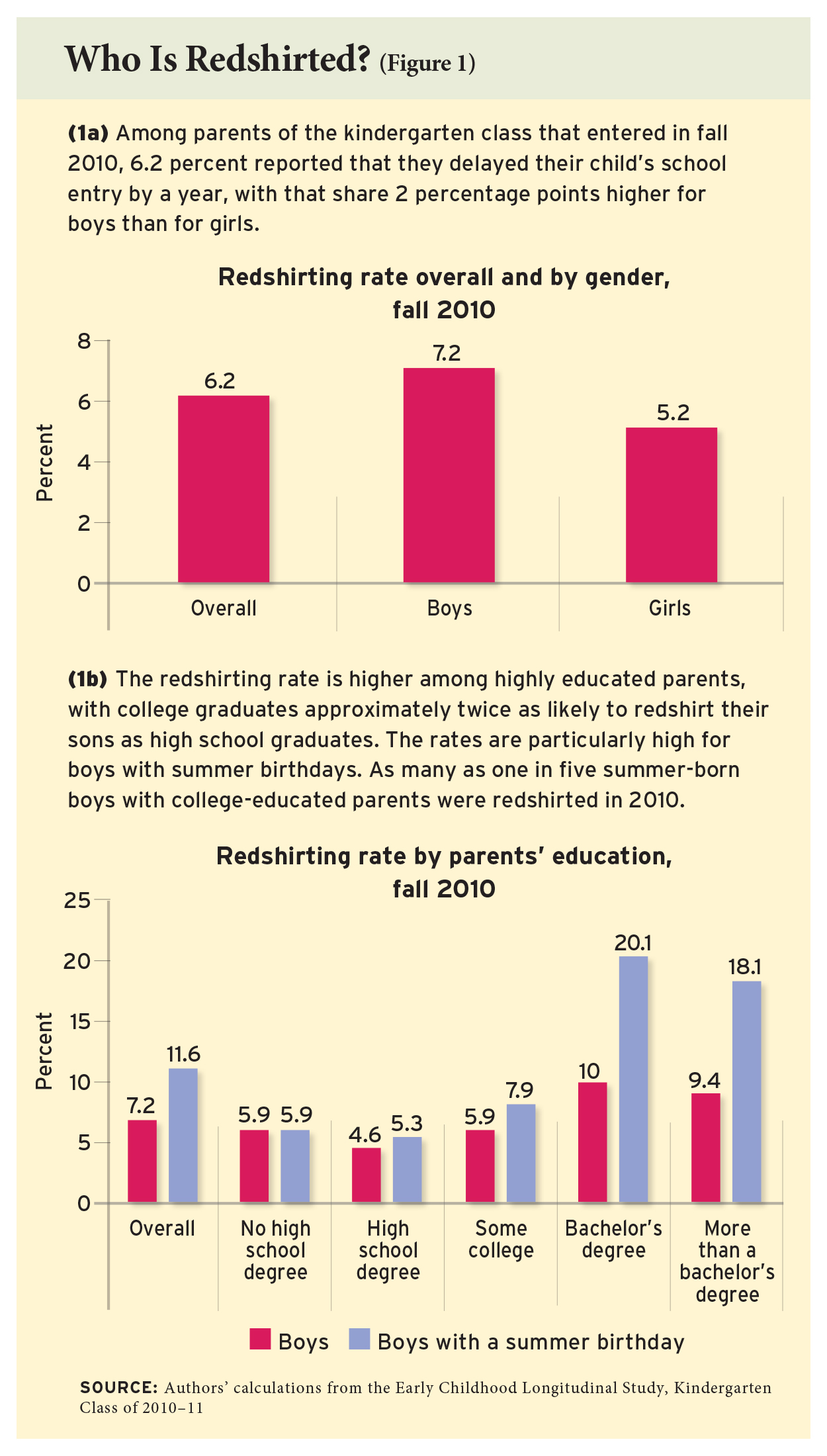
The age at which a child starts kindergarten also dictates the start of tuition payments if a family opts for private education. Private kindergarten tuition can vary wildly, often mirroring the costs of elite universities. When calculating the financial viability of a private start, parents must consider the “all-in” cost, which includes registration fees, uniforms, and mandatory fundraising contributions. If a child is “redshirted”—held back a year to start at age six instead of five—the family may face an additional year of high-cost private preschool, representing a significant capital outlay that could have otherwise remained invested in the market.
Strategic Investing: When to Start an Educational Savings Plan
The question of “what age to start kindergarten” is inextricably linked to the question of when to start saving for it. In the world of personal finance, the answer is almost always “as soon as the Social Security number is issued.” The timeline between birth and the start of kindergarten is a five-year window that serves as a high-growth runway for educational investments.
The Power of Compound Interest in 529 Plans
The 529 College Savings Plan is one of the most potent financial tools available to parents. While primarily designed for higher education, recent legislative changes have expanded its utility, allowing for limited withdrawals for K-12 tuition. By starting a 529 plan at birth, parents benefit from five years of tax-free growth before the child even reaches the age to start kindergarten. If the family chooses a public route for kindergarten, those five years of growth act as a foundational layer that will continue to compound until the child reaches eighteen. The difference between starting at birth versus starting at age five can result in tens of thousands of dollars in delta by the time the child graduates high school.
Alternative Investment Vehicles: Custodial Accounts (UTMA/UGMA)
For families who want more flexibility than a 529 plan provides, Uniform Transfers to Minors Act (UTMA) or Uniform Gifts to Minors Act (UGMA) accounts offer a way to build wealth in the child’s name. Unlike 529s, these are not limited to educational expenses. Starting these accounts when a child is an infant allows parents to gift assets—up to the annual gift tax exclusion—creating a “kindergarten fund” that can eventually evolve into a first-home fund or a business startup fund. However, investors must be mindful of the “kiddie tax” rules and the impact these assets may have on future financial aid eligibility.
The Opportunity Cost of “Redshirting”: An Economic Analysis

“Redshirting,” or the practice of delaying a child’s entry into kindergarten until age six, is a popular trend aimed at giving children a competitive edge. While the pedagogical benefits are debated, the economic implications are clear. Delaying the start of a child’s education has a ripple effect that extends forty years into the future.
The Impact on Long-Term Career Earnings
From a macro-economic perspective, a child who starts kindergarten at age six will likely enter the professional workforce one year later than a child who starts at age five. This “lost year” of professional earnings at the end of a career is often the most expensive year to lose. In high-earning trajectories—such as law, medicine, or executive management—the final year of a career is typically the one with the highest salary. By delaying the start of kindergarten, parents are essentially choosing to trade a year of senior-level executive pay (adjusted for 40 years of inflation) for an extra year of early childhood play.
Balancing Social Readiness with Financial Milestones
While financial considerations are paramount, they must be balanced against the risk of educational failure. If a child starts kindergarten at age five but is not emotionally or cognitively ready, the financial cost of remedial tutoring, specialized private schooling, or repeated grades can far outweigh the cost of an extra year of preschool. In this context, “financial readiness” for kindergarten involves an honest assessment of the child’s development to avoid “sunken costs” in an educational environment that isn’t a fit.
Budgeting for the Hidden Costs of School-Age Children
Many parents assume that once a child reaches the age to start kindergarten, the financial burden of child-rearing will plummet. While the baseline cost of “daycare” disappears, it is often replaced by a series of “hidden” school-age expenses that can erode a household budget if not properly forecasted.
After-School Programs and the “Gap” Expense
The standard school day typically ends at 3:00 PM, while the standard workday ends at 5:00 PM or 6:00 PM. This “gap” requires a financial solution. Whether it is a formal after-school program, a part-time nanny, or an enrichment center, the cost of “wraparound care” can still represent a significant monthly line item. When planning for the kindergarten transition, families must factor in these costs to ensure their cash flow remains positive.
Technology and Infrastructure Requirements
The modern kindergarten experience is no longer just about crayons and paper. Digital literacy is a core component of the 21st-century curriculum. Parents must budget for hardware—tablets or laptops—as well as high-speed internet and educational software subscriptions. Furthermore, the “kindergarten start” often triggers a change in transportation needs, potentially requiring a second vehicle or the costs associated with busing and carpooling. These capital expenditures should be integrated into the family’s annual financial plan well before the first day of school.
Integrating Kindergarten Planning into Your Total Financial Portfolio
The age at which a child starts kindergarten should not be viewed in a vacuum. It is a milestone that interacts with retirement planning, tax strategy, and estate management.
Adjusting Retirement Goals vs. Education Funding
One of the cardinal rules of personal finance is that you can borrow for school, but you cannot borrow for retirement. As parents reach the kindergarten milestone, they often feel pressured to prioritize education savings over their 401(k) or IRA contributions. However, a holistic financial strategy suggests that the “savings surplus” gained from ending full-time daycare should first be used to maximize employer-matched retirement accounts. Only after the retirement “foundation” is secure should the excess be channeled into 529 plans or other educational vehicles.
Tax Strategies for Families with School-Aged Students
The transition to kindergarten changes a family’s tax profile. The Child and Dependent Care Tax Credit remains relevant for after-school care, but the qualifications and limits may shift as the child ages. Additionally, high-net-worth families may look at “income shifting” strategies, such as hiring their children for a family business (once they are of legal working age later on) or utilizing trusts to pay for private kindergarten tuition. Consulting with a tax professional during the kindergarten transition year is essential to ensure that all available credits and deductions are being utilized to offset the rising costs of child-rearing.
In conclusion, the question of “what age to start kindergarten” is a multi-faceted financial decision. It marks the end of one economic era—the high-cost childcare phase—and the beginning of another—the long-term investment and educational growth phase. By treating this milestone with the same rigor as a business investment, parents can ensure that their children are not only academically prepared but that the family’s financial legacy is secure. Whether it is through disciplined 529 contributions, strategic timing of entry, or careful budgeting for hidden costs, the move into kindergarten is a prime opportunity to optimize a household’s financial trajectory.
aViewFromTheCave is a participant in the Amazon Services LLC Associates Program, an affiliate advertising program designed to provide a means for sites to earn advertising fees by advertising and linking to Amazon.com. Amazon, the Amazon logo, AmazonSupply, and the AmazonSupply logo are trademarks of Amazon.com, Inc. or its affiliates. As an Amazon Associate we earn affiliate commissions from qualifying purchases.