
Deciding when your child should get braces is a significant decision for any parent. It’s not merely about aesthetics; it’s an investment in their long-term oral health, confidence, and overall well-being. The landscape of orthodontics has evolved dramatically, thanks to advancements in technology, a greater understanding of personal branding, and diverse financial planning options. This article will delve into the optimal timing for orthodontic treatment, exploring how modern innovations, the impact of a confident smile, and strategic financial considerations play a crucial role in making an informed choice for your child.
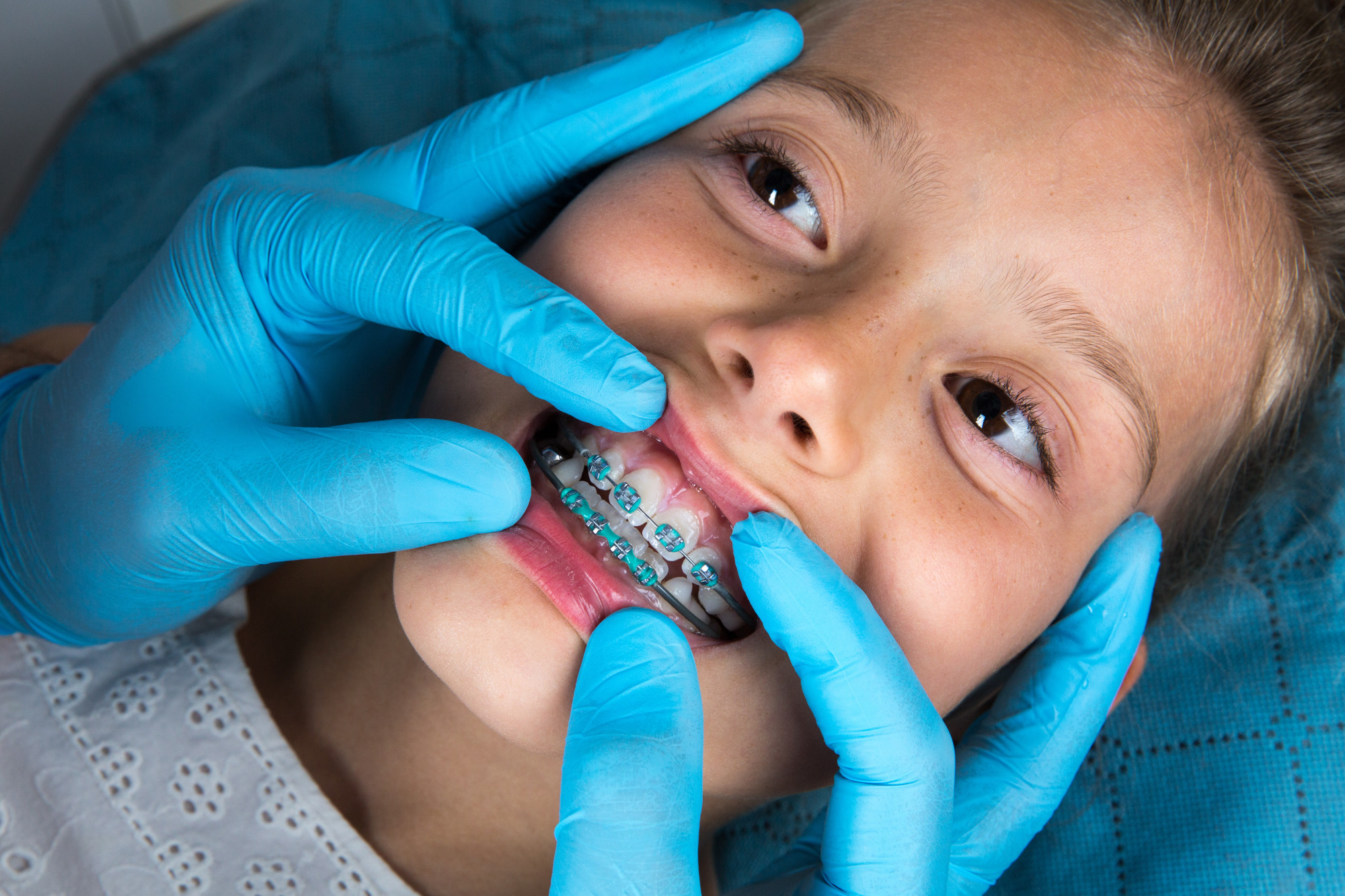
The Foundation: Understanding Orthodontic Readiness
The journey to a perfect smile often begins earlier than many parents realize. Orthodontic treatment is not a one-size-fits-all solution; it’s a carefully orchestrated process that considers a child’s growth, dental development, and specific needs. Understanding the key developmental stages helps parents and children prepare for and benefit most from orthodontic intervention.
The “Magic Seven”: Early Evaluation and Its Significance
The American Association of Orthodontists (AAO) recommends that children have their first orthodontic evaluation by age seven. This recommendation might seem early, especially since many children at this age still have a mix of primary (baby) and permanent teeth. However, this initial visit isn’t necessarily about immediate treatment; it’s about early detection and intervention.
At age seven, the first permanent molars have typically erupted, establishing the back bite. An orthodontist can use this milestone to assess the child’s jaw growth, check for developing bite problems (malocclusions), and identify potential issues that might be easier to address at a younger age. These issues can include:
- Crossbites: Where upper teeth bite inside lower teeth.
- Severe Crowding: Not enough space for permanent teeth.
- Open Bites: A gap between upper and lower front teeth when the mouth is closed.
- Deep Bites: Upper front teeth significantly overlap the lower front teeth.
- Underbites: Lower front teeth extending beyond upper front teeth.
- Missing or Extra Teeth: Anomalies in tooth count.
- Harmful Habits: Such as prolonged thumb sucking or tongue thrusting, which can affect tooth alignment and jaw development.
Early intervention, often referred to as “Phase 1” treatment, might involve minor appliances, expanders, or limited braces to guide jaw growth, create space for erupting permanent teeth, or correct habits. The goal isn’t to perfectly align all teeth but to intercept more severe problems, reduce the complexity of future treatment (Phase 2), or even avoid certain issues altogether. This preventive approach can save time, discomfort, and potentially money down the line, highlighting the long-term investment aspect of early care.
Adolescence: The Prime Window for Comprehensive Treatment
While early evaluations are critical, the most common age for comprehensive orthodontic treatment, or “Phase 2,” is typically between ages 10 and 14, when most or all permanent teeth have erupted. This period, coinciding with puberty and rapid growth spurts, offers an ideal biological window for treatment.
During adolescence, the body is still growing and developing, making the teeth and jaws more responsive to orthodontic forces. The bones are more pliable, allowing for efficient tooth movement and easier correction of bite discrepancies. Common issues treated during these years include:
- Crowding or Spacing: Aligning teeth into proper positions.
- Overbites and Underbites: Correcting jaw discrepancies.
- Impacted Teeth: Guiding teeth that are stuck beneath the gums into proper alignment.
- Aesthetic Concerns: Addressing visible irregularities that can impact self-esteem.
Adolescent treatment usually involves full braces (traditional metal, ceramic, or self-ligating) or clear aligners, working to achieve a stable, functional, and aesthetically pleasing bite. The combination of patient cooperation, an experienced orthodontist, and the biological advantages of this age often leads to optimal and lasting results.
Leveraging Technology in Your Child’s Orthodontic Journey
The days of messy impressions and guesswork are rapidly fading, replaced by a suite of sophisticated technological tools that enhance diagnostic accuracy, treatment efficiency, and patient comfort. For tech-savvy parents and children alike, understanding these innovations is key to appreciating modern orthodontics.
Diagnostic Precision: The Role of Digital Innovations
Technology has revolutionized how orthodontists assess, plan, and execute treatment. These digital tools provide unparalleled precision, leading to more predictable and often faster outcomes.
- Intraoral Scanners (Goodbye Goo!): One of the most significant advancements has been the widespread adoption of intraoral scanners like iTero, Trios, and Medit. Instead of uncomfortable, gag-inducing putty impressions, these handheld devices capture a detailed, color-accurate 3D digital model of the patient’s teeth and gums in minutes. This technology offers several benefits:
- Enhanced Comfort: No mess, no gag reflex, a much more pleasant experience for children.
- Superior Accuracy: Digital models are more precise than traditional impressions, leading to better-fitting appliances and aligners.
- Instant Visualization: Patients and parents can often see a simulation of their potential “after” smile on a screen almost immediately, making the treatment goals tangible and exciting.
- Efficiency: The digital files can be sent instantly to labs, speeding up the fabrication process for aligners or custom braces.
- 3D Imaging (CBCT): Cone Beam Computed Tomography (CBCT) provides highly detailed 3D images of the teeth, jaws, facial bones, and even airways. Unlike traditional 2D X-rays, CBCT offers a comprehensive view of complex structures, allowing orthodontists to:
- Detect impacted teeth, cysts, or other anomalies.
- Assess bone density and root positions, crucial for complex tooth movements.
- Evaluate temporomandibular joint (TMJ) health.
- Plan precise surgical orthodontics, if needed.
- Though not always necessary for routine cases, CBCT is an invaluable tool for complex diagnoses and treatment planning, ensuring a thorough understanding of the underlying anatomy.
- AI-Powered Analytics: Artificial intelligence is beginning to play a transformative role in orthodontics. AI algorithms can analyze vast datasets of patient records, X-rays, and treatment outcomes to:
- Predict growth patterns more accurately.
- Identify potential complications before they arise.
- Suggest optimal treatment paths based on similar successful cases.
- Refine aligner movements for even greater efficiency.
While still an evolving field, AI holds the promise of even more personalized and predictive orthodontic care, moving towards a future where treatment is not just reactive but proactively optimized.
Treatment Evolution: Beyond Traditional Wires
Technological innovation extends beyond diagnostics to the treatment modalities themselves, offering more discreet, comfortable, and often faster options.
- Clear Aligners (Invisalign, Spark, Byte, Candid): These removable, transparent trays are a prime example of tech-driven orthodontics. Made possible by advanced 3D scanning, sophisticated software (e.g., ClinCheck for Invisalign), and precise 3D printing technology, clear aligners offer a discreet alternative to traditional braces. Each aligner is custom-fabricated to move teeth incrementally.
- Aesthetics: Their near-invisibility is a significant draw, especially for image-conscious teenagers.
- Comfort: No wires or brackets to irritate the mouth.
- Hygiene: Removable for eating and brushing, simplifying oral care.
- Remote Monitoring Apps: Some aligner systems integrate apps that allow patients to send photos of their progress to their orthodontist remotely, reducing the need for in-person appointments and offering greater convenience. This tele-dentistry aspect is a burgeoning area, making treatment more accessible and manageable.
- Smart Braces and Future Integrations: While not yet mainstream, research is underway for “smart braces” equipped with sensors to monitor tooth movement, temperature, and even pH levels. These could potentially provide real-time data to orthodontists, allowing for dynamic adjustments to treatment plans and optimizing outcomes further. Imagine braces that tell your orthodontist if you’re consistently wearing your elastics!
- Virtual Consultations and Tele-dentistry: The pandemic accelerated the adoption of virtual consultations. Many orthodontic practices now offer initial assessments or follow-up check-ins via video calls, leveraging technology for convenience and accessibility. This is especially beneficial for busy families or those living in remote areas, making the initial steps towards orthodontic care less daunting.
The Brand of a Smile: Confidence, Identity, and Orthodontic Marketing
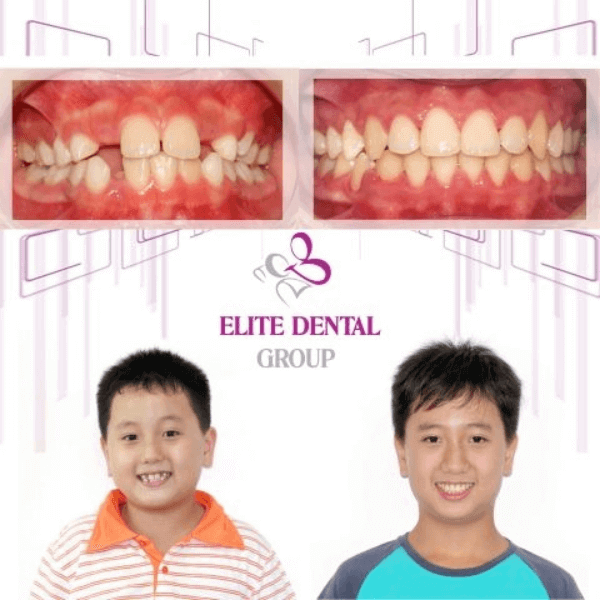
Beyond the mechanics of tooth movement, orthodontics plays a powerful role in shaping a child’s self-perception and how they present themselves to the world. A confident smile is a significant asset, impacting everything from social interactions to future career prospects – it’s an integral part of one’s personal brand.
Personal Branding from the Inside Out: The Impact of a Confident Smile
In today’s visually driven world, a smile is often one of the first things people notice. For children and teenagers, an unappealing smile can contribute to self-consciousness, social anxiety, and a reluctance to engage. Conversely, a healthy, confident smile can be a powerful tool for building self-esteem and fostering positive interactions.
- Self-Esteem and Social Interactions: Children and teens are highly sensitive to peer perception. Having misaligned teeth or a noticeable bite issue can lead to teasing, avoidance of smiling, and withdrawal from social activities. Orthodontic treatment, by correcting these issues, can dramatically boost a child’s confidence, making them more willing to smile, laugh, and interact openly. This newfound self-assurance can positively impact friendships, extracurricular participation, and overall mental well-being.
- Academic Performance: While not directly linked, a child feeling good about themselves can translate into greater confidence in the classroom, willingness to participate, and improved focus, indirectly benefiting academic performance.
- Future Career Implications: As children grow into adults, a confident smile becomes an even more critical component of their personal brand. In professional settings, a polished appearance, which includes a healthy smile, can influence first impressions during job interviews, client meetings, and networking events. It conveys professionalism, approachability, and self-assurance – qualities highly valued in any career. The investment in a child’s smile is thus an investment in their future social and professional capital. The rise of clear aligners also means that teenagers can undergo treatment without the self-consciousness often associated with traditional braces, allowing them to maintain their social confidence during a crucial developmental period.
Branding in Orthodontics: Choosing Your Provider and Product
Just as individuals build personal brands, orthodontic practices and products also cultivate their own identities to attract and retain patients. Understanding this “brandscape” can help parents make informed choices.
- Orthodontic Practice Branding: Orthodontists differentiate themselves through their brand – their specialized services, patient experience, and unique approach. Some practices brand themselves as highly technologically advanced, showcasing their use of intraoral scanners, 3D printing, and virtual consultation options. Others might emphasize a warm, family-friendly environment or specialization in specific treatments like complex surgical cases or early childhood orthodontics. A strong brand builds trust and communicates value. Parents often look for practices with excellent online reviews, a professional digital presence (website, social media), and clear communication about their philosophy and patient care.
- Product Branding: The branding of orthodontic products, especially clear aligners, is a significant marketing phenomenon. Companies like Invisalign have successfully built a global brand around the concept of “invisible” orthodontics, emphasizing aesthetics, convenience, and a modern lifestyle. Their marketing campaigns target not just parents but also teenagers and adults directly, highlighting the benefits of discreet treatment. Traditional braces, while older technology, still represent a trusted and highly effective brand, often positioned as a robust and reliable solution for all types of malocclusions. Understanding these product brands helps parents evaluate which option aligns best with their child’s needs and their family’s priorities.
- Digital Marketing for Orthodontists: In the digital age, orthodontists heavily rely on online platforms to reach potential patients. This includes:
- Search Engine Optimization (SEO): Ensuring their practice appears high in search results for queries like “orthodontist near me” or “kids braces [city name]”.
- Social Media Marketing: Engaging with parents on platforms like Facebook, Instagram, and TikTok, sharing success stories, educational content, and behind-the-scenes glimpses of the practice.
- Content Marketing: Creating valuable blog posts, videos, and guides (like this article!) that answer common parental questions, establishing the practice as an authority and trusted resource.
This digital branding and marketing strategy is crucial for practices to connect with families navigating the complex decisions around orthodontic care.
The Financial Equation: Investing in Your Child’s Oral Health
Orthodontic treatment is a significant financial commitment, but it’s essential to view it not as an expense, but as a long-term investment in a child’s health, function, and future opportunities. Understanding the costs, payment options, and return on investment is crucial for financial planning.
Demystifying Costs: What to Expect and Why
The cost of braces can vary widely, influenced by several factors. It’s important for parents to understand these variables to budget effectively and avoid surprises.
- Factors Influencing Cost:
- Treatment Complexity and Duration: Simple cases that require minor adjustments over a short period will naturally cost less than complex cases involving significant tooth movement, jaw correction, or lengthy treatment times (e.g., 2+ years).
- Type of Appliance: Traditional metal braces are generally the most economical option. Ceramic braces (tooth-colored) are usually slightly more expensive. Clear aligners (like Invisalign) typically represent the highest investment due to the advanced technology, customization, and lab fees involved in their fabrication. Lingual braces (placed on the inside of the teeth) can also be quite costly.
- Geographic Location: Orthodontic fees can vary significantly by region, city, and even neighborhood due to differences in overhead costs, market demand, and local economic factors.
- Orthodontist’s Experience and Reputation: Highly experienced or renowned orthodontists in high-demand areas may charge more for their services.
- The “Cost” of Not Treating Issues: While the upfront cost of braces might seem high, it’s vital to consider the long-term financial and health implications of not addressing orthodontic problems. Untreated malocclusions can lead to:
- Increased Risk of Tooth Decay and Gum Disease: Crooked teeth are harder to clean, making them more susceptible to cavities and periodontal issues, which can lead to expensive restorative dental work later.
- Abnormal Wear of Tooth Enamel: Bite problems can cause uneven pressure on teeth, leading to excessive wear and potential damage that requires costly crowns or veneers.
- Speech Difficulties: Some bite issues can affect articulation, potentially requiring speech therapy.
- Jaw Pain and TMJ Disorders: Misaligned bites can put undue stress on the jaw joints, leading to pain, headaches, and in severe cases, temporomandibular joint (TMJ) disorders that require complex and expensive medical or surgical intervention.
- Psychological Impact: The emotional cost of low self-esteem and social anxiety is difficult to quantify but profoundly impacts a child’s quality of life. Considering these potential future costs, orthodontic treatment often represents a sound preventive investment.
Smart Money Moves: Financing and ROI for Braces
Fortunately, various financial strategies and tools can help make orthodontic treatment more affordable and manageable for families.
- Insurance Coverage: Many dental insurance plans offer some coverage for orthodontics, especially for children. It’s crucial for parents to thoroughly review their policy’s benefits, understanding the lifetime maximums, deductibles, coinsurance percentages, and any waiting periods. Most plans categorize orthodontic treatment as a separate benefit with its own limitations.
- Payment Plans: The vast majority of orthodontic practices understand the financial strain of treatment and offer in-house, interest-free payment plans. These typically involve an initial down payment followed by monthly installments spread over the course of treatment, making the cost more digestible.
- Healthcare Financing (e.g., CareCredit): Specialized healthcare credit cards or financing companies like CareCredit offer low-interest or interest-free options for specific periods, allowing families to finance the cost over a longer term. This can be particularly useful if insurance coverage is minimal or if a large upfront payment is challenging.
- Flexible Spending Accounts (FSAs) and Health Savings Accounts (HSAs): These tax-advantaged accounts, offered through employers or independently, allow individuals to set aside pre-tax money for qualified healthcare expenses, including orthodontic treatment. Using an FSA or HSA can effectively reduce the out-of-pocket cost by saving on taxes.
- Return on Investment (ROI): Beyond simply straightening teeth, the return on investment for orthodontic treatment is multifaceted:
- Improved Health: Reduced risk of future dental problems (cavities, gum disease, wear), potentially saving thousands in restorative dentistry later in life.
- Enhanced Quality of Life: Freedom from pain, improved ability to chew and speak, and a significant boost in self-confidence.
- Career Prospects: As discussed, a confident, professional appearance can contribute to better career opportunities and success.
- Lifelong Benefits: A properly aligned bite and healthy teeth can last a lifetime with proper retention and care, providing enduring value far beyond the initial investment.
Making the Informed Decision: A Holistic Approach
Ultimately, the decision of when and how to get braces for your child is a deeply personal one that requires balancing various factors – medical recommendations, the child’s readiness, and the family’s financial capabilities. A holistic approach ensures the best outcome for everyone involved.
Balancing Factors: Child’s Readiness, Dentist’s Recommendation, and Family Resources
- Child’s Readiness and Responsibility: Orthodontic treatment requires cooperation. For fixed braces, consistent oral hygiene is paramount. For clear aligners, the child must be disciplined enough to wear them for 20-22 hours a day and keep track of them. Parents should assess their child’s maturity, motivation, and ability to follow instructions. For younger children, parental supervision will be higher.
- Dentist’s and Orthodontist’s Recommendation: Always prioritize the professional advice of a qualified orthodontist. They will provide a comprehensive diagnosis, outline treatment options, and explain the pros and cons of early versus later intervention based on your child’s unique needs. Don’t hesitate to seek a second opinion if you have doubts or want to explore alternative approaches.
- Family Resources: Open and honest discussions about the financial aspect are crucial. Review your insurance, explore payment plans, and consider your budget. Modern orthodontics offers a range of options, from traditional braces to various clear aligner systems, each with different price points, allowing families to find a solution that fits their financial reality.
The Long-Term Perspective: A Smile for Life
Orthodontic treatment isn’t just about the months or years a child wears braces or aligners; it’s about setting them up for a lifetime of healthy, functional, and beautiful smiles. The retention phase, where retainers are worn after active treatment, is just as critical as the treatment itself to prevent teeth from shifting back to their original positions. This ongoing commitment ensures the longevity of the investment.
The lasting benefits extend far beyond straight teeth. They encompass improved oral hygiene, better chewing function, reduced risk of dental complications, and a profound boost in self-confidence that empowers a child to thrive socially, academically, and professionally.

Conclusion
The question “what age should kids get braces?” has a nuanced answer, evolving with each child’s unique developmental trajectory and the remarkable advancements in modern orthodontics. From early evaluations around age seven to comprehensive adolescent treatment, the timing is tailored to optimize results. The integration of cutting-edge technology – from 3D scanners and AI diagnostics to clear aligners and remote monitoring apps – has made orthodontic care more precise, efficient, and comfortable than ever before. Furthermore, understanding how a confident smile contributes to a child’s personal brand and navigating the financial investment through various options underscores the holistic value of orthodontic treatment. By embracing a proactive approach, leveraging technological innovations, appreciating the profound impact of a healthy smile, and planning financially, parents can make an informed decision that truly invests in their child’s lifelong well-being.
aViewFromTheCave is a participant in the Amazon Services LLC Associates Program, an affiliate advertising program designed to provide a means for sites to earn advertising fees by advertising and linking to Amazon.com. Amazon, the Amazon logo, AmazonSupply, and the AmazonSupply logo are trademarks of Amazon.com, Inc. or its affiliates. As an Amazon Associate we earn affiliate commissions from qualifying purchases.