
For the modern pet owner, a dog is not merely a companion; it is a long-term financial commitment—a “biological asset” that requires careful management to ensure maximum return in the form of companionship, security, and emotional well-being. One of the most critical decision points in the lifecycle of this commitment is the timing of neutering. While often discussed in purely medical or ethical terms, the question of “what age is best to neuter a male dog” is fundamentally an exercise in risk management and capital allocation.
Deciding when to neuter a male dog involves balancing immediate surgical costs against long-term health liabilities and behavioral risks. From a financial perspective, the timing can dictate whether you face a predictable one-time expense or a lifetime of escalating veterinary bills and liability concerns. This article analyzes the optimal age for neutering through the lens of personal finance, risk mitigation, and the economics of pet ownership.
The Cost-Benefit Analysis of Early Intervention vs. Delayed Procedures
In the world of finance, early intervention is often equated with lower entry costs. In veterinary medicine, the same principle frequently applies. However, “early” must be defined by the intersection of biological maturity and surgical affordability.
Immediate Out-of-Pocket Expenses
Generally, the cost of neutering a puppy (between 6 and 9 months) is lower than the cost of neutering an adult dog. This is due to several variables: anesthesia dosage is weight-dependent, recovery time is typically faster in younger specimens, and the surgical complexity is reduced. For a budget-conscious owner, the 6-to-9-month window represents the “low-cost entry point.” By delaying the procedure until the dog is three or four years old, the owner may see a 20% to 40% increase in surgical fees due to the increased weight and the potential for developed vascularity in the reproductive organs.
Long-term Healthcare Savings and Risk Mitigation
The “best age” is not simply the cheapest age to perform the surgery; it is the age that minimizes future financial liabilities. Neutering a male dog eliminates the risk of testicular cancer—a condition that can cost thousands of dollars in oncology fees, imaging, and palliative care. Furthermore, neutering significantly reduces the risk of non-cancerous prostate disorders. By investing in neutering before the dog reaches senior status (roughly age 7), owners are effectively purchasing an insurance policy against some of the most expensive geriatric canine health issues.
The Hidden Costs of Behavioral Mismanagement and Intact Male Liability
When evaluating the financial impact of the “intact” status, one must look beyond the clinic. Intact male dogs present a specific set of behavioral risks that carry heavy price tags in the form of property damage, legal liability, and lost productivity.
Property Damage and Liability Insurance Premiums
Hormone-driven behaviors, such as “marking” territory or destructive chewing rooted in frustration, can lead to significant depreciation of home assets. Replacing carpets, repairing hardwood floors, or repainting walls are hidden costs associated with keeping a male dog intact past the point of sexual maturity (usually 12–18 months).
Furthermore, from a risk management perspective, intact males are statistically more likely to engage in roaming or aggressive displays. If a dog escapes a fenced yard to pursue a scent, the owner faces potential fines from animal control and the high cost of physical damage to the property of others. In extreme cases, insurance companies may increase premiums or deny coverage for certain breeds if they are not neutered, viewing the hormonal drive as a liability “red flag.”
The “Runaway Risk”: Emergency Search and Rescue Costs
An intact male dog’s drive to find a mate is a powerful biological impulse that can override training. The financial fallout of a lost dog includes emergency boarding fees, advertising costs for recovery, and potential veterinary bills if the dog is injured while roaming (e.g., hit-by-car incidents). Neutering at the “best age”—typically before these hormonal drives peak—serves as a preventative measure to secure the owner’s investment and avoid the catastrophic costs of a “lost asset” scenario.
The “Health Dividend”: How Timing Impacts Lifetime Veterinary Expenditures

The most complex part of the “what age” equation involves the “Health Dividend”—the long-term physical benefits that translate into lower lifetime spending. Recent data in the veterinary field suggests that the optimal age varies significantly by “model” (breed size), which changes the financial strategy for the owner.
Joint Health and Orthopedic Costs in Large Breed Allocations
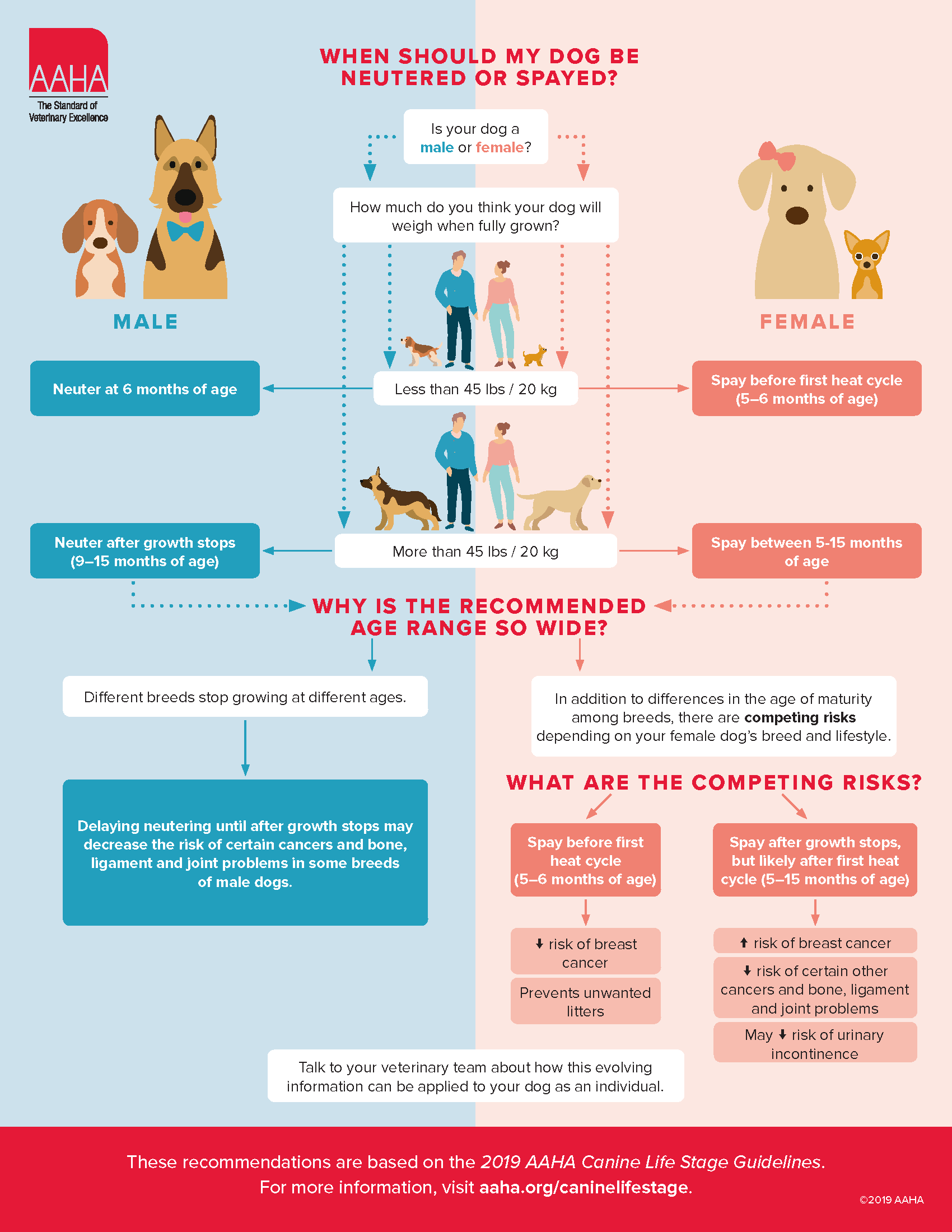
For owners of large and giant breeds (such as Great Danes, Labradors, or Golden Retrievers), neutering too early (before 12–18 months) can be a financial disaster. Studies have shown that early neutering removes hormones essential for the proper closure of growth plates. This can lead to orthopedic issues, such as Hip Dysplasia or Cranial Cruciate Ligament (CCL) tears.
The cost of a single CCL surgery can range from $3,000 to $6,000. If an owner neuters a large breed at 6 months to save $200 on the surgery, but incurs a $5,000 orthopedic bill at age four, the “Return on Investment” is deeply negative. For these specific “high-value assets,” the best age to neuter—from a financial risk-avoidance standpoint—is often after growth plate closure, usually between 12 and 24 months.
Assessing the Financial Risk of Prostate and Testicular Complications
Conversely, for small breed dogs, the orthopedic risks are negligible, while the risks of “intact-related” complications remain. For a Chihuahua or a Yorkie, the optimal age is often sooner (6–12 months) to avoid the development of behaviors that could lead to injury or the need for more complex surgeries later in life. By aligning the surgery with the dog’s specific biological depreciation schedule, owners can optimize their pet-related cash flow.
Integrating Veterinary Health into Your Personal Finance Strategy
Neutering should not be an impulsive decision; it should be integrated into a comprehensive financial plan for the dog’s life. This involves leveraging financial tools to manage the cost of the procedure and the timing of the “exit” from the dog’s reproductive capabilities.
Utilizing Pet Insurance and HSAs for Optimal Timing
Many pet insurance providers offer “wellness add-ons” that cover a portion of neutering costs. However, these often have a “use it or lose it” annual limit. Strategically timing the neuter to coincide with a year where you have maximized your insurance benefits—or using a dedicated pet “Health Savings Account” (a sinking fund)—allows you to absorb the cost without impacting your primary emergency fund.
If your dog is a breed that requires waiting until 18 months, your financial plan should include 18 months of contributions to a high-yield savings account specifically for this procedure. This ensures that when the “best age” arrives, the capital is available to provide the highest quality medical care, which in turn reduces the risk of post-operative complications.
Budgeting for the Post-Operative Recovery Phase
The financial impact of neutering extends into the two weeks following the procedure. An owner must account for potential “lost wages” if they need to take time off to monitor the dog, or the cost of professional boarding/daycare that specializes in post-op recovery.
Additionally, there are secondary equipment costs: Elizabethan collars (the “cone of shame”), specialized recovery suits, and prescription pain management. A professional approach to this decision involves a “Total Cost of Ownership” (TCO) calculation that includes the surgery, the meds, the recovery gear, and the time-value of the owner’s supervision.

Conclusion: The Final Valuation
So, what age is best to neuter a male dog? From a financial and strategic perspective, there is no “one-size-fits-all” answer, but there is a clear methodology for finding it.
For small to medium breeds, the 6-to-12-month window offers the best balance of low surgical costs and high behavioral risk mitigation. For large and giant breeds, the 12-to-24-month window is the superior financial choice, as it protects the owner from the astronomical costs of orthopedic surgeries that result from premature hormonal disruption.
Ultimately, the goal of the pet owner-as-investor is to ensure the dog lives a long, healthy life with minimal “unplanned maintenance” costs. By viewing the neutering decision through the lens of financial planning, you transform a routine veterinary visit into a calculated move that secures both your dog’s future and your own financial stability. Investing in the procedure at the right time is not just a health choice—it is a sophisticated piece of asset management.
aViewFromTheCave is a participant in the Amazon Services LLC Associates Program, an affiliate advertising program designed to provide a means for sites to earn advertising fees by advertising and linking to Amazon.com. Amazon, the Amazon logo, AmazonSupply, and the AmazonSupply logo are trademarks of Amazon.com, Inc. or its affiliates. As an Amazon Associate we earn affiliate commissions from qualifying purchases.