
In the modern financial landscape, your credit score is arguably one of the most important numbers in your life. It acts as a financial passport, determining your ability to secure a mortgage, lease a vehicle, obtain a credit card, and in some cases, even land a job or rent an apartment. However, despite its importance, the mechanics behind the three-digit number often remain shrouded in mystery for the average consumer.
Understanding what affects your credit score the most is not just about memorizing a list of factors; it is about understanding the risk assessment models used by lenders. While there are different scoring models—most notably FICO and VantageScore—they generally prioritize the same core behaviors. This article breaks down the foundational elements of credit scoring, the weight assigned to various financial habits, and the strategic steps you can take to optimize your standing.
The Pillars of Your Credit Profile: The Heavy Hitters
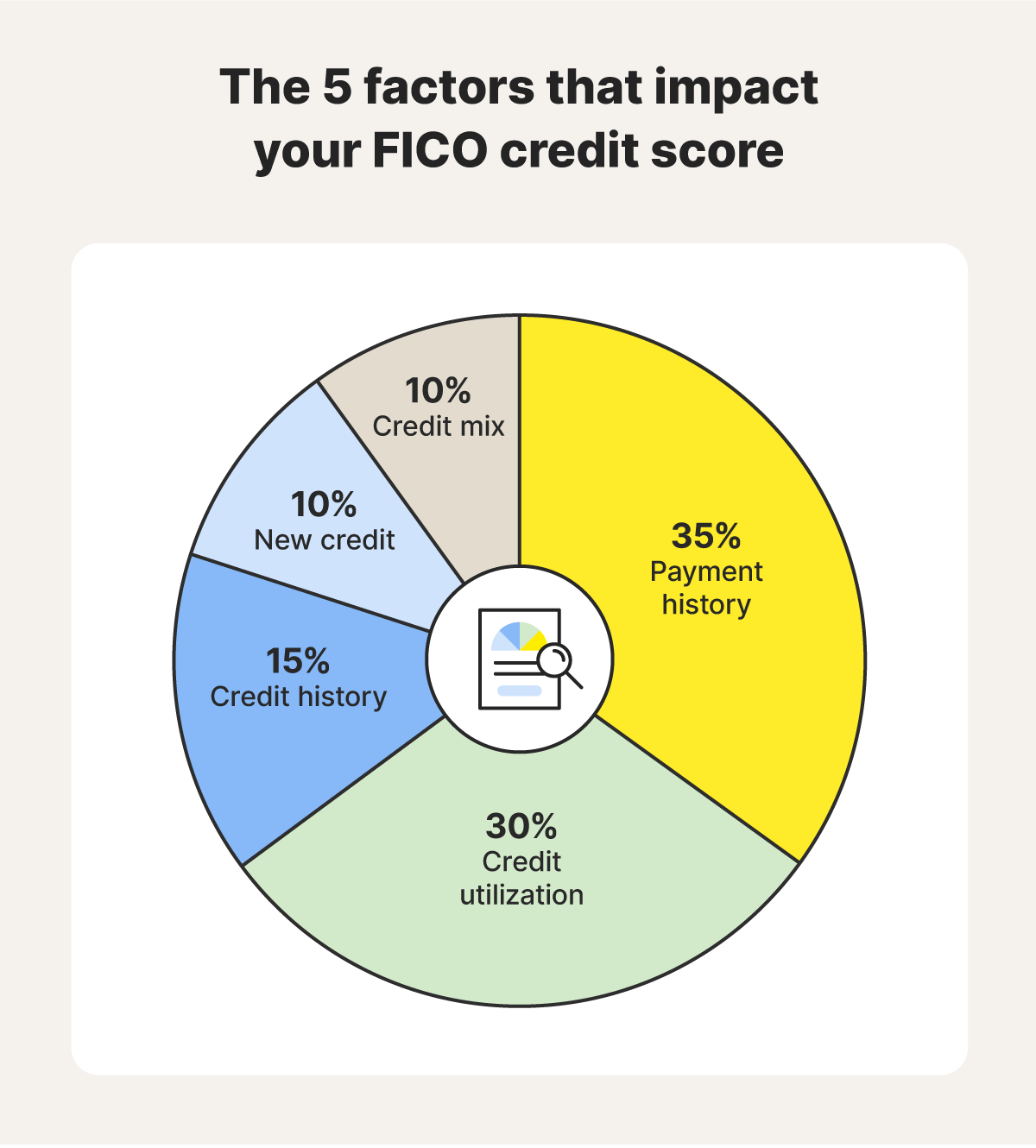
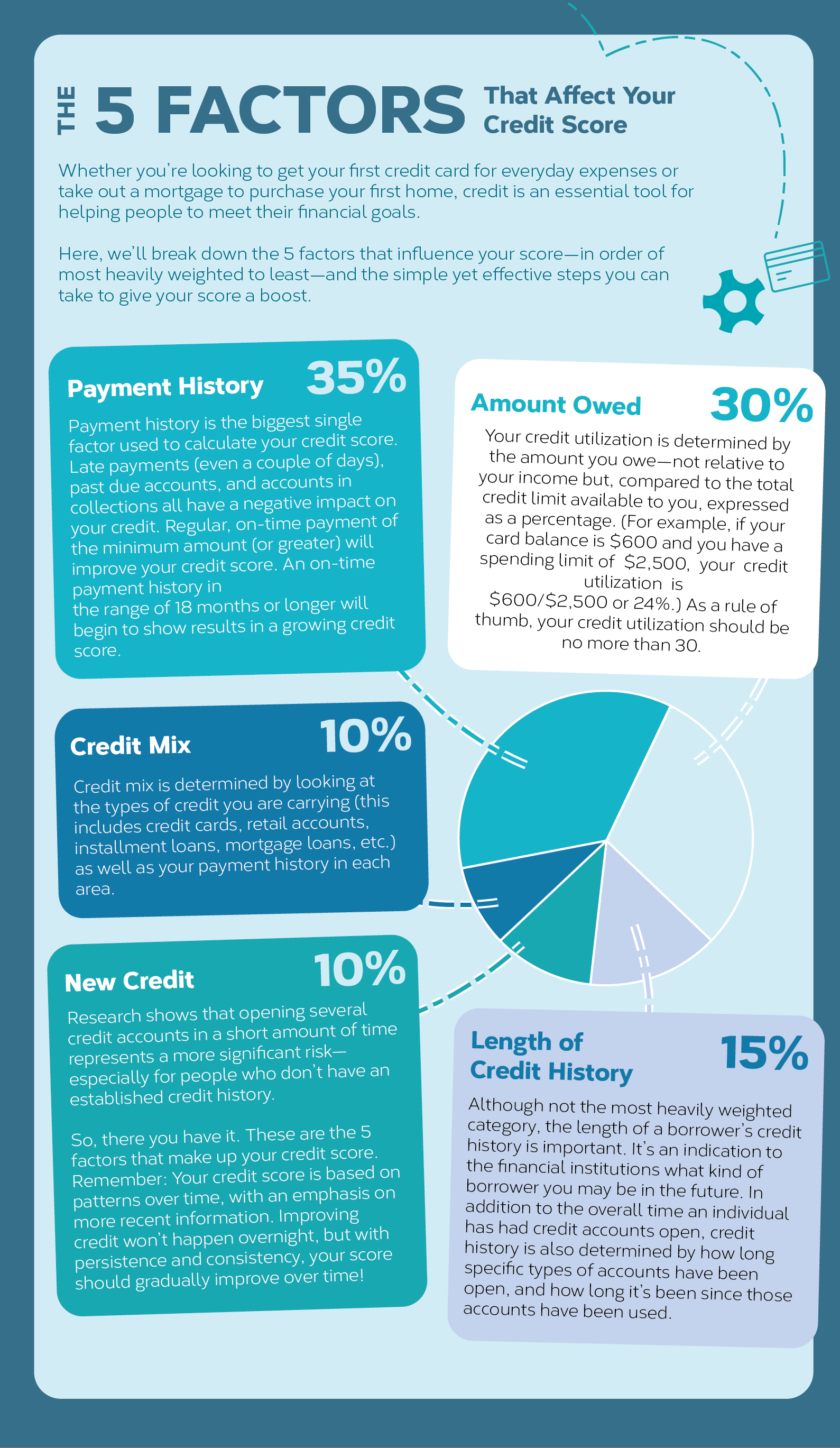
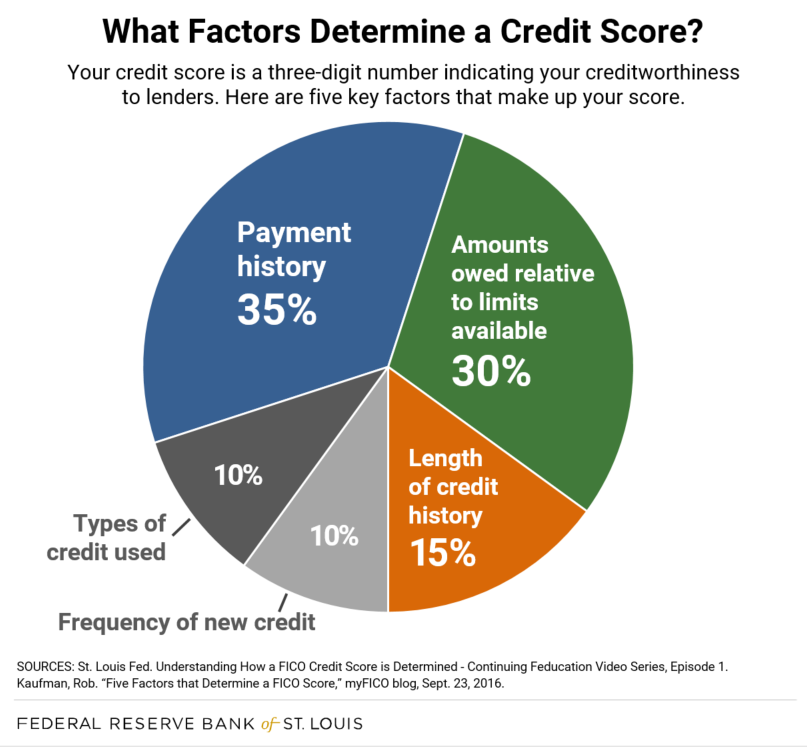
When it’s said that certain factors affect your score “the most,” it usually refers to the FICO model, which is used by 90% of top lenders. Two specific categories account for a staggering 65% of your total score. If you focus your energy anywhere, it should be here.
Payment History (35%)
Payment history is the single most influential factor in your credit score. Lenders want to know one thing above all else: if they lend you money, will you pay it back on time? Even a single payment that is 30 days late can cause a significant drop in a high credit score.
The scoring models look at the frequency of late payments, how recently they occurred, and how many days past due they were. A 90-day delinquency is far more damaging than a 30-day one, and a recent late payment carries more negative weight than one from five years ago. To protect this category, automation is your best friend. Setting up minimum auto-pays ensures that even if you forget a due date, your “perfect” payment streak remains intact.
Credit Utilization Ratio (30%)
The second most important factor is the “amounts owed,” specifically your credit utilization ratio. This is the amount of revolving credit you are currently using divided by your total available credit limits. For example, if you have a credit card with a $10,000 limit and a balance of $3,000, your utilization is 30%.
High utilization signals to lenders that you may be overextended and at a higher risk of default. The general rule of thumb is to keep your utilization below 30%, but for those seeking an “excellent” score (800+), keeping it below 10% is ideal. Crucially, this is calculated both on individual cards and across all your total available credit.
The Secondary Factors: Duration and Diversification
While the “Big Two” dominate the landscape, the remaining 35% of your score is determined by the “age” of your accounts and the variety of credit you handle. These factors provide a more nuanced view of your experience as a borrower.
Length of Credit History (15%)
Lenders prefer borrowers with a long, proven track record. This category considers the age of your oldest account, the age of your newest account, and the average age of all your accounts combined. This is why financial experts often advise against closing old credit cards, even if you no longer use them. Closing an account that is ten years old can significantly shorten your average credit age, potentially causing your score to dip.
Credit Mix and Diversity (10%)
Your credit score also reflects your ability to manage different types of debt. There are two primary types of credit: revolving (like credit cards and lines of credit) and installment (like student loans, mortgages, and auto loans).
While you shouldn’t take out a loan just to improve your mix, having a healthy combination of both shows lenders that you can handle various repayment structures. A borrower who has successfully managed a mortgage and a credit card is viewed as more “seasoned” than someone who has only ever had a single credit card.
New Credit and the Impact of Inquiries
The final 10% of the FICO model is dedicated to “new credit.” This category monitors how many new accounts you have opened recently and how many “hard inquiries” have been performed on your report.
Hard vs. Soft Inquiries
It is vital to distinguish between hard and soft inquiries. A soft inquiry occurs when you check your own score or when a lender checks your credit for a pre-approved offer. Soft inquiries do not affect your score.
A hard inquiry, however, occurs when you formally apply for credit. Each hard inquiry can shave a few points off your score. Opening several new credit accounts in a short period represents a high risk, as it may suggest you are in a desperate financial situation or are planning to take on a large amount of debt that you may not be able to repay.
The Shopping Window for Loans
One common concern is that “shopping around” for the best rate on a mortgage or auto loan will ruin your credit due to multiple inquiries. Fortunately, modern scoring models recognize this behavior. Most models treat multiple inquiries for the same type of loan (mortgage, auto, or student loan) as a single inquiry, provided they occur within a specific window—usually 14 to 45 days. This allows consumers to find the best financial products without being penalized for due diligence.
Strategic Management and Common Pitfalls
Understanding the math behind the score is only half the battle. To maintain a high score, you must navigate the practical realities of the financial system and avoid common misconceptions that can lead to unintended score drops.
The Myth of Carrying a Balance
One of the most persistent and damaging myths in personal finance is the idea that you need to carry a monthly balance on your credit card to “build credit.” This is false. You can—and should—pay your balance in full every month. The credit card issuer will report your activity to the bureaus regardless of whether you pay interest. Carrying a balance only results in unnecessary interest charges and potentially higher utilization, which can actually hurt your score.
Monitoring for Errors and Identity Theft
Sometimes, what affects your credit score the most isn’t your behavior at all, but the behavior of others or administrative errors. According to various consumer studies, a significant percentage of credit reports contain errors. These can range from a misspelled name to a debt that doesn’t belong to you or a late payment that was actually made on time.
Regularly reviewing your credit report from the three major bureaus (Equifax, Experian, and TransUnion) is essential. Under the Fair Credit Reporting Act, you have the right to dispute any inaccuracies. Removing a single erroneously reported collection account can result in a massive score increase almost overnight.
The Impact of “Zombie” Debt and Collections
Once a debt goes to collections, it becomes a “derogatory mark” that can stay on your report for seven years. Even if you pay the collection off, the fact that it went to collections in the first place remains visible. However, newer versions of scoring models (like FICO 9 and VantageScore 3.0/4.0) have begun to ignore “paid” collection accounts or place less weight on medical collections. Despite these shifts, preventing an account from reaching the collections stage remains the most effective way to preserve your credit standing.
Conclusion: The Long Game of Financial Health
In summary, what affects your credit score the most is a combination of reliability and restraint. By ensuring 100% on-time payments and keeping your credit card balances low, you have already mastered the two most critical components of the system.
A high credit score is not an end in itself; it is a tool. It is the key that unlocks lower interest rates, which can save you hundreds of thousands of dollars over the life of a mortgage. It provides leverage when negotiating with financial institutions and offers peace of mind in times of economic uncertainty. By treating credit as a long-term asset rather than a short-term resource, you can build a robust financial profile that serves you for decades to come. Consistency, vigilance, and an understanding of the underlying mechanics are the hallmarks of a savvy borrower in today’s economy.
aViewFromTheCave is a participant in the Amazon Services LLC Associates Program, an affiliate advertising program designed to provide a means for sites to earn advertising fees by advertising and linking to Amazon.com. Amazon, the Amazon logo, AmazonSupply, and the AmazonSupply logo are trademarks of Amazon.com, Inc. or its affiliates. As an Amazon Associate we earn affiliate commissions from qualifying purchases.