
In the modern medical landscape, the term “acute care nursing” has evolved far beyond the traditional image of bedside monitoring and manual charting. Today, acute care is a high-octane intersection of human clinical expertise and cutting-edge technology. As hospitals transition into “smart” facilities, the role of the acute care nurse has become increasingly focused on managing sophisticated digital ecosystems designed to improve patient outcomes, reduce clinician burnout, and streamline the delivery of life-saving interventions. This article explores the technological pillars currently reshaping acute care nursing, from artificial intelligence and predictive analytics to the Internet of Medical Things (IoMT).
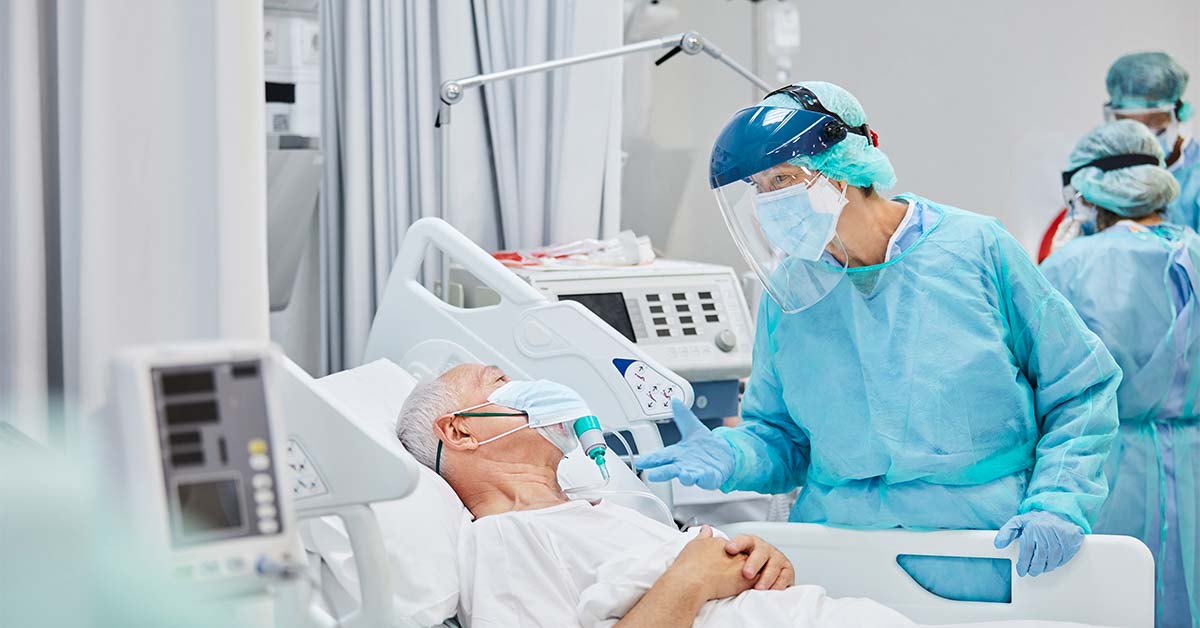
The Digital Transformation of Critical Care Environments
The foundation of modern acute care nursing lies in the seamless integration of data. Gone are the days of fragmented paper records; the current era is defined by the digitization of every heartbeat, breath, and laboratory result. This transformation has turned the acute care unit into a hub of real-time data processing.
From Paper to Pixels: Next-Generation EHR and Interoperability
The Electronic Health Record (EHR) is the central nervous system of acute care. However, the tech trend has moved past simple data storage toward “interoperability.” Modern EHR systems now integrate directly with bedside devices. When an acute care nurse adjusts a ventilator or starts an infusion pump, that data is automatically synced to the patient’s digital twin. This reduces manual entry errors and ensures that the entire multidisciplinary team has access to a single version of the truth. Advanced software interfaces are also being designed with “nursing-centric” UX/UI to reduce the cognitive load, allowing nurses to spend less time clicking and more time on clinical assessment.
Smart Alarms and the Mitigation of Alarm Fatigue
One of the most significant technological hurdles in acute care has been “alarm fatigue”—the sensory overload caused by thousands of non-critical alerts. Tech innovators are solving this through intelligent alarm management systems. These platforms use complex algorithms to filter out “noise” and prioritize alerts based on severity and clinical relevance. Instead of a generic beep, a nurse receives a prioritized notification on a secure mobile device, complete with context (e.g., “Patient in Room 4: SpO2 dropping, heart rate stable”). This middleware tech ensures that life-threatening events are never missed while preserving the mental stamina of the nursing staff.
Artificial Intelligence and Clinical Decision Support
Artificial Intelligence (AI) is no longer a futuristic concept in acute care nursing; it is a functional tool used daily to predict clinical deterioration before it becomes visible to the naked eye. In the high-stakes environment of an Intensive Care Unit (ICU) or Emergency Department, AI acts as a digital co-pilot for the nurse.
AI-Driven Sepsis Prediction and Early Warning Scores
Sepsis remains one of the leading causes of mortality in acute care settings. Tech companies have developed AI models that continuously scan EHR data, looking for subtle patterns in white blood cell counts, temperature fluctuations, and blood pressure. These AI-driven “Early Warning Scores” (EWS) can predict the onset of sepsis hours before traditional symptoms appear. For the acute care nurse, this technology provides a critical window for intervention, allowing for the rapid administration of fluids and antibiotics that can mean the difference between life and death.
Precision Dosing and Automated Medication Management
The complexity of pharmacology in acute care is staggering. Advanced clinical decision support (CDS) tools are now integrated into medication dispensing systems and “smart” IV pumps. These tools use AI to cross-reference a patient’s renal function, weight, and current drug profile to suggest precision dosing. If a nurse attempts to program a dosage that deviates from safety protocols, the software provides an immediate hard-stop or warning. This layer of digital security is essential in preventing medication errors in fast-paced, high-stress environments.
Virtual Integration: Telehealth and Remote Acute Care

Technology has effectively dissolved the physical walls of the hospital. The rise of “Tele-ICU” and remote monitoring has expanded the reach of acute care nursing, allowing for a collaborative approach that leverages expertise across geographical boundaries.
The Rise of the Tele-ICU Nursing Model
In many healthcare systems, a centralized “bunker” staffed by experienced acute care nurses monitors dozens of high-acuity beds across multiple hospitals. Utilizing high-definition cameras, real-time physiological data streams, and two-way communication, these tele-nurses provide an extra layer of surveillance. They can spot trends that a busy floor nurse might miss, assist with documentation during emergencies, and mentor less experienced staff at the bedside. This hub-and-spoke tech model ensures that even rural hospitals can provide top-tier acute care.
Wearable Tech and Continuous Patient Data Streams
While traditional acute care relied on bulky bedside monitors, the trend is shifting toward medical-grade wearables. Wireless sensors—often referred to as “smart patches”—can monitor ECG, respiratory rate, and skin temperature without tethering the patient to a bed. For acute care nurses, this means improved patient mobility and a continuous stream of data that flows into the cloud. If a patient’s condition worsens while they are being ambulated in the hallway, the nurse is alerted immediately via their smartphone or smartwatch, bridging the gap between periodic checks and continuous surveillance.
Enhancing Nurse Safety and Workflow with Smart Tools
Technology in acute care isn’t just about patient data; it’s about the physical and operational environment in which nurses work. New tools are being designed to handle the “heavy lifting”—both literally and figuratively—of the nursing profession.
Robotics and Automated Logistics
Acute care is physically demanding. To combat musculoskeletal injuries, hospitals are investing in robotic lift assistance and “exosuits” that help nurses safely reposition bariatric or immobile patients. Furthermore, autonomous mobile robots (AMRs) are taking over the logistical burdens. These robots navigate hospital corridors to deliver medications, lab samples, and linens. By offloading these “fetch and carry” tasks to automated systems, acute care nurses can reclaim hours of their shift to focus on direct patient interaction and complex clinical reasoning.
Cybersecurity and Data Protection in Clinical Settings
As acute care becomes more reliant on connected devices, the “digital surface area” for potential cyberattacks increases. Protecting patient data and ensuring the functional integrity of life-support machines is now a primary concern for nursing leadership. Modern acute care nursing involves a basic mastery of digital security protocols—using biometrics for login, recognizing phishing attempts, and understanding the backup procedures when a network goes offline. The tech-savvy nurse is the first line of defense in maintaining the “cyber-hygiene” of the clinical unit, ensuring that technology remains a tool for healing rather than a point of vulnerability.
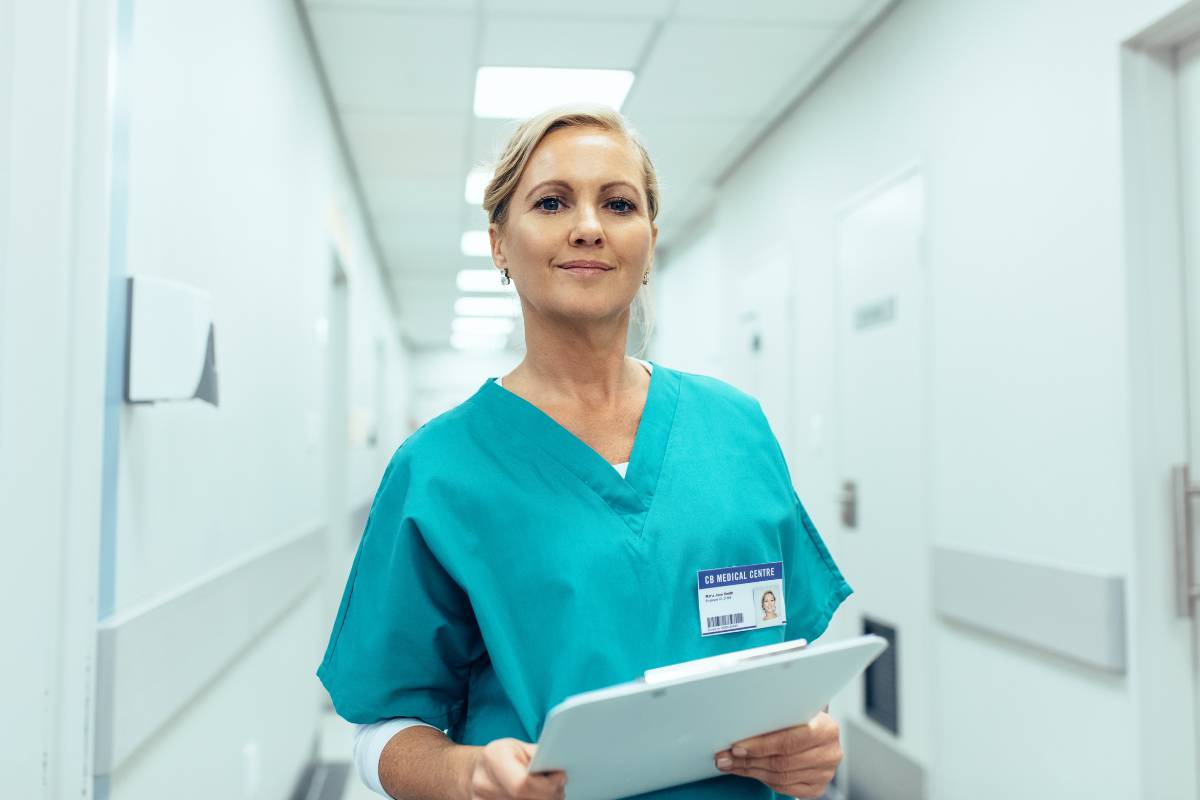
The Future: The Symbiosis of “Hi-Tech” and “Hi-Touch”
As we look toward the future of acute care nursing, the trend is clear: technology will continue to automate the routine, predict the perilous, and connect the fragmented. However, the most profound insight in this technological evolution is that these tools are not intended to replace the nurse. Instead, they are designed to augment human capability.
The “Smart Hospital” of the next decade will likely feature Augmented Reality (AR) glasses that allow nurses to visualize a patient’s internal anatomy or vascular map during a procedure. Natural Language Processing (NLP) will allow nurses to dictate notes in real-time, eliminating the need for keyboards. Yet, amidst all this digital sophistication, the core of acute care remains the clinical judgment and empathy of the nurse.
By embracing these technological advancements, acute care nursing is shedding its administrative burdens and returning to its roots: high-level, attentive, and personalized patient care. The future of the field lies in this perfect symbiosis—where the pulse of the patient is monitored by AI, but the hand held during a crisis belongs to a highly skilled, tech-empowered nurse.
aViewFromTheCave is a participant in the Amazon Services LLC Associates Program, an affiliate advertising program designed to provide a means for sites to earn advertising fees by advertising and linking to Amazon.com. Amazon, the Amazon logo, AmazonSupply, and the AmazonSupply logo are trademarks of Amazon.com, Inc. or its affiliates. As an Amazon Associate we earn affiliate commissions from qualifying purchases.