
In the intricate world of personal and business finance, understanding the foundational elements of banking is paramount. Among these, the unassuming paper check, despite the rise of digital payments, remains a crucial financial instrument. A common query, particularly for those new to managing their finances or needing to set up various financial services, is “what account number on check?” This question, seemingly simple, unlocks a deeper understanding of how money moves, how financial institutions operate, and the critical importance of safeguarding one’s financial identity.
This article will meticulously guide you through locating your account number on a check, demystifying its purpose, exploring its multifaceted roles in modern finance, and providing essential advice on protecting this vital piece of information. Whether you’re setting up direct deposit, paying bills, or connecting to financial apps, a clear grasp of your account number is indispensable for confident and secure financial management.
Decoding the Check: Locating Your Account Number
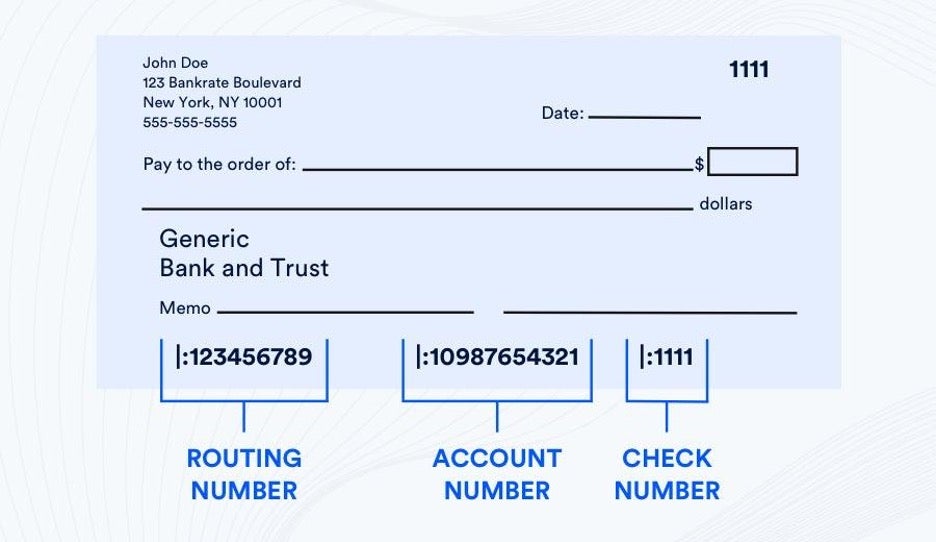
The bottom edge of every check holds a secret code, a series of numbers printed in magnetic ink that are essential for the banking system to process your transactions. This area, known as the Magnetic Ink Character Recognition (MICR) line, is where you’ll find the three most critical pieces of information for any check: the routing number, your account number, and the check number.
The Anatomy of a Check: Understanding the MICR Line
The MICR line is specially designed to be read by automated processing equipment, ensuring speed and accuracy in transaction handling. When you examine the bottom of a standard check, you’ll typically see three distinct sets of numbers, often separated by special symbols:
- Routing Number (Transit Number): This is usually the first set of nine digits on the left. It identifies the specific financial institution (your bank) responsible for processing the payment. Think of it as your bank’s address in the financial network.
- Account Number: This is almost always the middle set of numbers. It uniquely identifies your specific checking account within your bank. While the length can vary slightly between banks, it’s the sequence that points directly to your money.
- Check Number (Serial Number): This is usually the last set of numbers on the right, and it matches the number printed in the top right corner of the check. It’s used for tracking individual checks and for your own record-keeping.
By understanding the distinct position and purpose of each set, you can confidently pinpoint your account number without confusion.
Distinguishing Between Key Identifiers
While all three sets of numbers on the MICR line are crucial, it’s vital to differentiate them to avoid costly errors. The routing number is a public identifier for your bank. The check number is an internal reference for a specific transaction. However, the account number is the unique identifier for your individual account. Providing an incorrect routing number might delay a transaction, but providing an incorrect account number could send your money (or your payment request) to the wrong place entirely, leading to significant headaches and potential financial loss. Always double-check that you’re identifying the correct sequence for your account number, especially when sharing it for critical financial operations.
Practical Steps to Identify Your Account Number
To definitively find your account number:
- Grab a physical check from your checkbook.
- Look at the bottom edge. You’ll see the MICR line printed in distinctive, usually black, ink.
- Locate the middle set of numbers. After the first nine-digit routing number, the subsequent string of digits is your account number. It typically ranges from 10 to 12 digits, though this can vary.
- Cross-reference if unsure. If you’re still uncertain, compare it with the account number listed on your bank statement or by logging into your online banking portal. Banks usually display the full or partial account number there. For instance, on a bank statement, it might be labeled clearly as “Account Number” or “Checking Account Number.” In online banking, you can often find it under “Account Details” or by clicking on your specific checking account.
The Significance of Your Account Number in Financial Transactions
Beyond merely locating it, understanding why your account number is so pivotal reveals its central role in the mechanics of modern finance. It’s the key that unlocks a multitude of essential transactions, enabling both personal and business financial fluidity.
Facilitating Payments and Deposits
Your account number is the bedrock upon which most financial transactions are built, whether you’re sending or receiving money.
- Outgoing Payments: When you write a physical check, your account number authorizes the bank to withdraw funds from your specific account. Similarly, when you set up recurring bill payments (like utilities, mortgage, or credit card bills) directly from your bank account, your account number (along with your routing number) serves as the instruction for the payee to “pull” funds from your account electronically via Automated Clearing House (ACH) transactions. This is also true for direct debits and pre-authorized payments.
- Incoming Deposits: For receiving funds, your account number is equally critical. Direct deposit of your salary, tax refunds, government benefits, or even payments from clients (for businesses) all require your account number. It ensures that the funds land precisely in your account and not someone else’s. Without it, the paying entity cannot route the money to you, leading to delays and complications.
Setting Up Automatic Payments and Transfers
The convenience of modern banking largely hinges on automation, and your account number is at the heart of this. Setting up automatic payments for loans, subscriptions, or recurring investments relies on providing your account number to the respective institution. This not only streamlines your financial obligations but also helps avoid late fees and ensures consistent contributions to your savings or investment goals. Similarly, internal transfers between your own accounts (e.g., moving money from checking to savings) often utilize your internal account numbers, even if the process is simplified within your bank’s online platform. Businesses also heavily rely on account numbers for managing payroll, paying vendors, and receiving payments from customers, forming the backbone of their operational cash flow.
International Transfers and Wire Transfers
While international transfers often involve additional identifiers like SWIFT/BIC codes or IBANs (International Bank Account Numbers), your domestic account number still plays a foundational role. For instance, if you are receiving an international wire transfer, the sender’s bank will need your bank’s SWIFT code and your specific account number to ensure the funds reach you accurately. Wire transfers, known for their speed and irrevocability, are high-stakes transactions where precision in providing the correct account number is non-negotiable, as an error could lead to funds being misdirected with little recourse.
Beyond Payments: Account Numbers in Modern Financial Management
In today’s interconnected financial landscape, your account number extends its utility far beyond simple payments and deposits. It acts as a digital anchor, connecting your core banking relationship to a myriad of other financial tools and services, enhancing both convenience and comprehensive financial oversight.
Linking Financial Accounts and Services
The proliferation of financial technology (fintech) has made it easier than ever to manage your money, invest, and budget effectively. Most budgeting apps, personal finance aggregators (which pull data from all your accounts into one dashboard), and peer-to-peer payment services (like PayPal, Venmo, Zelle) require you to link your bank account using your routing and account numbers. This connectivity enables features such as automated savings, micro-investing (rounding up purchases to invest spare change), and quick transfers to friends and family. Similarly, if you open an investment account with a brokerage firm, you’ll typically provide your bank account details to facilitate funding your investment account or withdrawing profits.
Business Finance Applications

For businesses, the account number is a critical component of their financial infrastructure. It is essential for setting up payroll processing systems, enabling companies to pay their employees directly. It’s also used for paying vendors, managing business expenses, and integrating with various accounting software platforms like QuickBooks or Xero. Accurate account numbers are vital for efficient reconciliation, ensuring that incoming and outgoing funds are correctly matched to invoices and expenses, thereby maintaining accurate financial records and ensuring smooth cash flow. Errors in account numbers in a business context can lead to significant operational delays, payment failures, and reconciliation nightmares, impacting profitability and vendor relationships.
Identity Verification and Financial Security Protocols
Financial institutions leverage your account number, alongside other personal identifiers, as part of their robust security and “Know Your Customer” (KYC) protocols. When you contact your bank with inquiries or attempt to make significant changes to your account, they may ask for your account number as one layer of verification to confirm your identity. While it’s rarely the sole piece of information used for verification (and should never be), it contributes to the overall security framework. Furthermore, banks use algorithms that monitor transaction patterns associated with your account number to detect unusual or potentially fraudulent activity, acting as an early warning system against financial crime.
Protecting Your Financial Identity: Security Best Practices
Given the critical role your account number plays in virtually all financial transactions, its security is paramount. Unauthorized access to this information can lead to significant financial fraud and identity theft. Understanding the risks and implementing robust protective measures is a non-negotiable aspect of responsible money management.
The Risks of Account Number Compromise
If your account number falls into the wrong hands, the consequences can be severe:
- Unauthorized Withdrawals: Fraudsters can use your account number to create fake checks or set up unauthorized electronic withdrawals from your account.
- Identity Theft: While an account number alone isn’t enough for full identity theft, it’s a significant piece of the puzzle that can be combined with other stolen personal data to open new accounts in your name or conduct other fraudulent activities.
- Phishing and Scams: Criminals often attempt to trick individuals into revealing their account numbers through sophisticated phishing emails, texts, or phone calls, pretending to be from legitimate organizations.
The potential for financial loss and the stress of rectifying fraud underscore the importance of vigilant protection.
Secure Handling of Checks and Financial Documents
Basic physical security measures can significantly reduce your risk:
- Shred Old Checks and Statements: Never simply throw away unused or voided checks, bank statements, or any documents containing your account number. Invest in a cross-cut shredder to destroy them completely.
- Store Unused Checks Securely: Keep your checkbook in a safe, private location, not in an easily accessible drawer or an unlocked bag.
- Review Bank Statements Regularly: Promptly review your monthly bank statements (paper or electronic) for any unauthorized or suspicious transactions. The sooner you detect fraud, the easier it is for your bank to investigate and potentially recover funds.
- Be Cautious with Sharing Photos: Avoid sharing photos of your checks, especially voided ones, on social media or in insecure digital messages, as these can be intercepted or misused.
Digital Security Measures for Your Account Information
In the digital age, protecting your account number extends to your online habits:
- Strong, Unique Passwords and Two-Factor Authentication (2FA): Always use complex, unique passwords for your online banking and financial accounts. Enable 2FA whenever possible, which adds an extra layer of security by requiring a second verification step (e.g., a code sent to your phone) to log in.
- Beware of Unsolicited Requests: Be highly suspicious of any unsolicited emails, texts, or phone calls asking for your account number, even if they appear to be from your bank. Banks will rarely ask for your full account number via unsecured communication channels. If in doubt, contact your bank directly using a number you know to be legitimate, not one provided in a suspicious message.
- Use Secure Networks: Avoid accessing your online banking or performing financial transactions on public Wi-Fi networks, which are often unsecured and vulnerable to eavesdropping. Use a secure, private network or a Virtual Private Network (VPN) instead.
- Monitor Credit Reports: Regularly check your credit reports for any unfamiliar accounts or inquiries that could indicate identity theft.
Troubleshooting and Common Questions Regarding Account Numbers
Even with a clear understanding, practical scenarios can sometimes lead to questions or minor hurdles. Knowing how to navigate these can save time and prevent frustration.
What if I Don’t Have a Check? Alternative Methods
It’s common to need your account number when you don’t have a physical check readily available. Fortunately, there are several reliable alternatives:
- Online Banking Portal: This is often the quickest and most convenient method. Log into your bank’s website or mobile app. Navigate to your checking account details, and you’ll typically find your account number displayed there, sometimes masked for security until you click to reveal it.
- Bank Statement: Your monthly bank statement, whether paper or electronic, will clearly list your checking account number, usually near the top or in the account summary section.
- Contact Your Bank Directly: If digital methods aren’t an option, call your bank’s customer service line or visit a local branch. Be prepared to verify your identity with personal information (e.g., date of birth, Social Security Number, address) before they provide your account number.
- Deposit Slips: While less common for everyday use, a deposit slip associated with your checking account will also have your account number printed on it.
Common Mistakes and How to Avoid Them
Even careful individuals can make simple errors when dealing with financial numbers:
- Confusing Routing with Account Numbers: This is perhaps the most frequent mistake. Always remember the routing number identifies the bank, and the account number identifies your specific account. Double-check the order and position on the MICR line.
- Transcription Errors: When manually entering your account number into online forms or providing it over the phone, it’s easy to transpose digits. Always read the number back or visually verify it multiple times before finalizing any transaction.
- Using an Incorrect Account Type: Ensure you’re providing a checking account number for transactions that require it, not a savings account number, unless specifically instructed. While some banks use the same routing number for both, the account numbers are distinct.

When to Share Your Account Number (and When Not To)
The key to protecting your account number is discretion. Share it only when absolutely necessary and with trusted entities:
- Legitimate Uses: It is safe and necessary to provide your account number for legitimate purposes such as:
- Setting up direct deposit with your employer.
- Authorizing automatic bill payments with trusted service providers (e.g., utility companies, mortgage lenders).
- Funding or withdrawing from a legitimate investment account.
- Setting up direct debits for government payments (e.g., taxes).
- Receiving a refund or payment from a reputable source.
- Red Flags (When NOT to Share): Be extremely wary of:
- Unsolicited calls, emails, or texts claiming to be from your bank or a government agency asking for your account number.
- Requests for your account number to “verify” your identity in suspicious circumstances.
- Any situation where the person or entity requesting the number seems untrustworthy, unclear about their purpose, or pressures you for immediate action.
- “Click here to update your account details” links in emails.
Always adhere to the principle of “need to know.” If an entity doesn’t genuinely need your account number for a legitimate financial service, do not provide it.
In conclusion, the account number on a check is far more than just a string of digits; it’s a fundamental identifier that underpins nearly every aspect of your financial life. From paying bills and receiving income to leveraging modern financial tools and securing your assets, understanding its location, purpose, and the imperative to protect it is essential for effective and secure money management in the contemporary world.
aViewFromTheCave is a participant in the Amazon Services LLC Associates Program, an affiliate advertising program designed to provide a means for sites to earn advertising fees by advertising and linking to Amazon.com. Amazon, the Amazon logo, AmazonSupply, and the AmazonSupply logo are trademarks of Amazon.com, Inc. or its affiliates. As an Amazon Associate we earn affiliate commissions from qualifying purchases.