
The stock market is a complex, living ecosystem that serves as both a barometer for the global economy and a primary vehicle for wealth creation. For many, asking “what about today’s stock market?” is more than a casual inquiry; it is a search for clarity in an era defined by rapid information flow, high-frequency trading, and shifting macroeconomic paradigms. To understand the market today, one must look beyond the daily fluctuations of the Dow Jones or the S&P 500 and examine the underlying forces that drive value, risk, and opportunity in the contemporary financial landscape.
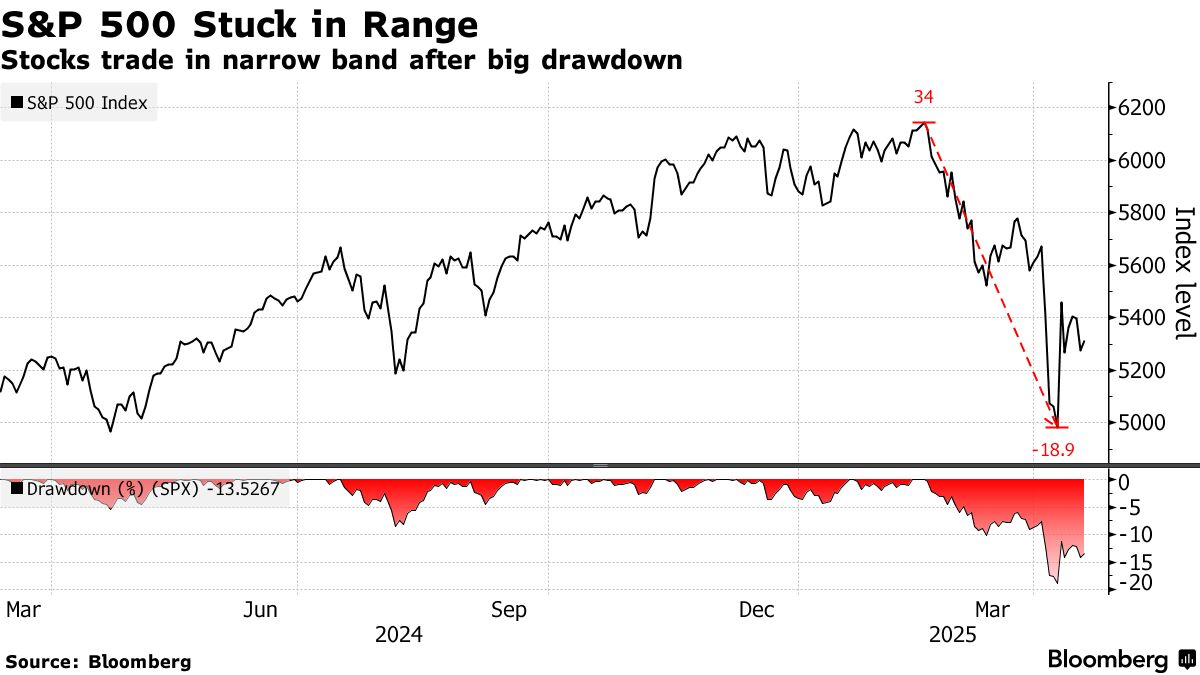
In this guide, we will deconstruct the current state of the stock market through the lens of professional finance, exploring the macroeconomic drivers, sector-specific trends, essential analytical tools, and the psychological discipline required to thrive as an investor.
The Macroeconomic Drivers Shaping Current Market Trends
The stock market does not exist in a vacuum. It is heavily influenced by “macro” factors—broad economic trends that affect the entire financial system. Understanding these drivers is the first step in contextualizing why the market moves the way it does on any given day.
Interest Rates and Central Bank Policy
In the modern era, perhaps no single entity has more influence over the stock market than the Federal Reserve and other global central banks. Interest rates are the “gravity” of the financial world. When rates are low, borrowing is cheap, which encourages corporate expansion and makes stocks more attractive compared to fixed-income assets like bonds. Conversely, when the Fed raises rates to combat inflation, the “discount rate” applied to future corporate earnings increases, often leading to a contraction in stock valuations. Investors today must be acutely aware of “Fed Speak”—the official statements and nuances in language used by central bankers—as these communications often trigger significant market volatility.
Inflationary Pressures and Consumer Sentiment
Inflation remains a primary concern for today’s investors. Persistent inflation erodes purchasing power and increases input costs for businesses. If a company cannot pass these costs onto consumers, its profit margins shrink. Market participants closely monitor the Consumer Price Index (CPI) and the Producer Price Index (PPI) to gauge whether the economy is overheating or cooling. Furthermore, consumer sentiment—how optimistic or pessimistic the average person feels about their finances—acts as a leading indicator. Since consumer spending accounts for a vast majority of GDP in developed nations, a dip in sentiment often precedes a downturn in the retail and discretionary sectors.
Geopolitical Volatility and Global Supply Chains
We live in an interconnected world where a conflict in one region or a trade dispute in another can ripple through global markets instantly. Today’s market is particularly sensitive to geopolitical tensions that affect energy prices and supply chains. For instance, disruptions in the flow of semiconductors or crude oil can lead to “sector rotation,” where investors flee high-growth tech stocks in favor of “safe-haven” assets like energy or defense stocks.
Key Sectors and Asset Allocation Strategies
Successful investing in today’s stock market requires more than just picking a single “winning” stock; it requires a strategic approach to asset allocation. By diversifying across different sectors, investors can mitigate risk while capturing growth.
The Dominance of Large-Cap Tech and AI Integration
Technology remains the primary engine of market growth. However, the focus has shifted from simple software-as-a-service (SaaS) models to the integration of Artificial Intelligence (AI). Companies at the forefront of AI hardware and software development are currently commanding premium valuations. When evaluating “today’s market,” it is impossible to ignore the outsized impact of a few massive technology firms—often referred to as the “Magnificent Seven”—whose performance can dictate the direction of the entire S&P 500. Investors must decide whether to chase this momentum or look for “catch-up” trades in undervalued sectors.
Defensive vs. Cyclical Stocks: Balancing Your Portfolio
A balanced portfolio often mirrors the economic cycle. Cyclical stocks, such as those in the industrial, financial, and luxury goods sectors, tend to perform well when the economy is expanding. On the other hand, defensive stocks—such as healthcare, utilities, and consumer staples—provide a buffer during periods of economic uncertainty because people still need medicine, electricity, and groceries regardless of market conditions. Today’s sophisticated investors often use a “barbell strategy,” holding high-growth tech stocks on one end and stable, defensive dividend-payers on the other.
The Role of Dividend-Paying Stocks in a Volatile Environment
In a market characterized by volatility, dividends offer a semblance of predictability. Companies that consistently pay and increase their dividends are often viewed as financially robust. For the income-focused investor, today’s market offers unique opportunities in “Dividend Aristocrats”—companies that have increased their payouts for at least 25 consecutive years. These stocks provide a total return component (capital appreciation plus yield) that can help offset losses during bearish phases.
Essential Financial Tools and Analytical Frameworks
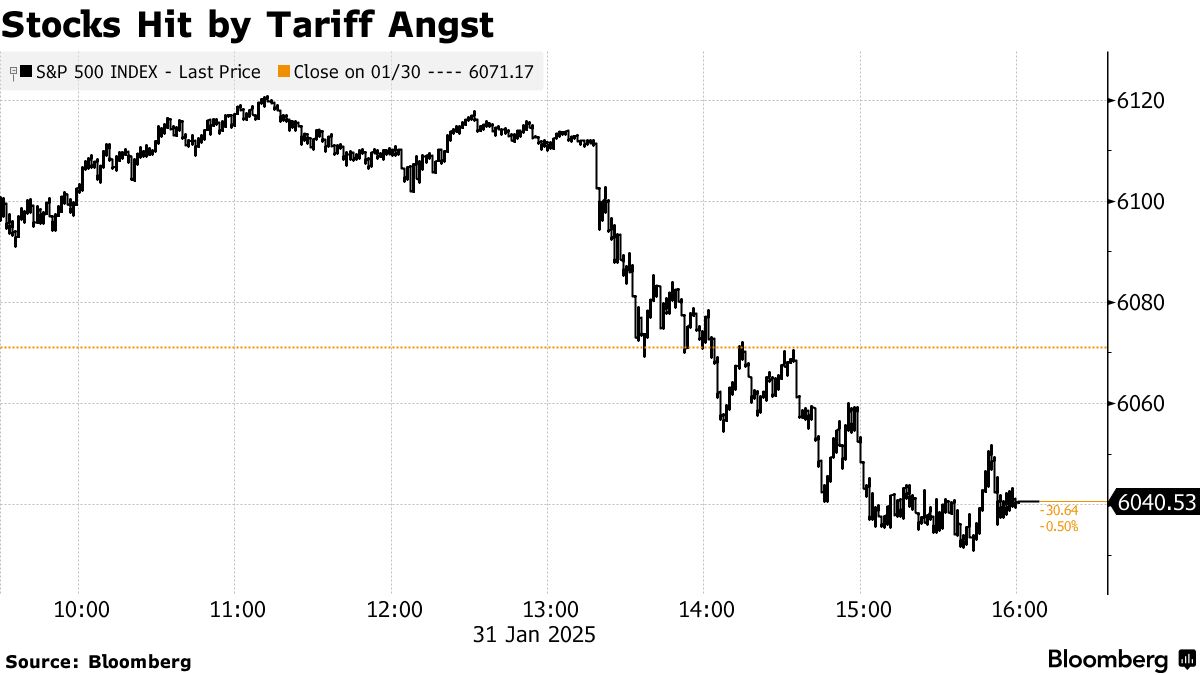
To answer the question of what is happening in the market, one must utilize the right tools. The democratization of finance has provided individual investors with access to data that was once reserved for institutional hedge funds.
Utilizing Fundamental Analysis in the Digital Age
Fundamental analysis remains the gold standard for long-term investing. This involves scrutinizing a company’s financial statements—its balance sheet, income statement, and cash flow statement. Today, tools like Morningstar, Bloomberg Terminal, and even free platforms like Yahoo Finance or Seeking Alpha allow investors to track Price-to-Earnings (P/E) ratios, Debt-to-Equity ratios, and Free Cash Flow. Understanding these metrics allows an investor to determine if a stock is “cheap” or “expensive” relative to its historical performance and its peers.
The Rise of Robo-Advisors and Automated Investing
For those who prefer a “hands-off” approach, the rise of fintech has introduced robo-advisors. These platforms use algorithms to automatically manage and rebalance a portfolio based on an individual’s risk tolerance and financial goals. In today’s market, automated investing has become a primary way for millennials and Gen Z to build wealth, utilizing “dollar-cost averaging”—the practice of investing a fixed amount of money at regular intervals regardless of the stock price.
Sentiment Analysis and Market Indicators
Beyond the fundamentals, technical indicators and sentiment analysis provide clues about market direction. The “VIX”—often called the “Fear Gauge”—measures expected volatility in the market. A high VIX suggests investor anxiety, while a low VIX suggests complacency. Additionally, modern investors use social sentiment tools to track what is being discussed on platforms like Reddit or X (formerly Twitter), which can lead to “meme stock” rallies or sudden sell-offs.
Behavioral Finance: Managing the Psychological Aspect of Investing
The numbers on a screen represent more than just currency; they represent the collective emotions of millions of participants. Behavioral finance is the study of how psychological influences and biases affect the financial behaviors of investors.
Overcoming FOMO and Panic Selling
Two of the most dangerous emotions in the stock market are greed and fear. FOMO (Fear Of Missing Out) often leads investors to buy at the top of a market cycle, driven by the sight of others making quick profits. Conversely, panic selling during a market correction often leads to realizing losses that might have been recovered if the investor had stayed the course. Today’s market is particularly prone to these swings due to the 24-hour news cycle and the ease of trading on mobile apps. Developing a “trading plan” and sticking to it is the best defense against emotional decision-making.
The Importance of a Long-Term Investment Horizon
Time in the market is almost always more important than timing the market. Historical data shows that despite short-term crashes, the stock market has a strong upward trajectory over decades. By maintaining a long-term horizon, investors can benefit from the power of compounding. In the context of “today’s market,” it is helpful to remember that current volatility is often just a “blip” on a thirty-year chart. Professional wealth management focuses on “wealth preservation” and “steady growth” rather than “get-rich-quick” schemes.
Future Outlook and Sustainable Growth Opportunities
As we look toward the future of the stock market, new paradigms are emerging that will define the next decade of investing.
ESG Investing: More Than Just a Trend
Environmental, Social, and Governance (ESG) criteria are increasingly used by investors to evaluate the sustainability and ethical impact of an investment. While some view ESG as a political movement, in the financial world, it is increasingly seen as a risk management tool. Companies that ignore environmental regulations or have poor corporate governance are often subject to lawsuits and brand damage, which can tank their stock price. Sustainable investing is becoming a core component of institutional portfolios.
Emerging Markets and Frontier Opportunities
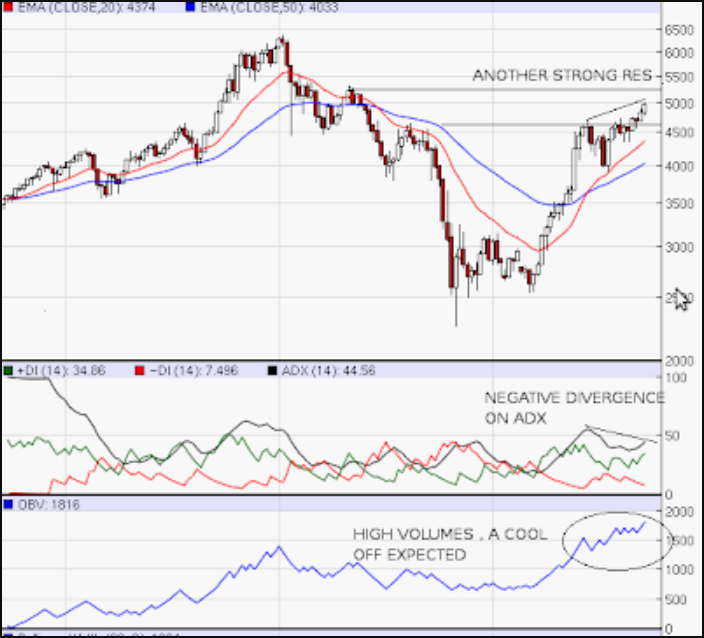
While the U.S. market remains the largest, growth in emerging markets—such as India, Southeast Asia, and parts of Latin America—presents a compelling case for geographic diversification. These regions often have younger demographics and a rapidly growing middle class, providing a runway for growth that more “mature” economies may lack. However, these markets also come with higher risks, including currency fluctuation and political instability, making them suitable for the “growth” portion of a diversified portfolio.
In conclusion, “today’s stock market” is a multifaceted entity that requires a blend of macroeconomic awareness, sector-specific knowledge, technological proficiency, and emotional intelligence. By understanding the forces at play—from central bank policies to the psychological pitfalls of trading—investors can navigate the complexities of the financial world with confidence. Whether you are a seasoned professional or a novice looking to make your first trade, the key to success lies in continuous learning and the disciplined application of sound financial principles.
aViewFromTheCave is a participant in the Amazon Services LLC Associates Program, an affiliate advertising program designed to provide a means for sites to earn advertising fees by advertising and linking to Amazon.com. Amazon, the Amazon logo, AmazonSupply, and the AmazonSupply logo are trademarks of Amazon.com, Inc. or its affiliates. As an Amazon Associate we earn affiliate commissions from qualifying purchases.