
The global business landscape is currently witnessing a tectonic shift as the economic gravity moves eastward. For leaders in brand strategy, marketing, and corporate identity, India is no longer just a destination for outsourcing or a secondary market to be managed through international templates. It is a dominant cultural force that demands a localized, sophisticated approach to brand positioning. Understanding “Indian culture” in a corporate context is not about stereotyping; it is about recognizing the unique synthesis of tradition, hyper-digitalization, and a collective psychological shift that is rewriting the rules of brand engagement.
The Cultural Architecture of Consumer Loyalty
In Western markets, personal branding and corporate identity are often rooted in individualistic self-expression. In India, however, the cultural architecture is deeply collectivist, rooted in family, community, and social signaling. To build a brand that resonates in India, one must understand that the consumer is rarely an island.
The Power of the “Family Decision”
While the Indian consumer is becoming increasingly individualistic due to urbanization, the family unit remains the primary arbiter of trust. Decisions regarding high-involvement categories—such as finance, real estate, education, and consumer durables—are almost always communal. A brand strategy that fails to acknowledge the influence of multi-generational households often misses the mark. When designing a campaign or a brand identity, the narrative must pivot from “What does this do for me?” to “How does this enhance our family’s standing or well-being?” This is the cornerstone of trust-building in a society where reputation is a social currency shared by the collective.
High-Context Communication Styles
India is a high-context culture. Meaning is rarely conveyed through explicit, literal statements alone; it is embedded in the environment, the relationship, and the subtext of the interaction. Marketing communications that are overly clinical or “straight to the point” can feel cold or alienating to an Indian audience. Effective brand storytelling in this region utilizes metaphor, aspirational imagery, and emotional resonance. It is about the “why” and the “we,” rather than just the technical utility of the “what.”
The “Bharat” vs. “India” Divide in Branding
A critical error many global brands commit is assuming that the urban, English-speaking professional represents the entirety of the Indian market. In reality, India is a dual-layered market defined by the contrast between “India” (the urban, globalized metropolitan centers) and “Bharat” (the rapidly digitizing, culturally rooted, non-metropolitan towns and rural districts).
Digital Acceleration and Vernacular Content
The massive penetration of affordable data has bridged the information gap between the urban and the rural. However, cultural preferences have not homogenized. The most successful brands today are those that invest in vernacular strategy. Branding is no longer about English-language prestige; it is about fluency in regional nuances. Whether it is a localized mobile interface or marketing copy that taps into local idioms and cultural pride, brands must respect the cultural linguistic mosaic of the country.
The Paradox of Traditionalism and Modernity
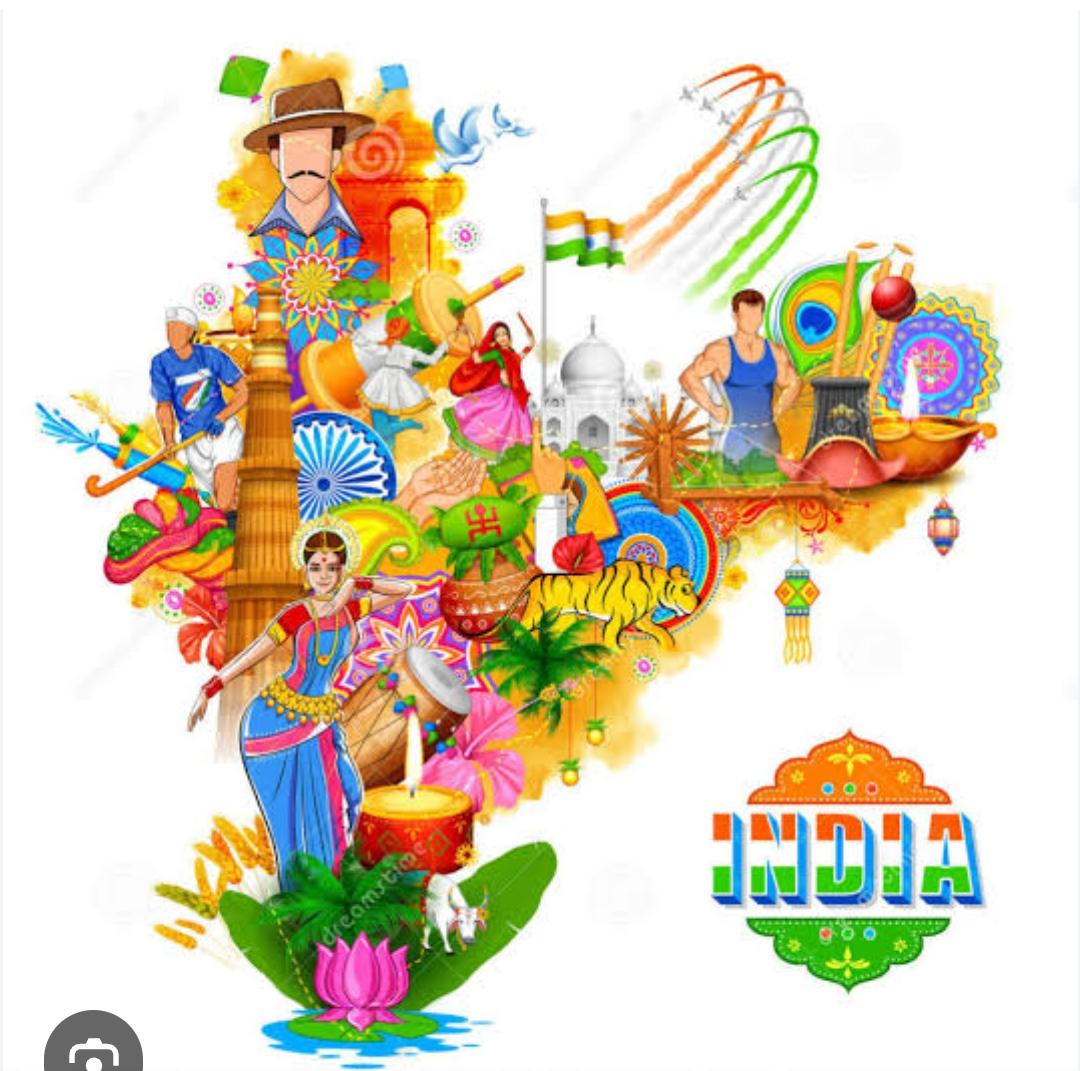
India is a country that consumes the latest global tech trends while simultaneously holding on to deeply ancient value systems. A successful brand identity in this market often employs “Glocalization.” This is the ability to present a brand as global and modern, while ensuring the core product experience is rooted in Indian sensibilities. For example, a fintech app might offer state-of-the-art security and algorithmic efficiency, but its user experience (UX) might mirror the familiar, high-touch, trust-based interactions of traditional banking.
Building Brand Trust Through Cultural Empathy
In a market as saturated and competitive as India, price wars are a race to the bottom. Sustainable differentiation is built on cultural empathy. Brands that succeed are those that act as partners in their customers’ life journeys, rather than mere providers of goods.
The Value-Driven Consumer
Price sensitivity is often mistaken for a lack of brand loyalty in India. In reality, the Indian consumer is “value-sensitive.” They are willing to pay a premium, but only when they perceive the brand as having skin in the game regarding their cultural context. This includes ethical labor practices, contributions to the community, and a recognizable effort to understand the Indian social fabric. Sustainability and social impact, when communicated through the lens of Indian societal values, are not just marketing buzzwords—they are essential brand assets.
Cultural Agility in Corporate Identity
Corporate identity in India must possess high levels of cultural agility. This means the ability to pivot communication styles, visual aesthetics, and brand promises based on the regional demographic. For instance, the aesthetic sensibilities in the south of India—often minimalist, structured, and detail-oriented—differ significantly from the exuberant, high-energy marketing visuals that might resonate in the north. A monolithic corporate identity strategy is a recipe for stagnation. A successful brand strategy must function like a chameleon, maintaining a global core while adapting its visual and narrative skin to the regional heart.
The Future of Brand Positioning in the Indian Context
As India continues to grow as an economic powerhouse, the traditional “import-and-adapt” model of branding is becoming obsolete. The future belongs to brands that treat Indian culture as an inspiration rather than a barrier.
Co-Creation and Community Engagement
Modern brand strategy in India is moving toward co-creation. Because the culture is highly conversational and social, brands that invite their audience into the development process see higher engagement levels. Influencer marketing in India is not just about reach; it is about leveraging the community’s trust in the influencer as a surrogate for the brand. Brands that integrate themselves into the existing social conversations of their audience—rather than interrupting them—find a more permanent place in the consumer’s psyche.
Authenticity vs. Appropriation
One of the most delicate challenges for global brands is the line between cultural appreciation and cultural appropriation. As the Indian consumer becomes more educated and globally aware, they are increasingly critical of “tokenism.” Using Indian motifs, festivals, or cultural icons in advertisements without a deep understanding of their significance can lead to severe brand backlash. Genuine engagement requires the brand to hire local talent, listen to local stakeholders, and participate in the culture in a way that is respectful and additive, rather than extractive.

Closing Reflections on Cultural Competency
Ultimately, the question “What about Indian culture?” is the most important inquiry a brand manager can make when entering or expanding within the region. It is an invitation to move beyond the superficial. It asks the strategist to study the intersection of history, family dynamics, digital aspirations, and the unique, vibrant friction between tradition and progress.
The Indian market is not a monolith; it is a tapestry. Brands that take the time to learn the weave—the threads of heritage, the knots of local pride, and the vibrant patterns of modern growth—will find themselves rewarded with a level of loyalty and advocacy that is rarely achievable in more individualistic markets. Success here requires a shift in mindset: from seeing India as a territory to be captured to seeing it as a culture to be partnered with. In the coming decade, the most powerful global brands will be those that have managed to translate their core identity into the heartbeat of the Indian consumer.
aViewFromTheCave is a participant in the Amazon Services LLC Associates Program, an affiliate advertising program designed to provide a means for sites to earn advertising fees by advertising and linking to Amazon.com. Amazon, the Amazon logo, AmazonSupply, and the AmazonSupply logo are trademarks of Amazon.com, Inc. or its affiliates. As an Amazon Associate we earn affiliate commissions from qualifying purchases.