
In the realm of brand strategy and corporate identity, we often focus on the visual elements: the logo, the color palette, and the typography. However, the most potent tool in a brand’s arsenal is the way it structures its thoughts. To the casual observer, a paragraph is merely a block of text—a grammatical necessity. But to a brand strategist or a high-level copywriter, a paragraph is a strategic unit of persuasion. It is the rhythmic heartbeat of a brand’s voice, the container for its values, and the primary vehicle for building trust with an audience.

Understanding what a paragraph is in a professional branding context requires shifting our perspective from “writing” to “engineering.” In the digital age, where attention is the most valuable currency, the structure of your message determines whether your brand is perceived as an industry leader or as background noise.
Redefining the Paragraph in the Age of Digital Branding
In traditional literature, a paragraph is defined as a group of sentences relating to a single idea. In branding, this definition is too narrow. For a brand, a paragraph is a psychological pacing mechanism. It is a visual and cognitive cue that tells the reader how to feel, when to breathe, and what to prioritize. When a customer lands on a corporate website or opens a brand manifesto, they aren’t just reading words; they are absorbing the brand’s “vibe” through the density and flow of the text.
The Visual Weight of Voice
The physical appearance of a paragraph on a screen communicates brand personality before a single word is read. Large, dense blocks of text suggest academic authority, tradition, or perhaps a lack of empathy for the reader’s time. Conversely, short, punchy paragraphs suggest agility, modernism, and transparency.
In luxury branding, paragraphs are often used to create a sense of “unhurried elegance.” They are structured to slow the reader down, inviting them into a world of craft and heritage. In contrast, a disruptive tech startup might use “staccato” paragraphing—single-sentence bursts that mirror the fast-paced nature of innovation. What a paragraph is, therefore, is the visual manifestation of your brand’s temperament.
Cognitive Load and Brand Perception
Effective brand communication is about minimizing cognitive load. If a paragraph is too long, the reader’s brain registers “work.” If it is too short and lacks substance, the brain registers “insignificance.” Strategic paragraphing is about finding the “Goldilocks Zone” of information density.
A brand that masters the paragraph understands that each block of text is an invitation. By breaking complex value propositions into digestible units, a brand demonstrates that it respects the consumer’s intellectual energy. This creates a subconscious association between the brand and “ease of use,” which is a cornerstone of modern corporate identity.
The Structural Anatomy of Persuasive Copy
To build a world-class brand, every paragraph must serve a functional purpose within the marketing funnel. If we view the paragraph as a strategic asset, we can break down its anatomy into three distinct phases: the hook, the bridge, and the anchor. This structural integrity ensures that the brand narrative remains cohesive and compelling.
The Lead: Hooking the Audience
The first sentence of any brand-facing paragraph—the topic sentence—is effectively a headline for that specific idea. In brand strategy, this is where the “Why” is established. A brand like Nike doesn’t start a paragraph by talking about the technical specs of a shoe; they start with the aspiration of the athlete.
What a paragraph is, at its inception, is a promise. The lead sentence must signal to the reader that the information following it is relevant to their desires or problems. If the lead fails to connect the brand’s mission to the reader’s reality, the rest of the paragraph remains unread.
The Transition: Building Trust
The middle of the paragraph is where the “How” resides. This is the space for evidence, data, and storytelling. For a corporate brand, this might involve explaining a proprietary process or showcasing a case study.
The transition is crucial because it bridges the gap between a bold claim and a believable reality. Without a strong middle, a brand’s paragraph feels hollow—like marketing fluff. By providing logical flow through transitional phrases and supporting evidence, the brand builds a narrative of competence and reliability.
The Conclusion: Driving Action
Every paragraph in a brand’s ecosystem should lead somewhere. Whether it’s an emotional resonance or a literal call to action, the final sentence of a paragraph acts as the “closer.” In brand storytelling, this is often where the “So What?” is answered.
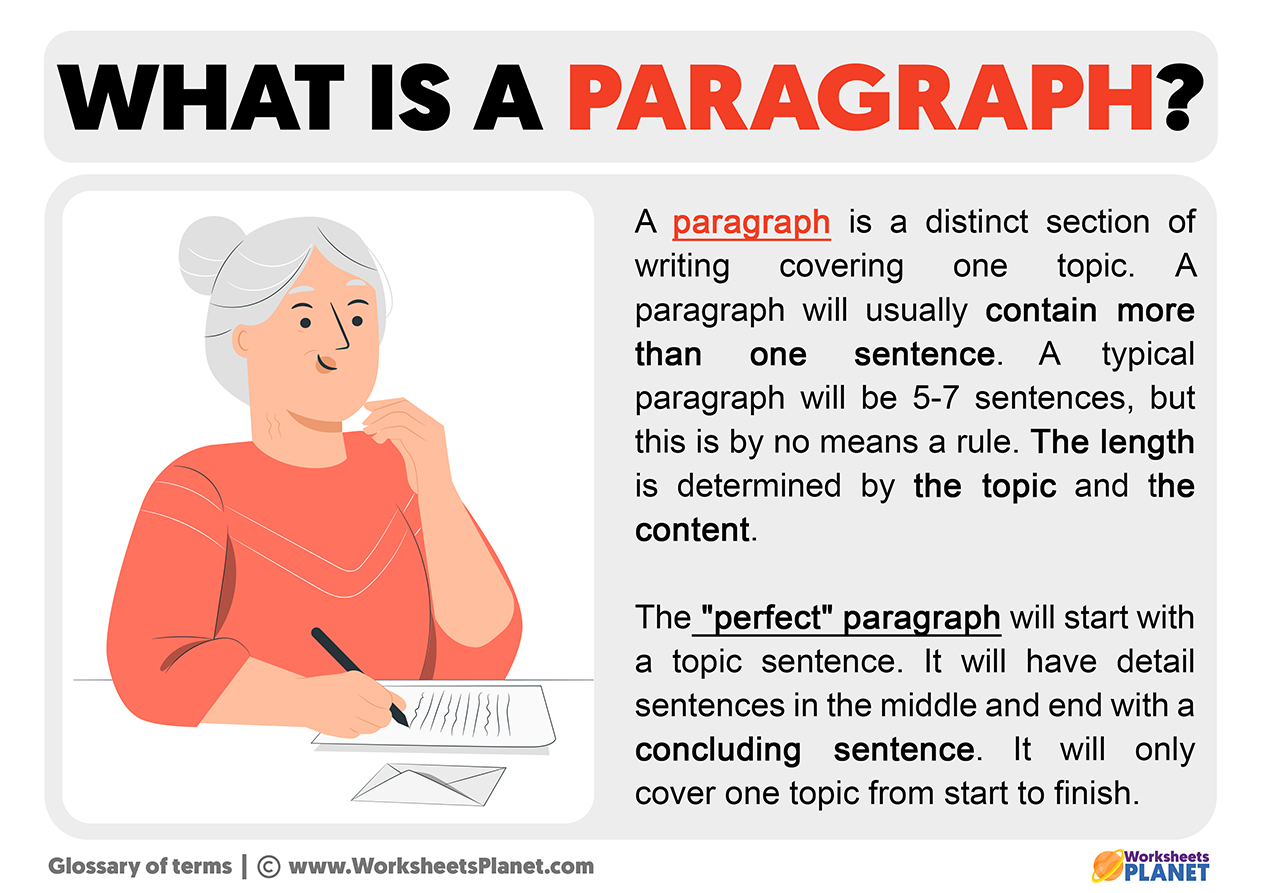
A well-constructed paragraph concludes by reinforcing the brand’s unique value proposition. It leaves the reader with a clear takeaway: This brand understands me, and they have the solution. When paragraphs are consistently closed with strength, the entire brand identity feels more decisive and trustworthy.
Brand Voice Consistency Through Paragraph Syntax
Consistency is the bedrock of branding. While we often talk about consistency in logos or colors, “syntactic consistency”—the way paragraphs are rhythmically constructed—is what truly defines a brand’s “tone of voice.” A brand’s identity is revealed in the length of its sentences and the way those sentences are grouped into paragraphs.
Pacing as a Personality Trait
Consider the difference between a high-end financial institution and a creative design agency. The financial institution likely uses longer, more complex paragraph structures to convey stability, depth, and meticulousness. These paragraphs move with a deliberate, slow pace that mirrors the gravity of managing wealth.
A creative agency, on the other hand, might use varied paragraph lengths to create a sense of rhythm and energy. They might follow a long, descriptive paragraph with a short, three-word punch. This “syncopated” writing style signals creativity, boldness, and a willingness to break the rules. In this context, what a paragraph is becomes a tool for musicality in text, establishing a brand “vibe” that resonates on an emotional level.
Adapting Structure for Different Platforms
A brand must remain recognizable across multiple touchpoints, but its paragraph structure must adapt to the medium. What a paragraph is on a printed “About Us” page in a corporate brochure is vastly different from what it is in a LinkedIn post or a mobile app interface.
- The Corporate Brochure: Here, the paragraph can afford to be more expansive. It serves as a permanent record of the brand’s legacy.
- The Mobile Experience: Paragraphs must be “micro-units.” On a small screen, a four-sentence paragraph can look like a wall of text. Brand strategists must learn to say more with less, using “micro-paragraphs” to guide the user through a digital journey without overwhelming them.
- Social Media: Here, the paragraph is often broken entirely. It becomes a series of “scroll-stoppers.” The brand’s identity is maintained not through depth, but through the immediate impact of each isolated thought.
Strategic Formatting: When a Paragraph Isn’t Just Text
In modern brand design, the boundaries of what a paragraph is have blurred. We now see the “visual paragraph”—a combination of text, white space, and graphical elements that function as a single unit of communication. To maintain a premium brand image, one must understand how to use formatting as a strategic extension of the written word.
The Power of the One-Sentence Paragraph
Perhaps the most powerful tool in modern branding is the one-sentence paragraph. It is the ultimate expression of confidence. When a brand takes an idea and gives it its own space, isolated by white space, it signals that the idea is so important it doesn’t need supporting sentences.
For instance, a brand might detail its complex sustainability efforts in a standard paragraph, but then follow it with a single-sentence paragraph: We do this because it’s the right thing to do. This creates a “rhetorical pause.” It forces the reader to stop and sit with that thought. This use of “structural silence” is a hallmark of sophisticated brand strategy.
Bullet Points and Structural Hybrids
Sometimes, the best paragraph is not a paragraph at all. In brand marketing, we often use bulleted lists or “callout boxes” to break up the narrative. However, these elements should still follow the logic of a paragraph. They should have a unifying theme and a strategic purpose.
When a brand uses a list of features, those features should be curated to tell a story, just as sentences in a paragraph would. The transition from a prose paragraph to a structured list is a tactical move to improve scanability. It shows that the brand is user-centric, prioritizing the reader’s need for quick information over the writer’s desire for long-form expression.

Conclusion: The Paragraph as a Brand Asset
Ultimately, what a paragraph is goes far beyond grammar and punctuation. It is a fundamental building block of brand strategy. It is where your brand’s mission meets the reader’s attention. By mastering the art of the paragraph, a brand can control its narrative, influence customer perception, and stand out in a crowded marketplace.
Whether you are writing a press release, a product description, or a brand manifesto, remember that every paragraph is an opportunity to reinforce your identity. A well-structured paragraph is a sign of a well-structured brand. It is an investment in clarity, a commitment to quality, and the most direct path to winning the hearts and minds of your audience. In the world of branding, don’t just write—engineer your paragraphs to lead, to persuade, and to endure.
aViewFromTheCave is a participant in the Amazon Services LLC Associates Program, an affiliate advertising program designed to provide a means for sites to earn advertising fees by advertising and linking to Amazon.com. Amazon, the Amazon logo, AmazonSupply, and the AmazonSupply logo are trademarks of Amazon.com, Inc. or its affiliates. As an Amazon Associate we earn affiliate commissions from qualifying purchases.